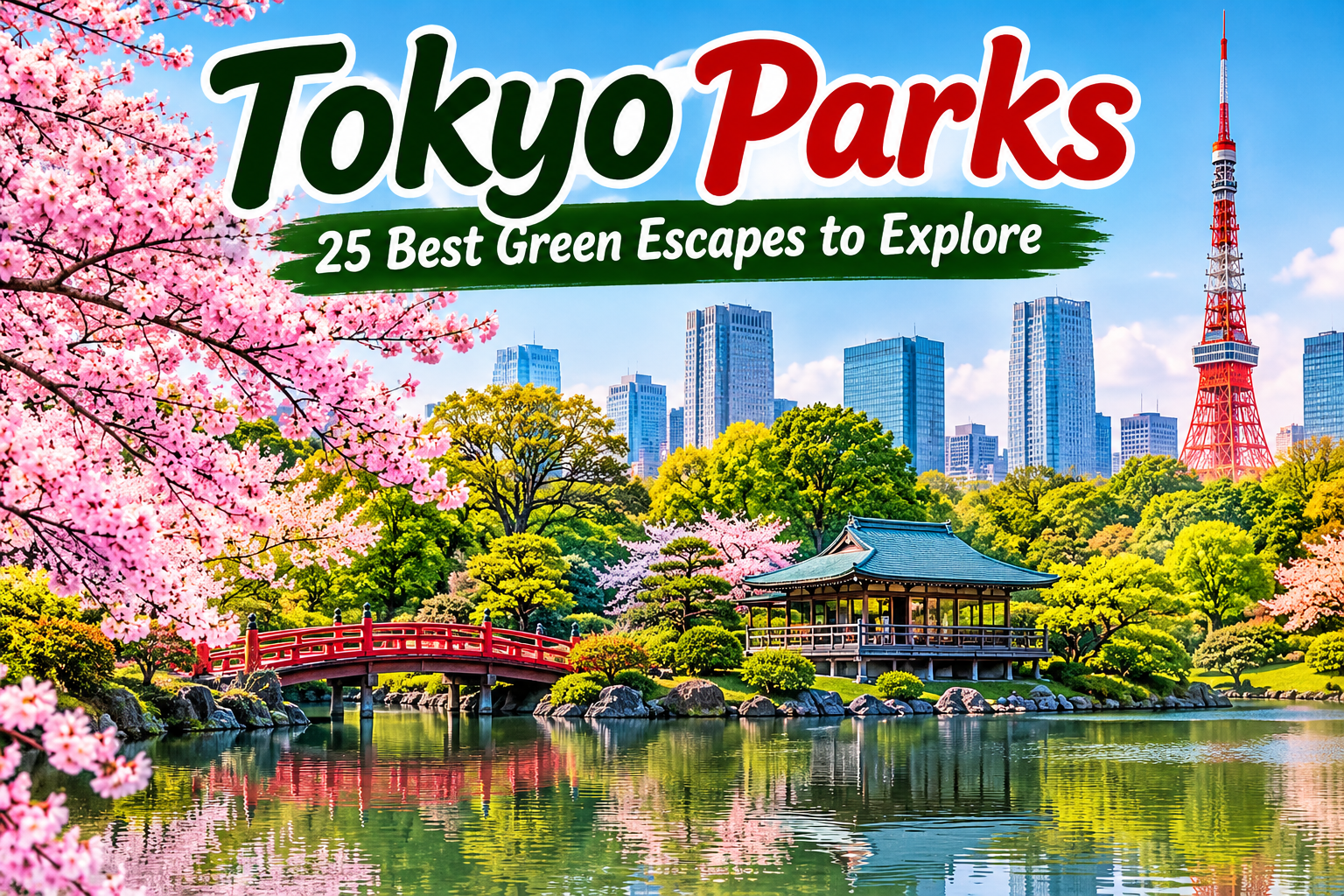
Tokyo Parks: 25 Beautiful Green Spaces, Hidden Gardens and Peaceful Escapes to Explore
Looking for the best Tokyo parks to escape the busy streets, discover beautiful Japanese gardens and enjoy nature in Japan’s capital? Tokyo parks offer a remarkable variety of green spaces, from traditional Japanese gardens and cherry blossom destinations to family-friendly recreation areas and peaceful woodland trails. Whether you are visiting Tokyo for the first time, travelling with children, planning a romantic getaway or searching for photography locations, the city’s parks offer something for everyone Tokyo Photography
Understanding Tokyo Parks and Japanese Gardens
Tokyo parks come in several different forms. Understanding these differences can help you select destinations that match your interests and available time.
Public Parks in Tokyo
Public parks generally provide open spaces for walking, jogging, picnics and recreation. Many are free to enter and attract both local residents and international visitors.
Popular examples include Yoyogi Park, Ueno Park and Hibiya Park.
These destinations are particularly suitable for travellers who want to experience everyday life in Tokyo without paying an admission fee.
Traditional Japanese Gardens in Tokyo
Japanese gardens focus on carefully designed landscapes, including ponds, bridges, stone arrangements, trees and seasonal flowers.
Rikugien Gardens, Koishikawa Korakuen Gardens and Kiyosumi Gardens are excellent examples.
Unlike large recreational parks, traditional gardens encourage visitors to slow down and appreciate the scenery from different viewpoints.
Waterfront and Natural Parks
Tokyo also has green spaces beside rivers, bays and wooded valleys. These parks offer a different atmosphere from the carefully maintained gardens in central Tokyo.
Kasai Rinkai Park and Todoroki Valley are useful options for visitors interested in waterfront views or more natural surroundings.
Why Tokyo Parks Are Important
Tokyo parks contribute to the city’s quality of life in several ways.
- They provide places for physical exercise and relaxation.
- Trees offer shade and help moderate local temperatures.
- Gardens preserve traditional landscape design.
- Green spaces provide habitats for some urban wildlife.
- Parks create opportunities for community activities.
- Seasonal flowers and foliage support tourism throughout the year.
For travellers, Tokyo parks also provide opportunities to slow down between museums, shopping districts and crowded tourist attractions.
The 25 Best Tokyo Parks to Visit
1. Shinjuku Gyoen National Garden
Shinjuku Gyoen National Garden is one of the best Tokyo parks for first-time visitors. It combines Japanese landscape design with French formal gardens and English landscape lawns, creating a varied experience within a single destination.
The garden features broad lawns, mature trees, carefully maintained flower beds and a greenhouse containing tropical and subtropical plants.
During spring, cherry blossoms attract visitors from across Japan and around the world. Autumn brings colourful foliage, while the greener months provide a refreshing escape from the surrounding commercial districts.
Best for: First-time visitors, couples, photographers and garden enthusiasts.
Best time to visit: Spring and autumn.
Suggested visit duration: Two to three hours.
Travel tip: Check admission fees, opening hours and closing days before visiting. Allow extra time during cherry blossom season.
2. Ueno Park
Ueno Park is one of the most famous public parks in Tokyo. It combines open green spaces with important cultural attractions, making it suitable for travellers who want to experience nature and Japanese culture on the same day.
The park is particularly popular during cherry blossom season. Its pathways, trees and surrounding cultural institutions attract families, photographers and international tourists.
Visitors can also explore nearby museums, historic buildings and Shinobazu Pond.
Best for: Families, culture lovers and first-time visitors.
Best time to visit: Spring and mild autumn days.
Travel tip: The main park grounds are generally free, but museums, the zoo and certain attractions charge separate admission fees.
3. Yoyogi Park
Yoyogi Park is one of the best Tokyo parks for picnics, casual walks and people-watching.
Its spacious lawns and tree-lined paths provide room for relaxation and outdoor activities. Visitors may encounter groups practising dance, musicians performing, friends sharing food and residents exercising.
The park’s location near Harajuku and Meiji Jingu makes it easy to include in a central Tokyo itinerary.
Best for: Young travellers, couples, friends and solo visitors.
Best time to visit: Spring, autumn and pleasant weekend afternoons.
Travel tip: Bring water and a picnic mat if you plan to relax on the grass. Check event schedules if you prefer a quieter atmosphere.
4. Inokashira Park
Inokashira Park is a popular green destination in the Kichijoji area of western Tokyo.
The park is known for its pond, mature trees, walking paths and relaxed atmosphere. Depending on the season, visitors can enjoy cherry blossoms, colourful leaves and peaceful views across the water.
The surrounding neighbourhood also offers independent cafés, restaurants and small shops, making the park suitable for a leisurely day out.
Best for: Couples, photographers, families and repeat visitors.
Best time to visit: Spring and autumn.
Travel tip: Visit early on weekends if you prefer fewer crowds. Check the availability and operating arrangements of any boat rentals before travelling.
5. Rikugien Gardens
Rikugien Gardens is one of the finest traditional Japanese gardens in Tokyo.
Its design draws inspiration from classical Japanese poetry and landscape traditions. Winding paths lead visitors past ponds, bridges, trees and carefully composed views.
The garden is particularly attractive during autumn, when maple leaves create colourful scenery. Spring also brings seasonal flowers and fresh greenery.
Best for: Garden enthusiasts, couples, photographers and cultural travellers.
Best time to visit: Spring and autumn.
Travel tip: Walk slowly and appreciate the scenery from several viewpoints instead of rushing around the grounds. Check current admission details and seasonal event arrangements.
6. Koishikawa Korakuen Gardens
Koishikawa Korakuen Gardens is a historic landscape garden with Japanese and Chinese influences.
The grounds include ponds, bridges, landscaped hills and traditional garden features. Its design creates a series of changing views as visitors move through the landscape.
Autumn is particularly attractive, although the garden can be enjoyed throughout the year.
Best for: History enthusiasts, photographers and visitors interested in traditional Japanese landscaping.
Best time to visit: Autumn and spring.
Travel tip: Allow approximately one to two hours for a relaxed visit. Check opening hours before combining the garden with nearby attractions.
7. Hama-rikyu Gardens
Hama-rikyu Gardens offers a striking contrast between traditional Japanese landscaping and Tokyo’s modern skyline.
The historic grounds include a tidal pond, landscaped paths and a traditional teahouse setting. Modern office towers surrounding the garden make it especially appealing to photographers.
The garden is also a useful destination for travellers exploring central Tokyo.
Best for: Photographers, couples and architecture enthusiasts.
Best time to visit: Spring and autumn.
Travel tip: Combine the garden with a walk around the nearby waterfront or shopping districts. Check current admission information before visiting.
8. Imperial Palace East Gardens
The Imperial Palace East Gardens offer a combination of landscaped grounds and historic castle remains in central Tokyo.
Visitors can explore stone walls, broad lawns and areas associated with the history of Edo Castle.
The gardens are especially convenient for travellers interested in Japanese history and architecture.
Best for: History lovers, solo travellers and visitors exploring central Tokyo.
Best time to visit: Spring and autumn.
Travel tip: Public access is subject to official opening arrangements. Check the current schedule and entry rules before planning your visit.
9. Hibiya Park
Hibiya Park is a convenient urban green space surrounded by Tokyo’s busy business and commercial districts.
It provides a place for short walks, outdoor breaks and relaxation between sightseeing activities.
Unlike large destination gardens, Hibiya Park is particularly useful when you have limited time and want to enjoy greenery without travelling far from central Tokyo.
Best for: Business travellers, shoppers and city walkers.
Best time to visit: Spring and autumn.
Travel tip: Include the park as a short stop between nearby attractions rather than planning an entire day around it.
10. Showa Kinen Park
Showa Kinen Park is a large recreational destination in western Tokyo that can easily fill half a day or more.
Its attractions include broad lawns, seasonal flower displays, playgrounds and designated cycling facilities.
The park’s scale makes it particularly suitable for families and travellers who enjoy outdoor activities.
Best for: Families, children, photographers and active visitors.
Best time to visit: Spring and autumn, depending on seasonal flowers.
Travel tip: Review the park map before arrival. Its large grounds make it important to prioritise the attractions you want to see.
11. Sumida Park
Sumida Park is one of the best Tokyo parks for riverside walks and cherry blossom photography.
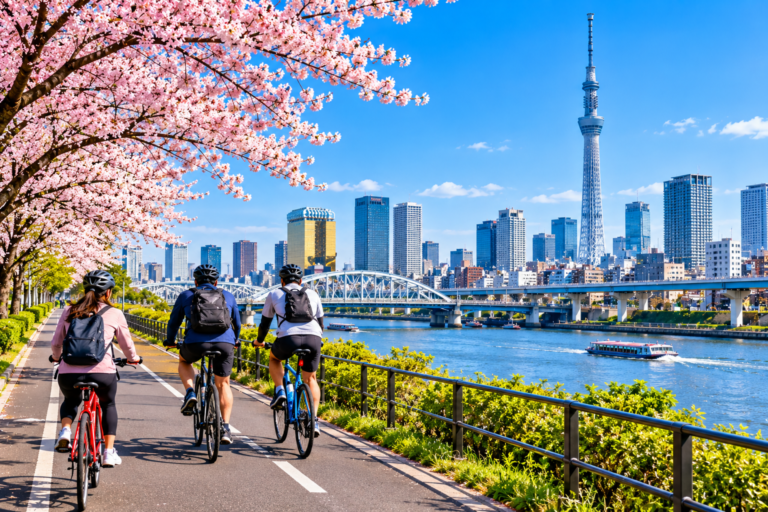
Located beside the Sumida River, it provides views of the water and Tokyo Skytree. During spring, cherry blossoms make the riverside scenery particularly attractive.
The park is also convenient for visitors exploring Asakusa and its traditional shopping streets.
Best for: Couples, photographers and first-time visitors.
Best time to visit: Cherry blossom season and pleasant weather.
Travel tip: Combine your visit with nearby cultural attractions. Arrive early during spring to enjoy the scenery before the busiest periods.
12. Kasai Rinkai Park
Kasai Rinkai Park offers a different experience from the historic gardens of central Tokyo.
Its waterfront setting, open lawns and views across Tokyo Bay make it an appealing destination for outdoor relaxation.
The surrounding environment can also interest visitors who enjoy observing birds and coastal scenery.
Best for: Families, nature enthusiasts and photographers.
Best time to visit: Spring and autumn.
Travel tip: Check the weather before visiting because waterfront areas can be windy. Allow additional travel time when coming from central Tokyo.
13. Komazawa Olympic Park
Komazawa Olympic Park is an excellent choice for visitors interested in exercise and sports.
The park is associated with sporting facilities and recreational activities. Walking, jogging and other permitted outdoor activities make it useful for travellers who want to remain active during their trip.
Best for: Runners, fitness enthusiasts, sports fans and active families.
Best time to visit: Spring and autumn.
Travel tip: Check access requirements for individual sporting facilities if you plan to participate in a particular activity.
14. Kiyosumi Gardens
Kiyosumi Gardens is a traditional Japanese garden known for its pond, stepping stones, pine trees and carefully arranged scenery.
Its peaceful atmosphere makes it a good alternative to some of Tokyo’s busiest tourist attractions.
Visitors interested in garden photography can focus on reflections, stone arrangements and the relationship between water and vegetation.
Best for: Solo travellers, photographers and garden enthusiasts.
Best time to visit: Spring and autumn.
Travel tip: Take your time exploring the paths and viewpoints rather than treating the garden as a quick sightseeing stop.
15. Nezu Shrine Grounds
Nezu Shrine is not a conventional public park, but its grounds provide an appealing combination of greenery, traditional architecture and seasonal flowers.
The shrine is particularly famous for its azalea displays, which attract visitors during spring.
Its traditional atmosphere makes it a useful addition to a cultural itinerary.
Best for: Photographers, culture lovers and visitors interested in Japanese shrines.
Best time to visit: Spring, particularly during the azalea season.
Travel tip: Flowering dates vary from year to year. Follow shrine rules and check whether any special flower displays have separate admission arrangements.
16. Meiji Jingu Forest
The wooded approaches to Meiji Jingu offer a forest-like atmosphere close to Harajuku and other busy districts.
Tall trees and walking paths create a transition from the surrounding city streets to the quieter environment of the shrine.
The experience is different from a manicured garden because the emphasis is on woodland scenery and the cultural setting.
Best for: Walkers, cultural travellers and nature enthusiasts.
Best time to visit: Throughout the year.
Travel tip: Allow time for the walk to and from the shrine. Visitors should maintain a respectful atmosphere because the grounds form part of a sacred site.
17. The Komagome Neighbourhood Green Spaces
The neighbourhood around Rikugien offers opportunities to explore smaller streets, residential areas and additional cultural destinations.
Although this is not one individual park, it can be a rewarding option for travellers who prefer discovering local neighbourhoods rather than visiting only major landmarks.
Best for: Repeat visitors, walkers and travellers interested in local life.
Best time to visit: Spring and autumn.
Travel tip: Use a map to identify nearby attractions and check each destination’s opening hours separately.
18. Todoroki Valley
Todoroki Valley has traditionally been known for its wooded paths and stream-side scenery, offering a more natural environment than many formal Tokyo gardens.
The area can appeal to visitors seeking a break from shopping districts and dense urban streets.
Best for: Nature lovers, photographers and repeat visitors.
Best time to visit: Spring and autumn, subject to access conditions.
Travel tip: Check current safety and maintenance notices before travelling. Natural paths can be affected by heavy rainfall or temporary closures.
19. Rinshinomori Park
Rinshinomori Park is worth considering for its woodland character and variety of green habitats.
Its trees, grassy areas and water features provide a different experience from the carefully landscaped gardens of central Tokyo.
The park can be particularly appealing to people interested in urban nature and wildlife observation.
Best for: Birdwatchers, nature enthusiasts and walkers.
Best time to visit: Spring and autumn.
Travel tip: Bring binoculars if you enjoy observing wildlife, remain on permitted paths and avoid disturbing animals.
20. Kameido Tenjin Shrine Grounds
Kameido Tenjin Shrine is a seasonal flower destination known for its wisteria displays.
When the flowers bloom, purple clusters hang above the water and create attractive photographic compositions around the shrine’s traditional bridges.
The destination is particularly appealing to visitors exploring Tokyo during spring.
Best for: Couples, flower enthusiasts and photographers.
Best time to visit: The wisteria flowering period, usually during spring.
Travel tip: Check current flowering reports before travelling specifically to see the flowers.
21. Shiba Park
Shiba Park is a convenient destination for visitors who want greenery alongside one of Tokyo’s most recognisable landmarks.
Its location near Tokyo Tower makes it easy to combine a park walk with sightseeing and photography.
The surrounding area also offers opportunities to explore architecture and nearby cultural sites.
Best for: First-time visitors, couples and urban photographers.
Best time to visit: Spring, autumn and clear-weather days.
Travel tip: Plan your route around Tokyo Tower and nearby attractions to make the most of your time in the area.
22. Kitanomaru Park
Kitanomaru Park offers a quieter walking environment in central Tokyo.
Its tree-lined paths and landscaped grounds make it a useful option for travellers exploring the wider Imperial Palace area.
The park can be included in a history-focused itinerary without requiring a long journey across the city.
Best for: Walkers, history enthusiasts and solo travellers.
Best time to visit: Spring and autumn.
Travel tip: Check access information for the park and any nearby facilities you plan to visit.
23. Ojima Komatsugawa Park
Ojima Komatsugawa Park is an option for travellers seeking open recreational spaces away from some of Tokyo’s busiest tourist districts.
Its broad outdoor areas and riverside surroundings can suit walking, casual exercise and relaxed picnics where permitted.
Best for: Families, walkers and outdoor enthusiasts.
Best time to visit: Spring and autumn.
Travel tip: Check transport connections in advance and allow sufficient time for the journey from central Tokyo.
24. Futakotamagawa Park
Futakotamagawa Park is a useful destination for families seeking open grassy areas and a relaxed outdoor environment.
The park is suited to a slower outing where children can enjoy outdoor space and adults can take a break from crowded sightseeing areas.
Best for: Families with young children and visitors seeking a relaxed outing.
Best time to visit: Spring and autumn.
Travel tip: Check the facilities available for your child’s age group and bring water and sun protection during warmer months.
25. Koganei Park
Koganei Park is a spacious green destination in western Tokyo that offers an alternative to the city’s central tourist attractions.
Its open areas and seasonal vegetation make it suitable for walking, photography and outdoor relaxation.
Best for: Families, groups and repeat visitors.
Best time to visit: Spring and autumn.
Travel tip: Check transport options and nearby attractions before planning a visit, especially if your stay in Tokyo is short.
Comparison of the 10 Best Tokyo Parks
Choosing between Tokyo parks is easier when you compare their main attractions, visitor types and approximate budget requirements.
| Tokyo Park | Main Attraction | Best For | Entry Category |
|---|---|---|---|
| Shinjuku Gyoen | Diverse garden landscapes | First-time visitors | Paid |
| Ueno Park | Museums and cherry blossoms | Families and culture lovers | Main grounds generally free |
| Yoyogi Park | Open lawns and picnics | Friends and solo travellers | Free |
| Inokashira Park | Pond and walking paths | Couples and photographers | Generally free |
| Rikugien Gardens | Traditional Japanese landscaping | Garden enthusiasts | Paid |
| Koishikawa Korakuen | Historic scenery | History lovers | Paid |
| Hama-rikyu Gardens | Garden and skyline views | Photographers | Paid |
| Imperial Palace East Gardens | Historic castle grounds | History enthusiasts | Generally free, subject to access |
| Hibiya Park | Central urban greenery | Business travellers | Free |
| Showa Kinen Park | Large lawns and recreation | Families and active visitors | Paid |
Entry policies and charges can change. Check the relevant official information before travelling.
Which Tokyo Park Should You Choose?
- Choose Shinjuku Gyoen for a varied garden experience.
- Choose Ueno Park for culture, museums and cherry blossoms.
- Choose Yoyogi Park for a free outdoor afternoon.
- Choose Inokashira Park for a relaxed walk beside a pond.
- Choose Rikugien Gardens for traditional Japanese landscaping.
- Choose Hama-rikyu Gardens for a contrast between historic scenery and modern buildings.
- Choose Showa Kinen Park for a longer family outing.
- Choose Kasai Rinkai Park for waterfront scenery.
- Choose Todoroki Valley for a more natural walking environment.
Best Time to Visit Tokyo Parks
The best time to visit Tokyo parks depends on the seasonal scenery, weather and type of experience you prefer.
Spring: Tokyo Parks During Cherry Blossom Season
Spring is one of the most popular seasons for visiting Tokyo parks.
Cherry blossoms transform walking paths and lawns, while warmer temperatures make outdoor sightseeing more comfortable.
Shinjuku Gyoen, Ueno Park, Inokashira Park and Sumida Park are among the well-known destinations for cherry blossom viewing.
However, flowering dates vary depending on the weather, and popular parks can become crowded.
Tips for spring visits:
- Check recent cherry blossom forecasts.
- Visit early in the morning when possible.
- Avoid relying on one exact flowering date.
- Carry a light jacket for cooler mornings.
- Have an alternative destination in case flowering is early or late.
Summer: Green Tokyo Parks and Shaded Walking Paths
Summer brings lush vegetation and vibrant greenery to Tokyo parks.
However, heat and humidity can make outdoor sightseeing tiring, particularly during the middle of the day.
Wooded parks and gardens with shaded paths can be more comfortable than exposed lawns.
Tips for summer visits:
- Start early in the morning.
- Carry drinking water.
- Use sunscreen and a hat.
- Take regular breaks.
- Check weather warnings before long outdoor walks.
Autumn: Tokyo Parks with Colourful Leaves
Autumn is an excellent season for visiting traditional Japanese gardens.
Maple leaves and other seasonal foliage can create beautiful colours around ponds, bridges and landscaped paths.
Rikugien Gardens and Koishikawa Korakuen are particularly attractive options for visitors interested in autumn scenery.
The exact timing of peak foliage changes from year to year.
Tips for autumn visits:
- Check recent foliage reports.
- Consider weekday visits.
- Allow enough time to explore slowly.
- Bring a camera for seasonal photography.
Winter: Quiet Tokyo Parks
Winter offers a different experience, with fewer leaves on deciduous trees and more visible garden structures.
Visitors who prefer quieter walking routes may appreciate winter park visits.
However, daylight hours are shorter, and some gardens have seasonal opening arrangements.
Tips for winter visits:
- Check opening hours in advance.
- Dress for cold weather.
- Choose a sunny day if possible.
- Plan your transport before sunset.
How to Plan a Tokyo Parks Itinerary
Tokyo’s transport network makes it possible to explore multiple parks, but grouping destinations by neighbourhood is usually more efficient than travelling across the city repeatedly.
One-Day Tokyo Parks Itinerary
Morning: Ueno Park
Explore the green spaces, walk around Shinobazu Pond and choose a museum if you have additional time.
Midday: Imperial Palace East Gardens
If open, explore the historic grounds and surrounding central Tokyo area.
Afternoon: Hibiya Park
Finish with a relaxed walk before continuing to nearby shopping or dining districts.
This itinerary is useful for visitors who want to combine nature, culture and history.
Tokyo Parks Itinerary for Gardens and Modern City Life
Morning: Visit Shinjuku Gyoen National Garden.
Midday: Explore the surrounding Shinjuku area.
Afternoon: Walk through the wooded approaches to Meiji Jingu.
Late afternoon: Relax in Yoyogi Park if time and weather permit.
This route combines formal gardens, forest scenery and informal public green space.
Two-Day Tokyo Parks Itinerary
Day one: Shinjuku Gyoen, Meiji Jingu and Yoyogi Park.
Day two: Rikugien Gardens, Koishikawa Korakuen or Kiyosumi Gardens, with an additional nearby attraction if time permits.
A two-day itinerary gives you more time to enjoy the gardens without rushing.
How to Check Tokyo Park Opening Hours
Before visiting a park, confirm:
- Opening and closing times.
- Last admission time.
- Admission fees.
- Weekly closing days.
- Seasonal events and illuminations.
- Accessibility information.
- Temporary maintenance or weather-related closures.
For reliable information, use official park websites and the official Tokyo tourism guide.
Practical Tips for Visiting Tokyo Parks
Check Admission Fees
Many public parks in Tokyo are free, but historic gardens and certain attractions charge admission.
Additional fees may apply to museums, zoos, exhibitions, boat rentals and special seasonal events.
Always check current prices before setting your travel budget.
Use Public Transport
Tokyo’s rail network is generally the easiest way to reach major parks.
However, the nearest station may not be close to your preferred entrance, particularly for large parks.
Before leaving your accommodation, identify the entrance, check the walking distance and confirm the park’s closing time.
Pack a Small Park Bag
Useful items include:
- Drinking water.
- Comfortable walking shoes.
- Sunscreen and a hat.
- A compact umbrella.
- A portable phone charger.
- A picnic mat where permitted.
- Tissues and a small bag for rubbish.
Many parks have limited rubbish bins, so be prepared to carry your rubbish until you find an appropriate disposal point.
Follow Park Rules
Rules vary between public parks, historic gardens and shrine grounds.
Check posted guidance before cycling, feeding wildlife, drinking alcohol, organising group gatherings or setting up photography equipment.
Do not assume that an activity allowed in one park is permitted in another.
Improve Your Park Photography
Tokyo parks provide excellent opportunities for landscape and seasonal photography.
For better results:
- Visit early for softer light.
- Photograph reflections in ponds.
- Include bridges and paths for depth.
- Look for seasonal flowers.
- Avoid blocking narrow paths.
- Check whether tripods or commercial photography require permission.
A quiet detail can often capture the atmosphere of a Japanese garden more effectively than a crowded panoramic photograph.
Best Tokyo Parks for Different Travellers
Tokyo Parks for Families
Ueno Park, Showa Kinen Park and Futakotamagawa Park are useful choices for family outings.
They offer different combinations of open space, cultural attractions and recreation.
Families should check toilet facilities, walking distances, playground arrangements and any age restrictions before travelling.
Tokyo Parks for Couples
Inokashira Park, Rikugien Gardens and Hama-rikyu Gardens are appealing choices for couples.
They offer opportunities for walking, photography and relaxing away from busy commercial streets.
Consider combining a park visit with a nearby café or restaurant.
Tokyo Parks for Solo Travellers
Yoyogi Park, Hibiya Park, Shinjuku Gyoen and Ueno Park offer different experiences for solo visitors.
You can explore at your own pace, photograph seasonal scenery and enjoy a break between sightseeing activities.
Keep your phone charged and plan your route back to your accommodation.
Tokyo Parks for Photography
The best Tokyo parks for photography depend on your preferred subject.
- Cherry blossoms: Ueno Park and Sumida Park.
- Traditional gardens: Rikugien and Koishikawa Korakuen.
- Modern skyline views: Hama-rikyu Gardens.
- Woodland scenery: Meiji Jingu’s wooded approaches.
- Waterfront landscapes: Kasai Rinkai Park.
- Seasonal flowers: Kameido Tenjin Shrine and Showa Kinen Park.
Flowering and foliage conditions vary, so check current reports before planning a dedicated photography trip.
Tokyo Parks for Older Visitors
Shinjuku Gyoen, Hibiya Park and selected routes through Ueno Park may suit visitors who want greenery near transport and facilities.
However, walking distances, slopes, uneven surfaces and the availability of benches vary.
Check accessibility information and choose a shorter route if needed.
Free Tokyo Parks for Budget Travellers
Yoyogi Park, Hibiya Park and the main grounds of Ueno Park are useful options for budget-conscious visitors.
You can reduce costs by bringing food where permitted, walking between nearby attractions and paying only for activities that genuinely interest you.
A free park visit can be just as memorable as a paid garden experience.
Tokyo Parks for Nature and Wildlife
Rinshinomori Park, Todoroki Valley and Kasai Rinkai Park offer different environments for nature enthusiasts.
Visitors may encounter woodland, water features, coastal scenery and urban wildlife.
Bring binoculars if useful, remain on permitted paths and avoid feeding or disturbing animals.
Common Mistakes When Visiting Tokyo Parks
Visiting Too Many Parks in One Day
Tokyo is a large metropolitan area, and travelling between distant parks can consume valuable sightseeing time.
Solution: Choose two nearby parks or spend longer exploring one large destination.
Ignoring Opening Hours
Some gardens close earlier than surrounding commercial districts.
Solution: Check the last admission time and plan your journey before leaving.
Assuming Cherry Blossoms Will Be at Their Peak
Flowering dates change with the weather.
Solution: Check recent forecasts and keep an alternative activity available.
Assuming Every Park Is Free
Public parks and managed gardens have different admission policies.
Solution: Confirm fees and any additional attraction charges before travelling.
Ignoring the Weather
Heat, humidity and heavy rain can affect the comfort and safety of outdoor visits.
Solution: Carry water, choose shaded routes in hot weather and adjust your itinerary when conditions deteriorate.
Overlooking Park Rules
Restrictions on alcohol, cycling, pets, barbecues and photography vary.
Solution: Follow the official guidance for each destination.
Advantages and Disadvantages of Tokyo Parks
| Advantages | Potential Challenges |
|---|---|
| Many public parks are free | Historic gardens may charge admission |
| Excellent seasonal scenery | Peak seasons can be crowded |
| Opportunities for walking and photography | Weather can affect comfort |
| Cultural and historical value | Large grounds require more walking |
| Many parks are accessible by public transport | Some destinations are far from central Tokyo |
| Suitable for a wide range of visitors | Accessibility varies by location |
| Opportunities for relaxation | Activities may be restricted in some areas |
The main advantage of Tokyo parks is their variety. Visitors can choose between formal gardens, open recreational spaces and more natural landscapes.
The main challenge is choosing the right destination for the available time, weather and travel budget.
10. Future Trends in Tokyo Parks
Climate-Resilient Landscaping
Urban green spaces are becoming increasingly important as cities address extreme heat, heavy rainfall and environmental change.
Future improvements may include additional shade, better drainage, protection of mature trees and the restoration of suitable wildlife habitats.
Digital Visitor Information
Digital maps and official park websites can make it easier to check opening hours, access arrangements and seasonal updates.
Visitors benefit from checking conditions before setting out, especially during major flower seasons.
Sustainable Tourism
Popular parks can become crowded during cherry blossom festivals and other seasonal events.
Improved visitor information and the promotion of lesser-known destinations may help distribute tourism while protecting the experience of local residents.
Greater Accessibility
Future park improvements may place more emphasis on accessible paths, rest areas, clear signage and facilities for visitors with different mobility requirements.
Accessibility should be evaluated across the complete visitor experience, not simply by the presence of one accessible facility.
FAQs
What is the best park in Tokyo?
Shinjuku Gyoen National Garden is an excellent all-round choice because it combines several garden styles. Ueno Park is particularly suitable for visitors interested in museums and culture, while Yoyogi Park is ideal for picnics and informal recreation.
Are Tokyo parks free to enter?
Many public parks are free, including Yoyogi Park and the main grounds of Ueno Park. Some traditional gardens, including Shinjuku Gyoen and Rikugien Gardens, charge admission.
Which Tokyo parks are best for cherry blossoms?
Shinjuku Gyoen, Ueno Park, Inokashira Park and Sumida Park are well-known cherry blossom destinations. The best choice depends on whether you prefer traditional gardens, public celebrations or riverside scenery.
When is the best time to visit Tokyo parks?
Spring is popular for cherry blossoms, while autumn is excellent for colourful foliage. Summer offers lush greenery, and winter can provide quieter walking routes.
Which Tokyo parks are best for families?
Showa Kinen Park, Ueno Park and Futakotamagawa Park are useful choices for family outings. Check facilities and opening hours before travelling.
Which Tokyo parks are best for couples?
Inokashira Park, Rikugien Gardens and Hama-rikyu Gardens are appealing options for couples who enjoy peaceful walks and photography.
Can you have a picnic in Tokyo parks?
Picnicking is possible in many public parks, but rules vary. Check whether food consumption, picnic mats and group gatherings are permitted at your chosen destination.
Are Tokyo parks suitable for wheelchair users?
Some parks provide accessible paths and toilets, but conditions differ. Check official accessibility information before travelling, particularly for historic gardens with uneven paths.
Are Tokyo parks worth visiting in winter?
Yes. Winter can be suitable for quieter walks, clear views of landscape features and peaceful outdoor experiences. Check seasonal opening hours and weather conditions.
How many Tokyo parks can you visit in one day?
Two nearby parks are a reasonable starting point for a relaxed day. Large gardens may each require several hours, so avoid creating an itinerary that leaves too little time to enjoy them.
Which Tokyo parks are best for photography?
Shinjuku Gyoen, Rikugien Gardens, Hama-rikyu Gardens and Sumida Park offer varied opportunities for landscape, seasonal and urban photography.
Are there quiet parks in Tokyo away from tourists?
Neighbourhood parks and less-central green spaces can be quieter than major tourist attractions. Rinshinomori Park and Todoroki Valley are worth considering, subject to current access conditions.
Do Tokyo parks close at night?
Opening arrangements vary. Some public parks have extended access, while managed gardens have fixed opening hours. Always check the official rules.
Conclusion
Tokyo parks reveal a quieter side of Japan’s capital. They offer places to appreciate traditional Japanese gardens, photograph seasonal flowers, enjoy family activities and relax between busy sightseeing stops. Whether you choose Shinjuku Gyoen, Ueno Park, Yoyogi Park, Rikugien Gardens or a less-visited green space, the best experience comes from selecting a destination that matches your interests and allowing enough time to explore it.