
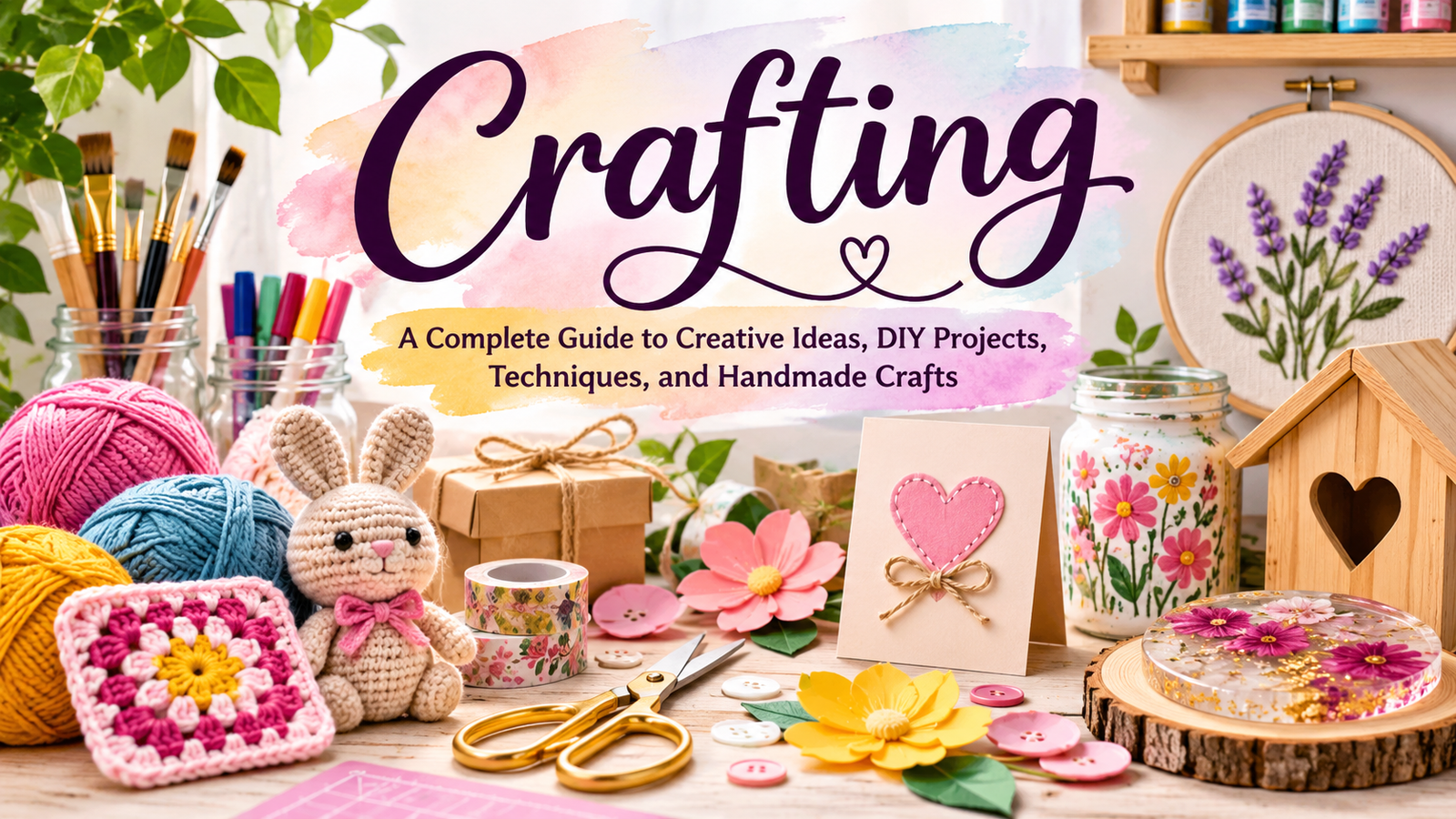
Crafting: A Complete Guide to Creative Ideas, DIY Projects, Techniques, and Handmade Crafts
Crafting is a creative activity that allows people to transform ordinary materials into beautiful, useful, and meaningful handmade products. From simple paper decorations and handmade greeting cards to crochet patterns, wooden furniture, jewelry, and home accessories, there are countless ways to explore creativity. People of different ages and skill levels enjoy making things with their hands because it provides an opportunity to express personal ideas while learning practical skills. Whether someone wants to create decorations for their home, prepare personalized gifts, or develop a new hobby, crafting offers a rewarding way to turn imagination into something tangible Esucation
The popularity of creative hobbies has increased as more people look for enjoyable activities that do not depend entirely on digital entertainment. Online tutorials, printable patterns, craft communities, and video demonstrations have made it easier to learn different techniques from home. Beginners can start with inexpensive supplies and gradually explore more advanced projects as their confidence improves. From traditional handmade techniques to modern digital designs, this creative world offers opportunities for personal enjoyment, skill development, and even small business growth.
What Is Crafting?
Crafting refers to the process of creating decorative, practical, or artistic objects by using different materials, tools, and techniques. These activities can involve cutting, folding, stitching, painting, shaping, assembling, or decorating materials to produce something original. Common examples include making greeting cards, sewing clothes, crocheting blankets, designing jewelry, painting pictures, and building wooden decorations. Some projects require only basic household materials, while others involve specialized equipment and detailed instructions.
Unlike mass-produced products, handmade creations often reflect the personal choices and imagination of the individual who makes them. Each finished item can have its own appearance, texture, colors, and details. Some people enjoy following established patterns, while others prefer experimenting with original designs. The activity can be as simple as decorating a notebook or as technically demanding as producing detailed embroidery or handmade furniture.
The Meaning and History of Crafting
Handmade production has been part of human life for thousands of years. Early communities created pottery, baskets, clothing, tools, jewelry, and household objects using materials available in their surroundings. These traditional skills were passed between generations and developed according to local cultures, resources, and practical needs. Over time, different communities established distinctive techniques for weaving, carving, decorating, sewing, and shaping materials.
Modern creative activities have expanded these traditional practices through new materials, equipment, and digital resources. While many people continue to use techniques that have existed for centuries, others experiment with resin, synthetic fabrics, cutting machines, and computer-assisted designs. This combination of traditional knowledge and modern innovation has made handmade creativity accessible to a much wider audience.
Why People Enjoy Making Handmade Products
One reason people enjoy creative hobbies is the freedom to produce something according to their own preferences. A person can select colors, materials, sizes, and decorative details without following the limitations of commercially manufactured products. Making something personally meaningful can also provide satisfaction that comes from completing a project through individual effort.
Creative activities can also encourage patience, concentration, and problem-solving. Completing a complicated pattern or learning a new technique requires attention and practice. People often discover that their abilities improve as they work on different projects. This gradual progress makes creative hobbies enjoyable for beginners and experienced makers alike.
Traditional and Modern Creative Techniques
Traditional techniques include hand weaving, embroidery, knitting, pottery, wood carving, basket making, and hand sewing. These methods often rely on practical experience and carefully developed skills. Many traditional techniques remain popular because they produce distinctive textures and designs that are difficult to reproduce using ordinary manufacturing methods.
Modern techniques include digital illustration, laser cutting, computer-assisted embroidery, resin casting, and electronic cutting machines. These technologies allow creators to experiment with complex patterns and personalized designs. Combining traditional and modern approaches can also produce unique results, such as digitally designed patterns that are completed using traditional stitching or woodworking methods.
What Are the Different Types of Crafting?
There are numerous creative disciplines, each offering different materials, techniques, and opportunities. Some focus on producing decorative objects, while others concentrate on clothing, accessories, household products, or artistic pieces. Understanding these categories can help beginners choose activities that match their interests, available space, and budget.
People do not need to specialize in just one area. Someone interested in fabric projects might also enjoy paper decorations or handmade jewelry. Exploring different techniques can help creators discover new interests and develop a broader understanding of materials and design.
Paper Crafting
Paper-based projects are among the most accessible activities for beginners because many designs require inexpensive and widely available materials. Common projects include origami, scrapbooking, handmade greeting cards, paper flowers, gift boxes, bookmarks, and decorative wall art. Different paper weights, textures, colors, and patterns can produce completely different results.
Origami focuses on transforming flat sheets into three-dimensional shapes through folding. Scrapbooking combines photographs, decorative paper, stickers, and written memories to create personalized albums. Card making and paper flowers are popular for birthdays, weddings, holidays, and other special occasions. These activities can be enjoyed individually or as group projects.
Fabric and Textile Crafting
Fabric-based activities involve working with cloth, thread, needles, and other textile materials to create useful or decorative products. Sewing, embroidery, quilting, fabric painting, patchwork, and applique are common examples. Projects range from simple cushion covers and reusable shopping bags to detailed clothing and decorative textile artwork.
The choice of fabric is important because different materials have different textures, thicknesses, and levels of flexibility. Cotton is commonly used for beginner projects, while linen, denim, fleece, and specialized fabrics are selected for particular purposes. Learning basic stitching and measuring techniques can help beginners produce cleaner and more reliable results.
Crochet and Knitting
Crochet and knitting are popular yarn-based activities that transform strands of yarn into fabric and decorative objects. Crochet usually uses a single hook, while knitting commonly uses two needles or a circular needle. Both techniques can produce clothing, blankets, scarves, toys, bags, and home accessories.
Beginners often start with simple stitches and small projects before attempting more detailed patterns. Crochet projects may include granny squares, amigurumi toys, coasters, and decorative ornaments. Knitting projects often include scarves, hats, sweaters, and blankets. Yarn thickness, fiber type, hook or needle size, and tension all influence the final appearance.
Jewelry Making
Jewelry making allows people to create personalized accessories using beads, metal components, wire, gemstones, polymer clay, and other decorative materials. Common projects include bracelets, necklaces, earrings, rings, pendants, and keychain accessories. Designs can be minimal and simple or highly detailed, depending on the creator’s preferences.
Beading is a convenient starting point because it usually requires only a small selection of materials and basic tools. Wire wrapping introduces techniques for shaping and connecting metal wire around decorative stones. Polymer clay allows creators to form colorful shapes before hardening them according to the manufacturer’s instructions. These techniques also offer opportunities for creating products to sell.
Woodworking and Wood Crafts
Woodworking involves shaping, joining, carving, and finishing wood to create practical or decorative objects. Popular projects include shelves, picture frames, wooden signs, small furniture, storage boxes, planters, and decorative ornaments. Some activities require advanced equipment, while simple projects can be completed with basic hand tools.
Wood selection affects the strength, appearance, and durability of the finished product. Softwoods are often easier for beginners to cut and shape, while hardwoods are selected for projects requiring particular strength or appearance. Measuring accurately, sanding rough surfaces, and applying appropriate finishes are important parts of the process.
Painting and Drawing
Painting and drawing provide opportunities to explore color, shape, texture, and artistic expression. Common materials include pencils, markers, watercolor paints, acrylic paints, brushes, canvas, and specialized drawing paper. Beginners can start with simple sketches and gradually experiment with more complex subjects.
Watercolor is known for its transparent appearance and fluid effects, while acrylic paint generally offers stronger coverage and faster drying. Canvas painting is popular for decorative artwork, and pencil drawing provides a useful foundation for understanding proportions and shading. Regular practice can help artists improve their control and develop a recognizable style.
Clay and Pottery Projects
Clay-based activities involve shaping soft materials into decorative or functional objects. Common projects include small bowls, ornaments, jewelry, miniature figures, plant decorations, and personalized home accessories. Air-dry clay is particularly convenient for home projects because many products can harden without a traditional pottery kiln.
Polymer clay is another popular material used for jewelry, miniature decorations, and colorful accessories. Traditional pottery generally requires additional equipment, including suitable clay, shaping tools, and firing facilities. Beginners should understand the drying and curing instructions for their selected material before starting a project.
Resin Crafting
Resin crafting uses liquid resin systems to produce solid decorative objects after the material has been properly mixed and cured. Popular projects include coasters, keychains, jewelry, trays, bookmarks, and decorative artwork. Creators can incorporate suitable pigments, molds, and decorative inclusions to achieve different appearances.
Working with resin requires careful attention to product instructions and safety precautions. Appropriate ventilation, protective equipment, correct mixing ratios, and recommended curing conditions are essential. Beginners should select products intended for their particular project and avoid experimenting with materials without understanding their safety requirements.
Digital Crafting
Digital creative work combines design software, digital illustrations, printable templates, and specialized machines to produce personalized projects. Common examples include Cricut designs, Silhouette cutting projects, SVG files, printable planners, digital stickers, and customized labels.
These methods can support both personal hobbies and commercial activities. A creator might design a digital pattern and then use a cutting machine to produce physical decorations. Others create printable templates that customers can download and use at home. Digital techniques have expanded the possibilities for personalized handmade products.
Easy Crafting Ideas for Beginners
Starting with small and manageable projects is a practical way to develop confidence. Beginners do not need an expensive collection of tools or professional equipment. A few basic materials, clear instructions, and enough time to practice can be sufficient for completing many attractive projects.
Choosing an activity that matches personal interests can also make learning more enjoyable. Someone who enjoys decorating might prefer paper flowers or wall art, while a person interested in clothing may find basic sewing more rewarding. The most useful starting project is one that offers a reasonable challenge without requiring advanced skills.
Simple DIY Paper Projects
Paper flowers, bookmarks, greeting cards, and decorative gift boxes are suitable introductory activities. These projects allow beginners to practice measuring, folding, cutting, and assembling materials. Different colors and textures can be combined to create personalized designs without purchasing specialized supplies.
Handmade greeting cards are particularly useful because they can be customized for different occasions. Adding simple drawings, paper shapes, ribbons, and written messages can make an ordinary card more personal. Beginners can experiment with different layouts before attempting more complicated decorative arrangements.
Easy Handmade Home Decorations
Small decorative projects can make a living space feel more personal. Examples include decorated picture frames, handmade wall hangings, painted flowerpots, fabric cushions, and simple table decorations. Many of these projects can be completed with affordable materials and basic tools.
Repurposing existing household objects can also reduce expenses. An old glass jar can become a decorative storage container, while leftover fabric can be transformed into small decorative accessories. The most important consideration is selecting suitable materials and preparing the surfaces properly before decorating.
Beginner Crochet Projects
Crochet beginners can start with basic stitches and small projects such as coasters, dishcloths, simple flowers, and granny squares. These items allow learners to understand yarn tension, hook movement, and stitch formation without managing a large project.
Following a beginner-friendly pattern can make the learning process easier. Written instructions, photographs, and video demonstrations are useful because they explain different stages of the project. Repeating simple patterns helps improve consistency before moving to more complicated designs.
Simple Sewing Projects
Basic sewing projects can include fabric bookmarks, cushion covers, reusable bags, and simple pouches. These activities introduce measuring, cutting, pinning, and joining fabric pieces. Beginners can start with straightforward designs before experimenting with clothing patterns or detailed decorative stitching.
A basic sewing kit usually includes fabric scissors, measuring tape, needles, thread, pins, and suitable fabric. A sewing machine can make some projects faster, but hand sewing is sufficient for many small items. Careful measurements and straight seams help produce more professional-looking results.
DIY Jewelry for Beginners
Bracelets and simple necklaces are accessible projects for people interested in accessories. Beads, elastic cord, clasps, and decorative charms can be combined to create personalized designs. Beginners can experiment with different color combinations and arrangements before attempting more advanced wirework.
Jewelry projects are also useful for developing an understanding of proportions and design balance. Selecting compatible materials and checking the strength of connections can improve durability. Small handmade accessories can also become thoughtful gifts for friends and family.
Crafting Ideas for Kids
Creative activities can give children opportunities to explore colors, shapes, textures, and different materials. Projects designed for younger participants should be appropriate for their ages and abilities. Simple instructions and manageable steps help children remain interested while allowing them to enjoy the process of making something independently.
Craft activities can also complement classroom learning and family activities. Parents and teachers can introduce projects that encourage imagination, observation, and practical problem-solving. Adult supervision is important whenever scissors, adhesives, small components, hot tools, or other potentially hazardous materials are involved.
Preschool Creative Activities
Preschool projects often involve large paper shapes, washable paints, stickers, and safe modeling materials. Children can create simple animals, colorful flowers, paper collages, and seasonal decorations. These activities encourage exploration without requiring precise measurements or complicated techniques.
Using different textures can make projects more interesting. Children may combine soft fabric, textured paper, and large decorative shapes to create pictures. Materials should be selected carefully to avoid choking hazards and other risks for younger children.
Educational Paper Crafts
Paper-based educational activities can help children understand letters, numbers, shapes, and basic concepts. Handmade alphabet cards, counting boards, paper clocks, and simple puzzles combine creative work with learning objectives.
Teachers can adapt these projects to different age groups. Younger children may enjoy coloring and arranging large shapes, while older children can follow instructions to assemble more complicated models. Finished projects can also be displayed in classrooms to celebrate individual creativity.
Nature-Inspired Craft Projects
Leaves, flowers, stones, and other suitable natural materials can provide inspiration for creative activities. Children can use fallen leaves to make collages, decorate picture frames with suitable natural materials, or create simple nature-themed artwork.
These projects can encourage an interest in the natural environment. It is important to collect materials responsibly and avoid removing protected plants or disturbing wildlife. Natural objects should also be cleaned and prepared appropriately before use.
Recycled Crafts for Children
Recycled materials can be transformed into decorative and educational objects. Clean cardboard boxes, paper rolls, suitable plastic containers, and leftover paper can become toy houses, pencil holders, miniature vehicles, and decorative models.
These activities help children understand how everyday materials can be reused instead of immediately discarded. Parents should inspect all materials before use and remove sharp edges, small loose components, or unsuitable packaging. The finished project can also introduce a simple conversation about reducing waste.
Crafting Ideas for Adults
Adults often explore creative hobbies for relaxation, personal expression, home decoration, and practical skill development. Some prefer activities that can be completed in a short period, while others enjoy detailed projects that develop over several days or weeks. The flexibility of handmade activities makes them suitable for different interests and schedules.
A well-chosen project can also provide an opportunity to learn something new without requiring a major commitment. People can begin with inexpensive supplies and gradually invest in better equipment as their interests develop. Choosing projects according to available time and workspace can make the hobby easier to maintain.
Relaxing and Creative Hobbies
Activities such as crochet, knitting, painting, embroidery, and adult coloring provide opportunities to focus on a single creative task. Many people enjoy the repetitive movements involved in these activities because they offer a break from everyday responsibilities and digital distractions.
The experience varies from person to person, and creative hobbies should not be treated as a replacement for professional mental health care. However, enjoyable activities can provide a meaningful way to spend leisure time and develop new interests.
DIY Home Decoration Projects
Adults can personalize their homes through handmade cushions, decorative trays, wall hangings, painted furniture, and seasonal ornaments. These projects allow creators to select colors and materials that complement existing interiors.
Planning the dimensions and appearance before purchasing supplies can help prevent unnecessary expenses. It is also useful to consider durability, cleaning requirements, and the intended location of each finished object. Practical planning helps decorative projects remain attractive and functional.
Handmade Gifts for Special Occasions
Personalized gifts can communicate thoughtfulness because they reflect the recipient’s interests and preferences. Handmade photo frames, crochet accessories, customized mugs, decorative boxes, and jewelry are popular examples.
The design can be adapted for birthdays, weddings, anniversaries, holidays, and other celebrations. Choosing suitable materials and allowing enough time for completion are important, particularly when a gift needs to be prepared for a specific date.
Seasonal and Holiday Crafting Ideas
Seasonal projects allow people to explore new colors, themes, and decorative styles throughout the year. They can also provide opportunities to prepare personalized gifts and decorations for family celebrations. Many creators enjoy returning to familiar seasonal activities while introducing new designs each year.
Planning seasonal projects in advance can help reduce last-minute pressure. It also provides time to purchase supplies, prepare templates, and complete more complicated decorations. Different holidays offer opportunities to experiment with paper, fabric, yarn, wood, clay, and other materials.
Christmas Crafting Ideas
Christmas projects often include handmade ornaments, crochet decorations, wreaths, gift tags, stockings, and festive table accessories. Popular designs feature snowflakes, stars, Christmas trees, reindeer, snowmen, and Santa-inspired decorations.
Crochet ornaments and personalized gift accessories are especially useful because they can be made in different colors and sizes. Handmade decorations can also become part of family traditions, with new pieces added to a collection every year.
Halloween Crafting Ideas
Halloween activities commonly involve pumpkins, ghosts, bats, spiders, and spooky decorative characters. Paper lanterns, fabric decorations, crochet ghosts, painted pumpkins, and handmade costume accessories are popular project ideas.
Children can participate in age-appropriate activities such as decorating paper pumpkins or creating simple character masks. Adults may prefer more detailed decorations involving sewing, painting, clay, or other specialized techniques.
Easter Crafting Ideas
Easter projects often use pastel colors, floral patterns, rabbits, eggs, and spring-inspired decorations. Handmade baskets, painted eggs, paper flowers, crochet rabbits, and decorative table accessories are common examples.
These projects can be adapted for family activities and seasonal home decoration. Reusable materials are particularly useful because finished decorations can be stored and displayed again in future years.
Thanksgiving and Valentine’s Day Crafts
Thanksgiving decorations often include autumn leaves, pumpkins, harvest-inspired arrangements, and personalized table accessories. Handmade place cards, decorative wreaths, and seasonal centerpieces can help create a welcoming atmosphere.
Valentine’s Day projects commonly feature hearts, flowers, greeting cards, and personalized gifts. Paper decorations, crochet hearts, handmade jewelry, and gift boxes are popular choices for creating thoughtful items without relying entirely on commercially manufactured products.
Essential Crafting Tools and Materials
The materials and equipment required depend on the selected activity. Paper projects need different supplies from sewing, woodworking, painting, or resin work. Understanding the requirements of a project before purchasing anything helps beginners avoid unnecessary expenses and select suitable materials.
A basic collection of tools can support many introductory activities. As experience increases, creators can add specialized equipment for particular techniques. Quality, durability, safety, and compatibility should all be considered when choosing supplies.
Basic Tools for Creative Projects
Common tools include scissors, measuring tapes, rulers, pencils, cutting mats, craft knives, adhesives, and storage containers. These items support measuring, cutting, assembling, and organizing materials across many different project types.
Some tools are designed for specific activities. Crochet hooks and knitting needles are used for yarn projects, while paintbrushes and palettes support painting. Selecting equipment according to the material and technique helps improve accuracy and reduce waste.
Paper, Cardboard, and Decorative Supplies
Paper materials are available in different weights, finishes, colors, and textures. Cardstock is useful for greeting cards and structured decorations, while lightweight paper is suitable for folding and some decorative applications.
Other useful supplies include stickers, ribbons, decorative tape, stamps, envelopes, and embellishments. Choosing compatible materials can improve the appearance and durability of finished projects. Storage in a dry environment also helps prevent paper from becoming damaged.
Fabric, Yarn, and Thread
Fabric, yarn, and thread are essential materials for textile-based projects. Cotton fabric is commonly used for sewing, while wool and acrylic yarn are popular choices for knitting and crochet. Thread selection should match the fabric, stitching method, and intended use.
Material labels can provide useful information about fiber content, washing instructions, thickness, and recommended equipment. Checking these details before starting helps prevent problems during construction and finishing.
Paints, Brushes, and Adhesives
Paints are available in different formulations, including acrylic, watercolor, fabric paint, and specialized decorative coatings. Each type has different application methods, drying times, and surface requirements.
Adhesives also vary according to their intended use. Paper glue, fabric adhesive, wood glue, and other products should be selected according to the materials being joined. Reading manufacturer instructions is important for achieving reliable results.
How to Start Crafting at Home
Starting a creative hobby at home does not require a professional studio. A small, organized workspace with enough room for the selected activity can be sufficient. Beginners should focus on learning basic techniques and completing manageable projects rather than purchasing every available tool.
It is helpful to identify the type of project that seems most interesting before buying supplies. A person interested in crochet will need different materials from someone planning to paint or make jewelry. Beginning with one activity makes it easier to understand its requirements and build confidence.
Choosing the Right Hobby
Personal interests, available time, budget, and workspace are useful considerations when selecting a hobby. Someone who enjoys working with fabric may prefer sewing or embroidery, while a person interested in decorative objects might explore clay or paper projects.
It is also worth considering how much space and equipment an activity requires. Painting may need a suitable surface and storage area, while small jewelry projects can often be completed on a compact table. Selecting a practical starting point makes it easier to develop a regular creative routine.
Setting Up a Crafting Workspace
A comfortable workspace should provide enough lighting, a stable surface, and suitable storage for materials. Frequently used tools should be easy to reach, while potentially hazardous equipment should be stored safely.
Small storage boxes, labeled containers, shelves, and organizers can help keep supplies accessible. A clean working surface also makes it easier to measure, cut, assemble, and inspect materials. The workspace should be adapted to the type of activity being performed.
Learning Through Tutorials and Practice
Beginner tutorials can explain techniques that may be difficult to understand through written instructions alone. Photographs, diagrams, videos, and printable patterns can show how different steps fit together.
Practice is essential because many creative techniques require coordination and repetition. Early attempts may not look perfect, but reviewing mistakes and repeating difficult steps can gradually improve results. Choosing projects with clear instructions can make this process less frustrating.
Popular Crafting Techniques and Skills
Learning individual techniques helps creators understand how materials behave and how different results can be achieved. Some skills are useful across multiple disciplines, while others are specific to a particular activity. Developing a strong foundation can make advanced projects easier to understand.
Many creators learn through experimentation rather than relying exclusively on formal instruction. Trying different materials, tools, and methods can reveal new possibilities. However, following appropriate safety instructions remains essential when working with specialized equipment or chemicals.
Cutting, Folding, and Assembly
Cutting and folding are fundamental techniques used in paper, fabric, and many decorative projects. Accurate measurements and clean edges help finished objects maintain their intended shape.
Assembly involves connecting separate pieces using suitable adhesives, stitches, fasteners, or joining methods. The correct approach depends on the materials and the amount of strength required. Practicing on spare materials can help beginners understand how different techniques work.
Sewing, Stitching, and Embroidery
Sewing connects fabric pieces through stitches, while embroidery adds decorative thread designs to an existing surface. Both techniques require an understanding of thread tension, needle selection, and material compatibility.
Simple straight stitches provide a useful starting point for beginners. More advanced projects may involve decorative stitches, patterns, seams, and detailed fabric construction. Regular practice can improve control and consistency.
Painting and Decorative Finishing
Painting techniques include blending, layering, dry brushing, stippling, and creating texture. Different surfaces may require specific preparation methods to improve paint adhesion and appearance.
Finishing techniques can also protect or improve the final result. Depending on the material, these may include sealing, sanding, polishing, varnishing, or adding protective coatings. Product compatibility should always be checked before applying a finish.
Budget-Friendly and Sustainable Crafting
Creative hobbies can be affordable when projects are planned carefully and materials are purchased according to actual requirements. Beginners do not need premium equipment for every activity. Starting with basic tools and using leftover materials can make experimentation more accessible.
Sustainable practices can also reduce unnecessary waste. Reusing suitable materials, repairing existing objects, and selecting durable supplies are practical ways to make creative activities more environmentally conscious.
Low-Cost Handmade Projects
Simple paper decorations, fabric bookmarks, basic crochet accessories, and handmade greeting cards can often be completed with relatively inexpensive supplies. These projects allow beginners to practice different skills without making a large financial commitment.
Before purchasing materials, it is useful to check what is already available at home. Leftover yarn, unused buttons, cardboard packaging, and fabric scraps may be suitable for certain projects. Using existing supplies can also encourage more imaginative designs.
Upcycling Everyday Household Items
Upcycling involves transforming existing objects into something useful or decorative. Glass jars can become storage containers, old fabric can be turned into accessories, and suitable wooden items can be refinished or repurposed.
The original condition of an object should be assessed before starting. Materials must be clean and safe for their intended purpose, and unsuitable containers or damaged objects should not be reused. Good preparation helps produce a better result.
Eco-Friendly Materials and Practices
Environmentally conscious creators may prefer recycled paper, responsibly sourced wood, reusable tools, and suitable natural fibers. Durable materials can reduce the need to replace finished objects frequently.
Waste reduction can also involve planning measurements carefully and storing leftover supplies for future projects. Reusing offcuts and avoiding unnecessary packaging are small practices that can make creative work more sustainable.
How to Turn Crafting Into a Business
Creative skills can develop into a small business when handmade products meet the needs and interests of potential customers. Popular product categories include crochet patterns, personalized gifts, jewelry, home decorations, printable templates, and seasonal ornaments.
Starting a business requires more than producing attractive items. Creators need to understand material costs, production time, pricing, product photography, customer service, and marketing. A clear product identity and consistent quality can help build customer confidence.
Choosing Handmade Products to Sell
The first step is selecting products that can be produced consistently and appeal to a particular audience. Some sellers focus on personalized gifts, while others specialize in home accessories, clothing, decorative ornaments, or digital craft patterns.
Researching existing marketplaces can help identify customer interests and product presentation standards. However, a business should offer original designs and accurate product information rather than copying another creator’s work. Understanding copyright and intellectual property rules is particularly important when selling patterns and digital downloads.
Calculating Costs and Pricing Products
Pricing should account for materials, packaging, labor, marketplace fees, and other business expenses. Ignoring production time can make a handmade product appear profitable when the actual return is very low.
A useful starting point is to calculate the total cost of producing one item and then consider a suitable profit margin. Prices should also reflect product quality, complexity, customization, and customer demand. Reviewing costs regularly helps businesses adjust to changing material prices.
Selling Handmade Products Online
Online marketplaces and independent websites allow creators to reach customers beyond their local communities. Platforms such as Etsy can support sellers offering handmade products, original digital designs, and eligible craft supplies.
Clear product descriptions, accurate photographs, useful sizing information, and relevant search terms can improve the shopping experience. Sellers should explain whether an item is physical or digital, provide realistic delivery expectations, and respond professionally to customer questions.
Crafting Tips for Better Results
Good results usually come from careful preparation, appropriate materials, and consistent technique. Beginners sometimes rush into a project without reviewing instructions or checking whether they have everything required. Spending a little time planning can prevent unnecessary mistakes and wasted supplies.
Experienced creators also benefit from reviewing their methods and trying new approaches. Even a familiar technique can produce different results when materials, tools, or designs change. Learning from each completed project is an important part of developing creative ability.
Selecting Quality Materials
Materials influence the appearance, strength, and lifespan of handmade products. Choosing supplies that are appropriate for the project can prevent problems such as weak connections, color transfer, uneven surfaces, or unwanted shrinkage.
The most expensive material is not always necessary. Beginners should focus on suitability, compatibility, and reliable performance. Reading product labels and instructions can help identify the correct supplies for a particular technique.
Planning Before Starting a Project
A project plan should explain the intended design, required materials, measurements, and important construction steps. Having a clear idea of the finished product makes it easier to organize the work.
For more complicated designs, creating a sample or testing the technique on spare material can be helpful. This allows mistakes to be corrected before valuable supplies are used. Planning also makes it easier to estimate the time needed for completion.
Avoiding Common Mistakes
Common problems include inaccurate measurements, unsuitable materials, weak joining methods, and poor preparation. These issues can affect the appearance and durability of the finished product.
Following instructions carefully and checking work at different stages can reduce these mistakes. If something goes wrong, identifying the cause is more useful than immediately starting again. Small corrections can often save both time and materials.
Common Crafting Mistakes and How to Avoid Them
Learning a new creative skill involves experimentation, and mistakes are a normal part of the process. However, certain problems can be avoided through better preparation and realistic project selection. Understanding common difficulties can make the experience more enjoyable, particularly for beginners.
The most effective approach is to treat each project as an opportunity to improve. Reviewing completed work, checking material compatibility, and adjusting techniques can help creators achieve more consistent results over time.
Buying Too Many Supplies
Beginners sometimes purchase large quantities of materials before understanding what a project actually requires. This can increase expenses and leave unused supplies that may never be needed.
Starting with a small project-specific collection is usually more practical. Additional equipment can be purchased when a particular technique or project genuinely requires it.
Choosing Projects Beyond Your Skill Level
Complicated designs can become frustrating when they require techniques that a beginner has not yet learned. Starting with simpler alternatives allows people to understand the basics before attempting advanced work.
Skill development should be gradual rather than rushed. Completing several small projects can build the confidence needed to manage larger and more detailed creations.
Ignoring Measurements and Instructions
Incorrect measurements can affect the size, shape, and fit of a finished item. This is especially important in sewing, woodworking, crochet, and projects involving multiple connected components.
Reading instructions before starting and checking measurements during the process can prevent avoidable errors. Keeping a record of adjustments can also help when repeating a successful design.
Frequently Asked Questions About Crafting
What Are the Easiest Crafts for Beginners?
Paper flowers, greeting cards, simple crochet coasters, fabric bookmarks, and bead bracelets are suitable starting projects. They generally require basic supplies and provide opportunities to practice fundamental techniques.
What Are the Most Popular Types of Crafting?
Popular categories include paper crafting, crochet, knitting, sewing, embroidery, jewelry making, painting, woodworking, and resin projects. Individual interests and seasonal trends influence which activities people choose.
What Materials Do You Need to Start Crafting?
The required materials depend on the selected activity. Basic supplies may include scissors, glue, paper, fabric, yarn, thread, paint, measuring tools, and suitable storage containers.
Is Crafting an Expensive Hobby?
Crafting does not have to be expensive. Many beginner projects use affordable household materials, recycled supplies, or inexpensive starter kits. Costs increase when projects require specialized equipment or premium materials.
What Crafts Can You Make at Home?
People can make greeting cards, crochet decorations, handmade jewelry, painted flowerpots, fabric accessories, paper flowers, storage containers, and personalized gifts at home.
Which Crafting Skills Are Easy to Learn?
Basic paper folding, simple stitching, beginner crochet stitches, bead arrangement, and straightforward painting techniques are useful starting skills. Regular practice helps improve accuracy and confidence.
Can You Make Money From Crafting?
Yes, people can earn money by selling handmade products, original patterns, customized gifts, and eligible digital craft downloads. Profit depends on product demand, pricing, production costs, and marketing.
What Are the Best Crafts to Sell Online?
Popular options include crochet patterns, personalized accessories, handmade jewelry, seasonal decorations, printable templates, and home decor. Originality, product quality, and effective presentation are important for online sales.
How Can You Find Free Crafting Patterns?
Free patterns and tutorials are available through craft blogs, educational websites, creator channels, and online communities. Always review the usage permissions because free access does not automatically provide commercial selling rights.
What Is the Difference Between DIY and Crafting?
DIY generally refers to making, repairing, or improving something independently, while crafting focuses more specifically on creating handmade objects through artistic or practical techniques. The two activities overlap in many projects.
Conclusion
Crafting offers an extensive range of creative opportunities, from simple paper decorations to advanced textile projects, handmade jewelry, woodworking, and digital designs. People can choose activities according to their interests, experience, available materials, and budgets. Beginners can start with small projects and gradually explore more demanding techniques as their confidence develops. Understanding materials, learning basic skills, and following appropriate instructions can make the process easier and more rewarding.
Beyond personal enjoyment, creative activities can also support practical learning, personalized gift making, home decoration, and small business development. Sustainable material choices and careful project planning can make these hobbies more affordable and environmentally responsible. Whether someone wants to learn crochet, create beautiful decorations, experiment with painting, or sell original handmade products, there are many ways to turn creative ideas into meaningful results.