Tokyo Adventure: 25+ Unforgettable Experiences, Thrilling Activities and Hidden Gems
What if one trip could take you from neon-lit streets and futuristic entertainment to peaceful mountain trails, traditional temples, thrilling rides, and unforgettable Japanese food? Tokyo offers exactly this contrast, making it one of the most versatile destinations for travellers who want more than a conventional city holiday. A Tokyo adventure combines exciting urban experiences, outdoor exploration, Japanese culture, food discoveries, and memorable day trips into one flexible travel experience. Whether you are a first-time visitor, a solo traveller, a couple, a family, or an experienced explorer, you can build a Tokyo itinerary around your budget, interests, fitness level, and appetite for excitement Tokyo Customs
What Counts as a Tokyo Adventure?
A Tokyo adventure does not have to involve extreme sports, expensive tickets, or a physically demanding expedition. It can mean discovering a tiny restaurant in an unfamiliar neighbourhood, hiking through a cedar forest, trying a new activity, or exploring the city after dark.
A useful way to plan is to divide Tokyo adventures into five categories.
Urban Adventures
Explore Shibuya, Shinjuku, Akihabara, Shimokitazawa, and the city’s energetic shopping and entertainment districts. These experiences suit travellers who enjoy crowds, nightlife, architecture, and discovering unexpected places.
Outdoor Adventures
Walk mountain trails, cycle beside rivers, explore caves, camp in the countryside, or try guided water activities. Western Tokyo offers a striking contrast to the central city.
Immersive and Futuristic Adventures
Discover interactive digital art, observation decks, unusual museums, themed attractions, and experiences that combine technology with entertainment.
Cultural and Food Adventures
Join a cooking workshop, explore traditional shopping streets, visit a local festival, or taste regional Japanese dishes. These experiences reveal a side of Tokyo that major attractions can miss.
Day-Trip Adventures
Travel beyond the busiest districts to mountains, river valleys, islands, and outdoor recreation areas. These trips are especially worthwhile if you have already explored central Tokyo.
The best Tokyo adventure itinerary usually combines at least two or three of these categories. That balance prevents the trip from becoming a succession of similar attractions and gives you a fuller sense of the destination.
Best Tokyo Adventure Activities for Thrill Seekers
Experience Tokyo from a High Observation Deck
Seeing Tokyo from above is an exciting introduction to the city’s immense scale. From an observation deck, you can look across a seemingly endless collection of buildings, roads, railway lines, and distant hills.
Shibuya Sky is a popular choice for panoramic city views, particularly around sunset. Other observation experiences around Tokyo offer different perspectives, so compare location, height, indoor or outdoor access, and ticket conditions.
How to make it more adventurous:
- Visit near sunset to watch the city change from daylight to illuminated streets.
- Identify neighbourhoods you want to explore from the skyline.
- Plan your next stop around the district below rather than travelling across the city immediately.
- Check weather conditions and visibility before paying for a timed ticket.
Best for: Couples, photographers, first-time visitors, and travellers who enjoy impressive city views.
Planning note: Outdoor observation areas can close or restrict access because of weather. Reserve a suitable time only after checking the current admission rules.
Explore Tokyo’s Immersive Digital Art
Tokyo is a strong destination for interactive art and technology-driven entertainment. An immersive digital art museum can turn a conventional sightseeing day into an experience built around light, movement, sound, and changing environments.
teamLab Borderless is one prominent example. Its artworks flow between spaces rather than being presented solely as conventional objects in a fixed gallery.
This experience works especially well for travellers who want something visually memorable without spending an entire day outdoors.
Tips for visiting:
- Check the current ticket schedule and entry requirements.
- Allow time to explore instead of treating it as a quick photo stop.
- Wear comfortable shoes because you may be standing or walking for an extended period.
- Follow the venue’s photography and visitor rules.
- Consider pairing the visit with nearby cafés or neighbourhood exploration.
Best for: Art lovers, technology enthusiasts, couples, and visitors seeking a weather-independent activity.
Try a Guided Karting Experience—Only Where Legal and Appropriate
Street go-kart tours are sometimes marketed to international visitors as a way to experience Tokyo’s roads. They can attract travellers looking for an unusual city activity, but they require careful research.
These tours involve public-road traffic, not a closed racing circuit. Local driving laws, vehicle requirements, insurance, licence recognition, tour restrictions, and road conditions all matter.
Before booking, confirm that the operator is legitimate, that your licence and any required international driving permit meet Japanese requirements, and that the insurance covers the activity. Do not assume that an ordinary car licence alone is sufficient for every visitor or vehicle.
A safer alternative: Choose an established indoor karting venue, racing simulator, or supervised motorsport experience where the activity takes place in a controlled environment.
Best for: Travellers interested in motorsport, provided the activity is lawful, properly insured, and appropriate for their experience level.
Enjoy Tokyo’s Theme Parks Tokyo adventure
Theme parks offer a different kind of adventure, combining themed environments, rides, shows, food, and carefully designed attractions.
Tokyo DisneySea is particularly appealing to visitors who enjoy elaborate settings and immersive storytelling. Tokyo Disneyland is another option for classic Disney attractions. Outside central Tokyo, other parks and amusement destinations may offer roller coasters, seasonal entertainment, or water-based activities.
How to choose a park:
- Check which rides and attractions interest you most.
- Compare the journey time from your accommodation.
- Check age, height, and accessibility restrictions.
- Review ticket types, opening hours, and reservation requirements.
- Allow for queues, meals, and breaks.
A common mistake is to assume that a theme park can be comfortably combined with several major Tokyo attractions on the same day. In practice, a full park visit may use most of your available time.
Best for: Families, couples, groups of friends, and travellers who enjoy rides and immersive entertainment.
Discover Tokyo’s Nightlife After Dark Tokyo adventure
Tokyo after dark offers a completely different atmosphere from the city in the morning. Bright signs, restaurants, small bars, entertainment venues, and late-running crowds transform many districts.
Shinjuku is known for its busy entertainment areas and atmospheric lanes. Shibuya attracts visitors interested in contemporary nightlife, music, and late-evening dining. Smaller neighbourhoods can offer quieter cafés and intimate restaurants.
You do not need to visit a club to experience Tokyo at night. A walk through illuminated streets followed by a local meal can be just as memorable.
Practical safety advice:
- Check the last train time before going far from your accommodation.
- Confirm prices and entry conditions before entering bars or entertainment venues.
- Avoid unsolicited invitations from street touts, particularly where prices are unclear.
- Keep your phone charged and know your accommodation’s address.
- Respect residential streets and local noise rules.
Best for: Adults, photographers, food lovers, and travellers who enjoy exploring cities after sunset.
Explore Anime, Gaming, and Pop Culture Tokyo adventure
For fans of anime, manga, gaming, and Japanese pop culture, Akihabara can feel like an adventure through an enormous collection of specialist shops, arcades, merchandise stores, and themed venues.
Other districts have their own character. Ikebukuro is known for shopping and anime-related attractions, while Nakano offers a different mix of collectibles and specialist stores.
Make the most of your visit:
- Decide which series, games, or collectibles interest you.
- Set a spending limit before entering specialist shops.
- Compare prices before buying rare or second-hand items.
- Check whether products are new, used, region-specific, or sold without packaging.
- Leave time to explore side streets rather than visiting only the largest shops.
Best for: Anime fans, gamers, collectors, and visitors who want to explore contemporary Japanese culture.
Take a Japanese Cooking Class Tokyo adventure
Food can be one of the most rewarding forms of adventure because it combines learning, culture, and hands-on participation.
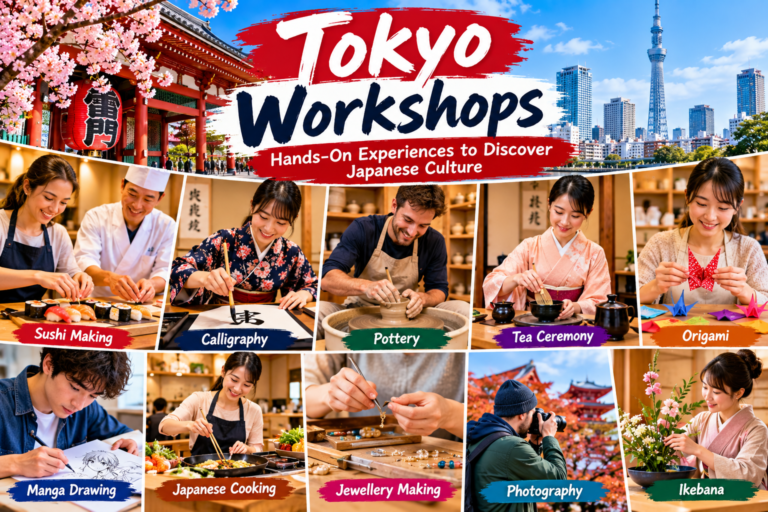
A Tokyo cooking class might focus on sushi preparation, ramen, Japanese home cooking, wagashi sweets, or regional dishes. The exact experience depends on the instructor and venue.
Rather than simply ordering a meal, you learn why particular ingredients are used, how techniques work, and how food fits into Japanese everyday life.
Before booking, ask about:
- Class language and duration.
- Whether ingredients and equipment are included.
- Vegetarian, allergy, or religious dietary accommodations.
- Whether you will prepare the food yourself.
- Cancellation terms and minimum participant numbers.
Best for: Food lovers, couples, families with older children, and travellers who value cultural learning.
The Best Outdoor Tokyo Adventures
Tokyo is not only a dense urban centre. Its wider metropolitan area includes mountains, rivers, forests, islands, and outdoor recreation areas. Activities in the region include hiking, cycling, camping, kayaking, rafting, canyoning, and cave exploration.
Hike Mount Takao Tokyo adventure
Mount Takao is one of the most accessible outdoor escapes from central Tokyo. The mountain rises to 599 metres and offers several trails, with a cable car and chairlift providing alternatives to walking the entire ascent.
It is a good choice for visitors who want a taste of Japanese mountain scenery without committing to a demanding multi-day trek.
What to expect:
- Forest trails and seasonal vegetation.
- Temple grounds and cultural points of interest.
- Viewpoints across the surrounding landscape.
- Food stops and visitor facilities along popular routes.
- Possible views towards Mount Fuji when the weather is clear.
Trail difficulty varies, so choose a route according to your fitness and available time. The most popular paths can be busy, especially during weekends and autumn foliage season.
Best time to go: Spring and autumn are popular, but weather and seasonal conditions vary. Arriving early on a weekday can help you avoid some of the crowds.
Adventure tip: Bring water, comfortable walking shoes, and an extra layer. Conditions at the summit can feel different from those in central Tokyo.
Discover Okutama’s Mountains and Rivers Tokyo adventure
Okutama is one of the strongest choices for travellers who want a more nature-focused Tokyo adventure. Its landscape includes mountain scenery, river valleys, caves, hiking opportunities, and outdoor recreation.
Depending on the season and operator, activities may include hiking, fishing, kayaking, canoeing, rafting, camping, and canyoning.
The area is particularly appealing because it offers a contrast to the crowded city centre. A day that begins with railway travel can lead to forest trails, riverside scenery, and a slower pace.
How to plan an Okutama day trip:
- Check train schedules and the return journey before leaving.
- Choose one principal activity rather than trying to fit in every attraction.
- Reserve guided outdoor activities when required.
- Check weather and water conditions.
- Bring suitable clothing and footwear.
- Leave enough time to return before the last practical train.
Travel times vary by service and destination within the area. Reaching Okutama Station does not mean every trail, cave, or activity is within walking distance.
Best for: Nature lovers, active travellers, hikers, and visitors who have several days in Tokyo.
Try Kayaking, Canoeing, or Stand-Up Paddleboarding Tokyo adventure
Tokyo’s waterways offer another perspective on the city. Depending on location and conditions, guided tours may allow visitors to paddle along calm urban waterways, explore waterfront scenery, or head towards river environments farther west.
Stand-up paddleboarding, or SUP, is another option offered by some operators.
Before booking:
- Check whether beginners are welcome.
- Confirm what equipment is included.
- Ask about swimming ability requirements.
- Review weather and cancellation policies.
- Wear the safety equipment provided.
- Follow the guide’s instructions and local waterway rules.
Do not assume that a calm-looking river is safe under all conditions. Currents, rainfall, water levels, boat traffic, and seasonal weather can change rapidly.
Best for: Couples, active groups, and travellers who want an outdoor experience without a long mountain hike.
Go Cycling Along Tokyo’s Waterfront or River Paths
Cycling is a useful way to explore areas that feel spread out on foot but do not require a full-day excursion by train.
Waterfront and river routes, including areas around the Sumida, Edogawa, Arakawa, and Tama rivers, can provide opportunities to explore the city by bicycle.
A cycling trip can combine riverside scenery, bridges, neighbourhood cafés, parks, and local shopping streets.
For a comfortable ride:
- Use a reputable rental service.
- Check the bicycle’s brakes, lights, and tyres.
- Wear a helmet where required and follow local rules.
- Use designated routes and obey traffic signals.
- Avoid busy roads if you are unfamiliar with cycling in Japan.
- Return the bicycle before the rental period ends.
Best for: Independent travellers, repeat visitors, and people who enjoy slower exploration.
Explore Nippara Limestone Cave Tokyo adventure
For a different kind of adventure, consider exploring Nippara Limestone Cave in the Okutama area. The cave provides an underground environment that contrasts with Tokyo’s bright streets and outdoor mountain scenery.
Cave visits can be an appealing option during hot weather, although the underground environment may be cool and damp.
Before you go:
- Confirm opening times and access conditions.
- Check the transport arrangements from the nearest station.
- Wear shoes with a good grip.
- Follow all marked routes and safety instructions.
- Allow enough time for the journey back to central Tokyo.
Best for: Curious travellers, families with suitable-age children, and visitors interested in geology and unusual landscapes.
Camp or Try Glamping Near Tokyo adventure
Camping creates a slower and more immersive outdoor adventure. Instead of returning to a city hotel every evening, you can spend time in a forested or riverside environment.
Traditional campsites suit travellers who enjoy organising their own equipment and meals. Glamping may provide furnished tents, beds, and other conveniences, depending on the property.
Choose traditional camping if you:
- Enjoy outdoor skills and self-sufficient travel.
- Have appropriate equipment.
- Want greater flexibility around meals and activities.
Choose glamping if you:
- Prefer a more comfortable setup.
- Do not want to transport bulky equipment.
- Want an overnight nature experience with less preparation.
Check seasonal availability, transport, fire rules, weather policies, and the facilities included in the booking.
Visit Tokyo’s Islands for a Bigger Adventure Tokyo adventure
Tokyo’s wider administrative area includes islands that offer hiking, marine activities, cycling, and coastal scenery. These trips can feel very different from an ordinary city holiday.
Island adventures require more planning than a visit to a central Tokyo neighbourhood. Ferry or flight schedules, weather, accommodation, and seasonal services can affect the trip.
If you have only two or three days in Tokyo, an island visit may be impractical. With more time, it can provide a memorable extension to your itinerary.
Best for: Repeat visitors, longer-stay travellers, and people seeking ocean scenery or more remote outdoor experiences.
Unique Tokyo Adventures Most Visitors Overlook
The most memorable travel experiences are not always the most famous ones. Some of Tokyo’s best adventures come from choosing a different time of day, exploring a quieter district, or taking part in a local activity instead of visiting another major landmark.
Explore Yanaka’s Traditional Streets Tokyo adventure
Yanaka offers a more relaxed atmosphere than Tokyo’s major commercial districts. Its traditional streets, small shops, local eateries, and neighbourhood temples make it a rewarding place to explore on foot.
Instead of following a strict sightseeing checklist, give yourself time to notice the details: a family-run shop, a seasonal sweet, a small shrine, or a café tucked away from the main street.
Adventure idea: Set aside half a day for a self-guided walking route. Start with a neighbourhood stroll, stop for a local snack, explore side streets, and finish with a relaxed meal.
Best for: Solo travellers, photographers, culture lovers, and anyone who wants a quieter Tokyo experience.
Discover Shimokitazawa’s Vintage Shops and Creative Culture Tokyo adventure
Shimokitazawa is popular with visitors interested in vintage fashion, independent shops, cafés, music, and creative neighbourhood culture.
It is particularly suitable for an unstructured afternoon. You can browse second-hand clothing, discover independent businesses, enjoy coffee, and explore streets that feel different from the major shopping areas.
How to make it an adventure:
- Look for clothing from Japanese labels.
- Compare second-hand prices and condition.
- Visit independent bookshops or music-related shops.
- Try a café you would not normally choose.
- Leave room in your luggage if you plan to shop.
If you enjoy finding unusual items rather than buying standard souvenirs, this district may be more rewarding than a conventional shopping centre.
Take a Late-Evening Walk Through Shinjuku’s Alleys Tokyo adventure
Shinjuku’s smaller restaurant alleys offer a glimpse of Tokyo’s intimate dining culture. Tiny establishments, lanterns, narrow walkways, and the smell of grilled food create a very different atmosphere from the district’s large commercial buildings.
Some restaurants have limited seating and may be busy during peak dining hours. Check menu prices before ordering and be considerate of neighbouring businesses when taking photographs.
A good approach: Choose a place with a clear menu, order a small dish, and enjoy the atmosphere rather than trying to visit as many restaurants as possible.
If you prefer a quieter evening, visit earlier or explore a less crowded neighbourhood.
Experience a Traditional Japanese Bathhouse Tokyo adventure
A sento is a public bathhouse, while an onsen is associated with naturally occurring hot spring water. Both can provide a restorative break after a long day of walking, although they are not interchangeable terms.
A bathhouse visit can also be a cultural learning experience. It introduces visitors to local bathing etiquette and a different rhythm of daily life.
Before visiting, check:
- Whether the facility accepts visitors with tattoos.
- Whether reservations are required.
- What towels and toiletries are provided.
- Whether separate bathing areas have specific rules.
- Whether children are permitted and under what conditions.
Follow the facility’s instructions carefully, including washing before entering communal bathing areas.
Best for: Travellers who enjoy cultural experiences, relaxation, and a slower pace after active sightseeing.
Visit a Local Festival or Seasonal Event Tokyo adventure
Seasonal festivals can make a Tokyo trip feel connected to the local calendar. Depending on when you visit, you may find traditional celebrations, summer festival stalls, autumn cultural events, illuminations, or spring flower displays.
Events differ in scale and atmosphere. Some are neighbourhood gatherings, while others attract large crowds.
Planning advice:
- Check the event’s official date and location.
- Confirm whether it is free or ticketed.
- Allow extra travel time for crowd control.
- Carry some cash for stalls that do not accept cards.
- Respect local customs and photography restrictions.
- Check whether weather can cause cancellation.
A festival can become the highlight of a trip, but it is best treated as a scheduled opportunity rather than something guaranteed to be happening every day.
Join a Japanese Craft Workshop Tokyo adventure
Hands-on workshops are a rewarding way to experience Japanese culture. Depending on the provider, activities may include pottery, calligraphy, textile dyeing, traditional sweets, or other crafts.
The appeal is not just the finished item. You also learn about materials, techniques, and the care involved in making something by hand.
Before booking, check the language of instruction, session length, material costs, whether the item can be taken home immediately, and any shipping arrangements for pieces that need to dry or be fired.
This is particularly useful for travellers who want a souvenir with a personal story rather than a mass-produced object.
Ten Tokyo Adventure Brands and Attractions Compared
The best attraction depends on what you want from your trip. Some places focus on rides and themed entertainment, others on digital art, wildlife, film, or outdoor exploration.
The following comparison is a starting point, not an official ranking. Availability, opening hours, admission prices, and individual experiences can change.
| Brand or Attraction Tokyo adventure | Main Experience Tokyo adventure | Adventure Style Tokyo adventure | Best For Tokyo adventure | Time to Allow Tokyo adventure |
|---|---|---|---|---|
| 1. Tokyo DisneySea | Themed rides, shows, and immersive environments | Theme park | Families, couples, Disney fans | Most of a day |
| 2. Tokyo Disneyland | Classic Disney attractions and entertainment | Theme park | Families and first-time visitors | Most of a day |
| 3. teamLab Borderless | Immersive digital art | Interactive and futuristic | Art and technology lovers | Several hours |
| 4. Warner Bros. Studio Tour Tokyo | Behind-the-scenes film sets and production exhibits | Film and entertainment | Film fans and families | Several hours |
| 5. Sanrio Puroland | Sanrio characters, shows, and themed attractions | Indoor theme park | Families and character fans | Half to full day |
| 6. Mount Takao | Hiking, forest trails, and mountain views | Outdoor adventure | Hikers and nature lovers | Half to full day |
| 7. Okutama | Hiking, kayaking, caves, and rivers | Outdoor adventure | Active travellers | Full day or overnight |
| 8. Tokyo Skytree | Elevated observation decks and city views | Skyline adventure | First-time visitors and photographers | 1–3 hours |
| 9. Tokyo Joypolis | Indoor rides, games, and interactive entertainment | Indoor thrill experience | Friends and families | Several hours |
| 10. Akihabara | Anime shops, arcades, collectibles, and gaming | Pop-culture exploration | Gamers and anime fans | Half a day or more |
Which Adventure Brand Should You Choose?
- For nature: Mount Takao or Okutama.
- For technology and art: teamLab Borderless.
- For an all-day entertainment experience: Tokyo DisneySea or Tokyo Disneyland.
- For film enthusiasts: Warner Bros. Studio Tour Tokyo.
- For families who enjoy character attractions: Sanrio Puroland.
- For indoor entertainment: Tokyo Joypolis.
- For pop culture and gaming: Akihabara.
- For panoramic views: Tokyo Skytree.
Do not try to visit all ten in a short trip. A better itinerary includes one major attraction each day and leaves time for neighbourhoods, meals, transport, and rest.
Tokyo Adventure for Different Travellers
A well-designed itinerary should reflect the people taking the trip, not simply a list of popular attractions.
Tokyo Adventure for First-Time Visitors
First-time visitors often benefit from a mix of major landmarks, a cultural experience, and one activity outside the city centre.
A balanced three-day plan could look like this:
| Day Tokyo adventure | Morning Tokyo adventure | Afternoon Tokyo adventure | Evening Tokyo adventure |
|---|---|---|---|
| Day 1 | Explore Asakusa | Visit a major landmark or museum | Dinner and an evening walk |
| Day 2 | Explore Shibuya | Visit an immersive attraction or shopping district | Discover Shinjuku’s food scene |
| Day 3 | Hike Mount Takao or choose an outdoor activity | Explore the surrounding area | Return to central Tokyo |
This is a framework rather than a fixed itinerary. Weather, ticket availability, accommodation location, and personal interests may make another order more practical.
Tokyo Adventure for Couples
Couples can combine excitement with more relaxed experiences.
Consider a morning exploring a traditional neighbourhood, an afternoon at an observation deck or digital art attraction, and an evening enjoying a carefully chosen restaurant.
For a more active trip, replace one city attraction with a Mount Takao hike or a guided kayaking session.
Tip: Avoid scheduling every hour. Leaving some free time makes it easier to discover cafés, take photographs, or linger somewhere you enjoy.
Tokyo Adventure for Families with Children
Families should consider age, height restrictions, energy levels, toilet access, food availability, and travel time.
Indoor attractions can be useful during rain or extreme heat, while parks and accessible hiking routes provide outdoor alternatives.
For a family trip:
- Choose one major attraction per day.
- Check age and height restrictions in advance.
- Carry water and snacks where permitted.
- Build in rest periods.
- Avoid long cross-city transfers during peak commuting periods.
- Keep a meeting point in case anyone becomes separated.
Mount Takao can work for a range of abilities because several routes and transport options are available, but the right trail still depends on the group.
Tokyo Adventure for Solo Travellers
Solo travel offers freedom to change plans and follow your interests.
A good solo itinerary might include walking through neighbourhoods, visiting museums, taking a guided food tour, hiking a popular route, or joining a small-group activity.
Useful precautions:
- Tell someone your plans before remote outdoor excursions.
- Keep emergency contact details accessible.
- Check the return transport schedule.
- Choose reputable tour operators.
- Avoid unfamiliar isolated trails in poor weather.
- Keep your phone charged and carry a backup payment method.
Solo travellers can also benefit from guided activities because they offer local insight and an easy way to meet other people.
Tokyo Adventure for Budget Travellers
An adventurous Tokyo trip does not require expensive tickets every day.
Budget-friendly activities include exploring neighbourhoods on foot, visiting public parks, browsing shopping streets, enjoying free viewpoints where available, and discovering local food.
To control spending:
- Choose one paid attraction on selected days.
- Combine free neighbourhood exploration with paid experiences.
- Compare transport passes with individual fares.
- Set a daily food and shopping budget.
- Book popular attractions only when you are confident about the date.
- Keep a small reserve for unexpected transport or weather changes.
Remember that a low admission price is not always the lowest overall cost. A distant attraction may involve additional transport, food, or equipment expenses.
Tokyo Adventure for Older Travellers and Visitors with Limited Mobility
Adventure should not be defined only by physical difficulty. A scenic boat trip, cultural workshop, digital art experience, or neighbourhood food tour can be just as rewarding as a mountain hike.
Before choosing an activity, review the venue’s accessibility information, seating availability, step-free access, restroom facilities, and transport connections.
For outdoor excursions, confirm the trail surface, gradient, distance, and availability of rest points. Even a popular mountain may have sections that are unsuitable for some visitors.
Best Time of Year for a Tokyo Adventure
Tokyo can be explored throughout the year, but the most suitable season depends on the activities you want to enjoy.
| Season Tokyo adventure | Typical Conditions and Attractions Tokyo adventure | Best Adventure Ideas Tokyo adventure | Things to Consider Tokyo adventure |
|---|---|---|---|
| Spring | Blossoms and mild periods | Walking, parks, sightseeing, cycling | Popular viewing locations can be crowded |
| Summer | Hot, humid weather and seasonal festivals | Early hikes, indoor attractions, selected water activities | Heat, humidity, rain, and storm risks |
| Autumn | Cooler periods and colourful foliage | Hiking, photography, cycling, outdoor day trips | Foliage timing varies and popular trails can be busy |
| Winter | Cooler weather and winter illuminations | City exploration, museums, clear-day viewpoints | Shorter daylight and colder mountain conditions |
Spring: Explore Parks and Neighbourhoods
Spring is attractive for walking and outdoor sightseeing, particularly during cherry blossom season. Flowering dates vary by year and location, so do not build an entire trip around a single predicted date without checking updates.
Popular viewing locations can be crowded. Visiting early or exploring a less famous neighbourhood can provide a calmer experience.
Summer: Plan Around the Heat Tokyo adventure
Summer can be challenging for strenuous outdoor activities because of heat and humidity.
Start hikes early, carry water, take breaks, and be prepared to change plans. Indoor attractions, museums, and evening activities can help you avoid the hottest part of the day.
Do not treat a mountain or river activity as safe simply because it is outside the city centre. Follow local weather and operator guidance.
Autumn: An Excellent Season for Outdoor Exploration Tokyo adventure
Autumn is often appealing for hiking, cycling, and photography. Mount Takao and western Tokyo’s outdoor areas are especially attractive when the leaves change colour, although timing varies with the weather and elevation.
Popular weekends can be busy, so consider an early start or a weekday visit.
Winter: Enjoy Views and Indoor Tokyo adventure
Winter can suit city exploration, observation decks, indoor attractions, food tours, and seasonal illuminations.
Mountain conditions can be colder than those in central Tokyo. Check forecasts and trail conditions before setting out, and carry suitable layers.
How Much Does a Tokyo Adventure Cost?
There is no single price for a Tokyo adventure. Costs depend on your accommodation, transport, food, paid attractions, guided tours, and whether you choose activities outside the city centre.
Use the following as a planning framework rather than a current price quotation.
| Expense Tokyo adventure | Budget Approach Tokyo adventure | What Can Increase the Cost? |
|---|---|---|
| Transport | Use public transport and compare passes | Long-distance journeys or multiple transfers |
| Food | Mix casual meals with occasional special dining | Restaurants in premium locations or elaborate tasting menus |
| Attractions | Select a few priority experiences | Multiple theme parks and premium timed-entry attractions |
| Outdoor activities | Explore public trails or parks | Guided tours, equipment rental, transport, and accommodation |
| Shopping | Set a spending limit | Collectibles, designer goods, and impulse purchases |
| Accommodation | Choose a convenient area and compare options | Peak season, weekends, and last-minute booking |
A Practical Budget Strategy Tokyo adventure
Instead of assigning the same amount to every day, divide your budget into three groups:
Essential expenses: Accommodation, meals, local transport, and necessary travel costs.
Priority experiences: The activities you most want to enjoy, such as a theme park, guided outdoor tour, or immersive art attraction.
Flexible spending: Souvenirs, extra meals, unexpected transport, and activities you decide to try during the trip.
This approach helps you protect the experiences that matter most without making the entire trip expensive.
Is Tokyo Adventure Travel Expensive?
It can be, but it does not have to be. The main cost driver is often the combination of paid attractions and transport rather than the city itself.
A traveller who spends a day hiking, explores neighbourhoods on foot, and eats at casual restaurants may spend much less than someone visiting multiple ticketed attractions and premium restaurants.
The most useful comparison is not simply between cheap and expensive activities. It is between the experiences you value and what they cost in money, time, and effort.
How to Plan the Perfect Tokyo Adventure Itinerary
The difference between a memorable trip and an exhausting one often comes down to planning. Tokyo’s transport system is extensive, but attractions can be farther apart than they appear on a map, and popular experiences may require advance reservations.
Step 1: Choose Your Adventure Style Tokyo adventure
Before booking anything, identify what you most want from Tokyo.
- Thrill seeker: Theme parks, indoor racing experiences, and active outdoor tours.
- Nature lover: Mount Takao, Okutama, cycling, and river activities.
- Culture enthusiast: Craft workshops, traditional neighbourhoods, temples, and festivals.
- Food explorer: Cooking classes, local markets, neighbourhood restaurants, and food tours.
- Pop-culture fan: Akihabara, gaming venues, anime shopping, and themed attractions.
- Photographer: Observation decks, traditional streets, waterfronts, and illuminated city districts.
You can combine these interests, but choosing your priorities first helps prevent an overcrowded itinerary.
Step 2: Group Activities by Location Tokyo adventure
Avoid travelling from one side of Tokyo to the other several times in a day.
For example, you could spend one day exploring Asakusa and the surrounding eastern Tokyo area, another around Shibuya and Harajuku, and another on a western Tokyo outdoor excursion.
This saves time and gives you more flexibility when an attraction is crowded or the weather changes.
Step 3: Book Only What Needs Advance Booking Tokyo adventure
Some major attractions, guided outdoor activities, workshops, and theme parks may require advance reservations or timed entry.
Other experiences, such as neighbourhood walks and many public parks, are more flexible.
Check current booking conditions before travelling. Do not rely on old admission prices or opening hours from outdated travel articles.
Step 4: Allow for Transport and Recovery Time Tokyo adventure
A mountain hike followed by an intense nightlife itinerary may be too ambitious, especially if you are not used to walking long distances.
Think about the energy each activity requires, not just the time it takes.
A good schedule might combine a physically demanding morning with a relaxed evening, or a busy theme park day with a lighter activity the following morning.
Step 5: Prepare a Backup Plan Tokyo adventure
Weather, crowds, closures, and transport disruptions can change your plans.
For every outdoor adventure, identify an indoor alternative. For every distant day trip, understand your return transport options. For timed-entry attractions, allow a buffer for travel delays.
Flexibility is one of the most valuable tools a traveller can bring to Tokyo.
Common Tokyo Adventure Mistakes and How to Avoid Them
Mistake 1: Trying to Visit Too Many Attractions Tokyo adventure
Tokyo has far more experiences than most travellers can comfortably fit into one trip.
Solution: Choose one main attraction per day, add nearby activities, and leave room for spontaneous discoveries.
Mistake 2: Underestimating Travel Time Tokyo adventure
An attraction may be geographically close but require a long route involving transfers or walking between stations.
Solution: Check the actual public transport journey, station exits, and walking distance before setting off.
Mistake 3: Ignoring Weather Conditions Tokyo adventure
Heat, humidity, heavy rain, and mountain weather can affect outdoor activities.
Solution: Check the forecast on the day, carry appropriate clothing, and be willing to change your plans.
Mistake 4: Booking Every Activity in Advance Tokyo adventure
A rigid itinerary leaves little room for unexpected discoveries or changes in energy levels.
Solution: Reserve essential timed-entry experiences and keep the rest of the schedule flexible.
Mistake 5: Choosing Activities Only Because They Are Popular Online Tokyo adventure
A famous attraction may not suit your interests, budget, or available time.
Solution: Ask whether the experience genuinely appeals to you. A quiet neighbourhood walk may be more rewarding than a crowded attraction that does not match your preferences.
Mistake 6: Underestimating Outdoor Safety Tokyo adventure
A trail, river, or cave can present risks even if it is popular with visitors.
Solution: Follow local advice, use appropriate equipment, choose activities that match your abilities, and avoid continuing when conditions become unsafe.
Mistake 7: Forgetting the Last Train Tokyo adventure
Late-night adventures can become expensive if you miss the final convenient train.
Solution: Check the last departure before leaving your accommodation and keep enough money for an alternative journey if necessary.
Mistake 8: Assuming Every Experience Is Suitable for Children Tokyo adventure
Some rides have height restrictions, while certain hiking trails and workshops may not suit young children.
Solution: Check age, height, mobility, and supervision requirements before booking.
Mistake 9: Failing to Check Cancellation Conditions Tokyo adventure
Outdoor tours can be affected by weather, while ticketed attractions may have strict change policies.
Solution: Read cancellation terms before paying and understand what happens if the operator cancels.
Mistake 10: Spending the Entire Trip in Central Tokyo adventure
Central Tokyo offers extraordinary experiences, but it does not represent every aspect of the metropolitan area.
Solution: If your schedule allows, spend at least one day exploring the mountains, rivers, or quieter neighbourhoods beyond the busiest districts.
Pros and Cons of a Tokyo Adventure Holiday
Tokyo is a versatile destination, but it is important to understand both its advantages and its limitations.
| Advantages Tokyo adventure | Potential Challenges Tokyo adventure |
|---|---|
| Exceptional variety of experiences | Too many choices can make planning difficult |
| Extensive public transport | Transfers and station layouts can be confusing |
| Options for different budgets | Popular ticketed attractions can add up |
| Strong mix of urban and outdoor activities | Outdoor destinations may require substantial travel time |
| Interesting food and cultural experiences | Dietary communication may require preparation |
| Activities throughout the year | Weather can affect outdoor plans |
| Suitable for solo travellers, couples, and families | Accessibility and age restrictions vary by activity |
| Opportunities for repeat visits | A short visit cannot cover everything |
The Biggest Advantage: Variety Tokyo adventure
Tokyo’s strongest advantage is its range. Few travel itineraries need to focus exclusively on shopping, museums, nightlife, or outdoor activities.
You can combine very different experiences within the same holiday, which is especially valuable for groups whose members have different interests.
The Biggest Challenge: Time Management Tokyo adventure
The city’s size can tempt travellers to plan too much. Even a well-connected attraction requires time to reach, explore, and leave.
The best strategy is to prioritise quality over quantity. A few experiences enjoyed fully will often be more memorable than a packed schedule dominated by transport.
Future Trends in Tokyo Adventure Travel
Tokyo adventure travel is likely to continue evolving as travellers seek experiences that are more personal, interactive, and connected to local culture.
These trends are informed expectations rather than guarantees about future products or developments.
More Immersive Experiences Tokyo adventure
Interactive exhibitions, digital art, themed attractions, and technology-driven entertainment appeal to visitors who want to participate rather than simply observe.
As technology evolves, travellers may encounter more experiences that combine physical spaces with digital storytelling. The quality of the experience will still depend on the venue, design, and visitor interests.
Greater Interest in Outdoor Tokyo adventure
Travellers increasingly have opportunities to look beyond the central districts and discover Tokyo’s mountains, river valleys, islands, and outdoor recreation areas.
This creates opportunities for longer stays that combine urban attractions with nature-focused experiences.
More Personalised Itineraries Tokyo adventure
Instead of following a single standard sightseeing route, visitors can organise their trips around food, art, gaming, hiking, family activities, or photography.
Digital travel tools can make this process easier, but the most useful itinerary will still reflect realistic travel times, personal energy levels, and current opening conditions.
Interest in Local and Neighbourhood Experiences Tokyo adventure
Travellers may increasingly seek workshops, neighbourhood businesses, local food, and cultural experiences that offer a stronger connection to the places they visit.
These activities can also spread visitor spending beyond the best-known attractions, although responsible travel requires respecting residents, local customs, and the environment.
More Attention to Responsible Outdoor Tourism Tokyo adventure
As outdoor experiences become more visible, visitor safety and environmental protection remain essential.
Following marked trails, respecting wildlife, carrying rubbish out, using reputable operators, and avoiding unsafe conditions help preserve these places for future visitors.
The future of Tokyo adventure travel will not be measured only by the number of attractions available. It will also depend on how well visitors can enjoy them safely and responsibly.
FAQs
What Is the Best Tokyo Adventure for First-Time Visitors?
A balanced first trip combines an iconic city view, a cultural neighbourhood, an immersive attraction, and one outdoor or food-based experience. This gives you a broad introduction without requiring an overly packed itinerary.
What Are the Most Adventurous Things to Do in Tokyo?
Popular choices include hiking Mount Takao, exploring Okutama, joining guided water activities, visiting theme parks, discovering immersive digital art, and exploring Tokyo after dark.
The best option depends on your interests, fitness level, season, and budget.
Can You Have an Outdoor Adventure in Tokyo?
Yes. The wider Tokyo area includes mountains, rivers, caves, waterfronts, and islands. Activities may include hiking, cycling, kayaking, camping, and other guided outdoor experiences.
Is Tokyo Adventure Travel Suitable for Families?
Yes. Families can choose from theme parks, museums, digital art experiences, accessible walking routes, cooking classes, and selected outdoor activities.
Check age and height restrictions, accessibility, travel time, and rest opportunities before booking.
Is Tokyo Good for Solo Adventure Travel?
Tokyo offers a broad range of activities for solo travellers, including neighbourhood exploration, guided tours, museums, hiking, and food experiences.
Plan transport carefully, keep your phone charged, and use extra caution when visiting remote outdoor areas alone.
How Many Days Do You Need for a Tokyo Adventure?
Three days can provide a good introduction to the city, while five to seven days offer more time for different neighbourhoods and a day trip. Longer stays allow you to explore the islands and outdoor areas at a more relaxed pace.
The right duration depends on whether your priorities are urban entertainment, outdoor adventure, or a combination of both.
What Is the Best Month for a Tokyo Adventure?
Spring and autumn are popular for walking and hiking, but the ideal time depends on the activity. Summer can suit selected water-based experiences, while winter can be good for city exploration and indoor attractions.
Check the actual weather and seasonal conditions for your travel dates.
Is Tokyo Expensive for Adventure Activities?
Costs vary. Public neighbourhood walks and many parks are inexpensive, while theme parks, premium attractions, guided tours, and specialised activities can cost more.
Combining free exploration with a few carefully selected paid experiences is a practical way to manage your budget.
Can You Visit Mount Takao and Return to Tokyo in One Day?
Yes. Mount Takao is a popular day-trip destination, and the journey from Shinjuku is generally under an hour by a suitable direct train service. The total time required depends on your route, trail choice, and stops.
Is Okutama Worth Visiting?
Okutama is worth considering if you enjoy mountains, river scenery, hiking, or outdoor activities. It offers a different experience from central Tokyo, but you should allow enough time for transport and check the location of your chosen activity.
What Can You Do in Tokyo When It Rains?
Rainy-day options include immersive digital art, museums, indoor theme parks, shopping districts, cooking classes, craft workshops, and food tours.
Check whether your chosen venue requires advance booking and allow for wet-weather travel between stations.
What Should You Pack for a Tokyo Adventure?
Your packing list depends on the season and activities. Useful items may include comfortable walking shoes, a weather-appropriate jacket, a portable phone charger, a refillable water bottle, sun protection, and a small day bag.
For hiking or water activities, follow the specific equipment advice from the venue or guide.
Are Tokyo Adventure Activities Safe?
Many activities can be enjoyed safely when visitors follow instructions and choose reputable operators. However, no activity is risk-free.
Check insurance, equipment, weather policies, fitness requirements, and emergency procedures before participating in more demanding activities.
Do You Need to Speak Japanese to Enjoy Tokyo Adventures?
Japanese language skills can be helpful, but many major tourist attractions and guided activities provide some English-language information.
Check the language offered by individual tour providers and keep your destination details accessible on your phone.
Can You Enjoy Tokyo Adventure Travel on a Budget?
Yes. Build your itinerary around neighbourhood walks, public spaces, affordable food, and selected paid attractions. Choose activities close to one another and compare transport costs before committing to distant excursions.
Should You Book Tokyo Adventure Activities in Advance?
Book in advance when an activity has timed entry, limited capacity, required reservations, or seasonal availability. More flexible experiences can often be left open until closer to your visit.
Always check the current conditions for your specific dates.
What Is a Good Tokyo Adventure for Couples?
Couples might combine a scenic observation deck, a cooking class, a neighbourhood walk, and a special dinner. More active couples can substitute a mountain hike or guided outdoor activity.
What Is a Good Tokyo Adventure for Anime Fans?
Akihabara is a useful starting point for anime merchandise, gaming, and electronics, while other neighbourhoods offer specialist shops and themed experiences. Research current exhibitions and venue rules before travelling.
Can You Combine Tokyo with a Nature Trip?
Yes. Mount Takao and Okutama are two options for exploring the natural side of the Tokyo area. Visitors with longer itineraries can also investigate island trips and other outdoor destinations.
What Is the Best Way to Avoid Crowds?
Visit popular attractions early where possible, consider weekdays, reserve timed-entry tickets when available, and explore less famous neighbourhoods.
For outdoor destinations, check seasonal crowd patterns and consider alternative trails that match your experience and ability.
Conclusion
Tokyo is much more than a destination for shopping, sightseeing, and famous landmarks. It is a place where city exploration, outdoor activities, technology, food, and traditional culture can all become part of the same journey. The most rewarding Tokyo adventure is not necessarily the one with the most attractions. It is the one that reflects your interests, allows enough time to enjoy each experience, and leaves room for unexpected discoveries. Start with the experiences that matter most to you. If you enjoy the outdoors, consider Mount Takao or Okutama.