
Tokyo Malls: 15+ Best Shopping Malls, Areas, Brands & Insider Tips
Tokyo is a city where shopping can become an experience rather than simply a task. One moment you may be walking through a massive station complex, and the next you are browsing Japanese fashion, tasting beautifully packaged sweets, exploring anime merchandise, or looking at luxury products in a sophisticated department store Tokyo Taxis
Tokyo malls offer something for almost every traveler, from affordable fashion and Japanese souvenirs to luxury brands, electronics, restaurants, entertainment and family attractions. The best mall depends on what you want to buy, your budget, your neighborhood and how much time you have.
Unlike many cities where shopping malls are concentrated in suburban areas, Tokyo integrates major shopping complexes directly into its urban transportation network. Shibuya, Shinjuku, Ginza, Tokyo Station, Ikebukuro and Odaiba all have major commercial complexes that can become destinations in their own right.
This makes Tokyo particularly convenient for travelers. You do not necessarily need to dedicate an entire day to shopping. You can visit a mall while changing trains, sightseeing, eating dinner or exploring a particular neighborhood.
The challenge is choice.
Tokyo has so many shopping destinations that a first-time visitor can easily spend hours moving between complexes without knowing which one actually matches their interests. This guide explains how Tokyo malls work, where to go, what to buy, which malls suit different travelers, and how to build a smarter shopping itinerary.
What Makes Tokyo Malls Different
Tokyo’s retail environment is unusual because the concept of a “mall” can mean several different things.
A modern commercial complex may contain fashion stores, restaurants, cinemas, offices, observation areas, art spaces, supermarkets, entertainment venues and direct access to railway stations.
Traditional Japanese department stores are also important. They may not resemble the enclosed malls familiar to travelers from North America, Europe or the Middle East, but they function as major shopping destinations.
The official Tokyo tourism guide describes different districts as having distinct shopping personalities. Ginza is associated with luxury and sophisticated retail, Shinjuku combines department stores with electronics and fashion, while Shibuya is strongly associated with youth culture, fashion and contemporary trends.
This means choosing the right neighborhood can be more important than choosing a particular store.
If you want luxury shopping, start with Ginza.
If you want youth fashion and Japanese street style, look toward Shibuya and Harajuku.
If you want a mixture of fashion, electronics, food and department stores, Shinjuku is difficult to beat.
If you want family entertainment combined with shopping, Odaiba and Ikebukuro are strong choices.
If you want convenience while traveling through the city, Tokyo Station is especially useful.
Tokyo Mall Shopping by Neighborhood
Shibuya
Shibuya is one of the best places to experience contemporary Tokyo shopping.
The area around Shibuya Station combines fashion complexes, department-store-style shopping, restaurants and entertainment. Shibuya Scramble Square is directly connected to Shibuya Station, while Shibuya Hikarie also provides direct station access.
Shibuya is particularly attractive to younger travelers and anyone interested in Japanese fashion, cosmetics, lifestyle products and contemporary brands.
The neighborhood also works well if shopping is only one part of your day. You can combine it with Shibuya Crossing, Harajuku, Omotesando and nearby cultural attractions.
Shinjuku
Shinjuku is arguably one of the most useful shopping areas for first-time visitors.
The district has department stores, shopping malls, electronics retailers, fashion complexes, restaurants and underground shopping areas.
The official Tokyo guide identifies major destinations including Isetan Shinjuku, Keio Department Store, Shinjuku Takashimaya, NEWoMan and Shinjuku Subnade.
Shinjuku is particularly useful when your shopping list is mixed.
You could buy cosmetics, clothing, electronics, souvenirs, food and household products in the same general area.
The downside is complexity. Shinjuku Station and its surrounding underground passages can be confusing, especially for first-time visitors.
Ginza
Ginza represents the more sophisticated side of Tokyo shopping.
The district is known for luxury fashion, premium department stores, flagship stores, restaurants and carefully designed commercial spaces.
GINZA SIX is one of the area’s major contemporary commercial complexes. The official Ginza guide describes it as a large mixed-use facility combining shopping, offices, culture and a rooftop garden.
Ginza is an excellent choice if you enjoy premium shopping but also want architecture, food and a more relaxed atmosphere.
It is less suitable if your primary goal is finding the cheapest possible clothing or souvenirs.
Ikebukuro
Ikebukuro is another major shopping and entertainment district.
Sunshine City is the area’s best-known large-scale complex and combines shopping with attractions such as an aquarium, observatory, NAMJATOWN and other entertainment facilities.
This makes Ikebukuro particularly appealing to families and travelers who want shopping and entertainment in the same destination.
It is also a useful area for anime, character merchandise and Japanese pop-culture interests.
Odaiba
Odaiba feels different from central Tokyo.
Located on Tokyo Bay, the district combines waterfront scenery, entertainment and shopping. The official Tokyo tourism guide currently highlights AQUA CiTY, DiverCity and DECKS as key shopping facilities in the area.
DiverCity Tokyo Plaza is particularly suitable for visitors who want a combination of fashion, food, souvenirs and entertainment. Its seven floors include shopping and dining, while the upper level includes Round1 entertainment facilities.
Odaiba works especially well for families and travelers who want a slower-paced break from the dense streets of central Tokyo.
Tokyo Station and Marunouchi
Tokyo Station is not merely a transportation hub.
Tokyo Station City includes shopping and dining facilities, and the station area has a broad range of retail options.
The biggest advantage is convenience.
If you are staying near Tokyo Station, arriving by Shinkansen, heading toward another destination, or simply want to purchase food and gifts before a train journey, this area can save considerable travel time.
10 Best Tokyo Malls and Shopping Complexes Compared
The following comparison focuses on well-known shopping destinations rather than claiming that one location is universally “the best.”
| Shopping Complex | Area | Best For | Price Level | Family Friendly | Main Strength |
|---|---|---|---|---|---|
| Shibuya Scramble Square | Shibuya | Fashion, lifestyle, views | $$$ | High | Contemporary shopping |
| Shibuya Hikarie | Shibuya | Fashion, food, design | $$–$$$ | High | Station convenience |
| GINZA SIX | Ginza | Luxury, lifestyle | $$$$ | High | Premium brands |
| Tokyo Midtown | Roppongi | Design, dining, premium shopping | $$$ | High | Art and lifestyle |
| NEWoMan Shinjuku | Shinjuku | Fashion, beauty, food | $$$ | High | Modern fashion |
| Lumine | Shinjuku | Fashion, accessories | $$–$$$ | High | Trend-focused shopping |
| Sunshine City | Ikebukuro | Families, entertainment | $$–$$$ | Excellent | Shopping + attractions |
| DiverCity Tokyo Plaza | Odaiba | Families, pop culture | $$ | Excellent | Entertainment |
| AQUA CiTY Odaiba | Odaiba | Dining, shopping, views | $$–$$$ | Excellent | Waterfront setting |
| Tokyo Station City | Tokyo Station | Food, gifts, convenience | $$–$$$ | Excellent | Transport connection |
The classification above is intended as a practical traveler-oriented comparison. Individual store prices vary considerably.
The Best Tokyo Malls for Different Travelers
Best Tokyo malls for first-time visitors
For a first visit, Shibuya, Shinjuku and Tokyo Station are particularly practical.
They are well connected to major transport routes and offer enough variety that you are unlikely to feel limited.
Shibuya is better if you prioritize contemporary fashion.
Shinjuku is better if you want variety.
Tokyo Station is better if convenience matters most.
Best Tokyo malls for luxury shopping
Ginza should be near the top of your list.
GINZA SIX is an obvious starting point, while the wider Ginza district contains major department stores and flagship retail destinations. The official Ginza website lists GINZA SIX and Ginza Mitsukoshi among the area’s major department-store and mall destinations.
Luxury shoppers should not assume that every premium store will be inside one building. Ginza’s strength is the district itself.
Best Tokyo malls for teenagers and young adults
Shibuya is the natural starting point.
The district has long been associated with youth fashion and contemporary Japanese culture. The official Tokyo guide highlights SHIBUYA109, Parco and other major shopping destinations in the area.
Harajuku is another useful addition, especially for street fashion and youth-oriented styles.
Best Tokyo malls for families
Sunshine City and Odaiba are particularly strong choices.
Sunshine City combines shopping with an aquarium, observatory, planetarium, NAMJATOWN and other attractions.
Odaiba provides a different experience because the shopping trip can be combined with waterfront sightseeing and entertainment.
Best Tokyo malls for food lovers
Tokyo’s malls are often as interesting for eating as they are for shopping.
Look for restaurant floors, food halls and especially department-store basements.
Tokyo’s official tourism guide specifically recommends department-store basements as places to discover food and pick up supplies for a picnic.
These food areas can be excellent for travelers who want to sample Japanese sweets, prepared foods, seasonal products and beautifully packaged gifts.
Best Tokyo malls for electronics
For electronics, do not restrict yourself to conventional malls.
Shinjuku and Akihabara are especially important shopping areas for electronics. In Shinjuku, major retailers include BicCamera and Yodobashi Camera.
If electronics are the primary purpose of your trip, a specialist retailer may be more useful than a luxury-oriented shopping complex.
Tokyo Malls for Japanese Fashion
Why Japanese fashion is different
Japanese fashion shopping can be interesting even when you recognize many international brands.
Tokyo retailers often combine global trends with Japanese styling, seasonal collections and local design.
Shibuya and Harajuku are particularly useful for visitors interested in contemporary Japanese fashion.
Shibuya for trend-focused shoppers
Shibuya is ideal for travelers who want to see what is currently popular among younger urban shoppers.
The area is not only about individual stores. The neighborhood itself acts as a trend laboratory.
You can move from a large commercial complex to a smaller independent shop and then continue toward Harajuku or Omotesando.
Ginza for refined shopping
Ginza has a very different atmosphere.
The experience is less about chasing youth trends and more about premium presentation, craftsmanship, luxury and customer service.
If you want Japanese products that feel sophisticated rather than tourist-oriented, Ginza is worth exploring.
Tokyo Malls for Anime, Manga and Pop Culture
Ikebukuro
Ikebukuro is particularly interesting for pop-culture enthusiasts.
Sunshine City and the surrounding area provide access to entertainment, character merchandise and specialized shopping.
The district can be especially rewarding if your interests go beyond mainstream fashion.
Odaiba
DiverCity is another important stop for pop-culture fans.
Its combination of retail and entertainment makes it easy to turn shopping into a larger activity rather than simply walking through stores.
Akihabara is different
Although Akihabara is not primarily known as a conventional mall district, it deserves separate attention.
If your shopping list includes anime, manga, gaming, electronics, figurines or niche Japanese technology products, Akihabara can be more appropriate than a standard shopping complex.
This distinction is important: the best place to shop in Tokyo depends on the product category, not simply the size of the building.
Tokyo Malls for Souvenirs
Japanese food gifts
Food is one of the easiest souvenir categories because it is available in department stores, station complexes and shopping centers.
Popular choices include packaged sweets, tea, snacks and regional specialties.
Always check the product’s shelf life and any import restrictions that apply when returning to your home country.
Beauty products
Japanese skincare and cosmetics are popular among international visitors.
Drugstores and dedicated beauty retailers may sometimes offer better variety or prices than luxury shopping centers.
Traditional products
For traditional gifts, look beyond the newest malls.
Department stores and specialty stores can offer ceramics, textiles, stationery, crafts and other Japanese products with a stronger cultural connection.
Tokyo Malls for International Visitors
Tax-free shopping
Some Japanese retailers offer tax-free shopping to eligible international visitors.
However, eligibility, documentation requirements and procedures can change, so travelers should confirm the current requirements at the store or through official Japanese guidance before making a purchase.
Tokyo’s official tourism information advises international shoppers to carry their passport when seeking tax-free shopping.
Bring your passport
A photo or photocopy may not always be sufficient for procedures that require the original passport.
If tax-free shopping is important to you, carry the required travel document and ask the retailer about the current process before paying.
Keep receipts together
If you are shopping across multiple stores, organize your receipts.
This makes it easier to understand what you bought, what qualifies for tax-free treatment and what you need to declare when returning home.
Understanding Japanese Mall Etiquette
Do not expect aggressive bargaining
Tokyo is not generally a bargaining culture.
The official Tokyo tourism guide notes that the listed price is normally the price and that haggling is not standard outside places such as flea markets.
This can feel different for travelers accustomed to negotiating prices.
Follow store rules
Some stores have specific policies about photography, food, bags, changing rooms or product handling.
When uncertain, ask.
Keep your voice moderate
Tokyo shopping areas can become extremely busy, particularly around major railway stations.
Being considerate makes the experience better for everyone.
Do not block entrances
A simple mistake tourists make is stopping immediately outside a store or at the top of an escalator to check directions.
Move to the side before opening your phone or discussing where to go next.
How to Plan a Tokyo Mall Shopping Day
Step 1: Define your shopping purpose
Before leaving your hotel, write down your priorities.
For example:
- Japanese fashion
- Skincare
- Souvenirs
- Electronics
- Food gifts
Then rank them.
This prevents the common mistake of visiting several huge malls without actually completing your shopping list.
Step 2: Choose one primary district
Do not attempt to visit every major shopping district in one day.
Instead, choose one main area.
For example:
Shibuya + Harajuku + Omotesando
or
Shinjuku + nearby department stores
or
Ginza + Tokyo Station
or
Odaiba + waterfront attractions
This creates a much more efficient itinerary.
Step 3: Start with your hardest shopping task
If you need a specific product, buy it before spending hours browsing.
Otherwise, you may discover at the end of the day that the store has closed or the item is unavailable.
Step 4: Leave room for food
Shopping in Tokyo can become tiring because commercial complexes are often large.
Plan a proper meal rather than treating food as an afterthought.
Step 5: Check closing times
Do not assume every store inside a complex has identical hours.
The GINZA SIX official listing, for example, gives different standard hours for shops and restaurants and notes that individual store hours can vary.
Always verify the current hours of the specific store you need.
A One-Day Tokyo Shopping Itinerary
Morning: Shibuya
Begin around Shibuya Station.
Explore Shibuya Scramble Square and surrounding shopping areas.
Focus on fashion, cosmetics, Japanese lifestyle products and contemporary brands.
Afternoon: Harajuku and Omotesando
Walk toward Harajuku and Omotesando.
This creates a natural transition from youth-oriented fashion toward more premium and design-focused retail.
Evening: Shinjuku
If you still have energy, finish in Shinjuku.
Alternatively, spend the entire day in Shinjuku if your priority is department stores, electronics, cosmetics and general shopping.
A Luxury Tokyo Shopping Itinerary
Morning: Ginza
Start around Ginza’s central shopping area.
Explore premium department stores and GINZA SIX.
Afternoon: Flagship stores
Use the surrounding streets to visit individual flagship stores.
The advantage of Ginza is that the shopping experience continues beyond the walls of a single mall.
Evening: Premium dining
Finish with dinner in Ginza rather than immediately leaving the district.
This makes the day feel more like a complete neighborhood experience.
A Family-Friendly Tokyo Mall Itinerary
Morning: Sunshine City
Begin in Ikebukuro.
Combine shopping with one or more attractions inside Sunshine City.
Afternoon: Lunch and shopping
Take a break before continuing through the retail areas.
Alternative: Odaiba
If your family prefers open waterfront spaces and entertainment, choose Odaiba instead.
The district’s shopping facilities can be combined with sightseeing and family attractions.
A Budget Shopping Strategy
Avoid shopping only in luxury districts
Ginza is excellent, but it should not be your only destination if you have a limited budget.
Shibuya, Shinjuku, Ikebukuro and other districts offer a wider range of price points.
Compare before buying
Tokyo’s retail environment gives you many opportunities to compare.
If an item is not urgent, check another retailer before purchasing.
Look beyond ground-floor stores
Tokyo’s official tourism guide points out that because real estate is expensive, excellent stores and cafes can be located above ground level.
This is an important Tokyo shopping lesson.
A building that appears uninteresting from the street may contain excellent shops several floors above.
The Hidden Advantage of Department Store Basements
One of the most overlooked shopping experiences in Tokyo is the department-store food floor.
These spaces are often called depachika.
They can contain beautifully presented prepared foods, sweets, bakery products, seasonal specialties and gift items.
For travelers, they solve several problems at once.
You can buy:
- Gifts for family
- Snacks for your hotel
- Food for a train journey
- Japanese sweets
- Premium packaged products
- Seasonal foods
They are particularly useful when you want souvenirs that feel more authentic than generic tourist merchandise.
Shopping in Tokyo With Children
Large malls can be surprisingly convenient for families.
Look for:
- Baby-care facilities
- Family restaurants
- Elevators
- Nursing rooms
- Children’s stores
- Entertainment areas
- Accessible restrooms
Sunshine City is especially strong because shopping is combined with dedicated entertainment attractions.
Odaiba is another practical option because the area provides shopping alongside broader entertainment and waterfront activities.
Shopping in Tokyo as a Solo Traveler
Solo travelers have an advantage: flexibility.
You can spend 20 minutes in one store or two hours in another without worrying about a group.
However, large shopping complexes can become tiring.
A useful strategy is to divide your trip into 60–90 minute shopping blocks followed by a cafe or food break.
This also gives you time to check purchases before continuing.
Shopping in Tokyo for Couples
Couples may prefer districts where shopping can be combined with dining and sightseeing.
Ginza works well for an elegant experience.
Shibuya is better for contemporary urban energy.
Odaiba offers waterfront scenery and entertainment.
Tokyo Station works well if you want shopping combined with architecture and easy transport.
Common Tokyo Mall Shopping Mistakes
Trying to visit too many malls
This is perhaps the biggest mistake.
Tokyo is enormous, and each shopping district can consume several hours.
Visiting five major complexes in one day usually creates more exhaustion than value.
Shopping without a budget
Tokyo makes impulse purchases easy.
Set a daily shopping budget before entering a major mall.
Ignoring luggage space
This becomes especially important for travelers buying clothing, food gifts and packaged products.
Leave some space in your suitcase.
Assuming every store accepts the same payment methods
Payment options have improved considerably, but individual retailers can still differ.
Carry an appropriate payment method and do not depend on a single option.
Forgetting opening hours
Large commercial complexes can have different schedules for shops, restaurants and entertainment facilities.
Check before traveling.
Spending the entire day indoors
Tokyo malls can be fascinating, but the city outside is equally important.
A better strategy is often to combine shopping with the surrounding neighborhood.
Pros and Cons of Shopping in Tokyo Malls
Advantages
Huge variety: You can find fashion, electronics, food, cosmetics, gifts and entertainment in the same general district.
Excellent transportation: Many major complexes are directly connected to train and subway stations.
High-quality service: Japanese retail is known for attentive customer service.
Food options: Shopping centers often contain extensive restaurant and food areas.
Family facilities: Many modern complexes are designed to accommodate families.
Seasonal shopping: Japanese retail changes strongly with seasons and special events.
Disadvantages
Crowds: Popular districts can become extremely busy.
Navigation: Shinjuku and large station complexes can be confusing.
Higher prices: Some premium districts are expensive.
Too much choice: The sheer variety can make decision-making difficult.
Walking: Tokyo shopping often involves considerable walking between stations, buildings and floors.
Tokyo Mall Shopping for Different Demographics
For teenagers
Prioritize Shibuya and Harajuku.
Look for youth fashion, accessories, cosmetics, entertainment and pop-culture products.
For young professionals
Shibuya, Shinjuku and Marunouchi provide a useful combination of fashion, lifestyle products, restaurants and design.
For families with children
Choose Sunshine City or Odaiba.
The combination of shopping and entertainment makes the day easier to manage.
For luxury travelers
Focus on Ginza and premium commercial complexes.
Build the day around quality rather than the number of stores visited.
For budget travelers
Use large station areas and compare retailers.
Do not assume that the most famous shopping district offers the best value.
For senior travelers
Prioritize direct station access, elevators, seating areas and shorter walking routes.
Station-connected complexes can be particularly convenient.
For anime and gaming fans
Consider Ikebukuro and Akihabara rather than limiting yourself to conventional fashion malls.
For food-focused travelers
Include department-store food halls and basement food floors in your itinerary.
The Most Efficient Way to Navigate Tokyo Malls
Use the station as your starting point
Instead of searching for a mall from the street, identify the station connected to it.
This can eliminate unnecessary walking.
Save store locations in advance
If there are specific brands you want, save them on your map before leaving your hotel.
This becomes extremely useful in Shinjuku and Shibuya.
Shop by floor
Large Japanese commercial complexes often organize stores by category or customer type.
Check the floor directory before wandering.
Use lockers when available
Station-area shopping can create a luggage problem.
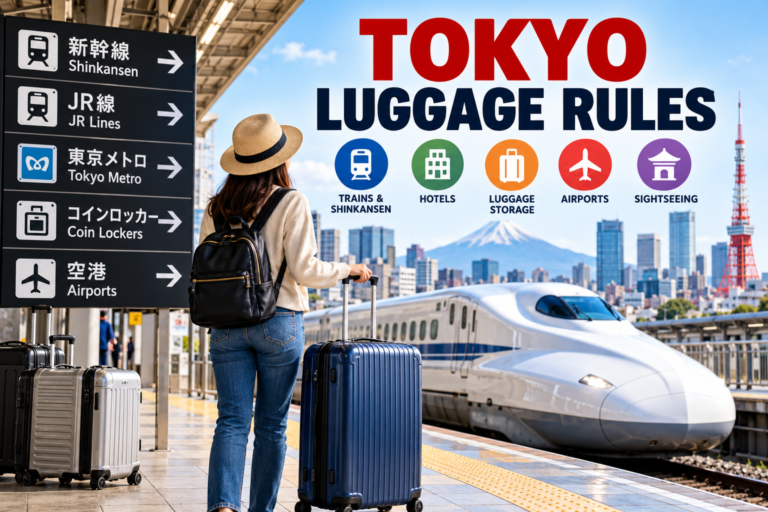
Coin lockers and baggage-storage services can make a major difference, particularly around Tokyo Station and major railway hubs. Tokyo Station City’s official site provides information on coin lockers and baggage storage.
What to Buy in Tokyo Malls
Japanese stationery
Tokyo is excellent for stationery lovers.
Pens, notebooks, organizers, art supplies and small design products are easy to pack and make practical souvenirs.
Skincare and cosmetics
Japanese beauty products are another popular category.
Compare prices and check whether the product is appropriate for your needs before purchasing.
Japanese sweets
Packaged sweets are convenient gifts, especially when you need something for several people.
Check expiration dates before buying large quantities.
Clothing
Tokyo is an excellent destination for fashion shopping, but remember that Japanese sizing may differ from what you are accustomed to.
Try items on whenever possible.
Home and lifestyle products
Minimalist household products, kitchen tools, storage solutions and design goods can be surprisingly interesting souvenirs.
How Tokyo Malls Reflect Japanese Culture
Shopping centers are not merely commercial spaces.
They reflect several characteristics of modern Japanese urban life.
Efficiency is one.
Many complexes integrate directly with public transportation.
Presentation is another.
Food, gifts and products are often carefully arranged and packaged.
Seasonality is also important.
Retail displays frequently change according to seasons, holidays and cultural events.
Finally, Japanese shopping culture often emphasizes service.
The result is a shopping experience that can feel more organized and deliberate than visitors may expect.
Tokyo Malls and the Future of Urban Shopping
Station-centered retail will remain important
Tokyo’s transportation network is one of the city’s greatest commercial advantages.
When millions of people move through railway stations every day, retail naturally develops around those flows.
This is why station-connected commercial complexes are likely to remain important.
Shopping will become more experiential
Consumers can buy many products online.
Physical shopping therefore needs to offer something online stores cannot easily reproduce.
That could include:
- Dining
- Entertainment
- Architecture
- Art
- Events
- Product demonstrations
- Limited editions
- Social experiences
Tokyo’s major complexes already combine many of these functions.
Tourism will continue influencing retail
International visitors have become an important part of Tokyo’s shopping ecosystem.
Retailers increasingly need multilingual information, tax-free services and products that appeal to overseas visitors.
Technology will become more integrated
Digital maps, mobile payments, multilingual information, reservation systems and personalized retail experiences are likely to become increasingly common.
The future Tokyo mall may feel less like a traditional shopping center and more like a hybrid entertainment, hospitality and lifestyle destination.
Tokyo Malls vs Tokyo Shopping Streets
Why malls are convenient
Malls provide weather protection, restrooms, elevators, food, clear directories and concentrated shopping.
They are excellent when you have a specific shopping list.
Why shopping streets can be better
Shopping streets provide more local atmosphere.
You may discover independent stores, small restaurants, traditional shops and businesses that could never fit into a large commercial complex.
The ideal strategy
Use both.
Spend part of your day in a major mall and then walk through the surrounding neighborhood.
This gives you convenience without losing the character of Tokyo.
A Practical Tokyo Mall Decision Framework
When deciding where to shop, ask five questions.
What am I buying?
Fashion, electronics, food, luxury products and souvenirs may require completely different districts.
What is my budget?
If you want premium products, prioritize Ginza.
If value matters more, explore broader retail districts.
Who am I traveling with?
Families may prefer entertainment-centered complexes.
Solo travelers can explore more specialized destinations.
How much time do I have?
With only two hours, choose a station-connected complex.
With an entire day, explore a neighborhood.
What else do I want to do?
The smartest Tokyo shopping itinerary combines shopping with sightseeing, food and culture.
Quick Tokyo Mall Recommendations
If you only remember a few recommendations, use this shortcut.
Best overall variety: Shinjuku
Best for modern fashion: Shibuya
Best for luxury: Ginza
Best for families: Sunshine City
Best for waterfront shopping: Odaiba
Best for convenience: Tokyo Station
Best for youth culture: Shibuya and Harajuku
Best for premium Japanese shopping: Ginza
Best for food gifts: Department-store food halls
Best for electronics: Shinjuku or Akihabara
Best for anime/pop culture: Ikebukuro or Akihabara
Frequently Asked Questions About Tokyo Malls
What are the best Tokyo malls for tourists?
The best choice depends on your interests, but Shibuya Scramble Square, GINZA SIX, Sunshine City, NEWoMan Shinjuku, DiverCity Tokyo Plaza and Tokyo Station’s shopping complexes are useful starting points.
What is the best shopping mall in Tokyo?
There is no single best mall for everyone. Shibuya is excellent for contemporary fashion, Ginza for luxury, Shinjuku for variety, Sunshine City for families and Odaiba for shopping combined with entertainment.
Which Tokyo mall is best for luxury shopping?
GINZA SIX is one of the strongest choices. The wider Ginza district also has major department stores and luxury-focused retail.
Which Tokyo malls are best for families?
Sunshine City in Ikebukuro and the shopping complexes of Odaiba are excellent options because shopping can be combined with entertainment and attractions.
Is Shibuya good for shopping?
Yes. Shibuya is one of Tokyo’s major fashion and shopping districts, with large commercial complexes, department-store-style retail and many contemporary brands.
Is Shinjuku good for shopping?
Shinjuku is one of the strongest all-round shopping areas in Tokyo. It has department stores, malls, fashion retailers, electronics stores, food destinations and underground shopping areas.
Is Tokyo expensive for shopping?
Tokyo has both expensive and affordable shopping. Ginza tends to be more premium, while large shopping districts such as Shibuya, Shinjuku and Ikebukuro contain retailers across different price ranges.
Can tourists get tax-free shopping in Tokyo?
Eligible international visitors may be able to make tax-free purchases at participating retailers, subject to current Japanese rules and store procedures. Bring your passport and confirm the requirements before purchasing.
What is the best Tokyo mall for Japanese souvenirs?
Department stores, station shopping areas and major commercial complexes can all be good choices. For food gifts, department-store food floors are particularly useful.
Is Odaiba worth visiting for shopping?
Yes, particularly if you want shopping combined with entertainment and waterfront sightseeing. AQUA CiTY, DiverCity and DECKS are among the main shopping destinations highlighted by Tokyo’s official tourism guide.
Is Sunshine City only for shopping?
No. Sunshine City combines shopping with attractions including an aquarium, observatory, NAMJATOWN, planetarium and other entertainment facilities.
What should I buy in Tokyo malls?
Popular choices include Japanese fashion, cosmetics, stationery, packaged sweets, tea, lifestyle products, electronics and traditional gifts.
Are Tokyo malls open every day?
Many major complexes operate throughout the week, but opening hours and holidays vary by facility and individual store. Always check the official website before visiting.
How long should I spend at a Tokyo mall?
Allow around two to four hours for a focused visit. Large districts such as Shinjuku, Shibuya and Ginza can easily require most of a day if you combine shopping with dining and sightseeing.
Which Tokyo shopping area is best for teenagers?
Shibuya and Harajuku are particularly suitable because of their strong connection to youth fashion, pop culture and contemporary Japanese trends.
Which Tokyo shopping area is best for older travelers?
Ginza, Marunouchi and station-connected complexes can be comfortable choices because they combine quality shopping with restaurants, elevators, seating and convenient transportation connections.
Conclusion: How to Make the Most of Tokyo Malls
Tokyo malls are much more than large buildings filled with stores. They are part of the city’s transportation network, food culture, fashion ecosystem and entertainment landscape.
The smartest approach is not to ask, “What is the biggest mall in Tokyo?”
Instead, ask, “Which shopping district fits what I want to experience?”
If you want contemporary fashion, start with Shibuya.
If you want variety, choose Shinjuku.
If luxury is your priority, explore Ginza.
If you are traveling with children, consider Sunshine City or Odaiba.
If convenience is the priority, Tokyo Station is hard to beat.
And if food and souvenirs are on your list, do not overlook department-store food floors.
The biggest mistake is trying to see everything. Tokyo rewards focused exploration. Choose one neighborhood, identify two or three priority shopping destinations, leave room for food and unexpected discoveries, and you will have a much better experience.

One Comment