Tokyo Bakeries: 20 Amazing Places for Japanese Bread, Pastries & Authentic Bakery Experiences
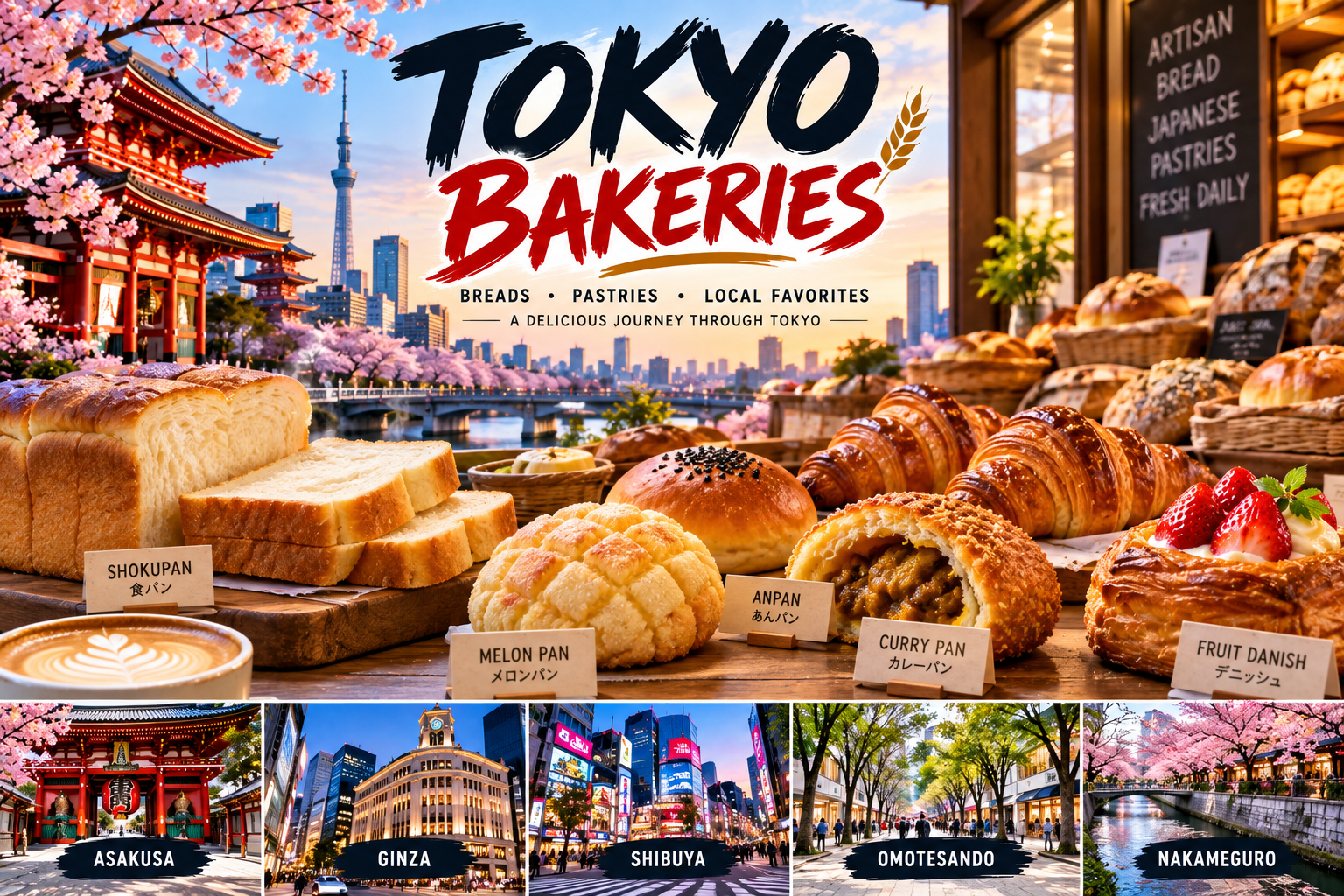
Tokyo bakeries combine Japanese precision with French baking techniques, European traditions, creative ingredients, and uniquely Japanese breads such as shokupan, anpan, curry pan, and melon pan. From historic bakeries in Ginza and Asakusa to modern artisan shops in Shibuya, Omotesando, Meguro, and Kiyosumi-Shirakawa, Tokyo offers an extraordinary range of breads and pastries for travelers to discover. Bread was not historically at the center of Japanese cuisine in the same way that rice was. Yet over generations, Japanese bakers developed their own approach to bread. The result is a fascinating combination of softness, precision, texture, sweetness, fermentation, presentation, and seasonal creativity Tokyo Stadiums
Why Tokyo Has Such an Interesting Bakery Culture
Tokyo’s bakery culture developed through the meeting of international baking traditions and Japanese food preferences.
Japanese bakers did not simply copy European bread.
They adapted it.
That adaptation produced breads with distinctive textures, flavors, fillings, and presentation.
Japanese Precision Meets European Baking
Tokyo’s top bakeries may use techniques associated with:
- French boulangerie
- Viennoiserie
- Italian baking
- German breadmaking
- Sourdough fermentation
- Japanese milk bread traditions
The result can be surprisingly sophisticated.
A baguette may follow French methods while using carefully selected Japanese flour. A croissant may use European-style butter but be developed for Japanese preferences around texture and balance. A sweet bun can combine Western breadmaking with red bean, matcha, sweet potato, black sesame, or seasonal fruit.
Bread Became Part of Everyday Japanese Food
Bread is now deeply integrated into everyday life in Japan.
You can find bread in:
- Bakeries
- Convenience stores
- Supermarkets
- Department-store food halls
- Train stations
- Cafes
- Hotel breakfast buffets
- Specialty shops
However, specialist Tokyo bakeries take the concept much further.
A Brief History of Bread in Japan
Bread has a relatively interesting history in Japan.
European-style bread became known in Japan centuries ago, and later developments during Japan’s modernization helped establish bread as a more familiar food.
Over time, Japanese bakers developed products suited to local tastes.
The Rise of Anpan
One of the most important developments was anpan, a soft bread filled with sweet red bean paste.
Anpan became a classic Japanese bakery item and remains one of the best examples of how Japan adapted bread into something distinctly local.
The Development of Shokupan
Another defining product is shokupan, Japanese sandwich bread.
Unlike many European loaves, shokupan is usually associated with:
- Soft texture
- Fine crumb
- Mild flavor
- Slight sweetness
- Moist interior
- Square or rectangular shape
High-quality shokupan can be exceptionally soft while still maintaining enough structure for toast or sandwiches.
What Makes Tokyo Bakeries Different?
A Tokyo bakery is not simply a place that sells bread.
Many bakeries focus intensely on specific characteristics.
Texture
Japanese consumers often pay close attention to texture.
Bread may be described in terms such as:
- Fluffy
- Chewy
- Crisp
- Moist
- Soft
- Light
- Dense
- Airy
Texture can be as important as flavor.
Appearance
Presentation is another major factor.
Croissants, pastries, buns, sandwiches, and breads are often displayed carefully.
The visual experience is part of the bakery visit.
Seasonal Ingredients
Tokyo bakeries frequently use ingredients associated with the season.
Examples can include:
- Strawberries
- Chestnuts
- Sweet potatoes
- Matcha
- Sakura flavors
- Pumpkin
- Citrus
- Persimmon
- Red bean
- Black sesame
This creates a bakery culture that changes throughout the year.
10 Famous Tokyo Bakery Brands and Experiences
The following table gives travelers a practical starting point. It is not a ranking, because each bakery emphasizes a different style.
| Bakery | Area / Association | Style | What to Look For | Best For |
|---|---|---|---|---|
| Bakery Pelican | Asakusa/Tawaramachi | Shokupan and rolls | Traditional bread | |
| Ginza Kimuraya | Ginza | Japanese classic | Anpan | History and culture |
| Boulangerie Viron | Shibuya | French-style | Baguettes and pastries | French bread |
| 365 Days | Yoyogi/Sendagaya area | Artisan Japanese | Bread and pastries | Bread enthusiasts |
| Centre The Bakery | Ginza | Shokupan specialist | Japanese toast | Shokupan lovers |
| bricolage bread & co. | Roppongi area | Artisan | Naturally fermented breads | Food travelers |
| Comme’N TOKYO | Azabudai | Contemporary artisan | Creative breads | Modern bakery fans |
| Le Ressort | Meguro | Artisan bakery | European-style breads | Bread specialists |
| amam dacotan Omotesando | Omotesando | Creative bakery | Filled breads and pastries | Trend-focused travelers |
| Gontran Cherrier Tokyo Aoyama | Aoyama | French-inspired | Viennoiserie | Pastry lovers |
Current bakery guides and 2026 bakery selections show just how broad Tokyo’s bakery landscape has become, with established names appearing alongside newer artisan bakeries.
Bakery Pelican in Asakusa
Pelican is one of the most interesting examples of a bakery that became famous by doing less rather than more.
The bakery dates back to 1942 and is associated with a deliberately limited product range. Its official information states that it focuses on just two principal products: shokupan and bread rolls.
That philosophy is remarkably different from a modern bakery displaying dozens of colorful pastries.
Why Pelican Is Special
The appeal is consistency.
Instead of constantly adding new products, Pelican has focused on making a small number of breads exceptionally familiar and dependable.
Its shokupan is especially well known for its soft texture.
The official menu lists several loaf sizes and different roll formats.
Pelican for Travelers
Pelican works particularly well as part of an Asakusa or Kuramae walking itinerary.
The bakery is only a short walk from Tawaramachi, Asakusa, and Kuramae stations.
The nearby Pelican Cafe provides another way to experience the bread, including toast and sandwiches.
What to Order
If available, prioritize:
- Shokupan
- Bread rolls
- Toast at Pelican Cafe
- Simple sandwiches
The interesting lesson here is that excellent bread does not need complicated toppings.
Ginza Kimuraya
Ginza Kimuraya is one of the most historically significant names in Japanese bakery culture.
Its reputation is closely connected with anpan, the sweet red-bean-filled bread that became a Japanese classic.
Why Anpan Matters
Anpan represents the Japanese ability to adapt foreign culinary influences into local food culture.
Instead of simply adopting Western bread, Japanese bakers created a product combining:
- Soft bread
- Sweet red bean paste
- Japanese taste preferences
- Portable bakery convenience
That combination became iconic.
Ginza and Bakery Culture
Ginza itself is an excellent neighborhood for understanding the relationship between old and new Tokyo.
Luxury brands and modern architecture sit alongside long-established Japanese food businesses.
Kimuraya’s continued presence is therefore more than a bakery stop.
It is part of Tokyo’s food history.
Boulangerie Viron
Viron is associated with French-style breadmaking and is a useful destination for travelers interested in crusty breads and traditional European techniques.
What Makes French-Style Tokyo Bakeries Interesting?
Japanese bakers have developed a particularly serious interest in French bread.
At a strong French-style bakery, you may encounter:
- Baguettes
- Bâtards
- Croissants
- Pain au chocolat
- Pain de campagne
- Sandwiches
- Seasonal pastries
The Japanese interpretation can be extremely precise.
Who Should Visit?
Viron is particularly suitable for:
- French food enthusiasts
- Serious bread travelers
- Travelers who prefer savory bread
- Visitors interested in European-Japanese culinary exchange
365 Days
365 Days is associated with the contemporary artisan bakery scene in Tokyo.
The name itself reflects an interesting philosophy: bread as an everyday food rather than something reserved for special occasions.
What Makes Artisan Bakeries Different?
Artisan bakeries often focus more intensely on:
- Fermentation
- Flour
- Hydration
- Temperature
- Dough handling
- Baking time
- Ingredient sourcing
The result can be bread where the dough itself becomes the main attraction.
Centre The Bakery
Centre The Bakery is strongly associated with shokupan.
For travelers interested specifically in Japanese milk bread, this is an important style to investigate.
Why Shokupan Became a Global Trend
Japanese milk bread has become internationally popular because of its distinctive texture.
The bread is often:
- Soft
- Tender
- Slightly sweet
- Moist
- Fine-textured
The appeal extends well beyond Japan.
International bakeries have increasingly adopted Japanese-style milk bread techniques.
How to Eat Shokupan
Try it in several ways.
Fresh:
- Plain
- With butter
- With jam
Toasted:
- Lightly toasted
- Crispy on the outside
- Soft inside
Savory:
- Sandwiches
- Egg sandwiches
- Ham and cheese
- Japanese-style toast
The simplest preparation often reveals the quality of the bread most clearly.
Bricolage Bread & Co.
Bricolage Bread & Co. represents another side of Tokyo’s artisan bakery scene.
The bakery is associated with the Roppongi area and appears among contemporary Tokyo bakery selections.
Why Artisan Bread Matters
Modern Tokyo bakeries increasingly treat bread as a craft.
Rather than seeing bread simply as a cheap everyday carbohydrate, artisan bakeries can emphasize:
- Grain
- Fermentation
- Regional ingredients
- Texture
- Long preparation
- Natural flavor
This is part of a broader global movement toward craft baking.
Comme’N TOKYO
Comme’N TOKYO is associated with the Azabudai Hills area and appears among contemporary Tokyo bakery selections.
Contemporary Bakery Culture
New-generation bakeries often combine traditional Japanese expectations with international techniques.
The result can include:
- Classic French bread
- Japanese sweet breads
- Creative fillings
- Modern pastries
- Seasonal products
This makes them particularly interesting for travelers who want to see where Japanese bakery culture is going rather than only where it came from.
Le Ressort
Le Ressort is associated with Meguro and appears in current Tokyo bakery selections.
Meguro is already known for cafes, restaurants, residential streets, and a more relaxed urban environment.
That makes it an excellent neighborhood for combining bakery exploration with a longer walk.
Amam Dacotan Omotesando
Amam Dacotan is one of the names associated with Tokyo’s newer, visually distinctive bakery culture.
The Omotesando area is already known for fashion, architecture, design, and sophisticated retail.
A creative bakery fits naturally into this environment.
Why Modern Bakeries Become Destinations
Some bakeries have become attractions in their own right.
Travelers may visit because of:
- Instagram photography
- Unique displays
- Signature products
- Long queues
- Interior design
- Limited-edition items
But the best approach is to look beyond appearance.
A beautiful pastry is memorable.
A beautiful pastry that also has excellent texture and flavor is much more valuable.
Gontran Cherrier Tokyo Aoyama
Gontran Cherrier is associated with French-inspired bakery culture and the Aoyama area.
The bakery is included in current Tokyo bakery selections, illustrating the continuing popularity of French-style baking in Tokyo.
Aoyama and Omotesando are particularly useful neighborhoods for travelers interested in premium bakeries, fashion, design, architecture, and cafes.
Understanding Japanese Bakery Vocabulary
Knowing a few words can make bakery visits much easier.
Shokupan
Japanese white or milk bread, often sold as a loaf.
Anpan
Bread filled with sweet red bean paste.
Melon Pan
A sweet bun with a crisp cookie-like exterior.
Curry Pan
Bread filled with Japanese-style curry, often fried or baked.
Kare Pan
Another romanization of curry pan.
Cream Pan
Soft bread filled with custard cream.
Koppe Pan
A soft elongated roll often used for filled sandwiches.
Korokke Pan
A bread roll containing a croquette or croquette-style filling.
Salt Bread
Often called shio pan, this bread typically combines a buttery interior with a salty finish.
Croissant
Tokyo has many excellent French-style croissants, often with strong attention to lamination.
Baguette
A classic French bread available at many artisan bakeries.
Japanese Breads Every Traveler Should Try
A bakery trip becomes much easier when you know what to look for.
Shokupan
Start here if you want to understand Japanese bread.
Look for:
- Even crumb
- Soft texture
- Mild sweetness
- Pleasant aroma
- Elastic structure
Try it fresh first.
Then toast it.
Anpan
Anpan is a cultural experience as much as a snack.
The balance between bread and red bean paste is important.
Melon Pan
Despite its name, melon pan does not necessarily taste like melon.
Its name comes primarily from its appearance.
The outer layer resembles a lightly crisp cookie, while the interior remains soft.
Curry Pan
Curry pan demonstrates how Japanese bakeries combine savory food with bread.
The filling can vary from mild to spicy, while the exterior may be crispy.
Cream Pan
Cream pan is particularly useful for travelers who enjoy sweet bakery products without the heaviness of cake.
Shio Pan
Salt bread has become particularly popular in Japan.
Its appeal comes from a simple combination of:
- Soft dough
- Butter
- Salt
- Crisp exterior
Tokyo Bakery Culture by Neighborhood
One of the smartest ways to explore Tokyo bakeries is geographically.
Asakusa Bakeries
Asakusa is ideal for traditional bakery experiences.
Combine bakery stops with:
- Senso-ji
- Nakamise
- Kappabashi
- Kuramae
- Sumida River
Ginza Bakeries
Ginza works well for premium bakery experiences.
Combine bread with:
- Department stores
- Luxury shopping
- Architecture
- Fine dining
- Traditional businesses
Shibuya Bakeries
Shibuya provides a mix of:
- Modern bakeries
- French-style shops
- Cafes
- Fashion
- Shopping
Omotesando Bakeries
Omotesando is excellent for travelers interested in design-focused bakeries and contemporary pastry culture.
Shinjuku Bakeries
Shinjuku offers department-store food halls, station bakeries, independent shops, cafes, and major commercial food destinations.
Ueno Bakeries
Ueno is particularly useful for travelers combining bakery exploration with museums, parks, markets, and traditional Tokyo.
Meguro Bakeries
Meguro and nearby neighborhoods are strong choices for travelers who enjoy slower cafe-and-bakery exploration.
Tokyo Bakeries for Breakfast
A bakery can be one of the easiest breakfast solutions in Tokyo.
Instead of a formal hotel breakfast, consider:
- Find a bakery opening early.
- Buy one savory item.
- Add a sweet pastry.
- Get coffee.
- Eat at the bakery if seating is available.
- Continue sightseeing.
Best Breakfast Choices
For a balanced breakfast, consider:
- Shokupan toast
- Egg sandwich
- Savory roll
- Croissant
- Coffee
- Seasonal fruit pastry
Tokyo Bakeries for Families
Families can find plenty of approachable bakery options.
Kid-Friendly Choices
Children may enjoy:
- Melon pan
- Cream pan
- Chocolate pastries
- Curry pan
- Character-shaped breads
- Fruit sandwiches
- Soft rolls
Practical Family Tip
Avoid planning an elaborate bakery crawl with young children.
Choose one or two destinations and combine them with a park or family attraction.
Tokyo Bakeries for Couples
Bakery tourism can work surprisingly well as a couple’s activity.
Try a simple format:
- Morning bakery
- Coffee
- Neighborhood walk
- Lunch
- Cafe
- Evening restaurant
Nakameguro, Daikanyama, Omotesando, Ginza, and Asakusa can all support this type of day.
Tokyo Bakeries for Solo Travelers
Solo bakery exploration is easy because bakeries rarely require a group.
You can:
- Buy one item at a time
- Eat while walking where permitted
- Sit at a small counter
- Visit multiple neighborhoods
- Take notes on different bread styles
This is particularly enjoyable for travelers interested in food photography or culinary research.
Tokyo Bakeries for Budget Travelers
Bakery food can be an efficient way to control food costs.
A few bakery items can create a satisfying breakfast or lunch without the expense of a formal restaurant.
Budget Strategy
Look for:
- Local neighborhood bakeries
- Standard bread rolls
- Sandwiches
- Shokupan
- Savory pastries
- Set menus
Premium destination bakeries can cost more, especially for specialty pastries.
Tokyo Bakeries for Luxury Travelers
Luxury travelers can explore high-end hotel bakeries, department-store food halls, French-style boulangeries, and premium pastry shops.
The experience can extend beyond bread into:
- Fine pastries
- Specialty chocolates
- Seasonal desserts
- Gift boxes
- Premium ingredients
Ginza, Aoyama, Omotesando, Marunouchi, and Roppongi are useful areas for this style of food exploration.
Tokyo Bakeries for Vegetarian Travelers
Bread itself is often easy to find, but fillings and toppings require attention.
Check ingredients in:
- Curry bread
- Sandwiches
- Savory pastries
- Filled rolls
Some products may contain meat, fish, gelatin, or animal-based ingredients.
When dietary requirements are strict, ask staff or use clearly labeled ingredient information.
Tokyo Bakeries for Vegan Travelers
Vegan options can be more limited because Japanese baking frequently uses:
- Milk
- Butter
- Eggs
Some artisan bakeries offer plant-based products, but availability should not be assumed.
Check ingredients carefully.
Tokyo Bakeries for Halal-Conscious Travelers
Travelers with halal requirements should pay particular attention to fillings and ingredients.
Bread may contain:
- Meat
- Alcohol-based flavorings
- Certain additives
- Non-halal ingredients
Ask staff about ingredients when necessary.
A plain loaf may be simpler, but ingredient verification is still the safest approach.
Tokyo Bakeries for Travelers With Allergies
Allergy information should be checked carefully.
Common bakery allergens include:
- Wheat
- Milk
- Eggs
- Nuts
- Soy
- Sesame
Cross-contact may also occur in bakeries producing multiple products.
If you have a serious allergy, do not rely solely on appearance.
The Best Time to Visit Tokyo Bakeries
Timing matters.
Current bakery guides commonly recommend arriving relatively early because popular products can sell through during the day.
Early Morning
Advantages:
- Fresh products
- Better selection
- Less risk of sold-out items
- Strong breakfast atmosphere
Late Morning
A good compromise for travelers who do not want an early start.
Afternoon
Useful for pastries and snacks, but some popular bread may already be sold out.
Why Tokyo Bakery Lines Happen
A queue does not automatically mean something is the best bakery for you.
Lines can form because of:
- Limited production
- Social media popularity
- Small shop size
- Famous signature products
- Tourist interest
- Local popularity
If the queue is extremely long, check whether another excellent bakery is nearby.
Tokyo has too many good bakeries to spend half a day waiting without a specific reason.
How to Order at Tokyo Bakeries
Many bakeries use display cases where customers choose products.
The process may involve:
- Take a tray.
- Select bread with tongs.
- Place items on the tray.
- Bring the tray to the cashier.
- Pay.
- Pack the food.
Some bakeries use staff-assisted ordering instead.
Useful Tip
Look at what local customers are buying.
If a bakery has a signature item, you may notice many customers selecting it.
Bakery Etiquette in Japan
Basic etiquette makes bakery visits smoother.
Do Not Touch Bread Directly
Use the provided tongs where available.
Follow Queue Order
Tokyo bakery queues can be compact and organized.
Avoid Blocking the Entrance
Small bakeries can become crowded quickly.
Be Careful With Photography
Food photography is often acceptable, but check for signs and avoid obstructing other customers.
Do Not Handle Every Product
Choose carefully before placing items on your tray.
Tokyo Bakery Crawls
A bakery crawl is an excellent way to explore neighborhoods.
But it needs planning.
The Three-Bakery Method
Choose:
- One traditional bakery
- One artisan bakery
- One pastry-focused bakery
This creates more variety than visiting three similar shops.
The Two-Neighborhood Method
Choose two connected areas.
For example:
Asakusa + Kuramae
or
Shibuya + Omotesando
or
Daikanyama + Nakameguro
This reduces transportation time.
A Sample Tokyo Bakery Crawl in Asakusa
Start near Tawaramachi.
Visit Pelican.
Try shokupan or rolls.
Walk toward Asakusa.
Explore Senso-ji.
Continue toward nearby independent bakeries.
Have coffee.
Then explore Kappabashi or Kuramae.
This turns bread exploration into a full neighborhood experience.
A Sample Ginza Bakery Day
Begin with a traditional Japanese bakery experience.
Walk around Ginza.
Visit a department-store food hall.
Try a premium pastry.
Explore nearby architecture.
Have lunch.
Finish with coffee.
This itinerary works particularly well for travelers who enjoy food and shopping together.
A Sample Shibuya and Omotesando Bakery Route
Start in Shibuya.
Have breakfast at a bakery.
Walk toward Harajuku.
Continue to Omotesando.
Explore design stores.
Stop at another bakery or cafe.
Finish around Aoyama.
This route combines food, fashion, architecture, and urban culture.
How to Evaluate a Tokyo Bakery
If you are a serious bread enthusiast, consider more than online popularity.
Crust
Ask:
- Is it crisp?
- Is it thin or thick?
- Is it properly baked?
Crumb
Look at:
- Air pockets
- Moisture
- Elasticity
- Density
Aroma
Fresh bread should have an appealing baked aroma.
Balance
Sweet pastries should not necessarily be overwhelmingly sweet.
Savory breads should balance filling and dough.
Freshness
Freshness is particularly important for:
- Croissants
- Shokupan
- Rolls
- Baguettes
Common Tokyo Bakery Mistakes
Mistake: Visiting Too Late
Popular products can sell out.
Solution: Visit earlier when a specific product matters.
Mistake: Choosing Only Famous Shops
Famous does not always mean suited to your preferences.
Solution: Mix famous bakeries with neighborhood bakeries.
Mistake: Ordering Too Much
Bread can be surprisingly filling.
Solution: Buy small quantities at several locations.
Mistake: Ignoring Savory Bread
Many visitors focus only on croissants and sweet pastries.
Solution: Try curry pan, savory rolls, egg sandwiches, or cheese breads.
Mistake: Assuming All Japanese Bread Is Sweet
Japanese bakeries offer substantial savory bread as well.
Mistake: Treating Shokupan as Ordinary White Bread
High-quality shokupan can have a distinctive texture and fermentation profile.
Try it plain or lightly toasted before adding toppings.
The Pros and Cons of Tokyo Bakery Tourism
Advantages
- Huge variety
- Excellent quality
- Affordable options exist
- Strong Japanese specialties
- International techniques
- Seasonal products
- Great neighborhood exploration
- Easy breakfast and snack options
- Excellent food photography opportunities
Disadvantages Tokyo bakeries
- Popular stores may have queues
- Some bakeries sell out early
- Smaller shops may have limited seating
- English information varies
- Dietary labeling can be inconsistent
- Premium bakeries can become expensive
- It is easy to buy more bread than you can eat
Tokyo Bakeries and the Rise of Shokupan
Shokupan has become one of the strongest symbols of modern Japanese bakery culture.
The global popularity of Japanese milk bread reflects a larger trend toward texture-driven food.
Why Consumers Love It Tokyo bakeries
Shokupan offers an experience different from crusty European bread.
The focus is on:
- Softness
- Elasticity
- Moisture
- Gentle sweetness
- Fine crumb
This makes it particularly effective for toast and sandwiches.
The Premium Shokupan Movement Tokyo bakeries
Some bakeries now position shokupan as a premium product.
Differences can involve:
- Flour selection
- Butter
- Milk
- Fermentation
- Dough preparation
- Baking methods
This has turned an everyday food into a specialty product.
Tokyo Bakeries and French Influence
French breadmaking has had a significant influence on Tokyo’s bakery culture.
Tokyo’s French-style bakeries can be extremely serious about:
- Fermentation
- Flour
- Lamination
- Baguette crust
- Viennoiserie
- Butter quality
But Japanese execution often introduces local preferences.
The result is neither simply French nor traditionally Japanese.
It is its own category.
Tokyo Bakeries and Sourdough
Sourdough has become increasingly visible in Tokyo’s artisan bakery scene.
Sourdough allows bakers to emphasize:
- Fermentation
- Acidity
- Grain flavor
- Texture
- Long fermentation
Travelers accustomed to soft Japanese bread may find naturally fermented loaves surprisingly different.
Tokyo Bakeries and Seasonal Baking
Seasonality is one of the most interesting aspects of Japanese food culture.
Tokyo bakeries use this concept creatively.
Spring Tokyo bakeries
Look for:
- Sakura
- Strawberry
- Matcha
- Spring citrus
Summer Tokyo bakeries
Common themes may include:
- Peach
- Mango
- Lemon
- Melon
Autumn Tokyo bakeries
Look for:
- Chestnut
- Sweet potato
- Pumpkin
- Persimmon
Winter Tokyo bakeries
Expect:
- Chocolate
- Citrus
- Apple
- Rich seasonal pastries
Tokyo Bakery Gift Culture
Bread and pastries can also become gifts.
However, travelers should consider shelf life.
Better Bakery Gifts Tokyo bakeries
Choose products that travel well, such as:
- Packaged sweets
- Cookies
- Rusks
- Long-life pastries
- Specialty packaged bread products
Fresh bread is generally best consumed quickly.
Tokyo Bakeries and Department Stores
Department stores are another important part of Tokyo’s food culture.
Basement food halls, often called depachika, can contain impressive selections of:
- Bread
- Pastries
- Cakes
- Sandwiches
- Confectionery
- Gift boxes
This can be especially convenient for travelers staying in central neighborhoods.
Tokyo Station Bakery Culture
Tokyo Station is more than a transport hub.
Its surrounding commercial areas contain numerous food businesses.
Travelers passing through can find:
- Packaged bakery products
- Sandwiches
- Sweet breads
- Pastries
- Gifts
This makes the station useful for travelers who have limited time.
Convenience Stores vs Artisan Tokyo Bakeries
Japan’s convenience stores sell surprisingly good bakery products.
So why visit a specialist bakery?
Convenience Store Advantages
- Cheap
- Easy
- Everywhere
- Fast
- Long opening hours
Artisan Bakery Advantages
- Fresh baking
- Specialized techniques
- Better ingredient focus
- Greater variety
- Unique products
- Neighborhood experience
The two serve different purposes.
Future Trends in Tokyo Bakeries
Tokyo’s bakery culture is likely to continue evolving.
More Fermentation-Focused Baking
Consumers increasingly appreciate naturally fermented breads and grain-focused products.
Premium Everyday Bread Tokyo bakeries
Shokupan and other basic breads are increasingly being treated as premium products.
International-Japanese Fusion Tokyo bakeries
Expect continued experimentation involving:
- Matcha
- Miso
- Red bean
- Black sesame
- Yuzu
- Soy
- Japanese fruits
- European pastry techniques
More Plant-Based Baking
Plant-based products may continue to expand as consumer preferences change.
Sustainable Ingredients Tokyo bakeries
Bakeries may increasingly focus on:
- Local flour
- Reduced waste
- Seasonal ingredients
- Responsible sourcing
- Energy efficiency
Smaller Neighborhood Bakeries
Despite the growth of major bakery brands, small neighborhood bakeries remain important.
Their strength is personalization.
A local bakery can build a relationship with residents that a large chain cannot easily reproduce.
The Future of Japanese Bread Culture
Japanese bakery culture is likely to become even more internationally influential.
Japanese milk bread has already spread internationally.
Other products may follow.
The important point is that Japan’s influence is not limited to copying Western bread.
The strongest Japanese bakery ideas combine:
Technique + texture + seasonality + presentation + local ingredients.
That formula has enormous potential beyond Japan.
How to Build Your Own Tokyo Bakery Bucket List
Instead of copying someone else’s list, create categories.
Traditional Tokyo bakeries
Choose one historic bakery.
Shokupan Tokyo bakeries
Choose one specialist.
French Tokyo bakeries
Choose one boulangerie.
Sweet Tokyo bakeries
Choose one pastry shop.
Savory Tokyo bakeries
Try curry pan or a filled roll.
Neighborhood Tokyo bakeries
Choose one small independent bakery.
This gives you a much more balanced experience.
A Perfect Tokyo Bakery Day
Imagine starting the morning in Asakusa.
The streets are relatively quiet.
You buy fresh bread from a traditional bakery.
Then you walk toward Senso-ji.
After exploring the temple, you continue toward Kuramae.
You stop for coffee.
Later, you take the train toward Ginza.
There you discover a completely different bakery style.
In the evening, you finish around Shibuya or Omotesando.
This is more than a food itinerary.
It is a way of moving through Tokyo by following its bread culture.
FAQs
What is the most famous bakery in Tokyo?
Tokyo has many famous bakeries rather than one universally accepted “best” bakery. Pelican, Kimuraya, Viron, Centre The Bakery, 365 Days, and numerous newer artisan bakeries are among the names frequently discussed by food travelers.
What bread should I try first in Tokyo?
Start with shokupan if you want to understand Japanese bread culture. Then try anpan, melon pan, curry pan, and a French-style baguette or croissant.
What is shokupan?
Shokupan is Japanese-style sandwich bread known for its soft, fine-textured crumb and mild flavor. Premium versions can have particularly rich aroma and elasticity.
What is anpan?
Anpan is a soft Japanese bread filled with sweet red bean paste. It is one of Japan’s classic bakery foods.
What is melon pan?
Melon pan is a sweet bun with a crisp, cookie-like exterior. Despite its name, it does not necessarily contain melon.
What is curry pan?
Curry pan is bread filled with Japanese-style curry. It is often fried or baked and has a crisp exterior.
Are Tokyo bakeries expensive?
Tokyo bakeries range from inexpensive neighborhood shops to premium artisan destinations. Basic bread can be affordable, while specialty pastries and premium loaves can cost considerably more.
What time should I visit a Tokyo bakery?
Morning is usually a good choice, particularly if you want popular bread or maximum selection. Current bakery guides also recommend early visits because popular products can sell out.
Do Tokyo bakeries sell out?
Yes. Small bakeries producing limited quantities may sell out of popular items, particularly later in the day.
Is Pelican Bakery worth visiting?
Pelican is particularly interesting for travelers who appreciate traditional, focused baking. Its long history and deliberately limited product range make it different from bakeries offering dozens of products.
Where is Pelican Bakery?
The original Pelican Bakery is in the Tawaramachi/Kuramae area of Taito City, close to Asakusa. Its official information places the shop at 4-7-4 Kotobuki and notes its proximity to Tawaramachi, Asakusa, and Kuramae stations.
Does Pelican Bakery have a cafe?
Yes. Pelican Cafe offers toast, sandwiches, and coffee using Pelican bread.
Are Tokyo bakeries good for breakfast?
Yes. Bakeries can be an excellent breakfast option because they offer quick, portable, and varied choices.
Can I find vegetarian bread in Tokyo?
Yes, many plain breads and some sweet products may be vegetarian, but ingredients vary. Always check fillings and ingredients when dietary restrictions are important.
Can I find vegan bakeries in Tokyo?
Vegan-friendly products exist, but they are less universal than standard bakery products. Travelers should check current menus and ingredient information.
Are Tokyo bakeries good for children?
Yes. Children often enjoy sweet breads, melon pan, cream pan, fruit sandwiches, and chocolate pastries.
Which Tokyo neighborhood is best for bakeries?
There is no single answer. Asakusa, Ginza, Shibuya, Omotesando, Aoyama, Meguro, and several residential neighborhoods all offer different bakery experiences.
Can I eat bakery food while walking in Tokyo?
It depends on the location and local circumstances. In Japan, eating while walking is not universally prohibited, but some busy shopping streets or attractions may discourage it. Look for designated eating areas or sit somewhere appropriate.
Are Tokyo bakeries open on Sundays?
Some are and some are not. Independent bakeries frequently have their own weekly closing days, so check current schedules before making a special trip.
Do Tokyo bakeries accept credit cards?
Payment methods vary. Larger and newer businesses may accept cards or electronic payments, while some smaller shops may have different arrangements.
Are Tokyo bakery products suitable for international travelers?
Absolutely. Tokyo’s bakery scene includes familiar French and European products alongside uniquely Japanese breads, making it accessible to both beginners and serious food enthusiasts.
What is the best Tokyo bakery for bread lovers?
The answer depends on the style you prefer. Travelers interested in shokupan may prefer a specialist, while French bread enthusiasts may prefer a boulangerie and fermentation-focused travelers may prefer an artisan bakery.
Should I visit famous bakeries or small local bakeries?
A combination is ideal. Famous bakeries can demonstrate important styles and traditions, while small neighborhood bakeries can reveal how bread fits into everyday Tokyo life.
Conclusion
Tokyo bakeries provide one of the most fascinating ways to understand Japan’s relationship with food. Bread may have originated outside Japan, but Japanese bakers have transformed it into a diverse culinary tradition of their own. The city’s bakery culture ranges from historic institutions such as Kimuraya to focused neighborhood businesses such as Pelican, French-inspired boulangeries, premium shokupan specialists, modern artisan bakeries, creative pastry shops, and small local stores serving residents every morning.