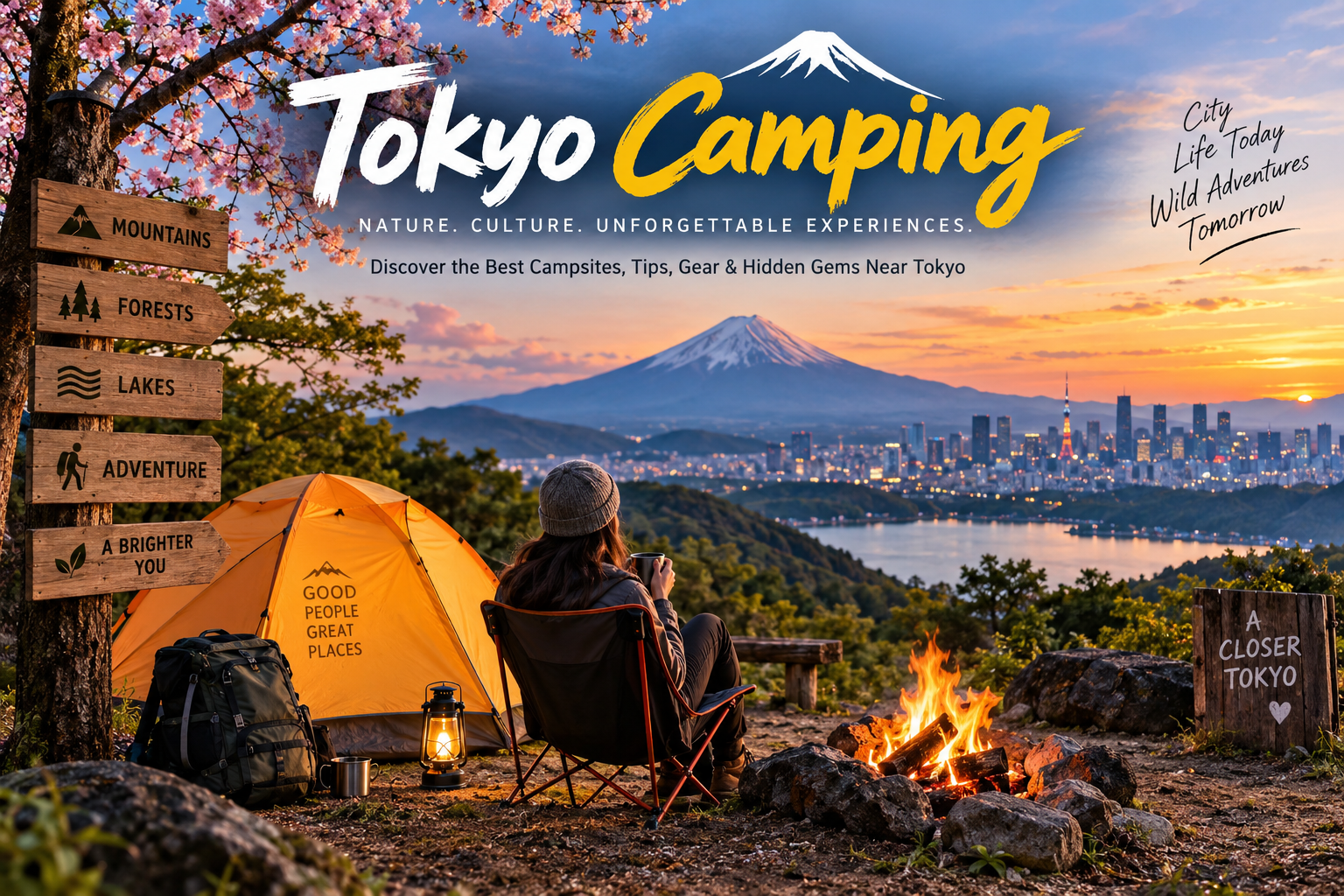
Tokyo Camping: 15 Amazing Places, Tips & Gear Guide
Tokyo camping is far more diverse than many visitors expect, ranging from seaside campsites beside Tokyo Bay to forest retreats, mountain villages, riverside escapes, and easy overnight trips from the city. The best Tokyo camping experience comes from choosing a legal campsite that matches your travel style, preparing for Japan’s weather and transport conditions, and respecting local outdoor rules Tokyo Property
Imagine spending the morning surrounded by skyscrapers, trains, and crowded shopping streets, then waking the next day beneath trees with nothing but birdsong, mountain air, or the distant sound of waves. That contrast is one of the most appealing things about camping in and around Tokyo.
Tokyo is usually associated with Shibuya Crossing, Shinjuku nightlife, temples, shopping, sushi, and futuristic technology. Yet the wider Tokyo metropolitan area also contains forests, mountains, rivers, beaches, islands, and rural communities. The western part of the metropolis is especially important for outdoor travelers, while several accessible campsites sit much closer to central Tokyo.
For international visitors, Tokyo camping can also be an excellent way to experience a less commercial side of Japan. Instead of spending every night in a hotel, you can combine city sightseeing with one or two nights outdoors.
The key is understanding what “Tokyo camping” actually means. A campsite in central Tokyo is very different from a mountain campground in Okutama. A seaside campsite near Haneda feels completely different from a forest campground in Hinohara. Some locations are suitable for families and first-time campers, while others are better for experienced hikers with their own equipment.
This guide explores the best approaches to Tokyo camping, where to go, what to bring, how to choose a campsite, what mistakes to avoid, and how to make an outdoor trip work even if you have never camped in Japan before.
What Is Tokyo Camping Really Like?
Tokyo camping is best understood as a collection of outdoor experiences rather than one single type of trip.
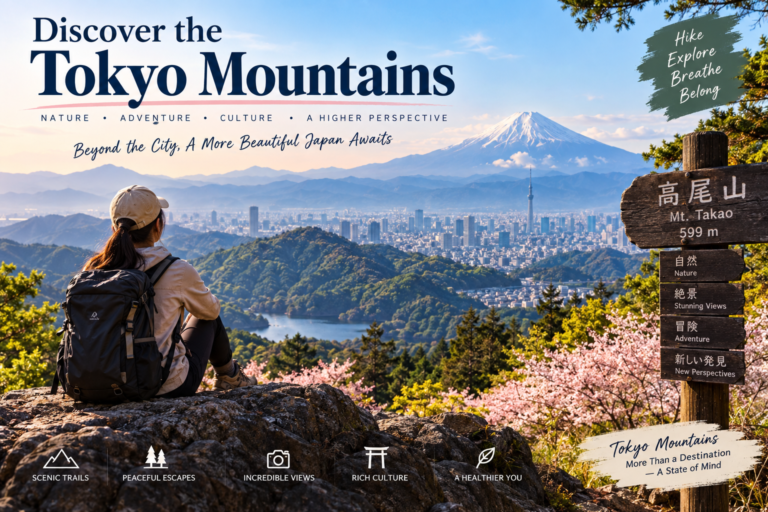
The metropolitan area includes densely developed urban districts, but western Tokyo extends into mountainous territory. Areas around Okutama and Hinohara offer forests, streams, hiking routes, and rural scenery that can feel surprisingly remote compared with central Tokyo.
At the other end of the spectrum are urban and waterfront camping experiences. Jonanjima Seaside Park, for example, is close to Haneda Airport and has a campground, barbecue facilities, a sandy beach, and views of aircraft approaching and departing the airport. GO TOKYO describes the park as roughly half an hour from central Tokyo, depending on the route and traffic conditions.
This makes Tokyo unusual for campers. You do not necessarily need to travel several hours into the countryside before you can sleep outdoors.
Tokyo Camping vs Camping Near Tokyo
There is an important distinction between camping inside Tokyo and camping near Tokyo.
Camping within the Tokyo metropolitan area can mean parks and designated campgrounds that remain relatively close to urban transportation. Camping near Tokyo can include destinations in neighboring prefectures or mountain areas that are commonly visited as Tokyo weekend escapes.
For a travel article or itinerary, it is useful to treat both categories separately.
If you have only one free night, a convenient Tokyo-area campsite may be the better choice. If you have two or three nights and want hiking, waterfalls, forests, or a deeper nature experience, western Tokyo and surrounding mountain areas are more attractive.
Why Tokyo Camping Is Becoming More Appealing
Modern travelers increasingly want experiences rather than simply accommodation. Camping offers a way to slow down after several intense days of sightseeing.
There is also a practical advantage. Japan’s major cities can be overwhelming during a long trip. A night outdoors creates a natural change of pace.
Instead of moving from one attraction to another, camping encourages travelers to spend time in one location. You cook, walk, watch the sunset, listen to the environment, and wake up without immediately checking a train schedule.
Best Areas for Tokyo Camping
The best camping location depends heavily on what you want to experience.
Some campers want convenience. Others want mountains. Families may prioritize bathrooms and easy access, while experienced campers may prefer quieter environments.
Okutama
Okutama is one of the most important outdoor areas associated with Tokyo. It lies in the western part of the metropolis and is known for mountains, forests, rivers, hiking, and rural scenery.
For travelers who imagine Tokyo camping as a peaceful escape from the city, Okutama is one of the strongest choices.
The area is particularly suitable for people who want to combine camping with hiking. Rather than treating the campsite as the entire destination, you can use it as a base for exploring the surrounding landscape.
Okutama also illustrates an important point about Tokyo: administrative boundaries do not always match travelers’ mental image of a place. You can technically remain in Tokyo while feeling hundreds of kilometers away from the city’s busiest neighborhoods.
Hinohara
Hinohara is another excellent choice for travelers seeking forests and traditional rural landscapes.
GO TOKYO describes Hinohara as a mountain village where visitors can experience a quieter side of Tokyo and explore forests, historical sites, and mountain scenery.
The Hinohara Tokyo Citizens’ Forest is also designed around forest recreation, with paths through lush woodland and views of creeks, waterfalls, and mountainsides.
For campers, this makes the wider Hinohara area particularly interesting because the attraction is not simply the campsite. The surrounding environment becomes part of the trip.
Jonanjima
Jonanjima is a completely different experience.
Located in Ota City near Haneda Airport, Jonanjima Seaside Park provides a campground and waterfront environment within metropolitan Tokyo. GO TOKYO lists the park at 4-2-2 Jonanjima, Ota City, and notes its campground, barbecue facilities, beach, dog run, and aircraft viewing opportunities.
This is especially interesting for aviation enthusiasts and travelers who want a simple outdoor experience without committing to a mountain trip.
Imagine sitting outside your tent while aircraft pass overhead. It is not wilderness camping, but it is distinctly Tokyo.
Tokyo Bay Area
Tokyo Bay offers a different type of outdoor experience.
The environment is generally flatter and more urbanized than western Tokyo, but waterfront parks can provide open skies, evening views, and easier access.
These locations can be particularly useful for families or visitors who want camping to be one part of a larger Tokyo itinerary.
Always verify whether overnight camping is currently permitted at a particular park. A park, picnic area, or barbecue area does not automatically mean camping is allowed.
Western Tokyo Mountain Areas
For experienced campers, western Tokyo is where the metropolitan area becomes most interesting.
Mountain environments bring different challenges. Temperatures can differ from central Tokyo, trails can become slippery, weather can change quickly, and transportation may be less frequent.
Hinohara’s official tourism guidance, for example, warns travelers that buses may operate only about once an hour in some areas, making advance planning important.
That is a small detail, but it can make a major difference if you miss the last convenient connection with a large backpack.
15 Tokyo Camping Ideas for Different Travelers
There is no single best campsite for everyone. Instead, think about your preferred camping personality.
1. Best for First-Time Campers
Beginners should prioritize a designated campground with clear facilities, reliable transportation, toilets, water access, and straightforward check-in procedures.
Your first camping trip should be about learning the basics rather than surviving difficult conditions.
Choose a site where you can easily leave if the weather turns bad.
2. Best for Families
Families should look for campsites with relatively flat camping areas, toilets, cooking facilities, parking or accessible transport, and nearby activities.
A campsite close to a river may be beautiful, but children should never be allowed near fast-moving or swollen water without close supervision.
3. Best for Couples
Couples may prefer a quieter forest or riverside environment.
A simple two-person tent, compact cooking setup, comfortable sleeping system, and good food can create a much more memorable trip than carrying excessive equipment.
4. Best for Solo Campers
Solo camping requires extra attention to weather, transportation, communication, and emergency planning.
A solo camper should know exactly where the nearest station, road, staffed facility, or emergency contact point is.
Do not choose a remote location simply because it looks impressive in photographs.
5. Best for Hiking Enthusiasts
Hikers should select a campsite based on access to trails rather than campsite amenities alone.
Okutama and the wider western Tokyo region are particularly appealing because camping can be combined with mountain walks and nature exploration.
6. Best for Aviation Fans
Jonanjima is an obvious option because of its proximity to Haneda Airport and aircraft viewing opportunities.
It is a rare camping environment where aviation becomes part of the scenery.
7. Best for Photography
Photographers should consider sunrise, sunset, foliage, water reflections, and seasonal changes.
Forest campsites can be particularly attractive during autumn, while waterfront areas offer broader horizons.
8. Best for Digital Detox
Choose a quieter forest campsite rather than a highly developed urban campground.
Leave unnecessary electronics packed away and use the trip as a deliberate break from city life.
9. Best for Food Lovers
Camping in Japan can be an enjoyable cooking experience.
Instead of preparing complicated meals, consider simple ingredients that are easy to transport and cook. Rice, noodles, vegetables, grilled foods, soup, and ready-to-cook ingredients can work well.
10. Best for International Visitors
International travelers should prioritize accessibility.
A campsite that requires several complicated bus transfers may not be ideal after a long international flight or a full day of sightseeing.
11. Best for Budget Travelers
Camping can reduce accommodation costs, but do not assume it is always cheaper.
Equipment rental, transportation, food, campsite fees, and activity costs can add up.
If you do not own camping equipment, renting may make more financial sense than buying everything for a single trip.
12. Best for Autumn Camping
Autumn is attractive because of cooler temperatures and seasonal foliage, although exact conditions vary by elevation and year.
Higher elevations and mountain areas can become cold quickly after sunset.
13. Best for Spring Camping
Spring can provide comfortable outdoor conditions, but weather is changeable.
Pack layers rather than relying on one warm jacket.
14. Best for Summer Camping
Summer camping can be enjoyable but requires serious heat and humidity planning.
Ventilation, hydration, shade, insect protection, and appropriate sleeping equipment become especially important.
15. Best for Experienced Campers
Experienced campers can explore more remote-feeling mountain environments, but experience does not eliminate the need to follow campsite rules and weather guidance.
In Tokyo’s mountains, transport planning can be as important as outdoor skills.
How to Choose a Tokyo Campsite
Choosing the campsite is arguably more important than choosing your tent.
A beautiful campsite that takes four complicated connections to reach may produce a worse experience than a simpler location near reliable transport.
Check Legal Camping Status
Never assume you can pitch a tent simply because an area contains grass or forest.
Japan has designated campgrounds and many areas where overnight camping is restricted or prohibited.
Always check the current rules of the specific park, campground, municipality, landowner, or managing organization.
Check Transportation
Look at the entire journey rather than simply the nearest station.
Ask:
How far is the station from the campsite?
Is there a bus?
How frequently does it operate?
When is the final bus?
Do reservations need to be made?
Can you carry your equipment comfortably?
A location that looks close on a map may involve steep roads or a long walk.
Check Facilities
For beginners, useful facilities include:
- Toilets
- Drinking water
- Cooking areas
- Waste disposal information
- Showers
- Reception or staff
- Fire-use areas
- Tent platforms or level ground
- Nearby shops
Not every campsite offers all of these.
Check Weather and Seasonal Restrictions
Weather should influence your campsite choice.
Rain can transform a pleasant riverside campsite into an uncomfortable or unsafe environment. Strong wind can make tent setup difficult. Heat can make sleeping unpleasant even with good equipment.
Check the forecast immediately before departure and again before leaving for the campsite.
Check Reservation Requirements
Many Japanese campsites use reservations, particularly during popular seasons and weekends.
Do not assume you can arrive without booking.
What to Pack for Tokyo Camping
A successful camping trip is built around a few essential systems rather than an enormous pile of equipment.
Shelter
Your shelter should match the number of people, expected weather, and season.
For beginners, a straightforward freestanding tent is usually easier to manage than an advanced shelter system.
A rainfly is important because weather can change quickly.
Sleeping System
Your sleeping setup typically consists of:
- Sleeping bag
- Sleeping pad
- Pillow or compact alternative
- Groundsheet where appropriate
The sleeping pad is often underestimated by beginners.
A good sleeping pad provides both comfort and insulation from the ground.
Cooking Equipment
A basic cooking system may include:
- Portable stove
- Appropriate fuel
- Pot
- Cup
- Plate or bowl
- Utensils
- Lighter or ignition source
- Food storage container
Always follow the campsite’s rules for cooking and open flames.
Clothing
Layering is more flexible than bringing one heavy outfit.
Consider:
- Base layer
- Insulating layer
- Waterproof shell
- Comfortable pants
- Extra socks
- Hat
- Rain protection
- Appropriate footwear
Mountain camping requires more serious footwear than an urban park campsite.
Lighting
Bring a headlamp rather than relying exclusively on your phone flashlight.
A headlamp leaves both hands free for cooking, walking, or setting up a tent.
Navigation and Communication
Carry a charged phone and backup power source.
For more remote trips, consider offline maps and a physical backup plan.
Do not rely completely on mobile coverage.
First-Aid Supplies
A compact first-aid kit should cover basic cuts, blisters, minor burns, and common personal needs.
If you take medication, bring enough for the trip plus a reasonable backup.
Tokyo Camping Food: What Should You Cook?
Camping food does not need to be complicated.
In fact, complicated meals can become frustrating when you are tired, hungry, or cooking in poor weather.
Easy Breakfast
A simple breakfast might include bread, eggs, fruit, yogurt, coffee, tea, or prepared rice.
Easy Lunch
For a hiking day, choose portable foods that do not require extensive cooking.
Rice balls, sandwiches, noodles, fruit, nuts, and energy foods are practical choices.
Easy Dinner
A one-pot meal can be ideal.
You can prepare noodles, soup, curry-style meals, rice dishes, grilled vegetables, or simple meat and vegetable combinations depending on your equipment and campsite rules.
Food Storage
Food should be protected from insects, animals, heat, and contamination.
Never leave food scattered around your campsite.
Follow local waste and food-storage requirements.
Tokyo Camping Etiquette
Good camping etiquette is particularly important in a country where visitors are expected to respect shared spaces.
Keep Noise Low
Do not treat a campsite as an outdoor nightclub.
Loud music, shouting, and late-night conversations can disturb other campers and nearby residents.
Keep the Campsite Clean
Take responsibility for your waste.
If a campsite has specific waste separation rules, follow them.
Respect Quiet Hours
Many campsites have quiet periods.
These rules are not merely suggestions. They help ensure that camping remains acceptable to neighboring communities.
Control Fires
Never build a campfire where it is prohibited.
Use designated fire areas and follow the campsite’s instructions.
Respect Nature
Do not cut trees, damage plants, disturb wildlife, or leave food behind.
The goal of camping is to experience nature without degrading it.
Tokyo Camping Safety
Camping is generally straightforward when you prepare properly, but outdoor environments require different thinking from city travel.
Watch River Conditions
Never assume a calm river is safe.
Water levels can rise rapidly after rainfall, sometimes upstream from where you are camping.
If a campsite issues an evacuation or weather warning, follow it immediately.
Prepare for Heat
Summer in Tokyo can be hot and humid.
Drink regularly, take breaks, use shade, and avoid unnecessary exertion during the hottest part of the day.
Prepare for Rain
A rain jacket is not enough if your shelter is poorly prepared.
Set up your tent correctly and make sure the rainfly is properly positioned.
Keep sleeping equipment protected from moisture.
Be Careful Around Fire
Portable stoves and campfires are useful but potentially dangerous.
Keep flames away from tents, dry vegetation, clothing, and children.
Never leave a fire unattended.
Watch Your Route Home
This is especially important in rural western Tokyo.
Hinohara tourism guidance notes that some local buses may run approximately once per hour, so missing a connection can significantly affect your itinerary.
Tokyo Camping for International Tourists
International visitors face a few extra challenges.
The biggest is not necessarily camping itself. It is logistics.
Carrying Camping Gear Through Tokyo
Tokyo trains can be extremely busy.
A large backpack, tent, cooking equipment, and sleeping bag can become difficult to manage during peak commuting periods.
If possible, travel during less crowded hours.
Renting Camping Equipment
Equipment rental can make camping more accessible to travelers who do not want to carry gear internationally.
Check the exact rental contents before booking.
Do not assume that a rental package automatically includes a sleeping bag, stove, fuel, cookware, lights, or chairs.
Language Considerations
Many tourist-oriented facilities provide information in English, but not every campground will.
Save important reservation details, addresses, telephone numbers, and directions offline.
Learning a few basic Japanese camping terms can also be helpful.
Cash and Payments
Do not assume every campground accepts every international payment method.
Check payment requirements before traveling.
Having an appropriate amount of Japanese yen available can make rural travel easier.
Tokyo Camping Costs
Camping costs vary considerably depending on the location, season, number of campers, equipment, transportation, and activities.
A budget should include more than the campsite fee.
Think about:
- Campsite reservation fee
- Transportation
- Food
- Equipment rental
- Equipment purchase
- Firewood or fuel
- Showers
- Parking
- Activities
- Emergency expenses
The cheapest campsite is not necessarily the cheapest trip.
A distant campsite with expensive transportation may cost more overall than a slightly more expensive campsite close to a station.
10 Camping Brands Worth Knowing for Tokyo Camping
Choosing equipment can be confusing because Japan has a large outdoor gear market with both domestic and international brands.
The right choice depends on budget, camping style, durability, weight, and how often you plan to camp.
The following comparison is designed as a practical starting point rather than a ranking of absolute quality. Japanese outdoor media regularly feature brands such as Snow Peak, Coleman, LOGOS, DOD, CAPTAIN STAG, mont-bell, ogawa, and other major manufacturers.
| Brand | Origin/Market | Best Known For | Beginner Friendly | Typical Position | Best For |
|---|---|---|---|---|---|
| Snow Peak | Japan | Premium camping gear | Yes | Premium | Long-term campers |
| Coleman | USA/Japan market | Broad camping range | Excellent | Mid-range | Beginners and families |
| LOGOS | Japan | Family camping gear | Excellent | Budget–mid | Families |
| DOD | Japan | Creative, distinctive gear | Yes | Mid-range | Casual and stylish camping |
| mont-bell | Japan | Outdoor clothing and lightweight gear | Excellent | Mid-range | Hiking + camping |
| CAPTAIN STAG | Japan | Broad affordable outdoor range | Excellent | Budget–mid | Budget campers |
| ogawa | Japan | Tents and shelters | Yes | Mid–premium | Serious campers |
| UNIFLAME | Japan | Cooking and fire equipment | Yes | Mid-range | Camp cooking |
| SOTO | Japan | Stoves and outdoor cooking | Yes | Mid–premium | Lightweight cooking |
| Helinox | South Korea | Lightweight furniture | Yes | Premium | Comfort-conscious campers |
Snow Peak
Snow Peak is one of Japan’s best-known premium outdoor brands.
The company originated in Niigata and is strongly associated with Japanese camping culture and high-end outdoor equipment.
Snow Peak is particularly attractive to campers who care about design, materials, durability, and creating a coordinated campsite.
The downside is simple: premium equipment can be expensive.
For a person camping once during a two-week vacation, buying a complete premium setup may make little financial sense. For someone who intends to camp regularly, the calculation changes.
Coleman
Coleman is an American brand with a particularly established presence in Japan.
Coleman’s Japanese operation has developed products specifically for the Japanese market, including tents, sleeping bags, furniture, and other camping equipment. Its Japanese business history dates back decades.
Coleman is a strong beginner option because of its broad product selection.
LOGOS
LOGOS is a Japanese outdoor brand with a strong family-camping presence.
Its product range includes tents, chairs, tables, cooking equipment, coolers, and other camping essentials. Japanese outdoor retailers commonly position LOGOS as a relatively accessible option for families and beginners.
DOD
DOD is known for distinctive designs and playful product concepts.
It can appeal to campers who want their equipment to look different from conventional outdoor gear.
Its broad range makes it possible to build a complete camping setup around the brand.
mont-bell
mont-bell is especially relevant for travelers who combine hiking with camping.
Instead of thinking only about tents and chairs, consider the entire outdoor clothing system.
A camper hiking in western Tokyo may benefit more from lightweight clothing and reliable rain protection than from a huge collection of campsite furniture.
CAPTAIN STAG
CAPTAIN STAG offers a broad range of outdoor equipment and is often associated with practical, accessible camping products.
It is useful for beginners who want to assemble a functional setup without immediately moving into premium gear.
ogawa
ogawa has a long association with tents and outdoor shelters.
It is particularly interesting for campers who prioritize tent design and campsite comfort.
UNIFLAME
UNIFLAME is particularly useful for cooking and fire-related camping equipment.
If your camping style revolves around preparing good meals outdoors, this is a brand worth researching.
SOTO
SOTO is well known for outdoor stoves and cooking equipment.
Compact cooking systems are especially useful when you need to carry your equipment by train or bus.
Helinox
Helinox is particularly associated with lightweight outdoor furniture.
Its chairs and tables can be attractive to travelers who want campsite comfort without carrying heavy furniture.
How to Build a Tokyo Camping Kit on a Budget
One of the biggest beginner mistakes is buying everything at once.
You do not need the most expensive tent, chair, table, cooler, lantern, cookware system, and accessories before your first trip.
Start with the systems that directly affect safety and sleep.
Spend More on the Right Things
If your budget is limited, prioritize:
- Shelter
- Sleeping pad
- Sleeping bag
- Weather protection
- Lighting
- Cooking system
- Comfort accessories
A cheap decorative accessory will not improve your trip as much as a reliable sleeping pad.
Rent Before Buying
If you are visiting Japan from overseas, renting is particularly attractive.
Try camping first.
After the trip, you will know whether you actually enjoy carrying camping gear, cooking outdoors, sleeping in a tent, and dealing with changing weather.
Tokyo Camping in Different Seasons
Season changes the entire camping experience.
Spring
Spring is comfortable for many outdoor activities, but conditions can vary.
Pack layers and rain protection.
Check the forecast shortly before your trip rather than relying on historical averages alone.
Summer
Summer is the most demanding season for many campers because of heat, humidity, insects, and the possibility of heavy rain.
Prioritize ventilation and hydration.
Do not underestimate how difficult it can be to sleep in a poorly ventilated tent during a warm night.
Autumn
Autumn is one of the most attractive periods for camping because of cooler conditions and seasonal scenery.
However, mountain areas can become significantly colder after sunset.
Winter
Winter camping should generally be approached by experienced campers unless the campsite and equipment are specifically suited to beginners.
Cold-weather sleeping requires appropriate insulation and careful preparation.
Tokyo Camping and Hiking: The Perfect Combination
Camping becomes much more rewarding when combined with hiking.
Rather than driving or taking transportation directly to a campsite and staying there all weekend, consider building a small outdoor itinerary.
For example:
Travel from central Tokyo to a western mountain area in the morning.
Walk a suitable trail.
Arrive at the campground.
Set up before dark.
Cook dinner.
Sleep outdoors.
Have breakfast.
Take a short morning walk.
Return to Tokyo in the afternoon.
This format gives you the benefits of nature without requiring a long wilderness expedition.
Choose Trails Based on Ability
Do not select a trail simply because it appears beautiful on social media.
Consider distance, elevation, weather, footwear, daylight, transportation, and your group’s experience.
Hinohara’s forest environment includes paths suitable for different levels of visitors, from more experienced hikers to families and older visitors seeking easier walks.
Common Tokyo Camping Mistakes
Even experienced travelers can make mistakes when camping in an unfamiliar country.
Mistake 1: Assuming Every Green Area Allows Camping
A forest is not automatically a campground.
Only camp where overnight camping is permitted.
Mistake 2: Ignoring the Last Bus
This is one of the easiest mistakes to make in rural Tokyo.
Always check the final connection.
Mistake 3: Packing Too Much
Camping equipment becomes heavy very quickly.
Ask whether every item serves a real purpose.
Mistake 4: Packing Too Little
The opposite problem is equally common.
Do not sacrifice essential rain protection, warmth, lighting, or navigation equipment simply to reduce weight.
Mistake 5: Arriving After Dark
Setting up a tent for the first time in darkness is unnecessarily difficult.
Aim to arrive with enough daylight to understand the site and establish camp.
Mistake 6: Ignoring Weather
Tokyo’s urban weather and conditions in mountainous areas can feel very different.
Check the specific destination.
Mistake 7: Treating Camping Like a Hotel
A campsite requires participation.
You set up your shelter, manage food, deal with weather, clean your area, and pack everything afterward.
That is part of the appeal.
Pros and Cons of Tokyo Camping
Advantages of Tokyo Camping
Tokyo camping offers several major advantages.
First, it provides an unusual contrast between city and nature.
Second, it can add variety to a Japan itinerary.
Third, it can be a memorable experience for families, couples, solo travelers, and photographers.
Fourth, western Tokyo provides access to mountain environments without requiring international travel beyond the metropolitan area.
Fifth, camping can encourage slower and more meaningful travel.
Disadvantages of Tokyo Camping
Camping also has limitations.
Weather can disrupt plans.
Transportation can be less convenient outside central Tokyo.
Some campsites require advance reservations.
Equipment can be expensive.
Summer heat and humidity can be uncomfortable.
Mountain environments require greater preparation than city sightseeing.
The best solution is not to avoid these disadvantages but to choose a camping style that matches your experience.
A Simple 2-Day Tokyo Camping Itinerary
A two-day itinerary is enough to experience the concept without turning the trip into an expedition.
Day One Morning
Leave central Tokyo early.
Travel toward your selected outdoor area.
Avoid unnecessarily late departures because transportation options may become less frequent as you move into rural areas.
Day One Afternoon
Arrive at the campground.
Check in and establish your tent before exploring.
Keep the first day relaxed.
Day One Evening
Prepare dinner.
Enjoy the surroundings.
Follow campsite quiet hours.
Store food correctly.
Check the weather for the following day.
Day Two Morning
Wake early.
Have breakfast.
Pack gradually rather than rushing.
Take a short walk or hike if conditions are suitable.
Day Two Afternoon
Return to the station or transport point with enough time to avoid missing the final connection.
Travel back to central Tokyo.
Leave the evening free for a shower, meal, and rest.
A More Adventurous 3-Day Tokyo Camping Itinerary
Three days provide greater flexibility.
Day One
Travel to western Tokyo.
Explore the local area.
Camp overnight.
Day Two
Spend the day hiking or exploring forests, rivers, villages, or nearby attractions.
Return to camp for a second night.
Day Three
Have a relaxed breakfast.
Pack.
Complete a short activity.
Return to Tokyo in the afternoon or early evening.
This format works particularly well for travelers who want nature without giving up the city’s restaurants, nightlife, museums, and shopping.
How Tokyo Camping Can Become a Sustainable Travel Experience
Camping has an obvious connection with nature, but camping is not automatically sustainable.
A large amount of disposable packaging, excessive transportation, food waste, and damaged vegetation can create an environmental burden.
A better approach is to use the principle of leaving the campsite at least as clean as you found it.
Reduce Disposable Items
Use reusable bottles, containers, and utensils when practical.
Stay on Established Paths
Do not create shortcuts through vegetation.
Control Waste
Pack and dispose of waste according to local instructions.
Respect Wildlife
Observe animals without feeding or approaching them.
Support Local Communities
Buy food and supplies locally when practical.
Use local businesses and follow community rules.
This turns camping from simple outdoor recreation into a more responsible form of tourism.
Tokyo Camping Trends to Watch
Camping continues to evolve beyond traditional tent-and-campfire experiences.
More Lightweight Gear
Travelers who use trains and buses increasingly benefit from lightweight equipment.
A smaller tent and compact cooking system can make public-transport camping far easier.
More Comfortable Camping
Camping does not necessarily mean discomfort.
Modern equipment allows campers to sleep, cook, sit, and stay dry much more effectively than older equipment.
Hybrid City-and-Nature Trips
One of the most interesting trends is the combination of urban tourism with short outdoor stays.
A traveler might spend three nights in Shinjuku, one night camping near western Tokyo, and then return to the city.
This creates a more varied itinerary.
Technology-Assisted Camping
Offline maps, weather apps, digital reservations, portable batteries, and GPS devices are becoming normal parts of outdoor travel.
However, technology should support outdoor skills rather than replace them.
More International Campers
As travelers search for experiences beyond traditional Tokyo attractions, camping can become an increasingly interesting part of international tourism.
The challenge will be ensuring that visitors understand local rules and do not treat natural spaces like unrestricted public land.
The Future of Tokyo Camping
The future of Tokyo camping will likely involve a combination of accessibility, comfort, sustainability, and technology.
Urban residents will continue looking for quick escapes from dense city environments.
International travelers will increasingly seek experiences that feel personal rather than standardized.
Campsites may also become more sophisticated, with easier reservations, equipment rental, improved facilities, and better information for international visitors.
At the same time, responsible tourism will become more important.
The success of outdoor tourism depends on maintaining the natural and community environments that make these places attractive in the first place.
The best future for Tokyo camping is therefore not simply more visitors.
It is better-prepared visitors.
Frequently Asked Questions About Tokyo Camping
Is camping allowed in Tokyo?
Camping is allowed at designated campsites, but you should not assume that camping is permitted simply because an area is public, green, or near a river. Always confirm the current rules of the specific location before pitching a tent.
Can you camp in central Tokyo?
There are limited camping opportunities in the wider Tokyo metropolitan area, but central Tokyo is primarily an urban environment. Waterfront and suburban camping locations are generally more realistic than expecting wilderness camping in central districts.
What is the best area for camping near Tokyo?
Okutama and western Tokyo are among the most attractive choices for travelers seeking mountains, forests, rivers, and hiking. Jonanjima is a different option for travelers who want an accessible waterfront camping experience close to Haneda Airport.
Is Tokyo camping suitable for beginners?
Yes. Beginners should choose an established campground with facilities, straightforward transportation, and easy access to help. Avoid making your first trip an extremely remote mountain adventure.
Can tourists rent camping equipment in Japan?
Equipment rental is available at some camping facilities and outdoor providers, although availability varies by location. Always confirm exactly what is included before booking.
Can you camp near Tokyo without a car?
Yes. Public-transport camping is possible, particularly when you choose a campsite near a train station or bus route. However, rural transportation may be infrequent, so check schedules carefully.
What should I bring camping in Tokyo?
Essential items include a suitable tent, sleeping bag, sleeping pad, weatherproof clothing, lighting, food, water or an appropriate water plan, cooking equipment where needed, first-aid supplies, and a charged phone or backup power source.
Is Tokyo camping expensive?
It can be affordable, but total costs depend on campsite fees, transportation, food, equipment, and rentals. Buying a large amount of equipment for one trip can make camping more expensive than expected.
What is the best season for Tokyo camping?
Spring and autumn can be particularly comfortable, but the best season depends on the specific location and your camping style. Summer requires careful preparation for heat, humidity, insects, and rain, while winter requires suitable cold-weather equipment.
Is camping near Tokyo safe?
Camping at established sites can be very manageable when you follow campsite rules, monitor weather, protect food, manage fire safely, and understand transportation and emergency procedures.
Can I make a campfire in Tokyo?
Only where campfires are specifically permitted and according to the site’s rules. Never assume that a campsite automatically allows open fires.
Is camping near a river safe?
A riverside campsite can be beautiful but requires caution. Heavy rain can cause water levels to rise quickly. Follow campsite warnings and avoid camping in locations that are not officially designated for overnight use.
What camping brand is best for beginners?
Coleman, LOGOS, CAPTAIN STAG, and other accessible brands offer broad ranges suitable for beginners. The best choice depends on budget and whether you need a complete setup or only individual pieces of equipment.
Is Snow Peak worth it for Tokyo camping?
Snow Peak can be an excellent choice for campers who value premium design, materials, and long-term use. However, beginners do not need premium equipment to enjoy a Tokyo camping trip.
What is the best camping brand in Japan?
There is no single best brand. Snow Peak, Coleman, LOGOS, DOD, mont-bell, CAPTAIN STAG, ogawa, UNIFLAME, SOTO, and other brands have different strengths.
Can I combine Tokyo camping with sightseeing?
Absolutely. In fact, this may be one of the best ways to experience it. Spend several days exploring central Tokyo, then add one or two nights in a nearby outdoor area.
Quick Tokyo Camping Checklist
Before leaving your accommodation, confirm the following:
- Campsite reservation completed
- Camping is legally permitted
- Weather checked
- Transportation checked
- Last bus or train confirmed
- Tent packed
- Sleeping bag packed
- Sleeping pad packed
- Rain protection packed
- Warm layers packed
- Headlamp packed
- Food packed
- Cooking equipment packed
- Water plan confirmed
- First-aid kit packed
- Power bank charged
- Offline map available
- Emergency contacts saved
- Waste rules understood
- Fire rules understood
Key Takeaways
- Tokyo camping offers much more variety than many visitors expect.
- Western Tokyo, especially the Okutama and Hinohara areas, provides mountain and forest experiences.
- Jonanjima offers a distinctive waterfront camping experience close to Haneda Airport.
- Beginners should start with an established campsite rather than attempting remote camping.
- Public transportation can work well, but rural bus schedules require careful planning.
- Weather, especially heat, rain, and mountain conditions, should influence your equipment and itinerary.
- Do not assume that every forest, beach, riverbank, or park permits camping.
- You do not need premium equipment to enjoy Tokyo camping.
- Snow Peak, Coleman, LOGOS, DOD, mont-bell, CAPTAIN STAG, ogawa, UNIFLAME, SOTO, and Helinox are useful brands to research.
- Camping becomes more sustainable when visitors respect local communities, wildlife, vegetation, waste rules, and campsite restrictions.
- The best Tokyo camping trip is not necessarily the most remote one. It is the trip that matches your experience, equipment, transportation, weather, and comfort level.
Conclusion
Tokyo camping reveals a side of Japan’s capital that many first-time visitors never see.
The city may be famous for neon lights, technology, shopping, restaurants, temples, and crowded stations, but its wider metropolitan landscape also contains forests, mountains, rivers, coastlines, and quiet rural communities.
That contrast is what makes camping here so appealing.
For a beginner, the smartest approach is simple: choose a designated campsite, confirm the rules, check transportation, watch the weather, bring reliable sleeping and rain gear, and avoid making the first trip unnecessarily complicated.
For experienced campers, western Tokyo offers opportunities to combine camping with hiking and deeper exploration.
For international travelers, camping can become a valuable addition to a traditional Tokyo itinerary. Instead of spending every night surrounded by concrete, you can spend one or two nights listening to rain on a tent, watching a forest change color, cooking a simple meal outdoors, or seeing aircraft cross the sky near Tokyo Bay.