Travel Trips: 25 Smart Tips for Better Adventures in 2026
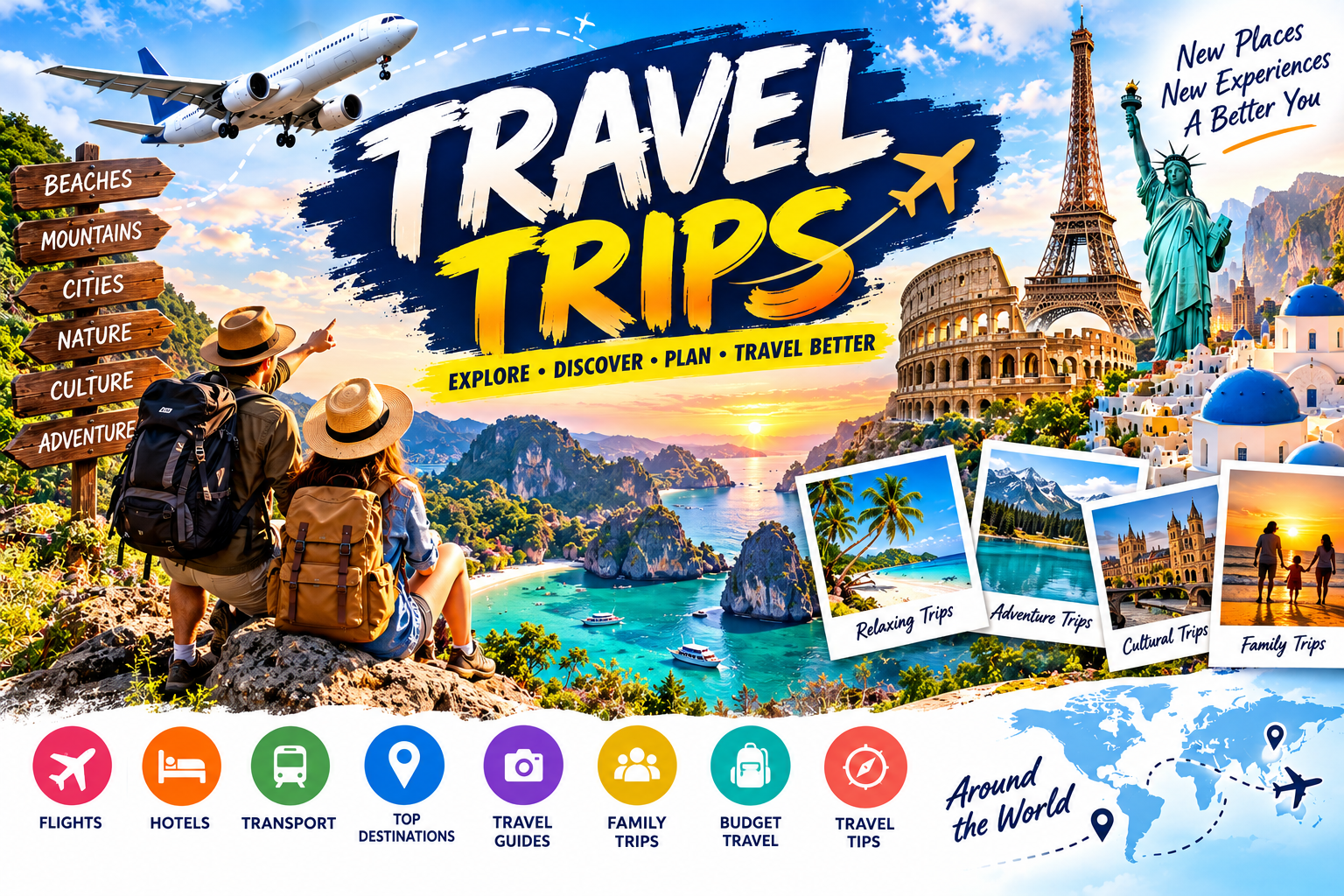
Have you ever returned from a holiday feeling that you needed another holiday just to recover from the planning, rushing, and unexpected expenses? The best travel trips are not necessarily the most expensive or those that take you to the most famous destinations. They are the journeys that match your interests, budget, available time, and expectations while giving you opportunities to discover something memorable. Travel trips can be short weekend escapes, international holidays, family vacations, solo adventures, road trips, or extended journeys around the world. With thoughtful planning, flexible budgeting, reliable travel information, and a realistic itinerary, you can enjoy better travel experiences without spending more than necessary Tokyo Photography
What Are Travel Trips?
Travel trips are journeys undertaken for leisure, adventure, relaxation, education, business, cultural exploration, family visits, or personal development. They can last a few hours, a weekend, several weeks, or even months.
Some travel trips involve visiting another city within your home country. Others take travellers across international borders to experience different cultures, landscapes, cuisines, and ways of life.
The term covers a wide range of experiences, including:
- Weekend city breaks.
- Beach holidays.
- Mountain adventures.
- International sightseeing tours.
- Family vacations.
- Romantic getaways.
- Solo travel experiences.
- Road trips.
- Cultural and historical journeys.
- Nature and wildlife holidays.
- Business travel.
- Educational trips.
- Long-term backpacking adventures.
- Luxury holidays.
- Budget-friendly travel experiences.
The right trip depends on what you want to achieve. Someone seeking rest might prefer a peaceful coastal destination, while a history enthusiast may enjoy exploring ancient cities and museums.
A family travelling with young children will probably prioritise convenience and safety. A solo traveller might prefer destinations with reliable public transport, social activities, and accommodation that makes meeting other travellers easier.
Understanding your purpose before choosing a destination helps you create a travel experience that feels rewarding rather than exhausting.
Why Travel Trips Matter More Than Ever
Travel can offer much more than a change of scenery. It can introduce people to different cultures, encourage independence, strengthen relationships, and provide opportunities to learn outside familiar surroundings.
However, modern travel also presents challenges. Flight prices fluctuate, popular destinations can become crowded, accommodation costs vary significantly, and travellers must navigate changing entry requirements and transportation options.
This makes informed planning increasingly important.
Travel Provides a Break from Everyday Routines
Daily responsibilities can leave little time for relaxation or exploration. A carefully planned trip offers an opportunity to step away from familiar routines and focus on experiences outside everyday life.
Even a short weekend journey can provide a refreshing change.
For example, someone living in a busy city might spend two nights in a quiet mountain town. Instead of filling every hour with activities, they could enjoy scenic walks, local food, and a slower pace of life.
The benefit does not necessarily depend on travelling far. Sometimes, changing your surroundings is enough to make a short break feel worthwhile.
Travel Encourages Cultural Understanding
Visiting another country allows travellers to experience traditions, food, architecture, languages, and social customs firsthand.
Reading about a culture can be informative, but experiencing it directly often creates a deeper appreciation.
Travellers can make their experiences more meaningful by learning a few local phrases, visiting community-run businesses, respecting religious customs, and asking permission before photographing people.
These small actions can make interactions more positive for both visitors and residents.
Travel Creates Shared Memories
Travel trips can strengthen relationships by giving friends, couples, and families opportunities to experience new things together.
A family might remember a rainy afternoon exploring a museum more vividly than a carefully scheduled sightseeing tour. Friends might recall an unexpected roadside restaurant long after forgetting the name of an expensive hotel.
Not every memorable travel experience needs to be planned.
Allowing time for spontaneous discoveries can make a trip feel more personal and enjoyable.
Travel Can Support Personal Growth
Travelling independently often requires people to solve problems, communicate with unfamiliar people, manage money, and adapt to changing circumstances.
These experiences can build confidence and encourage greater independence.
A delayed train, a language barrier, or an unfamiliar public transport system may initially seem frustrating. With preparation and patience, these challenges can become opportunities to develop practical skills.
Travel is not always comfortable, but learning to navigate unfamiliar situations can be valuable.
The Main Types of Travel Trips
Before booking anything, decide which type of journey best suits your needs.
Different trips require different levels of planning, spending, transportation, and preparation.
1. Weekend Travel Trips
Weekend trips are ideal for people who have limited annual leave or cannot commit to a longer holiday.
They typically last two or three days and may involve visiting a nearby city, coastal town, countryside destination, or mountain resort.
Best for: Busy professionals, couples, students, and travellers who want a short break.
To make a weekend trip successful:
- Choose a destination that is relatively easy to reach.
- Avoid spending most of your time travelling.
- Book accommodation close to the activities you want to enjoy.
- Select two or three main experiences rather than planning every hour.
- Check transport schedules for your return journey.
For example, a traveller could arrive in a historic city on Friday evening, explore its old town on Saturday, visit a museum or local market on Sunday morning, and return home that afternoon.
The secret is to keep the itinerary manageable.
2. International Travel Trips
International trips involve crossing national borders and may require passports, visas, entry permits, travel insurance, or other documentation.
They can provide opportunities to experience unfamiliar cultures, climates, cuisines, and landscapes.
However, international travel requires more preparation than many domestic journeys.
Before booking, check:
- Passport validity requirements.
- Visa or electronic travel authorisation rules.
- Entry and transit requirements.
- Flight connections and baggage allowances.
- Accommodation check-in arrangements.
- Local transportation.
- Currency and payment options.
- Travel insurance coverage.
- Health and safety guidance.
- Local laws and cultural expectations.
Entry requirements depend on your nationality, destination, purpose of travel, and sometimes your transit route.
Always verify the latest requirements through official government or embassy sources before paying for non-refundable bookings.
3. Family Travel Trips
Family holidays must accommodate different ages, energy levels, interests, and practical needs.
Travelling with children can be rewarding, but a schedule that works for adults travelling alone may be unrealistic for a family.
Look for destinations with accessible attractions, suitable accommodation, convenient transport, family-friendly restaurants, and activities that children can enjoy.
A useful family itinerary combines one major activity with smaller, flexible experiences.
For example, a family spending four days in a European city might plan a major attraction in the morning, a relaxed lunch, an afternoon park visit, and an early evening meal.
Leave space for rest, unexpected delays, and changes in weather.
Families should also consider accommodation with kitchen facilities or laundry access when these features offer practical savings.
4. Solo Travel Trips
Solo travel allows people to organise their own schedules, explore personal interests, and make independent decisions.
It can be particularly appealing to travellers who enjoy flexibility or want to develop confidence in unfamiliar environments.
However, solo travellers need to pay attention to accommodation locations, transport availability, communication options, and personal safety.
Useful precautions include:
- Research neighbourhoods before booking.
- Share your general itinerary with someone you trust.
- Keep emergency contacts accessible offline.
- Use reputable transportation providers.
- Avoid displaying expensive belongings unnecessarily.
- Know how to contact local emergency services.
- Arrange a reliable way to access money if one payment method fails.
Solo travel does not mean avoiding every unfamiliar experience. It means balancing curiosity with sensible preparation.
5. Road Trips
Road trips offer flexibility because travellers can choose their own routes, stop at scenic viewpoints, and explore smaller communities that may be difficult to reach by public transport.
They can be ideal for families, groups of friends, photographers, and nature enthusiasts.
Before departure, calculate fuel, tolls, parking, accommodation, food, and vehicle-related expenses.
Check the vehicle’s condition, tyre pressure, fluid levels, lights, and spare tyre where applicable. Confirm that your driving licence, insurance, and rental agreement cover the journey.
International road trips may require additional documents or permits.
Avoid planning driving days that are so long that fatigue becomes a serious concern. Regular breaks and realistic arrival times make journeys safer and more enjoyable.
6. Adventure Travel Trips
Adventure travel may involve hiking, trekking, cycling, kayaking, climbing, skiing, or other physically demanding activities.
The destination should match your fitness, experience, equipment, and tolerance for challenging conditions.
Before booking an adventure activity, consider:
- Whether specialist equipment is required.
- Whether a licensed guide is advisable.
- Seasonal weather conditions.
- Local emergency support.
- Cancellation policies.
- Activity-specific insurance exclusions.
- Physical preparation.
- Environmental protection requirements.
A beginner planning a mountain hike should not assume that a popular route is automatically easy or safe.
Research the actual conditions, distance, elevation, weather exposure, and difficulty before committing.
7. Luxury Travel Trips
Luxury travel focuses on comfort, personalised service, distinctive accommodation, fine dining, privacy, and exclusive experiences.
It does not always require spending excessively.
Travellers can prioritise one or two premium experiences while choosing more economical options elsewhere.
For example, someone might book a special beachfront hotel for two nights and spend the remainder of a week in a comfortable mid-range property.
This approach allows travellers to enjoy selected luxuries without paying premium prices for every part of the journey.
8. Budget Travel Trips
Budget travel focuses on maximising the value of available money.
It may involve public transport, guesthouses, affordable restaurants, free attractions, flexible travel dates, or destinations where accommodation and daily expenses are relatively inexpensive.
Budget travel should not mean ignoring safety or booking the cheapest option regardless of quality.
Instead, compare the total cost and practical value of each choice.
A cheap hotel far outside a city centre might require expensive taxis and consume valuable time. A slightly more expensive hotel near public transport may offer better overall value.
9. Nature and Wildlife Trips
Nature-focused travel includes national parks, forests, coastal landscapes, deserts, mountains, wetlands, and wildlife observation.
These trips can provide opportunities to appreciate natural environments and learn about conservation.
Responsible nature travel requires respecting protected areas, following local rules, avoiding disturbance to wildlife, and taking rubbish away when appropriate.
Use reputable guides for activities involving wildlife or unfamiliar terrain.
Never assume that an animal is safe to approach simply because other visitors are nearby.
10. Cultural and Historical Trips
Cultural trips centre on museums, historical buildings, archaeological sites, religious landmarks, traditional markets, local crafts, and regional food.
They can be especially rewarding for travellers who enjoy understanding how places developed over time.
Research opening days, ticket requirements, dress expectations, photography restrictions, and guided-tour availability.
Consider visiting major attractions early in the day or later in the afternoon to reduce exposure to the busiest periods.
A guided walking tour can also help explain the historical context behind buildings and neighbourhoods that might otherwise seem ordinary.
How to Plan Travel Trips Step by Step
Good planning reduces uncertainty without removing the freedom to explore.
The following method works for short domestic breaks and longer international holidays.
Step 1: Decide What You Want from the Trip
Begin by identifying your main objective.
Ask yourself:
- Do I want relaxation or adventure?
- Am I interested in history, food, nature, or shopping?
- Do I want to spend time alone or with other people?
- Am I travelling with children or older relatives?
- Do I prefer organised tours or independent exploration?
- How much time can I realistically spend travelling?
Your answers will narrow the number of destinations worth considering.
If relaxation is your priority, choosing a destination famous for its nightlife and crowded attractions may not be the best decision.
Likewise, a traveller interested in ancient architecture may gain more from a historical city than a remote beach resort.
Step 2: Establish Your Total Budget
Set a realistic spending limit before booking flights or accommodation.
Divide the budget into major categories:
| Expense category | What to include |
|---|---|
| Transportation | Flights, trains, buses, fuel, taxis and transfers |
| Accommodation | Hotels, hostels, guesthouses or holiday rentals |
| Food | Restaurants, groceries, drinks and snacks |
| Activities | Attractions, guided tours, tickets and excursions |
| Documentation | Visas, permits, passport-related expenses where applicable |
| Insurance | Travel insurance and relevant activity coverage |
| Communication | Mobile data, roaming or local SIM services |
| Shopping | Souvenirs, gifts and personal purchases |
| Emergency reserve | Unexpected transport, accommodation or other necessary costs |
These categories are starting points rather than universal spending percentages.
The appropriate allocation depends on the destination, trip length, travel style, season, and number of people travelling.
For example, someone visiting a city with inexpensive public transport may spend more on accommodation and less on local transportation.
Someone visiting a remote national park might face higher transfer costs but spend relatively little on shopping or nightlife.
Step 3: Research Potential Destinations
Choose several possible destinations instead of committing immediately to the first attractive photograph you see.
Compare them using factors such as:
- Total trip cost.
- Weather and season.
- Travel time.
- Safety considerations.
- Entry requirements.
- Accommodation availability.
- Transport connections.
- Main attractions.
- Food preferences.
- Accessibility.
- Local events.
- Expected crowd levels.
Create a simple comparison table and score each destination according to your priorities.
For example, a family may assign greater importance to convenient transport and child-friendly attractions than to nightlife.
An adventure traveller may prioritise weather, trail access, and the availability of qualified guides.
A destination becomes a good choice when it meets your needs, not simply because it is popular.
Step 4: Choose the Right Travel Dates
Travel dates influence prices, crowd levels, weather, and the availability of activities.
Peak travel periods can be expensive, particularly during school holidays, major festivals, and popular seasonal events.
Travelling outside these periods may offer better value, but the trade-offs depend on the destination.
For example, a coastal destination may have lower prices during its quieter season but experience more rain or limited transport services.
A mountain destination may be beautiful in winter but require specialist equipment and careful attention to road conditions.
Check seasonal conditions before deciding that an off-peak date is automatically the best option.
Step 5: Compare Transportation Options
Flights are not always the most convenient choice, and the lowest advertised fare is not necessarily the cheapest overall.
Compare the full journey, including:
- Ticket price.
- Baggage fees.
- Seat selection charges.
- Airport transfer costs.
- Journey duration.
- Connection times.
- Departure and arrival locations.
- Cancellation conditions.
- Flexibility for changes.
For shorter journeys, trains or buses may provide a better overall experience.
For road trips, calculate the combined cost of fuel, tolls, parking, rental charges, and potential overnight stops.
If you are travelling with several people, compare the total group cost rather than looking only at individual ticket prices.
Step 6: Book Suitable Accommodation
Accommodation affects your budget, comfort, transport requirements, and daily schedule.
Before booking, consider:
- Location.
- Guest reviews.
- Total price, including taxes and fees.
- Cancellation policy.
- Check-in and check-out times.
- Public transport access.
- Safety and security.
- Accessibility requirements.
- Kitchen or laundry facilities.
- Air conditioning or heating where necessary.
Read recent reviews rather than relying exclusively on photographs or promotional descriptions.
Look for repeated patterns. Several guests mentioning unreliable hot water, excessive noise, or poor communication may indicate a genuine problem.
A single negative review may reflect an unusual experience, but a consistent pattern deserves attention.
Step 7: Create a Flexible Itinerary
An itinerary helps organise your trip, but it should not turn every hour into an obligation.
Begin by identifying the experiences you most want to enjoy.
Group nearby attractions together to reduce unnecessary travel time.
For each day, choose one or two priority activities and leave room for meals, transport, rest, and unexpected discoveries.
For example, a three-day city break could look like this:
Day one: Arrive, settle into accommodation, explore the surrounding neighbourhood, and enjoy a local dinner.
Day two: Visit the main historical attraction, explore nearby streets, and spend the afternoon in a museum or park.
Day three: Visit a market, enjoy a relaxed breakfast, and travel home.
This structure provides direction without requiring you to rush from one location to another.
Step 8: Prepare Your Travel Documents
Create a document checklist well before departure.
Depending on your journey, you may need:
- A valid passport.
- Visa or entry authorisation.
- Flight or transport reservations.
- Accommodation confirmations.
- Travel insurance details.
- Driving licence or international driving permit, where required.
- Prescriptions and relevant medical documentation.
- Emergency contacts.
- Copies of essential documents.
Keep secure digital copies and consider carrying paper copies when appropriate.
Store them separately from the originals so that one lost bag or device does not leave you without access to important information.
Never assume that an airline ticket alone guarantees permission to enter another country.
Step 9: Arrange Money and Payments
Research the payment methods commonly accepted at your destination.
Some locations rely heavily on card payments, while others may require cash for local markets, small restaurants, or public transport.
Before travelling, check:
- Foreign transaction fees.
- ATM withdrawal charges.
- Currency conversion rates.
- Card acceptance.
- Daily withdrawal limits.
- Contactless payment availability.
- Whether your bank needs travel-related security updates.
Carry a backup payment method when possible.
Avoid keeping all your cash, cards, and important documents together.
Step 10: Review the Plan Before Departure
A final review can prevent avoidable problems.
Confirm your booking details, check departure times, verify baggage restrictions, and review the weather forecast.
Make sure you know how to reach your accommodation from the arrival point.
For international travel, check for updated entry requirements and transport disruptions.
If your trip includes a guided excursion or time-sensitive event, confirm the meeting location and arrival instructions.
A short review the day before departure can provide considerable peace of mind.
25 Smart Tips for Better Travel Trips
These practical recommendations can help you save time, manage expenses, and enjoy a smoother journey.
1. Research the Destination Beyond Famous Attractions
Popular landmarks are worth visiting, but they do not always represent the full character of a destination.
Research local neighbourhoods, food markets, public parks, community museums, and lesser-known historical sites.
These places may offer a more personal experience and help you understand everyday life.
2. Compare the Total Cost of Transportation
Do not compare tickets using the advertised price alone.
Include baggage, transfers, parking, fuel, tolls, and the time required to reach the departure point.
A slightly more expensive direct service may be worthwhile if it avoids an overnight stop or expensive airport transfer.
3. Travel with a Small Amount of Schedule Flexibility
A flexible itinerary makes it easier to adapt to weather changes, unexpected closures, transport delays, or an interesting local event.
Choose essential activities first and leave optional experiences for the remaining time.
4. Pack According to Activities and Weather
Check the expected temperatures, rainfall, and planned activities.
Pack layers when conditions may change throughout the day.
Comfortable walking shoes, appropriate outerwear, and clothing suitable for local customs are often more useful than carrying numerous outfits.
5. Keep Essential Items in Your Carry-On
When flying, keep essential medication, travel documents, valuables, and a change of clothing in your cabin bag, subject to airline and security rules.
This reduces inconvenience if checked baggage is delayed.
Follow the airline’s restrictions for liquids, batteries, and other regulated items.
6. Learn Basic Local Phrases
Learning greetings, polite expressions, and simple requests can make everyday interactions easier.
Useful phrases include asking for directions, requesting help, and explaining basic dietary needs.
Translation applications can help, but downloading language resources for offline use is sensible when internet access may be unreliable.
7. Use Public Transport When Practical
Public transport can reduce travel expenses and make it easier to explore urban destinations.
Before arrival, learn how ticketing works, whether contactless payments are accepted, and how to reach your accommodation.
However, public transport is not always the most suitable option for remote destinations, late-night journeys, or travellers with particular accessibility needs.
Choose the option that best balances convenience, cost, and safety.
8. Avoid Overpacking
Excessive luggage can increase airline charges and make transfers more difficult.
Choose versatile clothing that can be combined in different ways.
Check whether your accommodation provides towels, toiletries, laundry facilities, or other items you would otherwise pack.
9. Research Local Food Before Arrival
Food can be a highlight of any journey.
Identify regional dishes, traditional restaurants, local markets, and places that accommodate dietary requirements.
If you have food allergies, learn how to explain them clearly and check how reliably the destination’s restaurants can accommodate them.
10. Book Important Activities in Advance
Some museums, guided tours, popular attractions, and seasonal experiences have limited capacity.
Advance reservations can help secure preferred times and reduce uncertainty.
However, avoid prepaying for every activity if doing so would leave your itinerary inflexible.
11. Keep Digital and Offline Information Available
Save accommodation details, booking confirmations, transport instructions, and emergency contacts on your device.
Offline maps can be especially useful when mobile coverage is poor.
Protect sensitive information with appropriate device security, and avoid storing unnecessary copies of personal documents in unsecured locations.
12. Build an Emergency Reserve into Your Budget
Unexpected expenses can arise from delays, medical needs, transport changes, or accommodation problems.
Keep a financial reserve separate from your planned daily spending.
The appropriate amount depends on the length and nature of your trip, the destination, and your financial circumstances.
13. Choose Accommodation Near Your Priorities
A central location can reduce transport time and make short trips more enjoyable.
For nature trips, staying near the relevant park or trail may be more useful than choosing a city-centre hotel.
Compare location with price rather than assuming that the cheapest room offers the best value.
14. Check Cancellation Policies
Travel plans can change because of illness, weather, family responsibilities, or transport disruption.
Read cancellation and amendment conditions before paying.
Understand the difference between a refundable booking, a booking that allows changes for a fee, and a non-refundable reservation.
15. Respect Local Customs
Research appropriate clothing, photography rules, religious practices, tipping expectations, and local etiquette.
Respectful behaviour helps avoid misunderstandings and supports positive interactions with residents.
When uncertain, observe local guidance and ask politely.
16. Avoid Trying to See Everything
A destination may offer hundreds of attractions, but a short trip cannot realistically cover them all.
Select the experiences that matter most to you.
A slower itinerary can reduce exhaustion and create more opportunities to appreciate each place.
17. Check Weather Conditions Regularly
Weather affects transportation, outdoor activities, clothing, and safety.
Review forecasts before departure and during your stay.
For activities involving mountains, oceans, forests, or remote roads, pay attention to official warnings rather than relying exclusively on general weather applications.
18. Protect Your Belongings
Keep valuables secure and remain aware of your surroundings in crowded areas.
Use accommodation safes when appropriate, but do not assume every safe is completely secure.
Avoid displaying large amounts of cash or leaving important belongings unattended.
19. Consider Travel Insurance Carefully
Travel insurance may help cover eligible medical expenses, cancellation costs, delays, lost belongings, or emergency assistance, depending on the policy.
Read exclusions, claim conditions, coverage limits, and requirements for pre-existing conditions or specialist activities.
Do not assume that every policy covers every event.
20. Make Time for Rest
Long sightseeing days can reduce enjoyment, especially when travelling across time zones.
Schedule breaks, drink enough water, and allow time for meals and sleep.
For families and older travellers, rest periods may be essential to keeping the itinerary comfortable.
21. Plan for Connectivity
Research whether your phone plan, roaming service, eSIM, or local SIM card is suitable for the destination.
Check device compatibility and local registration requirements where applicable.
Make sure you can access essential travel information without depending entirely on a single internet connection.
22. Support Local Businesses
Consider locally owned restaurants, independent shops, community-led tours, and accommodation providers that treat workers fairly.
This can help direct some travel spending towards the communities hosting visitors.
Look for transparent operators that respect local culture and the environment.
23. Prepare for Transport Delays
Leave sufficient time between connecting journeys.
For separate flight bookings, understand that the first airline may not protect you if a delay causes you to miss the second flight.
Consider the consequences of missed connections before choosing an itinerary with a short transfer window.
24. Keep Your Itinerary Accessible
Share important journey details with a trusted person when appropriate.
Make sure travel companions can access relevant accommodation and transport information.
For group trips, agree on meeting points and what to do if someone becomes separated from the group.
25. Review Your Experience After Returning
After your trip, record the places you enjoyed, the expenses you underestimated, and the arrangements that could be improved.
Save useful information about accommodation, transportation, and activities.
These observations can help you plan future travel trips more efficiently.
Best Destinations for Different Types of Travel Trips
There is no single destination that suits every traveller. The best choice depends on interests, available time, budget, season, and travel requirements.
The following destinations illustrate different types of experiences rather than providing a universal ranking.
Japan: Culture, Food, and Efficient Transport
Japan can appeal to travellers interested in modern cities, traditional architecture, regional cuisine, gardens, and public transportation.
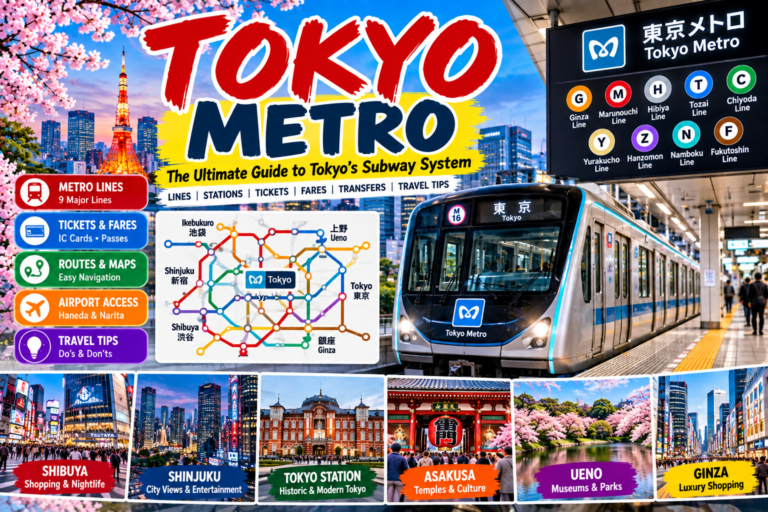
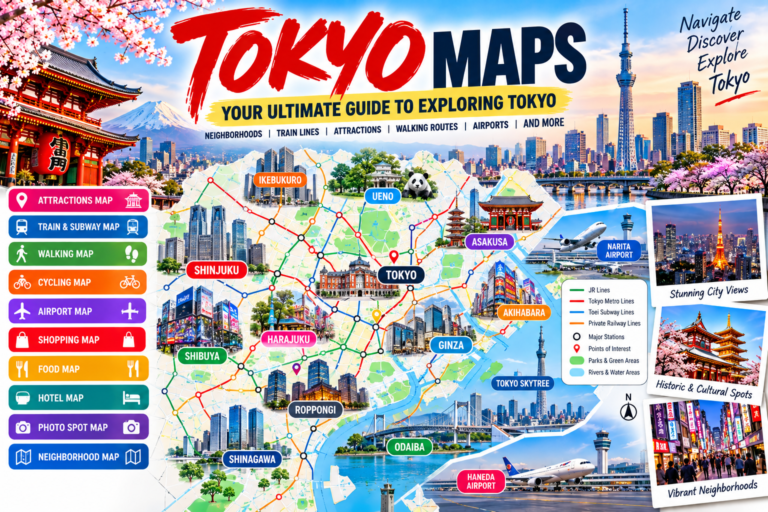
Tokyo offers large shopping districts, museums, food experiences, and neighbourhoods with distinctive identities.
Kyoto is known for historic temples, traditional streets, and gardens, while regional destinations offer opportunities to explore hot springs, mountains, and rural landscapes.
Best for: Culture lovers, food enthusiasts, couples, families, and independent travellers.
Planning tip: Research transport passes carefully. A pass is worthwhile only if its coverage and price match your actual route.
Italy: History, Architecture, and Regional Food
Italy offers a broad range of experiences, from archaeological sites and Renaissance art to coastal landscapes and regional food.
Rome is attractive to history enthusiasts, Venice offers distinctive waterways and architecture, and Tuscany appeals to travellers interested in countryside scenery and smaller towns.
Travelling between regions can involve considerable time, so a shorter visit is often more rewarding when focused on one or two areas.
Best for: Couples, history enthusiasts, food lovers, photographers, and cultural travellers.
Planning tip: Reserve timed entry for major attractions when required, and account for walking distances and seasonal crowds.
Thailand: Beaches, Food, and Cultural Experiences
Thailand attracts travellers with its food, cultural sites, beaches, and range of accommodation.
Bangkok offers urban sightseeing and markets, Chiang Mai provides access to temples and northern landscapes, and southern destinations are known for beaches and coastal scenery.
Conditions vary considerably by region and season, so research the weather for the specific places you plan to visit.
Best for: Beach holidays, food enthusiasts, couples, backpackers, and families.
Planning tip: Do not assume that all Thai islands have identical weather conditions at the same time of year.
Switzerland: Mountains, Lakes, and Scenic Rail Journeys
Switzerland is particularly appealing to travellers who enjoy alpine scenery, lakes, mountain railways, and outdoor activities.
Its transport network can make car-free travel practical, although accommodation, food, and mountain excursions may be expensive.
Travellers can manage costs by comparing transport passes, choosing accommodation carefully, and combining paid attractions with free walking routes.
Best for: Nature lovers, couples, photographers, and outdoor enthusiasts.
Planning tip: Check seasonal transport schedules and mountain weather before committing to an excursion.
Türkiye: Historic Cities and Diverse Landscapes
Türkiye offers historic architecture, coastal destinations, regional cuisine, and distinctive landscapes.
Istanbul combines historic landmarks with lively neighbourhoods and markets. Cappadocia is known for its unusual rock formations, while Mediterranean coastal areas attract visitors seeking beaches and seaside towns.
The country is geographically extensive, so allow sufficient time when combining distant destinations.
Best for: Cultural travellers, couples, families, photographers, and food enthusiasts.
Planning tip: Compare domestic transport options and check the season before arranging outdoor excursions.
Malaysia: City Life, Food, and Tropical Nature
Malaysia offers a combination of urban experiences, heritage districts, islands, and natural landscapes.
Kuala Lumpur provides shopping, dining, and city sightseeing. Penang is known for its heritage architecture and food culture, while Langkawi offers coastal scenery.
Malaysia can suit travellers who want to combine several types of experiences in one journey.
Best for: Families, food lovers, couples, and travellers seeking a mix of city and nature.
Planning tip: Research regional weather patterns, as conditions can vary between coastlines and times of year.
Spain: City Breaks, Coastlines, and Local Culture
Spain offers historic cities, beaches, regional cuisine, architecture, and cultural events.
Barcelona attracts visitors interested in architecture and coastal city life. Seville is known for its historic buildings and regional traditions, while other areas offer beaches, mountains, and smaller towns.
Travellers should research local festivals and public holidays because they can influence accommodation prices and opening hours.
Best for: Couples, families, cultural travellers, and beach holidaymakers.
Planning tip: Check seasonal temperatures, particularly when planning extensive outdoor sightseeing during summer.
New Zealand: Scenic Drives and Outdoor Adventures
New Zealand is known for dramatic landscapes, lakes, mountains, hiking, and scenic driving routes.
It can be an excellent choice for travellers who prefer outdoor experiences and are comfortable spending time travelling between destinations.
However, driving distances, road conditions, weather, and seasonal daylight should be considered carefully.
Best for: Nature lovers, road-trip enthusiasts, photographers, and adventure travellers.
Planning tip: Avoid underestimating travel times on unfamiliar roads, and allow extra time for weather-related changes.
United Arab Emirates: Modern Cities and Desert Landscapes
The United Arab Emirates combines modern architecture, shopping, museums, beaches, desert landscapes, and cultural attractions.
Dubai offers a wide range of urban experiences, while Abu Dhabi has major cultural landmarks and waterfront attractions.
Travellers can combine city sightseeing with desert excursions, although summer temperatures can make some outdoor activities uncomfortable.
Best for: Families, couples, shopping enthusiasts, and travellers seeking a mixture of modern attractions and cultural experiences.
Planning tip: Check seasonal temperatures, dress expectations at religious sites, and the total cost of transport between attractions.
Pakistan: Mountains, Heritage, and Regional Hospitality
Pakistan offers a diverse range of travel experiences, including mountain valleys, historic cities, archaeological sites, and coastal landscapes.
Hunza and Skardu attract visitors interested in mountain scenery, while Lahore offers historic architecture, cultural attractions, and regional food.
Travel conditions in mountainous areas can change quickly, and road journeys may take longer than expected.
Best for: Nature enthusiasts, cultural travellers, photographers, and domestic explorers.
Planning tip: Check current road conditions, weather, local travel advice, accommodation availability, and any relevant regional restrictions before departure.
How to Plan Affordable Travel Trips Without Sacrificing Comfort
Affordable travel is about spending strategically rather than simply choosing the cheapest option.
A successful budget plan protects the experiences that matter most while reducing costs that add little value.
Choose Destinations That Match Your Budget
Some destinations have expensive accommodation and transport but offer numerous free attractions. Others have inexpensive meals but high intercity travel costs.
Evaluate the full cost of a destination before booking.
Consider the following:
- Accommodation prices during your dates.
- Food and drink costs.
- Public transport availability.
- Airport transfers.
- Attraction tickets.
- Local taxes and service charges.
- Currency exchange costs.
- Seasonal price changes.
A destination with a higher flight cost may still be more affordable overall if accommodation and daily expenses are substantially lower.
Compare Accommodation Types
Different accommodation options suit different budgets and travel styles.
Hotels may offer convenient services, reception support, housekeeping, and predictable facilities.
Hostels can be suitable for budget-conscious travellers, especially those comfortable with shared spaces.
Guesthouses may provide a more personal experience and useful local knowledge.
Holiday rentals can be practical for families or longer stays, particularly when kitchen facilities reduce meal expenses.
Serviced apartments may combine additional space with hotel-style conveniences.
Always compare the total price, including cleaning fees, taxes, deposits, and transportation to the places you plan to visit.
Save on Food Without Missing Local Experiences
Food is an important part of many journeys, but eating every meal at expensive restaurants can quickly increase the budget.
Consider mixing restaurant meals with local bakeries, markets, affordable cafés, and groceries.
Choose a few special dining experiences rather than paying premium prices for every meal.
Before trying street food or unfamiliar dishes, use reasonable food-safety precautions and consider your dietary requirements.
Use Free Attractions Strategically
Many destinations offer free walking routes, parks, beaches, public gardens, historic districts, viewpoints, and selected museum days.
Build these experiences into your itinerary.
A free activity can be just as rewarding as an expensive excursion when it matches your interests.
However, check whether a supposedly free attraction requires reservations, donations, transport fees, or paid access to certain sections.
Understand the Real Value of Travel Passes
Transport and attraction passes can simplify planning, but they are not automatically cheaper.
Compare the pass price with the cost of the journeys and attractions you expect to use.
For example, a city pass offering unlimited transport may be useful if you plan to travel frequently. It may be poor value if your accommodation is central and most attractions are within walking distance.
The best choice depends on your actual itinerary.
Travel During Shoulder Seasons When Appropriate
Shoulder season refers to periods between the busiest travel season and the quieter off-season.
Depending on the destination, these periods may offer moderate weather, fewer crowds, and more reasonable prices.
However, seasonal conditions vary, and some activities may operate on reduced schedules.
Compare weather, transport, attraction availability, and accommodation prices before deciding when to travel.
Example: Building a Seven-Day Travel Budget
Imagine that two adults are planning a seven-day holiday.
Their initial budget might look like this:
| Expense | Illustrative budget |
|---|---|
| Return transportation for two | $500 |
| Accommodation for six nights | $600 |
| Food and drinks | $280 |
| Local transportation | $100 |
| Attractions and activities | $160 |
| Insurance and documentation allowance | $100 |
| Emergency reserve | $200 |
| Total | $1,940 |
These figures are illustrative, not current market prices or a quotation for a particular destination.
Actual costs can be considerably higher or lower depending on the country, travel dates, accommodation standards, visa requirements, and personal preferences.
The purpose of the example is to demonstrate how a complete budget includes more than flights and hotel bookings.
Best Travel Trips for Families with Children
Family travel requires a balance between entertainment, comfort, safety, and realistic expectations.
A destination that offers many attractions may still be difficult for a family if travel between them is complicated or accommodation is inconvenient.
Choose Destinations with Convenient Facilities
Look for accommodation with suitable sleeping arrangements, nearby food options, accessible transport, and practical facilities.
If travelling with a baby or toddler, consider whether the property offers a cot, lift access, laundry facilities, or space for essential equipment.
Confirm these features directly when they are important rather than assuming that a general family-friendly label guarantees them.
Keep Daily Plans Shorter
Children may need more frequent breaks than adults.
Instead of visiting several major attractions in one day, choose one priority experience and a smaller optional activity.
Parks, playgrounds, aquariums, and interactive museums can provide enjoyable breaks from long sightseeing sessions.
Prepare a Family Travel Kit
Useful items may include:
- Snacks suitable for the journey.
- Refillable water bottles.
- Essential medication.
- Spare clothing.
- Wet wipes and tissues.
- Entertainment for transport.
- Sunscreen and suitable hats.
- Copies of relevant documents.
- Contact information for parents or guardians.
The exact contents depend on the children’s ages, the destination, and the planned activities.
Plan for Different Energy Levels
Not every family member will enjoy every activity.
Some may prefer museums, while others enjoy beaches or outdoor adventures.
Where practical, choose destinations that offer a mixture of experiences and allow the family to divide activities occasionally.
The aim is to create a trip that works for everyone rather than requiring every person to enjoy every moment in the same way.
Best Travel Trips for Couples
Couples may use travel trips to celebrate milestones, spend quality time together, or explore shared interests.
The best experience does not necessarily require a luxury resort.
Choose a Shared Travel Style
Before booking, discuss the kind of trip each person wants.
One traveller may prefer active sightseeing, while the other may value rest and relaxation.
A balanced itinerary could combine a cultural attraction, a scenic walk, a relaxed meal, and time without scheduled activities.
Consider Short Romantic Getaways
A two-night stay in a nearby town can be more convenient than an expensive international holiday.
Look for destinations with appealing scenery, good restaurants, comfortable accommodation, or activities that both people enjoy.
A short trip also reduces the amount of annual leave and planning required.
Balance Special Experiences with Practical Spending
Couples can prioritise one memorable experience, such as a scenic train journey, a special dinner, or a distinctive hotel, without upgrading every element of the trip.
Agree on the total budget in advance to avoid misunderstandings.
Best Travel Trips for Solo Travellers
Solo travel offers independence, but careful planning helps reduce avoidable risks.
Select Accommodation Carefully
Consider location, recent reviews, reception availability, access to public transport, and the ease of arriving after dark.
For some travellers, a well-reviewed hostel may provide opportunities to meet others. Others may prefer a private room or hotel.
Choose the arrangement that matches your comfort level and practical needs.
Make Connections Without Compromising Safety
Group walking tours, cooking classes, museum tours, and outdoor excursions can provide opportunities to meet people.
Use reputable providers and confirm meeting locations before attending.
Be cautious about sharing your accommodation details or complete itinerary with strangers.
Keep Backup Plans
Know how to reach your accommodation if your phone battery runs low or internet access becomes unavailable.
Keep essential contact details accessible offline.
If an activity feels unsafe or a transport arrangement seems unreliable, give yourself permission to change plans.
Flexibility is one of solo travel’s main advantages.
Best Travel Trips for Older Adults
Older travellers have diverse preferences and abilities, so age alone should not determine the type of journey someone can enjoy.
The most suitable itinerary depends on personal mobility, health needs, interests, and comfort.
Prioritise Accessibility and Convenience
Before booking, confirm relevant details such as:
- Step-free access.
- Lift availability.
- Distance from accommodation to transport.
- Seating opportunities.
- Accessible toilets.
- Walking distances.
- Availability of assistance.
- Medical services near the destination.
If mobility assistance is needed, arrange it in advance with the relevant transport provider.
Choose a Comfortable Pace
Avoid building an itinerary around constant movement.
A slower journey with fewer hotel changes may be more enjoyable than a schedule that requires packing and unpacking every day.
Consider guided tours or private transfers when they make a destination easier to navigate.
Prepare for Personal Needs
Bring necessary medication, prescriptions, emergency contact details, and relevant medical documentation.
Check whether travel insurance covers the intended activities and any applicable medical circumstances.
Travellers who have specific medical concerns should discuss suitable travel arrangements with an appropriate healthcare professional before departure.
Travel Trips for People with Limited Time
Not everyone can take a long holiday.
Short trips can still provide meaningful experiences when travel time and activity selection are managed carefully.
Use the Two-Hour Planning Principle travel trips
For a very short getaway, consider choosing destinations that can be reached without consuming most of the available time.
The exact travel-time limit depends on the transport available and your personal preferences.
The principle is simple: avoid spending a disproportionate amount of a two-day trip getting to and from the destination.
Group Activities by Location travel trips
If you are visiting a city, group nearby attractions into the same day.
This reduces backtracking and unnecessary transport expenses.
Use a map to identify practical routes, but confirm opening hours and actual journey times.
Avoid Excessive Hotel Changes travel trips
Changing accommodation can consume valuable time through packing, check-out, transportation, and check-in.
For short holidays, staying in one well-located property often makes the trip easier.
Travel Trips for People with Accessibility Requirements
Accessible travel involves researching how transportation, accommodation, attractions, and public spaces meet individual needs.
Accessibility varies widely between destinations and providers.
Confirm Facilities Directly travel trips
Descriptions such as accessible, step-free, or wheelchair-friendly may not provide enough detail.
Ask specific questions about doorway widths, bathroom layouts, lifts, ramps, accessible transport, and the availability of assistance.
When a particular feature is essential, request written confirmation.
Plan Transportation in Advance travel trips
Some transport services require advance notice for wheelchair assistance or other accessibility arrangements.
Confirm these requirements with the operator.
Allow extra time for transfers and identify alternative routes when possible.
Check Attraction Accessibility travel trips
A historic attraction may have stairs, uneven surfaces, narrow passages, or restrictions that affect accessibility.
Contact the venue before arrival if the information available online is unclear.
Careful preparation can help travellers make informed choices and reduce unpleasant surprises.
Travel Trips for Adventure and Outdoor Enthusiasts
Adventure travel can be exciting, but it requires more attention to conditions and preparation than many ordinary city breaks.
Match Activities to Your Experience travel trips
Choose hiking routes, cycling trails, water activities, or mountain excursions according to your experience and fitness.
Do not rely exclusively on photographs or short social media videos to assess difficulty.
Research the route length, elevation, surface conditions, weather exposure, and available assistance.
Use Reputable Operators travel trips
For guided activities, check qualifications, safety procedures, equipment standards, and cancellation arrangements.
Ask how the operator responds to poor weather or emergencies.
Be cautious if a provider dismisses reasonable safety questions or pressures customers to continue when conditions are unsuitable.
Respect the Environment travel trips
Stay on permitted trails, follow wildlife guidance, and avoid leaving rubbish.
Use established facilities where possible and comply with local conservation rules.
Outdoor destinations depend on responsible visitor behaviour, particularly when ecosystems are fragile.
Travel Trips for Business Travellers
Business travel requires a different balance of efficiency, comfort, and flexibility.
A trip may include meetings, conferences, training sessions, or visits to clients.
Choose Accommodation Near Key Locations travel trips
A hotel close to a meeting venue may justify a higher nightly rate if it reduces transport costs and travel time.
Compare the total cost rather than the room price alone.
Keep Work Essentials Organised travel trips
Carry necessary documents, chargers, presentation materials, and backup copies of important files.
Confirm meeting times and locations before departure.
For international trips, consider time-zone differences when scheduling calls and meetings.
Protect Work Devices and Information travel trips
Use secure networks and follow your organisation’s device and data policies.
Avoid accessing sensitive information through unfamiliar public computers.
Keep devices protected and report lost work equipment promptly.
Ten Travel Brands and Platforms Compared travel trips
Travel platforms can help you research destinations, compare prices, book accommodation, organise transportation, and discover activities.
Each service has different strengths, coverage, policies, and limitations.
The following comparison is a practical overview of ten widely used travel services. It is not a ranking, and prices, availability, and features may change by destination.
| Brand travel trips | Main purpose travel trips | Best suited for travel trips | Important consideration travel trips |
|---|---|---|---|
| Google Maps | Maps, directions, and location discovery | Navigation and exploring nearby places | Check current local transport information and offline coverage |
| Google Flights | Flight search and fare comparison | Comparing flight options and dates | Final prices and conditions are confirmed by the booking provider |
| Skyscanner | Flight and travel price comparison | Exploring alternative routes and dates | Review the airline or agency’s final terms |
| Booking.com | Accommodation and selected travel services | Comparing hotels and other stays | Check cancellation terms, taxes, and property details |
| Expedia | Travel booking and trip organisation | Comparing flights, hotels, and packages | Compare package terms with separate bookings |
| Tripadvisor | Reviews and travel inspiration | Researching attractions, restaurants, and stays | Read recent reviews and look for consistent patterns |
| Airbnb | Holiday rentals and selected experiences | Longer stays and accommodation with additional space | Check cleaning fees, house rules, and cancellation terms |
| Rome2Rio | Route discovery across transport types | Exploring ways to travel between places | Confirm schedules and fares with actual operators |
| GetYourGuide | Tours and activities | Finding guided tours and local experiences | Check inclusions, meeting points, and refund conditions |
| KAYAK | Travel search and comparison | Comparing flights, hotels, and rental cars | Review the final provider’s price and conditions |
1. Google Maps travel trips
Google Maps is useful for navigation, estimating journey times, identifying nearby restaurants, and discovering attractions.
Travellers can save locations, organise lists, and download supported areas for offline use.
Best use: Planning daily routes and finding practical places near accommodation.
Limitation: Map details and transport information can be incomplete or outdated in some locations.
2. Google Flights travel trips
Google Flights helps travellers compare flight options and explore different travel dates.
It can be particularly useful when you have flexibility about departure dates or airports.
Best use: Comparing flight schedules, routes, and available fare options.
Limitation: Always check the airline’s baggage allowance, fare rules, and final price before purchasing.
3. Skyscanner travel trips
Skyscanner allows travellers to compare flight options and explore alternative dates and destinations.
It can help people identify routes worth investigating further.
Best use: Searching broadly when the destination or travel dates are flexible.
Limitation: Carefully review the booking provider and its cancellation, payment, and customer-service conditions.
4. Booking.com travel trips
Booking.com offers accommodation listings and other travel-related services.
Its property information and guest reviews can help travellers compare different options.
Best use: Comparing accommodation by location, facilities, and budget.
Limitation: Read the complete booking conditions, including cancellation deadlines, taxes, and payment requirements.
5. Expedia travel trips
Expedia offers travel search and booking options that can include flights, hotels, and holiday packages.
It may be useful for travellers who prefer to organise several parts of a journey through one service.
Best use: Comparing combined travel arrangements.
Limitation: Check whether changing one part of a package affects the other bookings and what assistance is available if something goes wrong.
6. Tripadvisor travel trips
Tripadvisor provides reviews and information about accommodation, restaurants, attractions, and travel experiences.
It can help travellers build a shortlist of places to investigate.
Best use: Discovering attractions and comparing visitor experiences.
Limitation: Reviews reflect individual experiences and should be evaluated alongside other evidence.
7. Airbnb travel trips
Airbnb lists holiday rentals and selected travel experiences.
Private accommodation may be especially useful for families, groups, and longer stays.
Best use: Comparing properties that offer additional space or kitchen facilities.
Limitation: Confirm the total price, local rules, check-in process, cancellation terms, and exact location.
8. Rome2Rio travel trips
Rome2Rio helps travellers explore possible routes using combinations of trains, buses, flights, ferries, and driving.
It can be particularly useful when travelling between unfamiliar cities.
Best use: Discovering alternative transport combinations.
Limitation: Treat route information as a starting point and confirm actual schedules, fares, and availability with transport operators.
9. GetYourGuide travel trips
GetYourGuide helps travellers discover and book guided tours, sightseeing activities, and local experiences.
Best use: Comparing organised activities before arrival.
Limitation: Read the description carefully to understand what is included, where the activity starts, and what happens if plans change.
10. KAYAK travel trips
KAYAK provides search tools for flights, accommodation, rental cars, and other travel arrangements.
Best use: Comparing available options across a range of travel categories.
Limitation: Verify the final terms with the provider before making a payment.
Which Travel Platform Should You Choose?
There is no requirement to use every platform for every trip.
A practical combination might involve:
- A mapping service for local navigation.
- A flight comparison service for initial research.
- An accommodation platform for reviewing places to stay.
- A review service for evaluating attractions.
- A transport planner for journeys between cities.
- An official operator website for final confirmation.
Use comparison services to discover options, then read the actual terms of the booking you intend to purchase.
For important bookings, save the confirmation and relevant customer-service details.
Common Travel Planning Mistakes and How to Avoid Them
Even experienced travellers make mistakes. Many problems occur because people underestimate costs, assume information is current, or attempt to fit too much into a limited schedule.
Mistake 1: Choosing a Destination Without Researching the Season travel trips
A destination may look attractive online but offer very different conditions during your intended travel dates.
Solution: Check the climate, seasonal closures, local holidays, transport availability, and the conditions of the activities you want to enjoy.
Mistake 2: Booking the Cheapest Flight Without Checking the Details travel trips
A low fare may exclude baggage, involve inconvenient connections, or arrive at an airport far from your destination.
Solution: Compare the total cost and journey duration before deciding.
Mistake 3: Underestimating Daily Expenses travel trips
Travellers sometimes calculate flights and accommodation but forget meals, local transport, attraction tickets, and unexpected expenses.
Solution: Create a complete budget and include a reserve for unforeseen costs.
Mistake 4: Scheduling Too Many Activities travel trips
An overloaded itinerary can make a holiday feel like a series of appointments.
Solution: Identify the most important experiences and leave room for rest and spontaneous discoveries.
Mistake 5: Ignoring Accommodation Location travel trips
A low-priced hotel may be far from the attractions you intend to visit.
Solution: Estimate the cost and time of daily journeys before booking.
Mistake 6: Failing to Check Entry Requirements travel trips
Travellers can encounter serious problems if they assume that a passport alone is sufficient.
Solution: Verify the latest entry, visa, transit, and documentation requirements through official sources.
Mistake 7: Relying on One Payment Method travel trips
A lost card, bank restriction, or technical problem can make payments difficult.
Solution: Where practical, carry a separate backup payment method and keep essential financial information secure.
Mistake 8: Not Reading Cancellation Policies travel trips
A non-refundable booking may become expensive if your plans change.
Solution: Read the terms before paying and understand the deadlines for cancellation or modification.
Mistake 9: Overlooking Travel Insurance Exclusions travel trips
Some travellers assume every unexpected event will be covered.
Solution: Review coverage limits, exclusions, deductibles, and any special conditions relevant to your activities.
Mistake 10: Ignoring Travel Fatigue travel trips
Long journeys, early flights, and packed schedules can leave travellers exhausted.
Solution: Allow adequate rest, avoid unnecessary hotel changes, and keep the first day relatively light after a long journey.
Mistake 11: Trusting Every Online Review travel trips
A few enthusiastic or negative reviews may not represent the typical experience.
Solution: Look for recent, detailed reviews that describe specific strengths and weaknesses.
Mistake 12: Failing to Prepare for Connectivity Problems travel trips
Travellers may discover that maps, tickets, or booking information are unavailable when their internet connection fails.
Solution: Download essential information where possible and save important details for offline access.
Mistake 13: Assuming Every Destination Is Equally Accessible travel trips
Accessibility, transport, and public facilities vary considerably between locations.
Solution: Confirm essential requirements directly with transport providers, accommodation, and attractions.
Mistake 14: Ignoring Local Rules travel trips
Visitors may unintentionally violate photography restrictions, dress requirements, transport rules, or conservation regulations.
Solution: Research local expectations and follow instructions provided by authorities and venue staff.
Mistake 15: Failing to Plan for Delays travel trips
A short connection between separately booked journeys can create expensive problems.
Solution: Allow sufficient transfer time and understand who is responsible if a delay causes you to miss a later booking.
Pros and Cons of Different Travel Styles
Every travel style offers advantages, but the best choice depends on your priorities.
Independent travel trips
Advantages
- Greater freedom to change plans.
- More control over accommodation and activities.
- Opportunities to explore less familiar places.
- Flexibility to manage spending.
Disadvantages
- Requires more research.
- Travellers must organise transport and bookings.
- Unexpected problems may require independent solutions.
- Language and navigation difficulties can create challenges.
Independent travel works well for people who enjoy planning and are comfortable making decisions.
Organised Group Tours travel trips
Advantages
- Transport and activities may be arranged in advance.
- Guides can provide historical and cultural context.
- Travellers may benefit from group pricing.
- Planning responsibilities are reduced.
Disadvantages
- Fixed schedules may limit flexibility.
- Some activities may not match individual interests.
- Group travel can involve waiting for other participants.
- Optional extras may increase the total price.
Group tours can be suitable for first-time visitors, complex routes, or destinations where local guidance adds significant value.
All-Inclusive Holidays travel trips
Advantages
- Many major expenses are combined into one booking.
- Daily spending may be easier to estimate.
- Food and selected activities can be convenient.
- Suitable options exist for families and travellers seeking relaxation.
Disadvantages
- The initial price may be higher.
- Some services and activities may cost extra.
- Travellers may spend less time exploring the surrounding community.
- Conditions vary considerably between properties.
An all-inclusive holiday is most attractive when its included services match the way you intend to spend your time.
Road travel trips
Advantages
- Flexible routes and departure times.
- Access to remote or less-connected locations.
- Convenient for carrying equipment.
- Suitable for some families and groups.
Disadvantages
- Fuel, tolls, parking, and rental expenses can accumulate.
- Drivers must manage fatigue.
- Traffic and weather can affect journey times.
- Some destinations have difficult roads or limited parking.
Road trips are best when the route itself is part of the experience and the driving demands are realistic.
Luxury travel trips
Advantages
- Greater comfort and convenience.
- Potentially more personalised service.
- Access to premium accommodation and distinctive experiences.
- Less need to compromise on certain amenities.
Disadvantages
- High costs.
- Premium prices do not guarantee a perfect experience.
- Additional spending may not improve the parts of travel you value most.
- Some exclusive experiences may offer limited flexibility.
Luxury travel makes the most sense when comfort, service, privacy, or a particular experience is a genuine priority.
Budget Travel travel trips
Advantages
- Lower overall spending may make more frequent travel possible.
- Encourages creative planning.
- Can provide opportunities to experience local life.
- Leaves more money available for selected activities.
Disadvantages
- Requires careful comparison.
- Cheap transport may take longer.
- Low-cost accommodation may offer fewer facilities.
- Cutting essential expenses can create safety or comfort problems.
Budget travel is most successful when travellers reduce unnecessary expenses without compromising essential needs.
Responsible Travel: How to Enjoy Destinations Without Damaging Them
Travel brings economic opportunities to many communities, but poorly managed tourism can contribute to overcrowding, waste, environmental damage, and pressure on local resources.
Responsible travel considers the effects of your decisions on residents, businesses, wildlife, and natural environments.
Support Local Businesses travel trips
Consider eating at locally owned restaurants, buying appropriate products from local craftspeople, and using reputable community-based guides.
Before purchasing souvenirs, ask about their origin and avoid products made from protected wildlife or other restricted materials.
Respect Wildlife travel trips
Observe animals from a suitable distance and follow established guidance.
Avoid activities that involve cruelty, forced interaction, or unsafe handling.
Choose operators that demonstrate respect for wildlife and explain their conservation practices.
Reduce Waste travel trips
Carry a reusable water bottle where safe drinking water is available, avoid unnecessary disposable items, and dispose of rubbish responsibly.
Follow local recycling instructions rather than assuming that every destination has the same waste-management system.
Respect Local Communities travel trips
Ask permission before photographing people when appropriate.
Follow local guidance at religious sites and cultural landmarks.
Avoid behaviour that disrupts residential areas or treats cultural practices as entertainment without respect for their meaning.
Consider the Timing of Your Visit travel trips
Visiting outside the busiest periods can sometimes reduce crowd pressure and improve the experience.
However, do not assume that every off-season trip is environmentally preferable. Transportation, accommodation practices, local conditions, and the type of activity also matter.
Responsible travel requires considering the full context.
How Technology Is Changing Travel Trips
Technology has made travel research and organisation more convenient, but travellers still need to evaluate information carefully.
Digital Maps and Navigation travel trips
Mapping applications help travellers estimate journey times, identify nearby facilities, and discover alternative routes.
Offline maps can be especially valuable when mobile coverage is limited.
However, map directions do not always reflect temporary closures, difficult terrain, or local restrictions.
Follow official instructions and use judgment when conditions differ from what the application displays.
Mobile Boarding Passes and Digital Reservations travel trips
Many transport providers offer digital tickets and booking confirmations.
These can reduce the need for printed documents, but battery failure or connectivity problems may create difficulties.
Keep essential information available offline and follow the provider’s requirements for identification and ticket presentation.
Translation Applications travel trips
Translation tools can help travellers understand signs, menus, and everyday conversations.
They may be less reliable with complex legal, medical, or culturally sensitive information.
For important matters, seek assistance from a qualified person or trusted local service.
Artificial Intelligence Travel Assistants travel trips
AI tools can help travellers brainstorm destinations, organise itineraries, compare travel styles, and develop packing lists.
For example, a traveller could request a five-day itinerary for a family that prefers museums, parks, and public transport.
The resulting plan can serve as a starting point, which the traveller then checks against real opening hours, transportation schedules, costs, and accessibility requirements.
AI-generated recommendations should not replace official entry requirements, confirmed bookings, or safety instructions.
Digital Payments travel trips
Contactless cards, mobile wallets, and other digital payment methods can make transactions more convenient.
However, availability differs between countries and businesses.
Travellers should understand applicable fees and maintain a backup payment method where practical.
Travel Applications and Privacy travel trips
Travel applications may request access to location data, contacts, photographs, or other information.
Review permissions and privacy settings before granting access.
Use reputable services, protect accounts with strong authentication, and avoid sharing sensitive booking details publicly.
Technology should make travel easier without creating unnecessary privacy risks.
The Future of Travel Trips: Trends to Watch
Travel habits continue to change as technology develops, transportation options evolve, and travellers reconsider how they spend their time and money.
The following trends are worth watching, although their importance will vary by destination and traveller.
More Personalised Travel Planning travel trips
Travel services are increasingly focused on helping people find experiences that match their interests, schedules, and budgets.
Personalised suggestions may make it easier to identify relevant activities without reviewing hundreds of options.
The challenge will be distinguishing useful recommendations from suggestions influenced primarily by commercial priorities.
Travellers should continue comparing options and checking whether recommendations genuinely meet their needs.
Greater Interest in Local Experiences travel trips
Some travellers are placing more emphasis on regional food, local traditions, small communities, and activities that provide a deeper understanding of a destination.
This approach can make trips more distinctive and create opportunities for local businesses.
However, local experiences should be selected with respect for residents and cultural boundaries.
More Flexible Itineraries travel trips
Travellers may increasingly prefer plans that combine advance reservations for essential activities with flexible time for exploration.
This can help people adapt to weather, transport changes, and personal preferences.
Flexibility is particularly valuable for longer journeys or trips involving outdoor activities.
Continued Interest in Nature-Based Travel
National parks, mountain regions, coastal landscapes, and countryside destinations remain attractive to people seeking outdoor experiences.
Popular natural areas may face pressure from increasing visitor numbers.
Travellers can help by following access rules, respecting wildlife, and considering less crowded alternatives where appropriate.
More Attention to Accessibility travel trips
As travel services improve their information about accessibility, travellers may find it easier to compare accommodation, transport, and attractions according to individual requirements.
Accurate information will remain essential.
A general accessibility label cannot replace specific details about facilities, dimensions, routes, and assistance.
Increased Awareness of Travel Costs travel trips
Fluctuating transport prices, accommodation costs, and currency movements can influence destination choices.
Travellers may respond by comparing alternative dates, reducing unnecessary transfers, or choosing destinations that provide better value for their preferred experiences.
The most useful approach is to calculate total trip costs rather than focusing on a single advertised price.
More Responsible Travel Decisions travel trips
Some travellers are paying closer attention to waste, environmental protection, community benefits, and the treatment of workers and animals.
Responsible travel is likely to remain an important consideration as destinations and visitors respond to environmental and social pressures.
Meaningful progress depends on practical choices by travellers, businesses, and destination authorities rather than promotional claims alone.
How to Build a Travel Trip That Matches Your Personality
The best itinerary is not necessarily the one recommended by a popular travel guide.
It is the one that suits your interests, energy level, budget, and expectations.
If You Love Adventure travel trips
Choose destinations with hiking, cycling, water activities, or challenging landscapes.
Research the difficulty of activities carefully and allow time for recovery.
Do not book demanding excursions simply because they look impressive in photographs.
If You Love Food travel trips
Build your trip around regional dishes, markets, cooking classes, and restaurants.
Research local specialties before arrival, but allow room for spontaneous discoveries.
Consider food allergies, dietary requirements, and food-safety precautions.
If You Love History travel trips
Choose destinations with museums, historic districts, archaeological sites, and guided cultural experiences.
Research the background of major landmarks before visiting them.
Understanding the context can make even a short visit more meaningful.
If You Love Photography travel trips
Consider light conditions, seasonal scenery, walking routes, and the time needed to reach viewpoints.
Research photography restrictions and respect people’s privacy.
Allow time to enjoy a location rather than focusing exclusively on capturing images.
If You Prefer Relaxation travel trips
Choose accommodation that supports rest and avoid changing locations too frequently.
Plan a few optional activities rather than filling every day.
A successful relaxing holiday may involve doing considerably less than you initially expected.
If You Love Meeting People travel trips
Consider group tours, cultural classes, community activities, or accommodation that provides opportunities for social interaction.
Choose reputable activities and maintain reasonable personal boundaries.
If You Prefer Privacy travel trips
A private room, quieter accommodation, self-guided walks, and flexible dining arrangements may be more suitable.
Research neighbourhoods carefully to balance privacy with convenience and access to transport.
A Practical Seven-Day Travel Trip Planning Checklist
Use this checklist when organising a week-long holiday.
Four to Eight Weeks Before Departure travel trips
Depending on the destination and season, begin by:
- Choosing your destination.
- Setting a total budget.
- Checking entry requirements.
- Comparing travel dates.
- Researching transport.
- Booking accommodation where appropriate.
- Reviewing cancellation policies.
- Identifying activities that require advance reservations.
- Checking insurance options.
For popular destinations, major holidays, or international travel requiring visas, begin much earlier.
One to Two Weeks Before Departure travel trips
Review the practical details:
- Confirm transport reservations.
- Check accommodation information.
- Review the weather forecast.
- Arrange communication options.
- Organise payment methods.
- Check luggage restrictions.
- Prepare essential documents.
- Confirm any necessary assistance.
- Save maps and confirmations for offline access.
The Day Before Departure travel trips
Complete the final preparations:
- Check departure times.
- Review the route to the airport or station.
- Charge devices and power banks where permitted.
- Pack essential medication.
- Keep travel documents accessible.
- Check baggage weight.
- Confirm accommodation arrival arrangements.
- Tell a trusted person about your general plans when appropriate.
During the travel trips
Use the itinerary as a guide, not a strict set of obligations.
- Check transport and weather updates.
- Keep essential belongings secure.
- Stay hydrated and rest when necessary.
- Respect local rules.
- Track major expenses.
- Adjust activities when conditions change.
- Save receipts and important confirmations.
- Enjoy unplanned discoveries.
After Returning Home travel trips
Take a few minutes to review the trip.
Record the places you enjoyed, expenses that were higher than expected, and arrangements you would change next time.
Save useful details for future travel.
These small habits can make every subsequent journey easier to plan.
FAQs
What Is the Best Way to Plan Travel Trips?
Start by identifying your travel goals, available dates, and budget. Research destinations, compare transportation and accommodation, confirm entry requirements, and build a flexible itinerary.
Prioritise the experiences that matter most and leave room for unexpected changes.
How Can I Find Affordable Travel Trips?
Compare total trip costs across several destinations and dates.
Look at transportation, accommodation, meals, local travel, activities, and fees.
Consider travelling during suitable shoulder-season periods, using public transport where practical, and choosing accommodation that offers good value for its location.
Which Destinations Are Best for First-Time International Travellers?
The most suitable destination depends on nationality, visa requirements, language preferences, budget, and personal interests.
First-time international travellers may prefer destinations with convenient transportation, clear visitor information, reliable accommodation options, and activities that are easy to organise.
Research entry requirements and local conditions before booking.
How Far in Advance Should I Book a Travel Trip?
There is no universal booking window.
The ideal timing depends on the destination, season, transport provider, accommodation availability, and flexibility of your dates.
For major holidays or destinations with limited accommodation, booking early may provide more choice. For other trips, flexible dates may be more important than booking a fixed number of weeks ahead.
Compare current options and review cancellation terms before making a decision.
Are Travel Packages Better Than Booking Separately?
Travel packages can simplify planning and may offer good value when the included services match your needs.
Booking separately can provide greater flexibility and more control over individual choices.
Compare the complete price, terms, and support arrangements rather than assuming one approach is always cheaper.
What Should I Pack for Most Travel Trips?
Common essentials include suitable clothing, comfortable shoes, travel documents, necessary medication, chargers, personal toiletries, payment methods, and relevant insurance information.
Your packing list should reflect the destination, season, duration, activities, and baggage restrictions.
Avoid packing items that are easily available at your destination unless you specifically need them.
How Can I Stay Safe While Travelling?
Research your destination, use reputable transport services, protect important documents, and follow local safety advice.
Keep emergency contacts accessible, remain aware of your surroundings, and avoid activities that exceed your experience or comfort level.
For international trips, review official travel guidance and ensure that you understand relevant entry and local regulations.
Is Solo Travel Suitable for Beginners?
Solo travel can be suitable for beginners who prepare carefully and choose a journey that matches their experience.
A short trip to a well-connected destination may be a useful starting point.
Research accommodation, transport, emergency contacts, and local conditions before departure.
How Can Families Make Travel Trips Easier?
Choose convenient accommodation, plan realistic days, pack essential supplies, and allow time for meals and rest.
Include activities suitable for different ages and avoid scheduling too many major attractions in a single day.
How Do I Choose Between a Road Trip and Public Transport?
Consider your route, group size, travel time, budget, parking, and access to attractions.
Public transport may be convenient in cities with reliable networks.
A road trip may provide greater flexibility in rural areas, although fuel, parking, tolls, and driving fatigue must be considered.
Are Travel Booking Platforms Always the Cheapest Option?
Not necessarily.
Comparison platforms help identify available options, but final prices and terms may differ between providers.
Check the complete price, cancellation conditions, baggage rules, and any additional fees before paying.
How Can I Avoid Crowds During Travel Trips?
Consider visiting popular attractions early or later in the day, researching quieter neighbourhoods, and travelling outside major holiday periods where practical.
Alternative destinations may provide similar experiences with fewer visitors.
However, check seasonal weather and operating schedules before choosing quieter travel dates.
What Is Responsible Travel?
Responsible travel means making decisions that respect local communities, protect natural environments, support fair business practices, and reduce avoidable harm.
Examples include respecting wildlife, following local rules, reducing waste, and supporting appropriate local businesses.
How Can I Make a Short Trip Feel More Meaningful?
Choose a small number of experiences that genuinely interest you.
Learn something about the destination before arriving, explore beyond the main attractions where appropriate, and allow time to enjoy your surroundings.
A short trip can be rewarding without including a long list of activities.
What Should I Do If My Travel Plans Change?
Check the cancellation and amendment policies for your bookings.
Contact the relevant airline, transport provider, accommodation, or tour operator as soon as possible.
Keep documentation of any changes and review whether your travel insurance covers the circumstances.
Avoid assuming that a booking can be changed without fees.
Conclusion
The best travel trips are not defined by the number of countries visited, the cost of accommodation, or the number of photographs taken. They are defined by how well the journey matches your priorities and the experiences you take away from it. Some travellers find their favourite memories in major cities and famous landmarks. Others prefer quiet beaches, mountain trails, local markets, or conversations with people they meet along the way. Careful planning makes it easier to enjoy those experiences without allowing practical problems to dominate your holiday.