Tokyo Retro: 15 Amazing Places to Experience Old Tokyo, Vintage Shops, Showa-Era Streets and Nostalgic Japan
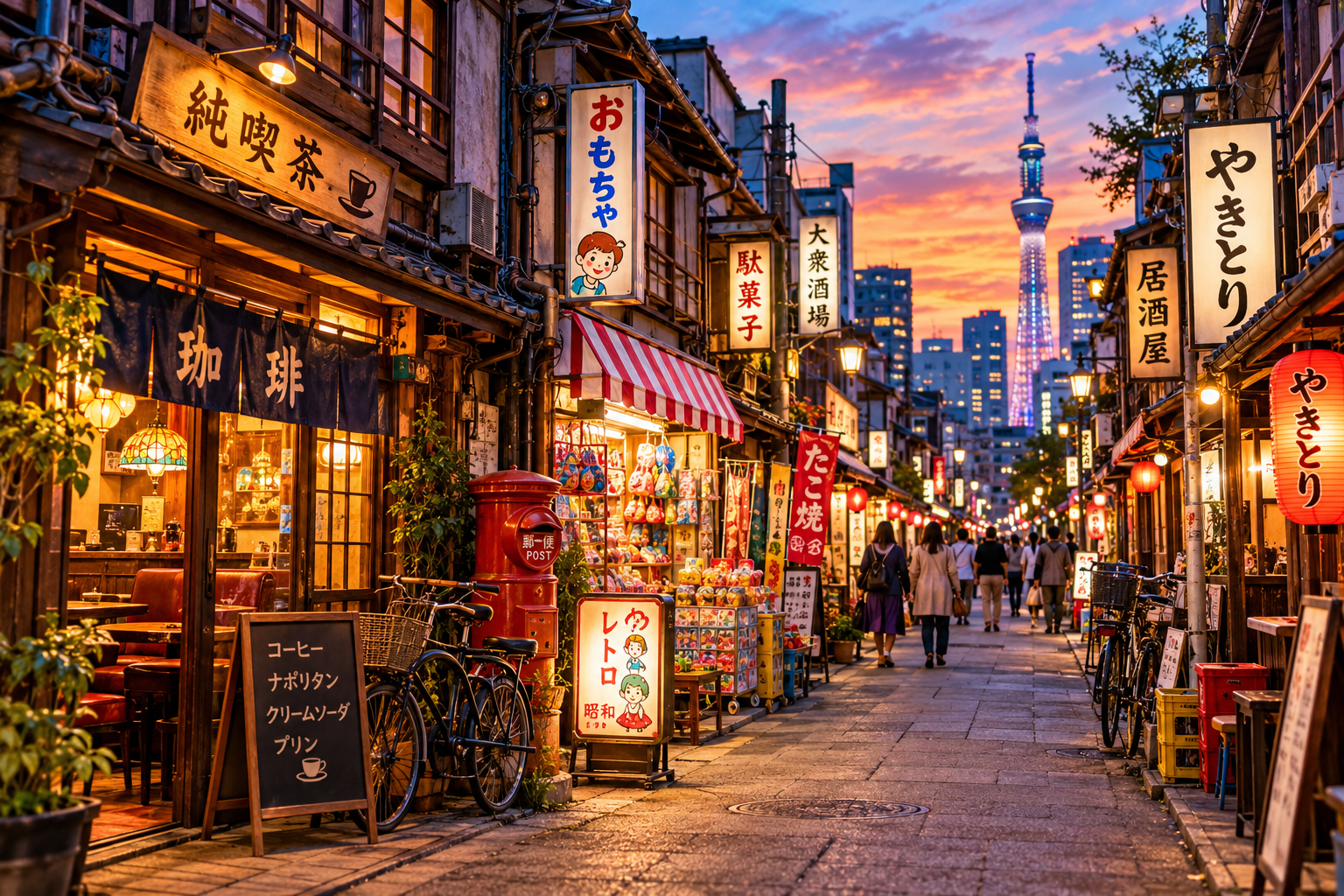
Imagine stepping into a tiny Japanese café where an old record player plays soft jazz, the coffee arrives in a heavy ceramic cup, and the wooden counter looks almost unchanged since the 1960s. Outside, a modern train glides past neon advertisements, yet a narrow side street still holds traditional shops, handwritten signs and the atmosphere of another era. This contrast is one of the most fascinating reasons to explore Tokyo retro culture. Tokyo retro is the experience of discovering the city’s nostalgic side through Showa-era streets, vintage fashion, old-fashioned cafés, classic arcades, traditional shopping districts and preserved neighbourhoods Tokyo Design
What Does Tokyo Retro Mean?
Understanding the Showa-Era Influence
The word retro can describe anything inspired by the past, but Tokyo retro culture has several distinct layers. One of the most important is the Showa era, which lasted from 1926 to 1989. Within that long period, Japan experienced wartime hardship, post-war rebuilding, rapid economic growth, the spread of television and home appliances, and the rise of modern consumer culture.
The decades after the Second World War left a particularly strong impression on everyday Japanese life. Small neighbourhood shops, cafés with dark wooden interiors, colourful advertisements, old-fashioned sweets, record players, compact entertainment venues and busy shopping streets became part of the visual identity associated with Showa nostalgia.
Today, people may describe these experiences as Showa retro, Showa nostalgia or Showa-era charm. They can include authentic old buildings, carefully restored interiors, vintage objects and new businesses designed around the aesthetics of earlier decades.
It is important to distinguish these categories. A café operating in a historic building is not necessarily unchanged since the 1950s, and a new retro-themed restaurant is not automatically a historic site. Both can be enjoyable, but travellers interested in history should look at the story behind each place.
Edo Tokyo Versus Showa Tokyo
Tokyo has a much longer history than the Showa era. Before it became Japan’s modern capital, the city was known as Edo and developed into a major political and commercial centre.
These periods offer different kinds of nostalgia:
- Edo-period atmosphere: Traditional architecture, historic temples, old crafts, shrine approaches and districts associated with earlier urban life.
- Meiji and Taisho influences: Modernisation, Western-inspired architecture, early cafés and changing urban lifestyles.
- Showa-era nostalgia: Post-war shopping streets, old-school coffee shops, classic entertainment and mid-century domestic culture.
- Heisei-era nostalgia: Older video games, early digital technology, 1990s fashion, compact electronics and early generations of modern anime and gaming culture.
A visit to Asakusa may offer traditional downtown atmosphere, while a vintage shopping trip in Shimokitazawa explores a more contemporary version of nostalgia. Both can be part of a Tokyo retro itinerary, but they are not the same historical experience.
Why Tokyo Retro Is Popular With International Travellers
Tokyo retro appeals to visitors for several reasons.
First, it creates a contrast with the highly modern image of Japan. Travellers who have already visited major skyscrapers, shopping centres and technology districts may enjoy exploring smaller streets where daily life moves at a different pace.
Second, retro culture offers a tangible connection to history. Instead of learning about a decade only through photographs, visitors can encounter old objects, music, architecture, food and shop interiors.
Third, it provides opportunities for individual discovery. A vintage store may reveal a rare jacket, an independent record shop may carry a favourite Japanese artist, and a tiny café may become a memorable stop even when it appears on few international travel lists.
Finally, Tokyo’s retro neighbourhoods are not all designed around tourism. Many remain active residential and commercial areas, which makes it possible to see how historic character and modern urban life coexist.
15 Best Places to Experience Tokyo Retro
Tokyo retro is not concentrated in one attraction. It is spread across neighbourhoods, shops, museums, entertainment venues and cafés. The following destinations offer different ways to experience the city’s nostalgic side.
1. Yanaka Ginza: A Classic Old Tokyo Shopping Street
Yanaka Ginza is one of the strongest starting points for travellers who want to experience the everyday atmosphere of old Tokyo. Rather than a large shopping mall, it is a compact local shopping street filled with small storefronts, food shops and businesses serving residents as well as visitors.
The neighbourhood belongs to the broader Yanesen area, a name commonly used for Yanaka, Nezu and Sendagi. These districts are known for their older downtown atmosphere, narrow lanes, temples, cafés and traditional businesses.
What makes Yanaka Ginza interesting is its scale. You can browse at a relaxed pace, stop for a snack, notice the handwritten shop signs and look into stores that sell familiar everyday goods rather than only tourist souvenirs.
What to Do in Yanaka Ginza
- Walk through the shopping street and explore the smaller side lanes.
- Sample a local snack from a shop that is open and serving customers.
- Look for traditional sweets, craft items and small souvenirs.
- Visit the nearby Yanaka Cemetery or Nezu Shrine if you want to combine retro streets with historic surroundings.
- Return near sunset for atmospheric photographs, while remembering that shops may close before evening.
The area is particularly suitable for couples, solo travellers, photographers and families who prefer walking and local food to large commercial attractions.
Best for: Old Tokyo atmosphere, casual street photography, traditional snacks and relaxed exploration.
2. Shimokitazawa: Vintage Fashion and Independent Culture
Shimokitazawa, often shortened to Shimokita, is one of Tokyo’s best-known destinations for vintage clothing, independent music, small theatres, cafés and creative businesses.
Unlike Yanaka Ginza, Shimokitazawa is not primarily about preserving a traditional shopping street. Its appeal comes from a changing urban culture built around second-hand fashion, music, independent retail and alternative lifestyles.
The district developed from a quieter suburban area into a creative hub, and its relatively narrow streets still help distinguish it from Tokyo’s large commercial centres.
How to Explore Retro Shimokitazawa
Start near Shimokitazawa Station and allow yourself time to wander rather than following a strict shopping list. Browse vintage boutiques, check second-hand record shops, look for small bookshops and take a break at a café.
Vintage shopping here can cover several styles:
- 1970s-inspired denim and workwear
- 1980s and 1990s streetwear
- Japanese second-hand fashion
- American-inspired jackets and shirts
- Retro accessories and bags
- Used records and music memorabilia
The key is to understand that vintage shops are curated differently. Some focus on rare designer pieces, while others specialise in affordable everyday clothing. Prices vary according to condition, rarity, brand and demand.
Best for: Fashion enthusiasts, young adults, collectors, indie music fans and travellers interested in contemporary Japanese retro culture.
3. Koenji: Punk, Second-Hand Clothing and Underground Tokyo
Koenji offers a different atmosphere from the more polished shopping districts of central Tokyo. It is associated with independent music, punk culture, second-hand fashion, casual bars and local shopping streets.
Its alternative character grew out of cultural movements of the 1960s and developed into a district known for music venues, vintage stores and a lively independent scene.
For retro travellers, Koenji is particularly valuable because it shows how nostalgia can be personal and subcultural rather than simply decorative. A vintage leather jacket, a second-hand punk record or a small live venue may communicate more about a particular era than a recreated retro interior.
What Makes Koenji Special?
Explore the shopping streets, look for used clothing stores and browse the independent shops. If you enjoy live music, check venue schedules before visiting; small performances may require advance tickets or a cover charge.
The Koenji Awa Odori dance festival is another reason the district attracts visitors during its festival period. Exact dates, routes and crowd arrangements can vary, so check current event information before planning around it.
Best for: Alternative fashion, punk and rock culture, live music, casual dining and independent shopping.
4. Asakusa: Traditional Streets and Nostalgic Downtown Atmosphere
Asakusa is famous for Senso-ji Temple, but it also offers a strong connection to the atmosphere of old downtown Tokyo. Traditional shops, food stalls, souvenir businesses and older commercial streets give the district a distinctive sense of continuity.
The area can be busy, particularly around the main temple approach. For a calmer retro experience, explore side streets and less crowded shopping areas instead of spending the entire visit on the main tourist route.
How to Enjoy Asakusa Beyond the Main Sights
- Visit Senso-ji and its surrounding streets.
- Explore side streets for smaller shops and cafés.
- Browse traditional craft products rather than buying only mass-produced souvenirs.
- Try a local snack where eating on site is permitted.
- Visit early in the day if you want photographs with fewer crowds.
Asakusa is particularly useful for first-time visitors because it combines well-known landmarks with traditional shopping and food experiences.
Best for: Traditional downtown scenery, historic temples, crafts, food and first-time visitors.
5. Akihabara: Retro Video Games and Classic Electronics
Akihabara is often associated with anime, electronics and modern gaming, but it is also an important stop for retro gaming enthusiasts.
Older consoles, cartridges, handheld devices, collectible toys and gaming memorabilia can be found at specialist shops and second-hand retailers. The selection changes frequently, so a particular item should never be assumed to be available without checking the shop’s current stock.
The district’s appeal is especially strong for visitors who remember older gaming generations. Finding a console that was popular during childhood can create a very personal form of nostalgia.
What to Look For
- Classic Nintendo and Sega hardware
- Older handheld gaming systems
- Retro game cartridges and discs
- Japanese game editions
- Collectible figures and character goods
- Original packaging and manuals
Before purchasing expensive electronics, check whether the item works, whether it includes the correct accessories and whether the device supports the power standards of your home country. For game consoles, confirm the region compatibility of the hardware and software.
Akihabara is also a useful place to compare several shops before buying. A rare item may have different prices depending on condition, packaging and collector demand.
Best for: Retro gaming, technology history, collectors and fans of Japanese pop culture.
6. Ome: A Showa-Era Retro Excursion Outside Central Tokyo
Ome in western Tokyo is known for its Showa-inspired atmosphere and attractions connected with older Japanese popular culture.
It is worth considering if you have already explored central Tokyo and want a day trip focused on nostalgia rather than fashion shopping.
Planning an Ome Visit
Check the current opening hours and transport connections for the attractions you want to visit. Allow extra time for transfers and walking, especially if you intend to explore more than one museum or memorial site.
Ome can also be a good choice for travellers interested in the relationship between old popular culture, literature and regional urban history.
Best for: Showa-era nostalgia, museum visits, day trips and travellers seeking something beyond central Tokyo.
7. Jimbocho: Used Books, Old Publications and Literary Nostalgia
Jimbocho is an excellent choice for visitors who find nostalgia in printed material rather than clothing or gaming. The district is associated with used bookstores, academic publications, specialist collections and literary culture.
The experience is slower than browsing a modern bookshop. You may find old magazines, illustrated books, maps, Japanese-language publications and specialist titles that reveal how interests and tastes have changed over time.
Tips for Exploring Jimbocho
If you cannot read Japanese, do not assume that every book will be easy to identify. Look for illustrated publications, photography books, maps and design books, or use a translation app to understand a title.
Collectors should inspect condition carefully. Older books can have faded covers, notes, stains or missing inserts, and a rare edition is not necessarily valuable simply because it is old.
Best for: Book lovers, researchers, stationery fans, collectors and travellers interested in Japanese print culture.
8. Retro Kissaten Cafés: Experience Old-School Japanese Coffee Culture
A kissaten is a traditional Japanese-style coffee shop. Many are known for intimate interiors, wooden counters, classic furniture, hand-prepared coffee and menus that feel connected to earlier decades.
Not every kissaten is historic, and not every traditional-looking café has remained unchanged for generations. Nevertheless, these cafés provide one of the most accessible ways to experience Tokyo retro culture.
The atmosphere can be more important than the coffee itself. A small shop with carefully arranged cups, a quiet counter and a familiar menu may offer a welcome break from a packed sightseeing schedule.
What to Order at a Retro Café
Depending on the menu, you might find:
- Hand-dripped or siphon coffee
- Japanese-style toast
- Egg sandwiches
- Cream soda
- Pudding
- Napolitan-style spaghetti
- Seasonal sweets
These foods and drinks are often associated with classic café culture, but individual menus differ.
When entering a small kissaten, check whether it is a smoking or non-smoking venue, whether there is a minimum order and whether the shop is intended for quiet, unhurried visits. Some cafés are small family businesses, so keeping conversations at a moderate volume and avoiding prolonged photography of other customers is considerate.
Best for: Coffee enthusiasts, couples, solo travellers, slow travel and rainy-day sightseeing.
9. Retro Shopping Arcades: Everyday Life from Another Era
A shotengai is a local shopping street or arcade. These streets are among the most useful places to experience Tokyo retro because they are designed around everyday shopping rather than a single tourist attraction.
You may see greengrocers, small restaurants, bakeries, clothing shops, repair businesses and family-run stores. Some shopping streets retain a strong Showa-era feel, while others have modernised or mixed new businesses with older establishments.
Why Shotengai Are Worth Exploring
They help visitors understand the practical side of nostalgia. Rather than presenting a curated display of the past, a working shopping street shows how neighbourhood commerce continues to function.
Buy a snack, support an independent business, look for local products and observe how the street is used by residents. Avoid blocking shop entrances or taking close-up photographs of people without permission.
Best for: Budget travellers, local food, casual photography and an everyday view of Japanese urban life.
10. Ryogoku: Traditional Tokyo and the World of Sumo
Ryogoku is closely associated with sumo wrestling and also offers museums, traditional restaurants and older commercial streets. It provides a different perspective on Tokyo retro: one based on sports, ritual, food and local identity.
What to Experience in Ryogoku
- Learn about sumo history and traditions.
- Look for chanko-nabe restaurants, a hot-pot dish associated with sumo wrestlers.
- Explore the neighbourhood’s traditional shops.
- Check whether a sumo tournament or related event coincides with your visit.
- Combine the district with nearby museums or riverside walks.
Tournament schedules and ticket availability vary, so check official event information if watching sumo is a priority.
Best for: Sports fans, cultural travellers, traditional Japanese food and visitors interested in local heritage.
11. Ueno: Museums, Markets and Nostalgic City Life
Ueno combines museums, parks, market streets and everyday city activity. It is not exclusively a retro destination, but it can fit naturally into a nostalgic Tokyo itinerary.
Ameyoko, the busy shopping area near Ueno, offers a very different experience from the carefully arranged boutiques of luxury shopping districts. Its stalls and stores create an energetic street-market atmosphere, with food and retail businesses close together.
Ueno also works well as a base for exploring Yanaka and Nezu. Travellers can combine a museum visit with a walk through older residential streets without spending the entire day on trains.
Best for: Market browsing, museums, budget shopping and combining several neighbourhoods in one day.
12. Vintage Fashion Shops in Tokyo: Clothing With a Story
Vintage clothing is one of the most visible expressions of Tokyo retro culture. Tokyo’s second-hand fashion scene includes independent boutiques, curated designer stores, specialist denim retailers and larger reuse chains.
Shimokitazawa and Koenji are particularly useful starting points, while other districts offer their own styles and price ranges.
How to Shop for Vintage Clothing
Before buying, check:
- Condition: Look for stains, loose stitching, damaged zips and fabric wear.
- Fit: Vintage sizing may differ from modern sizing, so try items on when permitted.
- Authenticity: Research labels and construction details for expensive branded pieces.
- Price: Compare similar items at several shops.
- Care: Ask whether the item can be washed normally or needs specialist cleaning.
The best purchase is not necessarily the rarest or oldest item. A well-made jacket that fits comfortably and suits your wardrobe can be more useful than an expensive collectible that remains unworn.
Best for: Fashion lovers, collectors, sustainable shopping and visitors seeking distinctive souvenirs.
13. Retro Record Stores: Listen to Tokyo’s Musical Past
Vinyl records, old CDs and music memorabilia provide another route into Tokyo’s nostalgic culture. The experience is especially rewarding for people interested in Japanese city pop, jazz, rock, punk, film soundtracks or older pop music.
Shimokitazawa and Shibuya are useful areas for browsing second-hand music, with stores ranging from small specialist shops to larger retailers.
Tips for Buying Records
Inspect the disc surface, sleeve and any included inserts. A visually attractive cover does not guarantee that the record plays well. If a shop has a grading system, ask what the grades mean before purchasing.
International visitors should also consider luggage space and the risk of bending sleeves during travel. Records can be wonderful souvenirs, but they need protection.
Best for: Music enthusiasts, collectors, DJs and travellers looking for distinctive gifts.
14. Old-Style Japanese Sweets and Snack Shops
Traditional sweets and small packaged snacks are closely connected with nostalgia in Japan. Some products evoke school days, neighbourhood shopping and childhood treats, making them a simple way to experience a familiar aspect of Japanese popular culture.
Look for small sweet shops, traditional confectionery stores and local shopping streets. Products may include rice crackers, bean-based sweets, soft candies and seasonal Japanese confections.
The exact selection depends on the shop and season. Some items are designed for immediate eating, while others are packaged for gifts.
How to Enjoy This Part of Tokyo Retro
Buy a small selection of unfamiliar snacks and read the labels, especially if you have food allergies. Ingredients and allergen warnings may be written primarily in Japanese.
If you are buying food to take home, check your destination country’s import rules. Some products may have restrictions, and fresh or perishable items may not travel well.
Best for: Families, food lovers, affordable souvenirs and visitors who want a small taste of Japanese nostalgia.
15. Ueno Sakuragi Atari: Restored Buildings and Community Spaces
Ueno Sakuragi Atari is a useful example of how old buildings can be adapted for contemporary use. In the Yanaka area, historic structures have been repurposed as places for food, drinks, shopping and community activities.
Rather than recreating the past exactly, projects like this preserve selected architectural features while giving buildings a role in modern neighbourhood life.
For visitors, the appeal is in noticing the building materials, courtyard spaces and relationship between old structures and newer businesses. Check which shops and facilities are open before travelling, as individual tenants and activities may change.
Best for: Architecture lovers, design enthusiasts, relaxed café visits and travellers interested in adaptive reuse.
Tokyo Retro Comparison: 10 Places and Experiences at a Glance
The best destination depends on which kind of nostalgia interests you. A traveller looking for traditional streets will have a different experience from someone searching for 1990s gaming, vintage denim or old Japanese records.
| Place or experience | Main retro appeal | Best for | Suggested time |
|---|---|---|---|
| Yanaka Ginza | Traditional shopping street | Old Tokyo atmosphere | 1–2 hours |
| Shimokitazawa | Vintage fashion and indie culture | Clothing and music | 2–4 hours |
| Koenji | Punk, alternative culture and second-hand shops | Music fans and bargain hunters | 2–4 hours |
| Asakusa | Traditional downtown streets | First-time visitors and crafts | 2–3 hours |
| Akihabara | Classic gaming and electronics | Gamers and collectors | 2–4 hours |
| Ome | Showa-era nostalgia and museums | Day trips and history | Half to full day |
| Jimbocho | Used books and printed material | Readers and collectors | 1–3 hours |
| Retro kissaten | Traditional coffee-shop culture | Coffee and slow travel | 45–90 minutes |
| Shotengai shopping streets | Everyday local commerce | Food and neighbourhood life | 1–2 hours |
| Ryogoku | Sumo and traditional culture | Sports and Japanese heritage | 2–3 hours |
These are suggested visit durations, not official timings. Actual time depends on your interests, travel connections, shop opening hours and events.
The Best Tokyo Retro Shops and Brands to Know
Tokyo retro shopping includes both individual vintage boutiques and larger second-hand retail businesses. The following ten names are useful starting points for research, but they do not all specialise in the same kind of retro merchandise. Store locations, stock and opening hours can change.
1. Chicago
Chicago is a second-hand clothing retailer known for vintage-inspired and used fashion. It is worth researching if you are interested in denim, casual wear, Japanese second-hand clothing and items with an American vintage influence.
Best for: General vintage fashion, shirts, jackets and denim.
2. Flamingo
Flamingo is associated with curated vintage clothing, including pieces inspired by American fashion from earlier decades. It is a useful name to look for when exploring Tokyo’s vintage shopping districts.
Best for: Retro outfits, vintage accessories and distinctive casual fashion.
3. New York Joe Exchange
New York Joe Exchange is known for second-hand fashion and clothing exchange. It may appeal to shoppers who want to browse a varied selection rather than focus exclusively on luxury labels.
Best for: Everyday second-hand fashion and individual finds.
4. Stick Out
Stick Out in Shimokitazawa has been associated with low-priced second-hand clothing. Budget-oriented vintage shops can be especially appealing to visitors who want to experiment with a retro style without spending heavily.
Best for: Budget vintage shopping.
5. Haight & Ashbury
Haight & Ashbury is a vintage boutique associated with curated fashion and distinctive pieces. Shoppers interested in more unusual garments may find it worth researching before visiting.
Best for: Curated vintage and statement pieces.
6. 2nd Street
2nd Street is a large Japanese reuse retailer with a broad second-hand assortment. Depending on the branch, shoppers may find clothing, bags, shoes and other used goods.
Best for: Comparing prices and browsing a broad selection.
7. RAGTAG
RAGTAG specialises in second-hand designer and branded fashion. It is more relevant to visitors interested in designer labels than to those seeking the cheapest vintage items.
Best for: Pre-owned designer clothing and accessories.
8. BOOKOFF
BOOKOFF is a major Japanese second-hand retailer known for used books and other media, with product categories varying by branch. Some locations also sell games, electronics and collectibles.
Best for: Used books, games and media-related finds.
9. Disk Union
Disk Union is associated with music retail, including records and other recorded music. It is a name worth researching if you are looking for Japanese music, jazz, rock, city pop or collector editions.
Best for: Music lovers and record collectors.
10. Village Vanguard
Village Vanguard is a Japanese retail chain known for an eclectic mix of books, character merchandise, gifts and novelty products. It is not exclusively a vintage retailer, but it can appeal to visitors who enjoy Japanese pop culture and nostalgic collectibles.
Best for: Unusual gifts, pop-culture merchandise and browsing.
Which Tokyo Retro Shop Should You Choose?
If your main goal is finding affordable clothes, start with second-hand fashion stores and compare several shops in one district. For designer labels, look at specialist resale retailers. If you collect music, prioritise record stores rather than spending time in general clothing boutiques.
Do not plan your trip around a particular item unless the shop has confirmed availability. Vintage stock is often one-off, and a store’s selection can change substantially between visits.
Tokyo Retro Food: What to Eat and Drink
Food is one of the most enjoyable ways to experience nostalgic Tokyo. While some dishes are older than the Showa era, others became associated with modern Japanese café and family dining culture during the twentieth century.
Japanese-Style Cream Soda Tokyo retro
A colourful cream soda, often served with a scoop of ice cream, is a familiar image in Japanese retro café culture. Melon-flavoured versions are especially recognisable because of their bright green colour.
It is an easy choice if you want a visually distinctive drink while exploring a traditional café. The exact flavour, presentation and price depend on the establishment.
Napolitan Spaghetti Tokyo retro
Japanese Napolitan is a familiar Western-style pasta dish commonly made with a ketchup-based sauce and ingredients such as onions, peppers and sausage. It is associated with Japanese café and casual dining culture.
Do not confuse it with traditional Italian pasta. Its appeal lies in the way Japanese cooks adapted Western-inspired food to local tastes.
Japanese Pudding Tokyo retro
A firm custard pudding with caramel sauce is a popular dessert choice in many Japanese cafés. Traditional-looking versions often have a simple shape and a restrained presentation.
It pairs well with coffee or tea and makes a good option for travellers who want something sweet without ordering a large meal.
Toast and Egg Sandwiches Tokyo retro
Thick toast and egg sandwiches are common examples of the comforting food associated with Japanese café culture. They can be suitable for breakfast or a light lunch, depending on the shop’s menu.
Small cafés may have limited seating and slower service, so avoid visiting when you are in a rush to catch a train.
Traditional Japanese Sweets Tokyo retro
Traditional sweets provide a different kind of nostalgia from cream soda and pasta. Wagashi, mochi-based sweets and regional confectionery can connect a visit to the longer history of Japanese food.
Look for seasonal products, which may change with the time of year. If you have dietary restrictions, ask about ingredients and cross-contamination before ordering.
How to Plan a Tokyo Retro Itinerary
Tokyo’s size makes it tempting to visit every famous retro destination in one day. In practice, rushing between distant districts can leave little time for the very experiences that make retro exploration rewarding: browsing shops, sitting in a café, discovering small streets and enjoying an unplanned stop.
A better strategy is to choose destinations by geographic area and give each one enough time.
One-Day Tokyo Retro Itinerary
Morning: Yanaka Ginza and Yanesen
Approx. 9:30 AM–12:00 PM
Start with a walk through Yanaka Ginza and nearby lanes. Browse traditional shops, try a snack and explore the area’s historic atmosphere.
Lunch: A Retro Kissaten
Approx. 12:00–1:30 PM
Find a café serving coffee, toast, sandwiches or a classic café meal. Check opening hours before setting out.
Afternoon: Akihabara or Jimbocho
Approx. 2:00–5:00 PM
Choose Akihabara for gaming and electronics or Jimbocho for books and printed material. Trying to explore both in depth may make the day feel rushed.
Evening: Asakusa
Approx. 5:30–7:30 PM
Explore the streets around the historic district and have dinner nearby. Check individual shop hours because many retail businesses close earlier than restaurants.
This itinerary is a framework rather than a fixed route. Check current train schedules, museum hours and business listings before travel.
Two-Day Tokyo Retro Itinerary
If you have two days, divide the experience into traditional downtown culture and modern vintage shopping.
Day 1: Traditional and Historic Tokyo
- Yanaka Ginza
- Nezu and nearby historic streets
- A traditional kissaten
- Asakusa
- Optional evening meal in the downtown area
Day 2: Contemporary Retro and Collecting
- Shimokitazawa vintage shopping
- Lunch at an independent café
- Koenji’s second-hand shops or live music scene
- Optional record shopping in a district that fits your interests
This plan provides a better balance between older neighbourhood character and the more contemporary vintage culture that attracts many international visitors.
Three-Day Tokyo Retro Itinerary Tokyo retro
For a more complete experience, use the third day for a specialist interest.
- Gaming and electronics: Spend more time in Akihabara, comparing retro games, consoles and collectibles.
- Literature and design: Explore Jimbocho’s used bookstores and specialist publications.
- Showa nostalgia: Plan a day trip to Ome after checking museum schedules and transportation.
- Traditional culture: Focus on Ryogoku, its sumo connections, museums and local food.
The best option depends on whether you prefer collecting objects, learning history, eating local food or exploring neighbourhoods on foot.
Practical Tips for Exploring Tokyo Retro
Choose the Right Season Tokyo retro
Tokyo retro can be enjoyed throughout the year, but the weather affects how you experience it.
- Spring: Comfortable walking conditions are possible, although popular areas can be crowded during cherry blossom season.
- Summer: Plan indoor stops during the hottest part of the day. Small cafés, museums and covered shopping streets can provide useful breaks.
- Autumn: Often a good season for neighbourhood walks, outdoor photography and day trips.
- Winter: Shorter daylight hours and cooler weather make café visits, shopping and museums appealing, but check holiday opening schedules.
Weather varies from year to year, so check the forecast close to your visit.
Travel by Train and Walk Locally Tokyo retro
Tokyo’s rail network makes it practical to explore several neighbourhoods in one trip. However, the most interesting retro discoveries are often found away from station exits.
Use trains for longer distances and walk between nearby shops, cafés and streets. Download an offline map, keep your phone charged and avoid planning too many distant locations into one day.
Carry Cash as a Backup Tokyo retro
Many Japanese businesses accept cashless payment, but small independent shops may have different payment options. Carrying some Japanese yen is a sensible backup, especially when visiting small eateries, markets or older businesses.
Confirm payment methods before making a purchase if you are relying on a particular card or mobile wallet.
Respect Local Neighbourhoods Tokyo retro
Retro districts are living communities, not film sets. People live and work in these streets, and many businesses depend on regular customers.
Follow these simple practices:
- Ask permission before photographing people or photographing inside a shop.
- Do not block narrow pavements or entrances while taking pictures.
- Follow posted rules about photography and eating.
- Keep noise down in residential streets, particularly at night.
- Ask before handling delicate antiques or collectible items.
- Buy something or otherwise respect the business if you spend time inside a small café.
Shop With a Budget in Mind Tokyo retro
Vintage clothing and antiques are not always inexpensive. A rare designer jacket or collectible game can cost more than a new item, particularly if demand is high.
Before buying, compare similar products, inspect condition and think about whether you will actually use or display the item. A souvenir does not become a better purchase simply because it is old.
Common Tokyo Retro Travel Mistakes and How to Avoid Them
Mistake 1: Expecting Every Retro Location to Look Untouched Tokyo retro
Some visitors imagine that old Tokyo consists entirely of wooden houses, vintage cars and streets frozen in time. In reality, neighbourhoods change. Old businesses close, buildings are renovated and new cafés open beside older stores.
Solution: Appreciate the combination of old and new rather than searching for a perfectly preserved historical scene.
Mistake 2: Confusing Vintage With Antique Tokyo retro
Vintage clothing, used electronics and antiques are different categories. A second-hand shirt from a recent decade may be called vintage by a retailer, while an antique object usually implies a much older age or historical significance.
Solution: Ask about an item’s age, provenance and condition if these details matter to you.
Mistake 3: Visiting Too Many Districts in One Day Tokyo retro
A long checklist may appear efficient, but travelling across Tokyo repeatedly can consume time and energy.
Solution: Group nearby places together. For example, explore Yanaka, Nezu and nearby streets as one outing, then dedicate another day to Shimokitazawa and Koenji.
Mistake 4: Assuming All Independent Shops Open Early Tokyo retro
Some vintage boutiques and cafés open later in the day, and individual businesses may close on particular weekdays.
Solution: Check the specific shop’s current hours before travelling. For Shimokitazawa, an afternoon visit can be more practical than arriving very early.
Mistake 5: Buying Collectibles Without Checking Condition Tokyo retro
A retro game console may look attractive but have worn connectors, missing cables or compatibility issues. Vinyl records can have scratches, and vintage garments can have hidden damage.
Solution: Inspect items carefully, ask whether testing is possible and understand the return policy before paying.
Mistake 6: Photographing Residents Without Consideration Tokyo retro
Narrow streets can be attractive for photography, but close-up photographs of residents, customers and shop interiors may be intrusive.
Solution: Photograph public scenery where permitted, ask permission when people are identifiable and follow signs restricting photography.
Mistake 7: Assuming Every Tokyo retro-Themed Venue Is Historically Authentic
A modern business can use old-fashioned décor without being a historic establishment.
Solution: If history is important to you, research the building, the business’s background and any museum or cultural information available.
Pros and Cons of Exploring Tokyo Retro
| Advantages Tokyo retro | Potential disadvantages Tokyo retro |
|---|---|
| Offers a different perspective on Tokyo beyond major landmarks | Some historic-looking locations are crowded or commercialised |
| Provides opportunities to discover independent businesses | Shop hours can be irregular |
| Supports vintage, second-hand and reuse shopping | Rare items may be expensive |
| Combines food, fashion, music, books and history | Many specialist shops have limited English information |
| Works for solo travellers, couples and small groups | Narrow streets and stairs may create accessibility challenges |
| Can include low-cost walks and window-shopping | Transport and purchases can add up over several days |
Is Tokyo Retro Worth Your Time?
Yes, particularly if you enjoy neighbourhood exploration, Japanese popular culture, architecture, fashion or local food. It may be less appealing if your main interest is large theme parks, luxury shopping or major modern attractions.
The strongest approach is to combine a few retro experiences with other interests. A morning exploring traditional streets, an afternoon browsing games or records, and an evening meal in a local restaurant can provide a more varied impression of Tokyo than visiting only one type of attraction.
Tokyo Retro for Different Types of Travellers
Tokyo Retro for First-Time Visitors
Start with Yanaka Ginza and Asakusa. These areas make it easier to combine traditional streets, historic surroundings, local food and familiar tourist facilities.
If you have only one day, avoid attempting to cover all 15 destinations.
Tokyo Retro for Couples
Choose a relaxed walking route, visit a café and browse a vintage district without a strict shopping target. Yanaka and Nezu are good candidates for a slower outing, while Shimokitazawa offers more opportunities for browsing and dining.
Tokyo Retro for Families
Consider traditional shopping streets, accessible museums and selected gaming shops. Before visiting a small venue, check whether it welcomes children and whether there is enough space for a family group.
For younger children, keep walking distances manageable and schedule breaks for food and rest.
Tokyo Retro for Budget Travellers
You can experience the atmosphere of many retro neighbourhoods without buying anything expensive.
- Walk through public streets.
- Browse second-hand stores without committing to a purchase.
- Choose reasonably priced local snacks.
- Visit public museums when admission fits your budget.
- Use public transport efficiently.
- Set a limit for collectibles and vintage clothing.
Remember that free street exploration and museum visits are different experiences; admission charges and special exhibitions may apply.
Tokyo Retro for Photographers
Focus on details rather than only wide street views. Weathered signs, shop curtains, old vending machines, textured building façades and reflections can communicate a strong sense of place.
Early morning can provide quieter streets, while late afternoon may create softer light. Always check photography restrictions and avoid obstructing pedestrians.
Tokyo Retro for Collectors
Collectors should plan around the specific objects they want. Someone searching for classic games should prioritise specialist gaming retailers, while a vinyl enthusiast should spend more time in record shops.
Research prices beforehand and allow space in your luggage. For expensive collectibles, request a receipt and check any relevant customs or import rules before travelling home.
Tokyo Retro for Older Travellers and Visitors With Mobility Needs
Historic neighbourhoods may include narrow pavements, stairs, uneven surfaces and small cafés with limited seating. Some stations and older buildings may also have access limitations.
Check current accessibility information for the exact locations you plan to visit. Consider a shorter route with rest breaks rather than attempting a full-day walking itinerary.
How Tokyo Retro Culture Is Changing
Tokyo’s retro culture is not simply a preservation movement. It is also shaped by changing tastes, redevelopment, online shopping, tourism and the economics of independent businesses.
Vintage Shopping and Reuse Tokyo retro
Second-hand fashion has become a visible part of Tokyo’s shopping landscape. Curated vintage boutiques coexist with larger reuse retailers, giving shoppers different levels of price, selection and specialist knowledge.
The appeal is partly environmental: buying used clothing can extend an item’s useful life. However, the environmental benefit depends on how an item is sourced, transported and used. Buying many unnecessary second-hand products is not automatically more sustainable than making fewer, longer-lasting purchases.
Restoring Older Buildings for Modern Use Tokyo retro
Older buildings can gain a new purpose when adapted as cafés, galleries, shops or community spaces. These projects can help maintain neighbourhood character, but they also raise difficult questions. Renovation costs money, commercial success may change the tenant mix, and increased visitor demand can place pressure on residential areas.
The best outcomes balance preservation with the needs of local residents and businesses.
Social Media and the Risk of Over-Tourism Tokyo retro
Photogenic cafés, vintage boutiques and nostalgic streets can attract visitors through social media. This can help independent businesses reach new customers, but popularity may also create queues, crowded pavements and pressure on small neighbourhoods.
Travellers can help by visiting outside peak times, exploring less crowded streets respectfully and spending money at businesses whose products or services they genuinely value.
Retro Gaming and Digital Nostalgia Tokyo retro
Older video games and consoles remain attractive because they connect people with particular periods of their lives. Online communities also make it easier to research rare releases and compare prices before visiting Tokyo.
As retro gaming becomes more collector-oriented, condition, packaging, region compatibility and authenticity are likely to remain important considerations. Visitors should research individual products rather than assume that age alone determines value.
What the Future May Hold Tokyo retro
Tokyo’s retro scene will likely continue to combine preservation and reinvention. Some older shops will remain family businesses, others will close or change ownership, and new businesses will borrow elements of Showa or Heisei aesthetics.
More travellers may seek neighbourhood-based experiences rather than limiting themselves to famous landmarks. At the same time, the survival of authentic retro culture will depend on more than tourism: it will require residents, businesses, landlords and local authorities to find ways to keep neighbourhoods practical and liveable.
For visitors, this means the most rewarding Tokyo retro experiences may not always be the most famous ones. A modest shopping street, an independent bookshop or a quiet coffee shop may provide a more memorable encounter than a heavily photographed attraction.
FAQs
What Is Tokyo Retro?
Tokyo retro describes places, products and experiences that evoke earlier periods of Tokyo and Japanese popular culture. It can include Showa-era shopping streets, traditional coffee shops, vintage fashion, old games, record stores and preserved buildings.
Where Is the Best Place to Experience Retro Tokyo?
Yanaka Ginza is an excellent choice for traditional downtown atmosphere. Shimokitazawa is better for vintage clothing and independent culture, while Koenji suits travellers interested in alternative music and second-hand fashion. Akihabara is a strong choice for retro games and electronics.
What Does Showa Retro Mean in Japan?
Showa retro refers to nostalgic styles and experiences associated with Japan’s Showa era, which lasted from 1926 to 1989. The term is especially associated with post-war everyday life, classic cafés, older advertising, traditional shopping streets and mid-century consumer culture.
Is Tokyo Retro Suitable for First-Time Visitors?
Yes. Traditional neighbourhoods such as Yanaka and Asakusa can complement visits to major modern attractions. First-time visitors should choose a small number of areas rather than trying to cover the entire city in one day.
Where Can I Buy Vintage Clothes in Tokyo?
Shimokitazawa and Koenji are well-known areas for vintage and second-hand clothing. Individual stores offer different styles and price ranges, so comparing several shops is useful.
Where Can I Find Retro Video Games in Tokyo?
Akihabara is a logical starting point for older consoles, game cartridges and gaming collectibles. Availability varies by shop, so research specialist retailers and check condition and compatibility before purchasing.
Are Tokyo Retro Attractions Expensive?
Not necessarily. Walking through public shopping streets can be free, and you can browse shops without buying anything. Costs rise when you add museum admissions, café meals, transportation and collectible purchases.
What Is a Kissaten?
A kissaten is a traditional Japanese coffee shop. Some have older wooden interiors, classic furniture and menus featuring coffee, toast, sandwiches, cream soda or pudding. Not all kissaten are historic, and styles vary from one business to another.
Can I Explore Tokyo Retro in One Day?
Yes, but you should focus on one or two connected areas. For example, Yanaka Ginza and nearby historic streets can make a satisfying day of walking, food and café visits. Add distant locations only if you have enough time.
Is Tokyo Retro the Same as Old Tokyo?
Not exactly. Old Tokyo can refer broadly to historic neighbourhoods and architecture, including influences from the Edo period. Tokyo retro often refers more specifically to nostalgic styles associated with the twentieth century, especially the Showa era, although the terms overlap in travel writing.
What Should I Buy as a Tokyo Retro Souvenir?
Consider vintage clothing, used records, Japanese books, retro games, traditional sweets or small craft items. Check the condition of second-hand products and make sure food or other souvenirs comply with the rules of your destination country.
When Is the Best Time to Explore Tokyo Retro?
Spring and autumn can be comfortable for walking, but retro destinations are open throughout the year. Indoor cafés, shops and museums can be especially useful during hot, rainy or cold weather. Check opening hours and seasonal events before your visit.
Conclusion
Tokyo retro offers a different way to understand Japan’s capital. Instead of focusing only on skyscrapers, major shopping centres and famous landmarks, it encourages travellers to slow down, explore neighbourhood streets and discover how earlier decades continue to influence contemporary life. From Yanaka Ginza’s traditional shopping atmosphere to Shimokitazawa’s vintage boutiques, Koenji’s alternative music culture, Akihabara’s classic gaming stores and Ome’s Showa-era attractions, each destination reveals a different part of Tokyo’s nostalgic character.