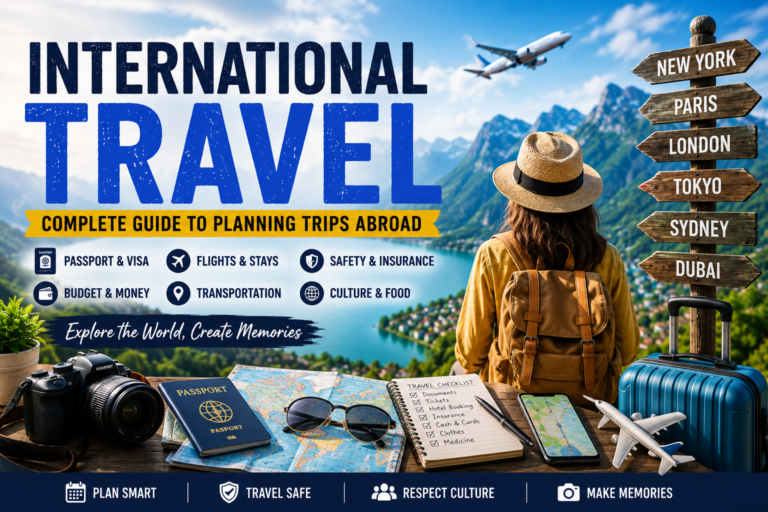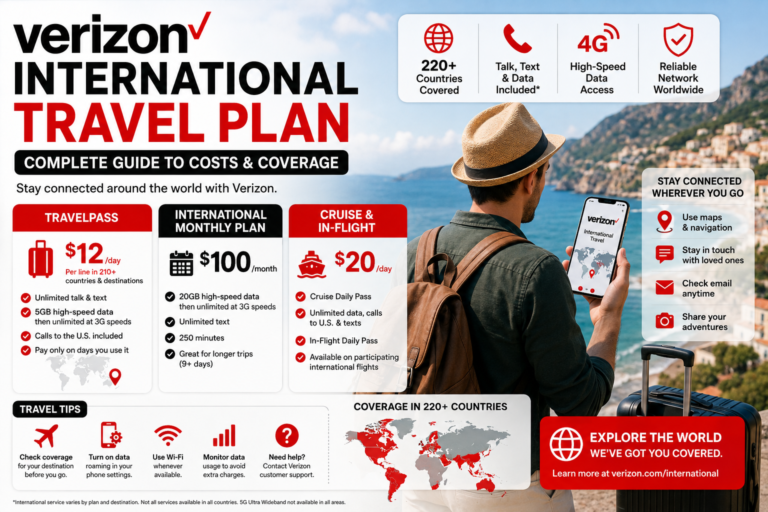
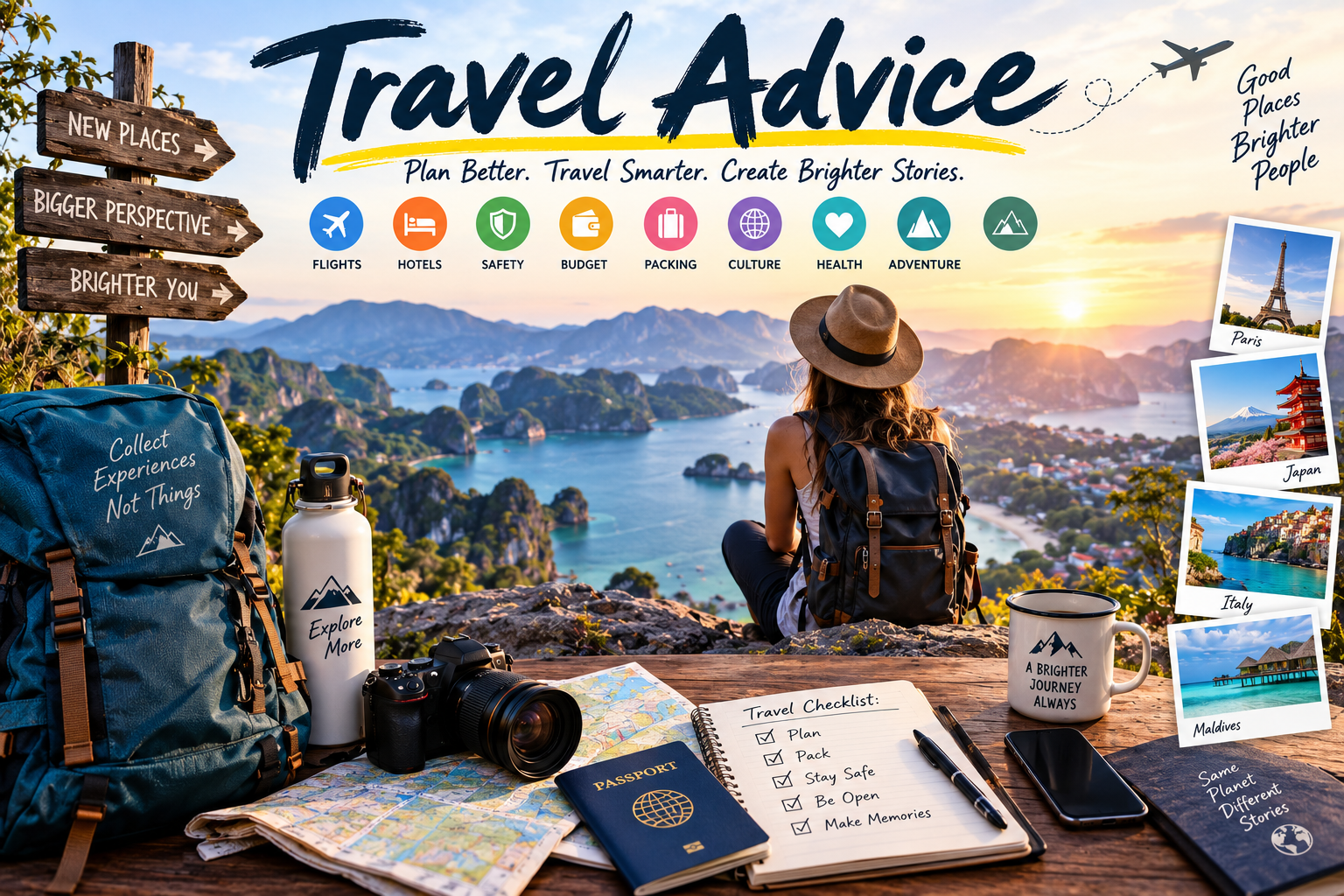
Travel Advice: 50 Essential Tips for Safer, Smarter Trips
What makes a trip genuinely successful? Is it finding the cheapest flight, booking a five-star hotel, visiting every famous attraction, or simply returning home with great memories and no major problems? The best travel advice is not about traveling as cheaply or as quickly as possible; it is about making informed decisions that balance safety, cost, comfort, time, flexibility and personal priorities. Smart travelers prepare for the important things before departure while leaving enough room for unexpected experiences once they arrive Tokyo Restaurants
What Is Good Travel Advice?
Travel advice is practical information that helps travelers make safer, more efficient and more informed decisions.
It can cover:
- destination selection
- passports and visas
- flights
- hotels
- transportation
- travel insurance
- health
- safety
- money
- packing
- communication
- local customs
- food
- weather
- emergencies
- technology
- travel scams
- sustainable tourism
The best travel advice is also context-dependent.
Advice that works for a backpacker may not work for a family with young children.
Advice for a two-week European vacation may not work for a six-month trip.
Advice for a major city may not work for a remote mountain destination.
That is why travelers should think in terms of principles rather than rigid rules.
Why Travel Advice Matters More in 2026
Travel information is more accessible than ever.
A traveler can search for flights, hotels, restaurants, attractions, weather, transportation and reviews within minutes.
Artificial intelligence can generate itineraries almost instantly.
Maps can provide turn-by-turn directions.
Translation tools can reduce language barriers.
Digital boarding passes can replace paper documents.
Yet easier access to information has created a new problem: not all information is reliable, current or relevant to your situation.
A hotel review from three years ago may no longer reflect the property.
An old visa article may contain outdated rules.
A viral social media video may show a location during an unusually quiet period.
An AI-generated itinerary may recommend an attraction that has changed its opening schedule.
Good travel advice therefore includes a second skill:
knowing what to verify.
The First Rule of Travel Advice: Research Before You Book
One of the most expensive travel mistakes is booking first and researching later.
Before paying for non-refundable flights or accommodation, investigate the destination.
Research:
- entry requirements
- visa rules
- passport validity
- travel advisories
- weather
- transportation
- local laws
- health requirements
- common scams
- currency
- accommodation areas
- seasonal closures
- major holidays
For international travelers, official government sources should be part of this process. The U.S. Department of State’s international travel checklist, for example, recommends reviewing destination-specific advisories, entry and visa requirements, passport validity, local laws, embassy information and health requirements before departure.
Even if you are not a U.S. citizen, the principle is useful: check the official information relevant to your nationality and destination.
Travel Advice for Choosing a Destination
Do not choose a destination simply because it is trending.
Instead, ask what you want from the trip.
Do you want:
- beaches?
- history?
- food?
- nature?
- nightlife?
- shopping?
- adventure?
- relaxation?
- family activities?
- photography?
- cultural experiences?
Then compare destinations that match those goals.
Match the Destination to Your Travel Personality
A traveler who loves hiking may become bored in a shopping-focused city.
A traveler who loves museums may not enjoy a remote beach resort.
A family with toddlers may have very different priorities from a group of university students.
Destination selection should therefore begin with the traveler rather than the destination.
Travel Advice for First-Time Travelers
First-time international travelers often make one major mistake: trying to make their first trip look like an experienced traveler’s itinerary.
They may attempt:
London → Paris → Amsterdam → Rome → Barcelona in ten days.
Technically, it may be possible.
Practically, it can mean:
- constant packing
- airport transfers
- train stations
- hotel check-ins
- lost mornings
- transportation delays
- exhaustion
For a first major trip, fewer destinations are usually better.
Start With One or Two Major Destinations
If you have seven days, consider spending most of them in one country or region.
You will have more time to understand the destination and less time dealing with logistics.
Learn the Local Transportation System
Before arriving, understand how you will get from:
airport → hotel → major attractions → departure point.
This simple preparation can eliminate much of the stress associated with the first day.
Travel Advice for International Trips
International travel requires additional preparation because you are crossing borders and entering another country’s legal and administrative system.
Before departure, verify:
- passport validity
- visa requirements
- electronic travel authorization requirements
- transit visa rules
- onward-ticket requirements
- customs restrictions
- vaccination requirements
- medication restrictions
- travel insurance
- local laws
Do not assume that a transit airport automatically means you can enter the transit country without additional requirements.
Visa and entry rules depend on nationality, destination, transit arrangements and sometimes previous travel history.
Always verify current requirements through official sources.
Travel Advice for Passports and Documents
Your passport is one of the most important things you carry.
Keep:
- the physical passport
- digital backup
- photocopy or secure backup
- visa information
- emergency contact information
You should also know your passport’s expiration date well before travel.
Some countries require travelers to have several months of passport validity remaining beyond their intended stay.
Keep Digital and Offline Copies
Important documents can include:
- passport identification page
- visas
- flight confirmations
- hotel reservations
- travel insurance
- driving license
- rental-car documents
- emergency contacts
Do not rely entirely on email access.
Keep essential information accessible offline.
Travel Advice for Flights
The cheapest flight is not always the best flight.
When comparing flights, consider:
- total price
- baggage allowance
- arrival time
- departure time
- number of stops
- airport location
- connection time
- cancellation policy
- change fees
- seat fees
Compare the Total Cost
A $250 flight can become $350 after:
- baggage
- seat selection
- meals
- payment fees
- airport transportation
Compare the final cost rather than the advertising price.
Avoid Extremely Tight Connections
A connection that looks efficient on paper may be risky if you need to:
- change terminals
- clear immigration
- collect baggage
- go through security again
The best connection is not always the shortest one.
Reliability matters.
Travel Advice for Long-Haul Flights
Long flights require preparation.
Consider:
- comfortable clothing
- hydration
- entertainment
- travel pillow
- eye mask
- earplugs
- medication
- charging equipment
- movement during the flight
For travelers on flights longer than four hours, CDC notes that air travel can increase the risk of blood clots. Travelers should discuss personal risk factors with a healthcare professional and follow appropriate medical advice.
Do not treat general travel advice as a substitute for individualized medical guidance.
Travel Advice for Choosing Hotels
Do not select a hotel based only on its star rating.
Location can be more important.
Before booking, check:
- neighborhood
- transport connections
- airport access
- nearby restaurants
- walking distance
- safety considerations
- check-in times
- cancellation policy
- taxes and fees
A hotel that is $30 cheaper but requires expensive daily transportation may ultimately cost more.
Read Recent Reviews
Look for recurring comments.
One negative review may mean nothing.
Twenty recent reviews mentioning poor cleanliness should get your attention.
Pay particular attention to comments about:
- noise
- cleanliness
- location
- staff
- air conditioning
- Wi-Fi
- bathrooms
- construction
- hidden charges
Travel Advice for Accommodation Location
The ideal neighborhood depends on your trip.
For Sightseeing
Stay near major attractions or reliable public transport.
For Business
Stay near the meeting or conference location.
For Families
Look for quieter areas with convenient transportation and nearby food options.
For Nightlife
Choose an area where evening transportation is practical.
For Nature Trips
Staying outside the city center may be better if your primary activities are outdoors.
Travel Advice for Building an Itinerary
A good itinerary is a framework, not a prison.
Instead of scheduling every minute, identify:
- must-see experiences
- optional activities
- food priorities
- rest periods
- transportation windows
- backup activities
Use the Geographic Grouping Method
If three attractions are located in the same neighborhood, visit them together.
This reduces:
- walking
- public transportation
- taxi costs
- wasted time
It also makes the trip feel calmer.
Do Not Schedule Every Hour
Leave space for:
- unexpected discoveries
- meals
- delays
- weather
- rest
- shopping
- photography
Some of the best travel experiences happen when nothing was planned.
Travel Advice for Budgeting
Travel budgets should include more than flights and hotels.
A realistic budget includes:
- flights
- accommodation
- food
- local transport
- activities
- insurance
- visas
- baggage
- mobile data
- shopping
- tips
- emergency money
Use a Daily Spending Target
A daily budget can make spending easier to control.
For example:
Daily budget = food + local transportation + activities + discretionary spending
Then keep accommodation and major transportation separate.
Create an Emergency Fund
An emergency reserve can cover:
- missed transportation
- unexpected accommodation
- medical expenses
- replacement documents
- additional transportation
- emergency purchases
The exact amount depends on your destination and circumstances.
Travel Advice for Saving Money
You do not need to sacrifice the entire travel experience to save money.
Instead, identify high-value savings.
Examples include:
- traveling during shoulder season
- using public transport
- staying slightly outside the most expensive tourist zone
- booking longer stays
- choosing local restaurants
- using free attractions
- avoiding unnecessary taxis
Spend More on What Matters
If you love food, spend more on food.
If you love photography, spend more on scenic experiences.
If comfort matters most, spend more on accommodation.
Travel budgets become easier when spending reflects priorities.
Travel Advice for Solo Travelers
Solo travel provides freedom, but independence also requires responsibility.
Solo travelers should pay attention to:
- accommodation location
- transportation
- communication
- emergency contacts
- personal belongings
- late-night movement
- local laws
Share Your General Itinerary
Someone you trust should know:
- where you are broadly traveling
- accommodation details
- major transportation plans
You do not need to report every movement.
The purpose is simply to create a safety backup.
Avoid Unnecessary Risk
Solo travel is not the time to prove that you can ignore every warning.
If locals, official authorities or reputable travel sources repeatedly advise against a particular area or activity, investigate why.
Travel Advice for Couples
Couples should discuss expectations before traveling.
Talk about:
- budget
- accommodation standards
- activities
- food
- nightlife
- shopping
- rest
- photography
- daily schedule
A surprisingly common travel problem is not poor planning but different expectations.
One person imagines a relaxing vacation.
The other imagines a packed sightseeing adventure.
Discuss it before departure.
Travel Advice for Families
Family travel requires additional planning.
Consider:
- children’s ages
- meal schedules
- sleeping arrangements
- stroller access
- transportation
- rest periods
- bathrooms
- weather
- medical facilities
Avoid Overloading Family Itineraries
Children generally need more transition time than adults.
A schedule that looks comfortable for two adults may be exhausting for a family with young children.
Plan fewer major activities and leave more buffer time.
Travel Advice for Older Travelers
Older travelers may benefit from:
- fewer hotel changes
- direct transportation
- shorter walking routes
- accessible accommodation
- reliable medical facilities
- flexible schedules
The goal is not to eliminate adventure.
It is to remove unnecessary physical strain.
Travel Advice for Budget Travelers
Budget travel works best when you understand the difference between cheap and low-value.
A cheap hostel far from everything may create additional transportation costs.
A slightly more expensive room near public transportation could be the better financial decision.
Focus on Total Cost
Compare:
Accommodation + transport + food + activity costs
rather than accommodation alone.
Travel Advice for Luxury Travelers
Luxury travel is not simply about spending more.
Good luxury planning is about reducing friction.
That may include:
- convenient transfers
- excellent locations
- flexible reservations
- private guides
- premium dining
- high-quality accommodation
- personalized experiences
The best luxury trip often feels effortless.
Travel Advice for Business Travelers
Business travelers should prioritize reliability.
Consider:
- hotel Wi-Fi
- airport access
- transportation reliability
- meeting location
- flexible booking
- quiet accommodation
- workspace
- charging facilities
A cheaper hotel that adds two hours of commuting each day may not represent good value.
Travel Advice for Outdoor Travelers
Outdoor travel requires more preparation than ordinary city tourism.
Research:
- weather
- terrain
- daylight
- trail conditions
- equipment
- transportation
- permits
- emergency access
- local wildlife
Never assume that an attractive hiking photograph means the route is suitable for your ability.
Travel Advice for Road Trips
Road trips require different planning.
Before departure, check:
- driving laws
- license requirements
- insurance
- road conditions
- tolls
- parking
- fuel availability
- vehicle condition
- emergency services
Do Not Overestimate Driving Distance
A map may show a route taking four hours.
Mountain roads, traffic, weather and stops can turn four hours into six.
Build realistic buffers.
Travel Advice for Rental Cars
Before accepting a rental vehicle, inspect:
- existing damage
- fuel level
- mileage
- tires
- lights
- mirrors
- windshield
- rental agreement
Photograph the vehicle before departure.
This creates a record of its condition.
Also understand:
- insurance coverage
- excess/deductible
- fuel policy
- return requirements
- late-return fees
Travel Advice for Travel Insurance
Travel insurance should be evaluated according to your actual risks.
Check coverage for:
- emergency medical care
- evacuation
- cancellation
- interruption
- baggage
- delays
- missed connections
- adventure activities
Do not focus only on the largest number displayed in the policy.
Read exclusions.
A policy that looks impressive but excludes the activity you are planning may provide little value.
Travel Advice for Health Preparation
Health preparation depends heavily on your destination.
CDC recommends checking destination-specific health guidance and speaking with a healthcare professional or travel-health specialist before international travel. Its guidance recommends doing this roughly four to six weeks before departure when possible because some vaccines require multiple doses.
Potential considerations can include:
- routine vaccinations
- destination-specific vaccines
- prescription medication
- food and water precautions
- insect protection
- altitude
- heat
- travel-related illnesses
Do Not Copy Someone Else’s Medical Plan
A medication that is appropriate for one traveler may not be appropriate for another.
Health advice should be individualized.
Travel Advice for Prescription Medicines
If you take medication, research destination rules before traveling.
Some medicines that are legal in one country may be restricted or controlled elsewhere.
Carry medication appropriately labeled and keep it accessible.
For longer trips, discuss your travel plans with your healthcare provider.
Travel Advice for Food and Water
Food is one of the most rewarding parts of travel, but travelers should understand local risks.
Depending on the destination:
- drink appropriate water
- wash hands
- be careful with raw foods
- consider food hygiene
- understand local recommendations
CDC destination guidance provides country-specific health information rather than assuming the same precautions apply everywhere.
Travel Advice for Jet Lag
Long-distance travel can disrupt sleep.
Helpful strategies include:
- adjusting sleep gradually
- getting daylight exposure
- staying hydrated
- avoiding excessive alcohol
- keeping activity light on arrival
- maintaining a consistent schedule
Do not expect yourself to operate at 100% immediately after a major time-zone change.
Travel Advice for Weather
Weather should influence your itinerary.
Before traveling, check:
- average temperatures
- rainfall
- storms
- heat
- snow
- hurricanes or typhoons
- daylight hours
Then check the forecast again shortly before departure.
Build Weather Alternatives
For each outdoor-heavy day, identify an indoor alternative.
For example:
Outdoor: walking tour
Rain: museum + café + indoor market
This simple strategy makes trips more resilient.
Travel Advice for Natural Disasters
Different destinations have different hazards.
These can include:
- earthquakes
- hurricanes
- floods
- wildfires
- volcanic activity
- extreme heat
- avalanches
Research the hazards relevant to your destination.
Know how local authorities communicate emergency information.
Travel Advice for Emergencies
Save important numbers before you leave.
Depending on the destination, you may need:
- police
- ambulance
- fire service
- embassy or consulate
- insurance assistance
- hotel emergency contact
Your phone may not always have internet access.
Keep essential information offline.
Travel Advice for Money
Avoid relying on a single payment method.
Carry:
- primary card
- backup card
- some local currency
- emergency cash
Keep payment cards and cash separated when practical.
Notify Your Bank When Appropriate
Some banks still require travelers to indicate international travel, while others use automated fraud detection.
Check your bank’s current policy.
Understand Currency Exchange
Airport currency exchanges are convenient but may not provide the best rate.
Compare:
- bank rates
- ATM fees
- card foreign-exchange fees
- exchange-office rates
The cheapest-looking exchange rate may include hidden fees.
Travel Advice for ATMs
Use reputable ATMs.
Avoid using unfamiliar machines in suspicious locations.
Before withdrawing money, check:
- fee
- exchange-rate option
- whether the machine is affiliated with a known financial institution
If an ATM offers to convert the transaction into your home currency, understand the rate before accepting.
Travel Advice for Mobile Phones
Before international travel, check:
- roaming charges
- eSIM availability
- local SIM options
- phone compatibility
- hotspot options
For longer trips, a local data plan may be more economical.
Download Important Apps Before Departure
Consider:
- maps
- translation
- airline app
- hotel app
- transportation app
- travel insurance app
- banking app
But always keep critical information available outside the apps as well.
Travel Advice for Public Wi-Fi
Public Wi-Fi can be useful but should be treated cautiously.
Avoid performing sensitive financial transactions on suspicious networks.
Do not automatically trust a network simply because it has the hotel’s or café’s name.
Fake Wi-Fi networks can be used to capture information.
Travel Advice for QR Codes
QR codes are increasingly common in travel.
They appear on:
- menus
- transportation
- attractions
- advertisements
- payment systems
But travelers should not scan unknown QR codes blindly.
Modern travel scams can involve manipulated QR codes and fake payment pages. Recent reporting has highlighted how scammers increasingly combine social engineering with convincing digital tools.
If a QR code suddenly asks for unusual payment or personal information, stop and verify it.
Travel Advice for Avoiding Scams
Travel scams have become more sophisticated.
Warning signs include:
- urgent payment requests
- unexpected booking changes
- messages asking for card details
- fake customer-service accounts
- suspicious QR codes
- unusually cheap offers
- pressure to act immediately
Verify Through Official Channels
If you receive a message saying:
“Your flight has been canceled. Click here to rebook.”
Do not immediately click.
Open the airline’s official website or app directly.
The same applies to hotels and other bookings.
Travel Advice for Booking Scams
Never assume a message is genuine simply because it contains your correct travel dates.
Fraudsters may obtain real booking information.
Recent reporting has highlighted “reservation hijacking,” where criminals exploit genuine reservation details to create convincing payment requests.
The safest approach is to verify unusual requests independently.
Travel Advice for Social Media
Social media is excellent for inspiration.
It is less reliable as the sole source of practical travel information.
A viral attraction may be:
- crowded
- seasonal
- difficult to access
- restricted
- expensive
- less impressive outside ideal lighting
Use social media to discover ideas.
Then verify details elsewhere.
Travel Advice for AI Tools
AI is becoming an increasingly important travel-planning tool.
It can help with:
- itinerary ideas
- destination comparison
- packing lists
- restaurant categories
- neighborhood research
- translation
- activity suggestions
- budget structures
But AI can also make mistakes.
Verify Critical Information
Always verify:
- visa rules
- passport requirements
- flight schedules
- attraction hours
- local laws
- medical advice
- prices
- transportation disruptions
AI should help you research.
It should not replace official sources.
Travel Advice for Packing
The best packing strategy is usually lighter than beginners expect.
Start with:
- clothing
- underwear
- footwear
- toiletries
- medication
- electronics
- documents
- weather-specific items
Then remove anything you probably will not use.
Pack for the Actual Trip
Do not pack for every imaginable scenario.
Research the destination’s weather and available services.
Many travelers pack excessive quantities because they are trying to prepare for every possible situation.
Travel Advice for Carry-On Bags
Your carry-on should contain items you cannot afford to lose.
Consider:
- passport
- wallet
- medication
- phone
- charger
- essential documents
- valuables
- basic clothing
- important electronics
Do not put critical medication or irreplaceable items in checked luggage without considering the risk of baggage delay or loss.
Travel Advice for Lost Luggage
If your luggage does not arrive:
- Report it at the airport.
- Keep the baggage claim documentation.
- Contact the airline.
- Keep receipts for necessary purchases.
- Contact travel insurance if appropriate.
Do not throw away documentation.
Travel Advice for Traveling With Children
Children need familiar routines.
Pack:
- snacks
- entertainment
- essential medicine
- spare clothing
- comfort items
- wipes
- required documents
Prepare for Delays
A three-hour flight delay can feel very different with a child.
Carry enough essentials to handle unexpected waiting.
Travel Advice for Travelers With Disabilities
Accessibility varies significantly by destination.
Before booking, research:
- wheelchair access
- elevators
- accessible bathrooms
- transportation
- hotel room configuration
- attraction accessibility
Never assume that a property labeled “accessible” meets your specific needs.
Ask detailed questions before booking.
Travel Advice for Older Travelers With Mobility Concerns
Plan around realistic walking distances.
A hotel may be only 800 meters from a station, but that can be difficult with luggage, heat or uneven streets.
Look at the actual route rather than relying only on distance.
Travel Advice for Vegetarian and Vegan Travelers
Research local cuisine before departure.
Learn how to communicate dietary requirements in the local language.
Be particularly careful with:
- broths
- sauces
- fish-based ingredients
- shared cooking surfaces
- hidden animal products
Travel Advice for Religious and Dietary Requirements
Travelers with halal, kosher, vegetarian, vegan or allergy-related requirements should research restaurants in advance.
Do not assume that a menu label guarantees compliance with your specific requirements.
Ask questions where necessary.
Travel Advice for Cultural Etiquette
A little cultural awareness goes a long way.
Research:
- dress expectations
- photography rules
- tipping culture
- public behavior
- religious customs
- greetings
- public transportation etiquette
- dining customs
Respect Local Communities
Remember that tourist destinations are also people’s homes.
Avoid:
- entering private property
- blocking roads
- photographing people without appropriate consideration
- making excessive noise
- ignoring signs
- damaging natural or cultural sites
Travel Advice for Language Barriers
You do not need to become fluent in the local language before a short trip.
Learn basic phrases.
Carry a translation tool.
Know your hotel address.
Save important destinations in the local script where useful.
Even basic communication can make transportation and emergencies easier.
Travel Advice for Cultural Differences
Something that is normal in your country may be considered rude elsewhere.
Before departure, research the major cultural differences that affect visitors.
This is particularly important when traveling to:
- religious destinations
- conservative communities
- rural regions
- countries with strict public-behavior norms
Travel Advice for Solo Nightlife
If you are traveling alone and going out at night:
- know how you are getting back
- keep your phone charged
- avoid accepting unknown drinks
- monitor your belongings
- avoid excessive intoxication
- stay aware of your surroundings
The objective is not fear.
It is maintaining enough awareness to make good decisions.
Travel Advice for Beaches
Beach destinations require more than sunscreen.
Consider:
- currents
- tides
- weather
- local swimming rules
- lifeguards
- marine wildlife
- sun exposure
Never assume a beautiful beach is safe for swimming.
Travel Advice for Hiking
Before a hike, check:
- route length
- elevation
- weather
- daylight
- water availability
- trail condition
- phone coverage
- emergency access
Tell someone about your route when appropriate.
Do not underestimate mountain weather.
Travel Advice for Winter Travel
Cold destinations require preparation.
Check:
- temperature
- snow
- road conditions
- daylight
- clothing requirements
- transportation disruptions
Carry appropriate footwear and layers.
Travel Advice for Hot Destinations
Heat can turn a pleasant itinerary into a dangerous one.
Use:
- hydration
- sun protection
- appropriate clothing
- rest periods
- shade
- indoor breaks
Avoid scheduling the most physically demanding activities during the hottest part of the day when possible.
Travel Advice for Sustainable Travel
Sustainable travel is not simply about buying an expensive “eco” product.
It can involve:
- using public transport
- staying longer
- supporting local businesses
- reducing waste
- respecting wildlife
- avoiding destructive tourism
- visiting less crowded destinations
Consider Traveling During Shoulder Season
Travel patterns are changing.
Recent reporting shows growing interest in September through November travel, partly because travelers want to avoid extreme summer heat, high prices and peak-season crowds. Virtuoso reported strong year-over-year growth in fall bookings, while travel experts noted that September and October are increasingly competing with traditional summer travel periods.
However, travelers should remember that shifting demand can eventually make previously quiet periods busy too.
Travel Advice for Slow Travel
Slow travel means spending more time in fewer places.
Instead of:
five cities in eight days
consider:
two or three cities in eight days.
Benefits include:
- less transportation
- fewer hotel changes
- lower stress
- deeper cultural experiences
- more free time
- greater flexibility
Slow travel is particularly useful for families, couples and travelers interested in local culture.
Travel Advice for Choosing Between Peak and Off-Season
Peak season may provide:
- better weather
- more operating attractions
- more transportation options
But it may also bring:
- higher prices
- crowds
- limited accommodation
- long queues
Off-season may offer:
- lower prices
- fewer tourists
- more availability
But potentially:
- poor weather
- reduced services
- seasonal closures
Shoulder season can offer a balance.
Travel Advice for Travel During Holidays
Before booking, check major holidays at your destination.
These can affect:
- hotel prices
- restaurant availability
- transport
- attraction opening hours
- crowds
A holiday that feels ordinary to you may be one of the busiest travel periods locally.
Travel Advice for Business and Public Holidays
Do not assume every country follows the same calendar.
A Monday that looks like a normal travel day on your calendar may be a public holiday at your destination.
Research the local calendar before finalizing your itinerary.
Travel Advice for Attractions
Do not buy every ticket simply because an attraction is famous.
Ask:
- Do I genuinely want to visit?
- How much time will it take?
- Is there a reservation requirement?
- Is it worth the cost?
- Is there a less crowded alternative?
Travel should be personalized.
Travel Advice for Popular Tourist Attractions
For major attractions, check whether:
- timed entry is required
- tickets sell out
- early arrival helps
- specific days are less crowded
- photography is restricted
- seasonal closures occur
Booking early can be useful for genuinely high-demand experiences.
But do not pre-book every minute of a trip.
Travel Advice for Restaurants
A restaurant with thousands of social-media followers is not automatically the best restaurant.
Look for:
- recent reviews
- local reputation
- menu suitability
- location
- price
- reservation requirements
And sometimes, the best meal is the small restaurant you discover while walking.
Travel Advice for Shopping
Before buying expensive goods abroad, research:
- local price
- tax refunds
- warranty
- authenticity
- baggage implications
- customs rules when returning home
A purchase is not a bargain if the warranty is unusable or customs costs eliminate the savings.
Travel Advice for Souvenirs
The best souvenirs often have a story.
Consider:
- local crafts
- food products where permitted
- traditional items
- artwork
- books
- locally produced goods
Avoid purchasing products made from protected wildlife or restricted materials.
Travel Advice for Travel Photography
Respect people and places.
Do not enter restricted areas for photographs.
Do not climb barriers.
Do not block public pathways.
Do not disturb ceremonies.
The photograph is not more important than the place.
Travel Advice for Digital Security
Before travel:
- update your phone
- enable device security
- use strong passwords
- enable two-factor authentication
- back up important data
- protect banking applications
If your phone is lost, having a secure backup plan can prevent major problems.
Travel Advice for Emergencies Abroad
If something serious happens, remain calm.
First determine:
What is the immediate danger?
Then:
Who can help?
Depending on the situation, this may be:
- emergency services
- hotel staff
- airline
- tour operator
- insurer
- embassy or consulate
- local authorities
Do not waste critical time arguing with strangers or trying to solve everything yourself.
Travel Advice for Contacting an Embassy
Embassies and consulates may assist with certain emergencies, but they generally cannot replace your airline, insurer or hotel.
They may provide guidance in situations involving:
- lost passports
- serious emergencies
- detention
- major crises
Understand what consular services can and cannot do before you travel.
Travel Advice for Keeping Your Family Informed
If traveling alone or for an extended period, establish a simple communication routine.
For example:
“Message family once every evening.”
This provides reassurance without requiring constant reporting.
Travel Advice for Travelers With Medical Conditions
If you have a medical condition, discuss travel plans with an appropriate healthcare professional.
Consider:
- medication supply
- destination healthcare
- insurance
- emergency care
- climate
- altitude
- flight duration
CDC recommends destination-specific health planning and notes that travelers should discuss itinerary and planned activities with a healthcare professional or travel-health specialist.
Travel Advice for Travel Health Insurance
Health insurance from your home country may not cover all services abroad.
Check:
- international coverage
- emergency treatment
- evacuation
- exclusions
- deductibles
- preauthorization requirements
Keep the insurer’s emergency contact information accessible.
Travel Advice for Common Travel Mistakes
Some mistakes appear repeatedly across different types of travel.
Mistake: Booking the Cheapest Flight
Solution: Compare the total journey cost.
Mistake: Overpacking
Solution: Pack according to actual weather and planned activities.
Mistake: Overplanning
Solution: Leave free time.
Mistake: Ignoring Transportation
Solution: Research door-to-door travel time.
Mistake: Forgetting Local Holidays
Solution: Check the destination calendar.
Mistake: Relying on One Payment Method
Solution: Carry backup payment options.
Mistake: Trusting Every Online Message
Solution: Verify through official channels.
Mistake: Ignoring Insurance Exclusions
Solution: Read the policy before purchase.
Mistake: Using Outdated Information
Solution: Recheck important rules shortly before departure.
Mistake: Trying to See Everything
Solution: Prioritize experiences rather than destinations.
Travel Advice for Last-Minute Travelers
Sometimes trips cannot be planned months ahead.
If you are traveling soon, prioritize the highest-impact tasks.
First verify:
- passport
- visa
- flights
- accommodation
- insurance
- health requirements
Then research:
- transportation
- weather
- major attractions
- money
- local customs
Do not spend three hours choosing a restaurant before confirming that you are legally allowed to enter the country.
Travel Advice for Long-Term Travelers
Long-term travel requires a different mindset.
Consider:
- banking
- insurance
- accommodation
- laundry
- healthcare
- visas
- taxation where relevant
- communications
- document backups
- emergency funds
The longer you travel, the more important routine becomes.
Travel Advice for Digital Nomads
Digital nomads should prioritize:
- reliable internet
- visa rules
- accommodation workspace
- time zones
- healthcare
- banking
- tax obligations
- local transportation
A destination that looks beautiful on Instagram may be unsuitable if your work requires stable high-speed internet.
Travel Advice for Students
Students should consider:
- student discounts
- budget accommodation
- transport passes
- travel insurance
- emergency contacts
- visa rules
- local laws
Traveling as a student is an opportunity to learn beyond traditional tourism.
Travel Advice for Couples on a Budget
Instead of trying to make every part of the trip luxurious, select one or two memorable experiences.
For example:
- affordable hotel + excellent dinner
- public transport + private tour
- budget flights + premium local experience
This creates memorable moments without making the entire trip expensive.
Travel Advice for Families on a Budget
Families can save by:
- choosing apartments where appropriate
- using public transport
- staying longer in one location
- preparing some meals
- choosing free attractions
- traveling outside peak periods
Avoid saving money in ways that create significant stress.
Travel Advice for First-Time International Travelers
If this is your first international trip, create a simple checklist.
Before Booking
- Check passport.
- Check visa.
- Research destination.
- Set budget.
After Booking
- Save confirmations.
- Research transportation.
- Buy insurance.
- Review health requirements.
Before Departure
- Check weather.
- Download maps.
- Prepare documents.
- Arrange mobile data.
- Confirm flights.
At the Destination
- Stay aware.
- Follow local rules.
- Protect your documents.
- Keep emergency information accessible.
Travel Advice for Frequent Travelers
Experienced travelers can optimize further.
Consider:
- airline loyalty programs
- hotel loyalty
- flexible dates
- airport lounges
- travel credit cards
- efficient packing
- trusted transportation options
But optimization should serve convenience rather than become the purpose of travel.
Comparing 10 Travel Brands and Platforms
Different travel brands solve different problems. There is no single platform that is best for every traveler.
| Brand | Best For | Main Strength | Potential Weakness |
|---|---|---|---|
| Google Maps | Navigation | Maps, places and local discovery | Can create information overload |
| Google Flights | Flight research | Flexible flight search and tracking | Primarily a search tool rather than a full trip manager |
| Booking.com | Accommodation | Large accommodation inventory | Property quality still requires individual research |
| Expedia | Packages | Flights, hotels and bundled travel | Package value varies |
| Skyscanner | Flight comparison | Flexible searches and fare discovery | Booking may redirect to another provider |
| Airbnb | Alternative accommodation | Homes and unique stays | Quality and rules vary by property |
| Trip.com | Flights, hotels and Asia travel | Broad travel inventory | Policies vary by supplier |
| Wanderlog | Itinerary planning | Route organization and collaboration | Some advanced functions may require payment |
| TripIt | Reservation management | Organizes bookings | Less focused on destination inspiration |
| Rome2Rio | Transportation planning | Compares ways to travel between destinations | Final booking may involve external providers |
The correct strategy is often to use several tools for different purposes rather than depending on one platform for the entire journey.
How to Choose the Right Travel Platform
Use the platform according to the problem you are trying to solve.
For Flights
Compare multiple flight sources and check the airline directly before final payment when appropriate.
For Hotels
Compare prices, location, cancellation terms and recent reviews.
For Navigation
Use a reliable mapping service and download essential information when possible.
For Itinerary Planning
Use a dedicated planner if your trip contains multiple destinations or travelers.
For Transportation
Compare rail, bus, flights, rental cars and transfers based on door-to-door time rather than vehicle time alone.
The Pros of Following Good Travel Advice
Good travel advice can:
- reduce avoidable stress
- protect your money
- improve safety
- reduce wasted time
- improve trip quality
- prevent common mistakes
- help you prepare for emergencies
- make budgeting easier
- improve cultural awareness
It can also make travel more enjoyable because fewer basic problems compete for your attention.
The Cons of Following Too Much Travel Advice
There is a downside.
Too much advice can create:
- decision fatigue
- fear
- excessive planning
- unrealistic expectations
- loss of spontaneity
If you read 50 articles telling you what you “must” do, you may end up believing that a vacation requires a perfect checklist.
It does not.
Use Advice as a Filter, Not a Rulebook
The purpose of travel advice is to help you make better decisions.
It should not remove your ability to make your own choices.
The Difference Between Risk and Fear
Good travel advice identifies realistic risks.
Bad travel advice creates unnecessary fear.
Every destination has some risk.
That does not mean every traveler should avoid it.
A useful approach is:
Identify → Assess → Prepare → Act
Identify the risk.
Assess how likely and serious it is.
Prepare proportionately.
Then continue enjoying the trip.
The 80/20 Rule for Travel Preparation
Not every travel detail deserves equal attention.
Spend most of your preparation time on the decisions that could cause major problems.
High-impact issues include:
- passport
- visa
- flights
- accommodation
- insurance
- health
- money
- emergency contacts
Low-impact issues include:
- choosing between two similar cafés
- deciding which souvenir shop to visit
- optimizing a short walking route
Focus your energy where it matters.
The Travel Advice Checklist
Before leaving home, ask yourself:
Documents
- Is my passport valid?
- Do I need a visa?
- Do I need an electronic travel authorization?
- Do I have copies of important documents?
Money
- Do my cards work internationally?
- Do I have backup payment?
- Do I have emergency money?
Health
- Do I need vaccines?
- Do I have enough medication?
- Do I know the health risks?
Transportation
- How do I reach my hotel?
- What transport will I use?
- Do I need reservations?
Accommodation
- Is the location suitable?
- Is the booking confirmed?
- Do I understand cancellation rules?
Communication
- Do I have mobile data?
- Can I access maps offline?
- Do I know how to contact emergency services?
Safety
- What are the main destination-specific risks?
- What scams are common?
- Who should I contact if something goes wrong?
A 30-Day Travel Preparation Timeline
30 Days Before Departure
Focus on:
- passport
- visa
- flights
- accommodation
- insurance
- health requirements
21 Days Before Departure
Research:
- transportation
- attractions
- local customs
- weather
- money
14 Days Before Departure
Finalize:
- major reservations
- activities
- airport transportation
- mobile data
7 Days Before Departure
Check:
- weather
- flight schedule
- documents
- baggage
- transportation disruptions
1–2 Days Before Departure
Prepare:
- passport
- wallet
- phone
- chargers
- medication
- documents
- luggage
Do one final check of your most important reservations.
What to Do When Travel Plans Change
Travel disruptions are inevitable.
Flights get delayed.
Trains stop.
Hotels overbook.
Weather changes.
Attractions close.
The goal is not to create a trip where nothing goes wrong.
The goal is to create a trip that can survive small disruptions.
Build Buffer Time
Do not schedule an important international flight immediately after a long-distance journey unless necessary.
Do not schedule an important event five minutes after your expected arrival.
Buffers create resilience.
How to Handle a Flight Delay
First check:
- airline app
- departure board
- official airline communication
Then determine:
- new departure time
- gate
- connection implications
- accommodation needs
- onward transportation
Avoid relying solely on social-media rumors.
How to Handle a Hotel Problem
If the room is not as advertised:
- Document the issue.
- Contact hotel management.
- Refer to the booking terms.
- Escalate through the booking platform if necessary.
- Keep written records.
Stay calm.
A clear written record is often more useful than an emotional argument.
How to Handle Lost Documents
If your passport is lost:
- contact local authorities as appropriate
- contact your embassy or consulate
- report the loss
- contact your insurer if relevant
- use backup copies
This is why keeping copies of important documents matters.
Travel Advice for Responsible Tourism
Responsible travel means recognizing that destinations are not products created exclusively for visitors.
Local people live there.
Cultural sites have meaning.
Natural environments have limits.
Tourism can create economic opportunities, but excessive tourism can also produce pressure.
Travel responsibly by:
- respecting local rules
- supporting local businesses
- reducing waste
- protecting nature
- following photography rules
- avoiding wildlife exploitation
- considering less crowded destinations
Travel Advice for the Future
The future of travel advice is likely to become more personalized.
Instead of generic recommendations, travelers will increasingly receive advice based on:
- age
- budget
- travel companions
- interests
- mobility
- dietary needs
- previous travel
- weather
- crowd levels
- real-time transportation
AI will likely make itinerary creation faster.
But the future also creates a new challenge.
If millions of travelers use similar AI systems, popular recommendations could become even more concentrated.
The most useful travel technology may therefore be technology that helps distribute visitors rather than simply sending everyone to the same famous attractions.
AI and the Future of Travel Advice
AI can potentially transform travel planning from static information into dynamic decision-making.
Imagine an itinerary that automatically responds to:
- weather
- traffic
- train cancellations
- attraction capacity
- restaurant availability
- flight delays
Instead of asking:
“What should I do in Rome?”
you could ask:
“I have four hours before my flight, I am near Termini, it is raining, I have luggage, and I want a good local meal. What is realistic?”
This type of contextual travel advice could become increasingly common.
But travelers will still need to verify critical information.
The Rise of Shoulder-Season Travel
Traditional summer travel is being challenged by changing traveler preferences.
Recent industry reporting indicates strong growth in fall travel as travelers seek cooler temperatures, lower crowds and potentially better value.
This trend may encourage:
- longer operating seasons
- expanded seasonal flights
- more autumn events
- greater demand outside summer
However, travelers should not assume that “off-season” automatically means empty or cheap.
Demand changes.
The Rise of Experience-Based Travel
Travelers increasingly want experiences rather than only sightseeing.
Examples include:
- cooking classes
- local workshops
- hiking
- cultural festivals
- wellness
- food tours
- craft experiences
- local neighborhood tours
This creates an important travel-planning shift.
The question is moving from:
“What can I see?”
to:
“What can I experience?”
The Rise of Regional Travel
As famous destinations become more crowded, secondary destinations are becoming increasingly attractive.
Travelers may discover:
- smaller cities
- rural communities
- regional food
- local festivals
- nature
- traditional crafts
This can benefit travelers and local economies.
The Future of Travel Safety
Travel safety will increasingly include digital safety.
Future travelers may need to protect themselves against:
- fake booking websites
- AI-generated messages
- identity theft
- payment fraud
- fake customer-service accounts
- QR-code scams
- data theft
Physical safety remains important, but digital trust is becoming an equally important part of modern travel.
The Most Important Travel Advice
If you remember only a few principles from this guide, remember these:
Verify Important Information
Use official sources for visas, entry rules, health requirements and emergencies.
Protect Your Documents
Keep physical and secure backup copies.
Have Backup Money
Never depend on one payment method.
Leave Buffer Time
Travel rarely follows the schedule perfectly.
Do Not Overplan
A trip should leave room for life.
Research Your Destination
Understand local laws, customs, weather and transportation.
Trust Your Judgment
If something feels wrong, pause and verify.
Keep Perspective
A delayed flight is frustrating.
It does not have to ruin the entire vacation.
FAQs
What is the most important travel advice for beginners?
Start with the fundamentals: passport and visa requirements, flights, accommodation, insurance, health preparation, transportation and emergency contacts. Do not try to plan every minute of your trip.
What should I check before traveling internationally?
Check passport validity, visa or entry requirements, travel advisories, local laws, health requirements, weather, transportation and travel insurance. Official government and health sources should be used for time-sensitive requirements.
How far in advance should I prepare for international travel?
For a major international trip, starting several weeks or months ahead is generally useful. Health preparation can require additional time; CDC recommends consulting a healthcare provider or travel-health specialist around four to six weeks before departure when possible.
What should I pack for international travel?
Pack according to your destination, weather and activities. Essentials typically include travel documents, medication, clothing, footwear, chargers, toiletries and appropriate electronics. Keep critical documents and medication accessible.
Is travel insurance necessary?
Travel insurance can be valuable because unexpected medical treatment, cancellation, interruption, baggage problems and emergencies can become expensive. Whether you need a particular policy depends on your destination, trip and personal circumstances.
How can I avoid travel scams?
Be suspicious of urgent payment requests, unexpected booking changes, fake customer-service accounts, suspicious QR codes and unusually cheap offers. Verify information directly through official airline, hotel or booking-platform channels rather than clicking unsolicited links. Recent reporting shows that travel scams are becoming increasingly convincing.
Is it safe to use public Wi-Fi while traveling?
Public Wi-Fi can be useful, but travelers should avoid treating unknown networks as completely secure. Be particularly cautious when entering sensitive financial or personal information.
Should I use an eSIM when traveling?
An eSIM can be convenient for travelers whose phones support it. Compare the price, coverage, data allowance and activation requirements with local SIM and roaming options.
Should I carry cash when traveling?
Yes, it is sensible to have some local currency even when cards and digital payments are widely accepted. The appropriate amount depends on your destination.
How much emergency money should I carry?
There is no universal amount. Your emergency reserve should reflect your destination, trip length, access to ATMs, insurance and personal circumstances. The important principle is having a backup fund separate from your normal daily spending.
How can I travel on a small budget?
Use flexible dates, compare accommodation, use public transportation, consider shoulder-season travel, eat at local restaurants and prioritize free or inexpensive activities. Focus on total trip cost rather than finding the cheapest individual purchase.
Is it better to travel during peak season or off-season?
Neither is universally better. Peak season may offer better weather but higher prices and crowds. Off-season can be cheaper and quieter but may involve closures or unfavorable weather. Shoulder season often provides a useful balance.
How can I avoid overcrowded tourist attractions?
Travel during less busy periods, arrive early, stay longer, explore alternative attractions and consider regional destinations. Do not assume the most famous attraction is necessarily the best experience for you.
How many activities should I plan each day?
For most leisure trips, one or two major activities plus smaller nearby experiences is a reasonable starting point. Transportation time and personal energy should determine the final schedule.
Should I book everything before my trip?
No. Book important or high-demand items in advance, but leave room for spontaneous experiences. Overbooking every hour can make a vacation stressful.
What should solo travelers do for safety?
Research accommodation locations, keep communication available, share your general itinerary with someone you trust, protect your belongings and understand local emergency procedures.
Is solo travel safe?
Safety depends on the destination, traveler and activities. Solo travelers should research destination-specific risks and use sensible precautions rather than assuming that every destination presents the same level of risk.
What is the best travel advice for families?
Keep the itinerary flexible, choose convenient accommodation, allow rest periods and prepare for delays. Families generally benefit from fewer activities and more buffer time.
What is the best travel advice for older travelers?
Prioritize comfortable transportation, accessible accommodation, shorter walking distances, fewer hotel changes and sufficient rest. Travel can remain adventurous without being unnecessarily exhausting.
How can I make travel easier with children?
Prepare snacks, entertainment, spare clothing and essential medication. Research bathrooms, transport, meal options and child-friendly attractions. Most importantly, allow additional time between activities.
What is the best travel advice for couples?
Discuss budgets, activity preferences, accommodation standards and desired pace before traveling. Different expectations are often a bigger source of travel stress than the destination itself.
What should I do if my flight is delayed?
Check official airline information, determine how the delay affects connections and accommodation, and keep records of relevant communications and expenses. Avoid relying on unofficial social-media updates.
What should I do if my luggage is lost?
Report it to the airline before leaving the airport when possible, keep the baggage documentation and retain receipts for necessary purchases. Contact your insurer if your policy provides relevant coverage.
What should I do if I lose my passport abroad?
Report the loss as appropriate, contact your embassy or consulate, follow their instructions and use any secure backup copies you prepared before traveling.
Should I use AI to plan my trip?
AI can be extremely useful for itinerary ideas, destination comparisons, packing lists and personalized planning. However, verify critical information such as visas, health requirements, local laws, prices and transportation schedules using authoritative sources.
Can AI give incorrect travel advice?
Yes. AI systems can produce outdated or incorrect information. This is particularly important for rapidly changing travel rules, opening hours, transportation schedules, prices and entry requirements.
How can I verify travel information?
Use official government, embassy, airport, airline, transportation, tourism and health websites for critical information. Use reviews and travel blogs for ideas and personal experiences, but verify time-sensitive facts.
What is slow travel?
Slow travel means spending more time in fewer destinations instead of moving constantly. It can reduce transportation stress and allow travelers to experience local culture more deeply.
What is shoulder-season travel?
Shoulder season is the period between peak and low travel seasons. It can offer a combination of reasonable weather, fewer crowds and better prices, although conditions vary by destination.
Is sustainable travel expensive?
Not necessarily. Sustainable travel can include simple choices such as using public transport, staying longer, reducing waste, supporting local businesses and choosing less crowded destinations.
How can I make my travel more sustainable?
Travel more slowly, use public transportation where practical, reduce unnecessary waste, support local businesses and respect natural and cultural sites.
What is the biggest travel planning mistake?
Trying to do too much. A theoretically possible itinerary can still be physically exhausting and vulnerable to delays. Build around priorities rather than trying to see everything.
What is the best way to deal with travel anxiety?
Preparation can help, but avoid researching so much that you create unnecessary fear. Focus on realistic risks, create simple contingency plans and remember that most minor travel problems can be solved.
What should I do if something goes wrong abroad?
First address immediate safety. Then contact the appropriate resource, such as local emergency services, your hotel, airline, insurer or embassy depending on the situation. Keep important contact information accessible.
What makes a good travel itinerary?
A good itinerary balances activities, transportation, rest, budget and flexibility. It should make your trip easier rather than force you to rush constantly.
What is the single best piece of travel advice?
Prepare for the important things, verify what matters, stay flexible and leave enough room for the trip to become an experience rather than a checklist.
Conclusion
The best travel advice is ultimately about preparation without obsession. A smart traveler does enough research to understand the destination, checks important rules through reliable sources, protects documents and money, prepares for health and weather issues, chooses transportation and accommodation carefully, and creates enough flexibility to handle unexpected changes. Modern technology, AI, travel apps and social media can make this process dramatically easier, but they also create new risks involving misinformation, digital fraud and over-optimization. The strongest approach is therefore balanced: use technology for convenience, official sources for critical information, personal judgment for decisions and flexibility for the journey itself.