Tokyo Sports: A Complete Guide to Sports, Teams, Events, and Active Experiences
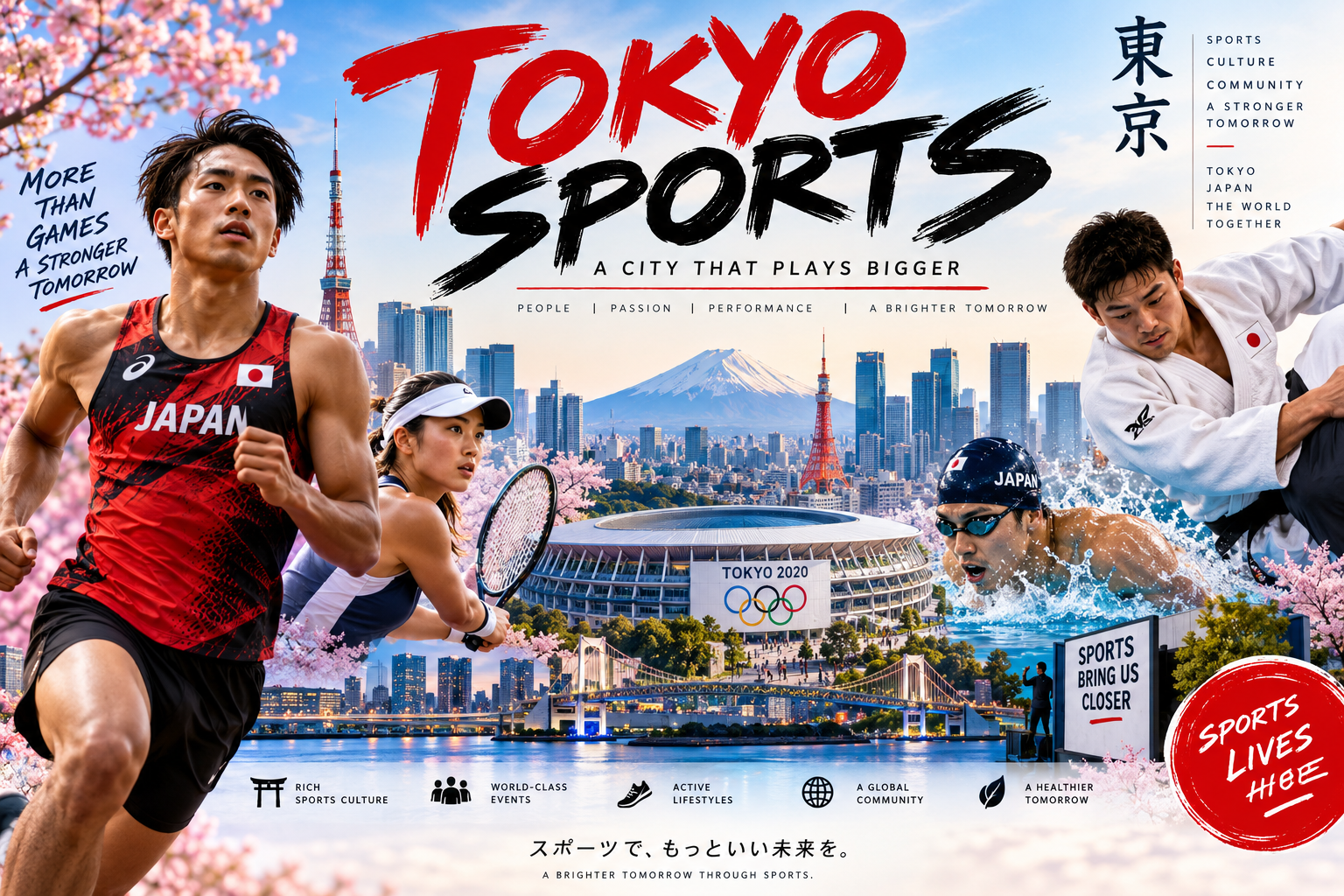
Tokyo is often described through its skyscrapers, food, shopping districts, temples, and technology. But there is another side of the city that becomes especially visible when a stadium fills, a sumo bout begins, or thousands of runners move through the streets. Tokyo sports offer an unusually broad mix of traditional Japanese competition, professional leagues, international events, community recreation, and everyday fitness. Whether you want to watch baseball, experience sumo, follow soccer, play tennis, run through a major park, or discover Japanese martial arts, Tokyo gives visitors and residents many ways to experience sports V I P R O W
What makes Tokyo sports particularly interesting is the contrast between old and new. Sumo represents centuries of Japanese tradition, while baseball has become deeply embedded in modern Japanese culture. Soccer, basketball, volleyball, rugby, tennis, athletics, martial arts, cycling, and running add further layers to the city’s sporting identity.
Tokyo has also developed an exceptional sports infrastructure through decades of investment and two Summer Olympic Games. The city hosted the 1964 Olympics and the 2020 Olympics, and its sporting facilities continue to support professional competitions, international championships, school sports, amateur clubs, and ordinary residents. Tokyo’s official sports information portal notes that the city hosted the 2025 World Athletics Championships and Deaflympics and is now focusing on carrying their legacy forward through a more inclusive sporting environment.
Why Tokyo Sports Matter
Sports in Tokyo are more than entertainment. They are part of the city’s social fabric.
A baseball game can become a family outing. A sumo tournament can introduce visitors to an ancient cultural tradition. A soccer match can connect neighborhoods with professional clubs. A morning run through a Tokyo park can be a simple form of exercise rather than a competitive activity.
This combination makes Tokyo different from a city where sports are concentrated around a few major professional teams.
Tokyo’s sporting environment includes elite venues, neighborhood gyms, public parks, school facilities, dedicated arenas, outdoor running routes, martial arts centers, and multi-purpose complexes.
For international visitors, this creates an important opportunity: you do not need to be a professional athlete or serious sports fan to enjoy Tokyo sports.
A Brief History of Sports in Tokyo
Tokyo’s modern sporting identity developed over many decades, but the city’s Olympic history is particularly important.
Tokyo hosted the 1964 Summer Olympics, becoming the first Asian city to host the Summer Games. The event helped demonstrate Japan’s postwar reconstruction and introduced major modern sporting infrastructure to the city.
Tokyo later hosted the Summer Olympics again in 2021, officially called the Tokyo 2020 Games because of their original scheduling. The second Olympics left another significant network of sporting facilities across the metropolitan area.
The Olympic legacy remains visible today.
Yoyogi National Stadium, for example, was originally built for the 1964 Olympics and was later used during the Tokyo 2020 Olympic and Paralympic Games. It now supports sports including basketball, volleyball, badminton, fencing, handball, futsal, judo, karate, table tennis, taekwondo, and wrestling.
Komazawa Olympic Park is another important example. Originally developed for the 1964 Olympics, it now functions as a large multi-sport public space with facilities for baseball, softball, basketball, football, handball, rugby, volleyball, wrestling, and other activities.
This is one of the most interesting aspects of Tokyo sports: Olympic infrastructure did not simply disappear after the Games. Much of it became part of everyday sporting life.
The Most Popular Tokyo Sports
Tokyo’s sports culture is broad, but several activities have particularly strong followings.
Baseball in Tokyo
Baseball is one of the most important spectator sports in Japan, and Tokyo is one of the best places to experience it.
The city is home to the Yomiuri Giants and Tokyo Yakult Swallows, two historic professional baseball clubs. The Giants play at Tokyo Dome, while the Swallows have traditionally played at Meiji Jingu Stadium.
A professional baseball game in Tokyo can be a cultural experience as much as a sporting event.
Fans do not simply watch the game. They participate through organized cheering, songs, coordinated chants, food, merchandise, and team traditions.
For someone unfamiliar with Japanese baseball, the atmosphere can be surprising. The experience is highly organized but energetic, creating a strong sense of community.
Why Visitors Should Watch Tokyo Baseball
Baseball is particularly suitable for international visitors because you do not need detailed knowledge of Japanese sports culture to enjoy the atmosphere.
You can focus on:
- The stadium environment
- Team traditions
- Japanese baseball food
- Fan chants
- Merchandise
- Pitching and batting strategy
- The differences between Japanese and North American baseball culture
Tokyo baseball is also useful for families because a game can be enjoyed as a general entertainment experience.
Sumo Wrestling in Tokyo
If baseball represents modern Japanese sports culture, sumo represents one of the country’s strongest traditional sporting traditions.
Tokyo is home to the Ryogoku Kokugikan, one of the most important sumo venues in Japan. The Japan Sumo Association is headquartered in Tokyo, and the city hosts three major official tournaments each year, traditionally in January, May, and September.
Sumo is different from most international sports.
The competition itself can be extremely brief, but the rituals surrounding each bout are significant. Wrestlers perform ceremonial movements, enter according to established traditions, and compete under a rule system that rewards pushing, throwing, or forcing an opponent outside the ring.
Why Sumo Is Important for Tokyo Sports
Sumo gives Tokyo sports a historical dimension.
A visitor can watch a competition while simultaneously experiencing aspects of Japanese culture, ceremony, etiquette, clothing, architecture, and food.
This makes sumo particularly valuable for cultural tourism.
Tips for First-Time Sumo Spectators
If you want to attend a major tournament, planning is important because popular sessions can be difficult to obtain.
Consider checking official ticket information well before your trip.
You should also learn the basic rules before arriving. Even a small amount of preparation can make the competition much easier to understand.
Soccer in Tokyo
Football, known as soccer in many English-speaking countries, has a strong and growing role in Tokyo sports.
FC Tokyo and Tokyo Verdy are two major Tokyo-based clubs. Tokyo also has additional professional and semi-professional teams across different levels of Japanese football.
FC Tokyo and Tokyo Verdy have traditionally played at Ajinomoto Stadium in Chofu, although venue arrangements can vary by competition and season.
Soccer offers a different atmosphere from baseball.
Matches are continuous, supporters remain engaged throughout the game, and the stadium experience is heavily influenced by organized fan groups.
Tokyo Soccer for Beginners
If you are new to Japanese soccer, attending a professional match is one of the easiest ways to understand the local football culture.
You do not need to know every player.
Instead, pay attention to:
- Supporter chants
- Team colors
- Tactical formations
- Stadium food
- Match-day rituals
- Local rivalries
- Youth development culture
Tokyo soccer is particularly interesting for travelers who already follow international football because Japanese clubs provide a different football environment from European leagues.
Basketball in Tokyo
Basketball has become increasingly visible within Japanese professional sports.
Tokyo has professional basketball teams and modern indoor venues capable of hosting major sporting and entertainment events.
Basketball is especially attractive to visitors who prefer shorter, faster games and indoor environments.
The city also has facilities where people can participate rather than simply watch.
This makes basketball part of both Tokyo’s professional sports ecosystem and its recreational sports culture.
Rugby in Tokyo
Rugby has an established presence in Tokyo and surrounding areas.
Teams associated with the city and metropolitan region include Black Rams Tokyo, Tokyo Sungoliath, and Toshiba Brave Lupus Tokyo.
Rugby provides a strong example of how Tokyo sports extend beyond the country’s most famous activities.
The city has professional-level rugby infrastructure while also supporting university, school, and community competition.
Why Rugby Is Worth Experiencing
Rugby can be particularly appealing to international visitors from countries where the sport already has a strong following.
Japan’s successful hosting of the 2019 Rugby World Cup also helped increase international attention toward Japanese rugby.
Tennis in Tokyo
Tokyo is an important destination for tennis.
The city hosts major professional tennis competitions, including events connected with the men’s and women’s tours. Tokyo also has numerous recreational courts.
For travelers, tennis offers two possibilities.
You can watch elite athletes competing at a major tournament, or you can look for public and private facilities where recreational play is available.
This makes tennis a good option for active travelers who want to combine tourism with exercise.
Running in Tokyo
Running may be one of the easiest ways to experience Tokyo sports because you do not necessarily need a ticket, membership, or specialized equipment.
Tokyo has numerous parks and urban routes suitable for running and walking.
Komazawa Olympic Park is especially notable. The official Tokyo tourism guide describes the park as a place where visitors can exercise alongside local residents and notes that the grounds include a lengthy jogging route used by runners and cyclists.
Best Reasons to Run in Tokyo
Running allows you to experience parts of Tokyo that can be difficult to understand from a train or tour bus.
A morning run can reveal:
- Residential neighborhoods
- Parks
- River areas
- Local sports clubs
- Everyday commuting patterns
- Quiet streets
- Urban architecture
For many travelers, this is more memorable than visiting another major shopping district.
Martial Arts in Tokyo
Tokyo is one of the world’s most interesting cities for people interested in Japanese martial arts.
Judo, karate, kendo, aikido, and other martial arts have deep cultural connections to Japan.
The Nippon Budokan is particularly important in this context. It was used for judo during the 1964 Olympics and became an important venue for martial arts and major events. Tokyo’s Olympic sporting history is closely connected with venues such as the Budokan and Yoyogi National Stadium.
Martial Arts for Tourists
Visitors should approach martial arts respectfully.
A demonstration is different from participating in a training session.
If you want to participate, choose an organized class that clearly welcomes beginners and international visitors.
Respect for instructors, training partners, uniforms, etiquette, and facility rules is essential.
Volleyball in Tokyo
Volleyball has a strong place in Japanese sports culture.
Tokyo has hosted major international volleyball competitions and has facilities capable of hosting high-level indoor events.
Volleyball is also deeply connected with Japanese school and university sports.
For visitors interested in Japanese youth culture, volleyball can be especially interesting because school sports have a cultural importance that extends beyond competition.
Swimming and Aquatic Sports
Swimming is another major component of Tokyo sports.
The city has public pools, competitive swimming facilities, fitness clubs, and major aquatic venues.
Tokyo’s modern aquatic infrastructure was significantly expanded around the Olympic period.
For recreational swimmers, the key consideration is not simply whether a pool exists but whether it offers public access, appropriate hours, reservation requirements, and suitable lanes.
Cycling in Tokyo
Cycling provides an alternative way to explore Tokyo.
The city’s enormous size can make walking impractical for some routes, while cycling can provide a more active experience.
However, cycling in Tokyo requires awareness.
Traffic rules, pedestrian areas, road conditions, bicycle parking, and local regulations should always be considered.
For casual cyclists, dedicated parks and quieter areas may be more comfortable than busy central roads.
Golf Around Tokyo
Golf has a strong following in Japan, although many of the most famous golf courses are outside central Tokyo.
Travelers who want a golf experience may need to travel beyond the busiest central districts.
Golf can therefore work best as part of a wider Tokyo-area itinerary rather than a short central-city activity.
Athletics and Track and Field
Athletics has an important place in Tokyo’s sporting history.
The National Stadium remains one of the city’s most recognizable sports venues and has hosted major athletics competitions.
Tokyo’s role in athletics expanded further with the 2025 World Athletics Championships, which the Tokyo Metropolitan Government describes as one of the major international sporting events contributing to the city’s recent sports legacy.
The significance of athletics goes beyond elite competitions.
Track facilities also support schools, amateur athletes, fitness groups, and community programs.
Tokyo Sports Venues You Should Know
Tokyo’s sports venues are almost a separate attraction category.
Tokyo Dome
Tokyo Dome is one of Japan’s most recognizable baseball venues and the home ground associated with the Yomiuri Giants.
It is also a major entertainment venue.
Its significance comes from the combination of professional baseball, concerts, events, tourism, and its location within central Tokyo.
Meiji Jingu Stadium
Meiji Jingu Stadium is strongly associated with the Tokyo Yakult Swallows.
The stadium has a distinctive place in Tokyo’s baseball history and culture.
For baseball fans, it offers a different atmosphere from an enclosed dome.
Ryogoku Kokugikan
Ryogoku Kokugikan is central to Tokyo’s sumo culture.
The surrounding Ryogoku district is also strongly connected with sumo history and related cultural experiences.
Visitors interested in Japanese traditional sports should consider exploring the area beyond the tournament itself.
National Stadium
The National Stadium is one of Tokyo’s most important modern sports landmarks.
It was a centerpiece of the Tokyo 2020 Olympics and remains a major venue for athletics and football-related events.
Its broader importance is that it represents Tokyo’s transition from an Olympic host city into a city maintaining a long-term sports infrastructure.
Yoyogi National Stadium
Yoyogi National Stadium is one of the architectural and sporting landmarks inherited from the 1964 Olympics.
It supports multiple indoor sports, including basketball, volleyball, badminton, judo, karate, fencing, wrestling, and table tennis.
Komazawa Olympic Park
Komazawa Olympic Park is particularly useful for ordinary sports enthusiasts.
Unlike a stadium that visitors generally experience only during an event, Komazawa combines sporting infrastructure with public recreation.
Its facilities include fields and spaces for several sports, while the park’s running environment attracts local residents.
Tokyo Metropolitan Gymnasium
Tokyo Metropolitan Gymnasium is another important multi-purpose sports complex.
It has supported major competitions and provides facilities for various sports and fitness activities.
Its location near Sendagaya makes it particularly accessible for visitors exploring the central Tokyo area.
How to Choose a Tokyo Sports Experience
Not every sports experience suits every traveler.
Your choice should depend on what you want from the day.
Best Tokyo Sports for Culture
Choose:
- Sumo
- Judo
- Karate
- Kendo
- Traditional martial arts
These activities provide the strongest connection between sports and Japanese heritage.
Best Tokyo Sports for Families
Consider:
- Baseball
- Basketball
- Soccer
- Swimming
- Public sports parks
These options generally provide a combination of entertainment and accessibility.
Best Tokyo Sports for Fitness
Consider:
- Running
- Cycling
- Swimming
- Tennis
- Public gyms
- Sports parks
Best Tokyo Sports for International Fans
Consider:
- Baseball
- Soccer
- Rugby
- Basketball
- Tennis
These sports have easily understandable competitive structures for many international visitors.
Tokyo Sports for Different Demographics
One of the most useful ways to understand Tokyo sports is to stop thinking only in terms of sports categories and instead consider the person participating.
Tokyo Sports for Families
Families should prioritize activities with flexible schedules and straightforward rules.
A professional baseball game can work well because the event offers entertainment beyond the competition.
Public parks can be even more flexible because children can play while adults exercise or relax.
Tokyo Sports for Young Travelers
Young travelers may prefer:
- Soccer
- Basketball
- Baseball
- Running
- Skateboarding
- Cycling
- Tennis
The best choice often depends on whether the traveler wants to watch or participate.
Tokyo Sports for Beginners
Beginners should avoid assuming that elite sporting venues are automatically the best places to participate.
A neighborhood sports center or public park may offer a more comfortable introduction.
Tokyo Sports for Professionals
Professional athletes and serious hobbyists may be more interested in specialized facilities, training environments, competition calendars, sports medicine, coaching, and high-performance infrastructure.
Tokyo’s dense urban environment provides access to a large ecosystem of sports organizations.
Tokyo Sports for Seniors
Low-impact activities such as walking, swimming, cycling on appropriate routes, stretching, and controlled fitness programs can be more suitable for older adults.
Public parks are particularly valuable because they combine exercise with social interaction.
Tokyo Sports Tourism
Sports tourism is becoming an increasingly important part of travel.
Instead of visiting Tokyo only for traditional sightseeing, travelers can build an itinerary around a sporting event.
For example, a sports-focused trip might combine a baseball game with a visit to the stadium district, a morning run through a major park, and a sumo-related cultural experience.
This creates a more balanced itinerary.
Rather than treating sports as something separate from tourism, travelers can use sports to understand Tokyo’s neighborhoods.
How to Plan a Tokyo Sports Trip
Planning is easier if you begin with the event rather than the sightseeing itinerary.
Step 1: Choose Your Sport
Decide whether you want to watch or participate.
Watching a professional event requires ticket planning.
Participating requires checking facility access and booking rules.
Step 2: Check the Official Schedule
Sports calendars change.
Always verify event dates, venues, ticket information, and entry requirements through official sources before traveling.
Step 3: Choose Your Location
Tokyo is enormous.
A venue that looks close on a map can still require significant travel.
Group activities geographically where possible.
Step 4: Plan Around Peak Hours
Major sporting events can affect transportation.
Allow additional travel time when attending popular games or tournaments.
Step 5: Learn Basic Etiquette
Japanese sports venues may have specific customs.
Follow instructions regarding:
- Seating
- Food
- Photography
- Cheering
- Waste disposal
- Entry and exit
- Restricted areas
Common Mistakes When Experiencing Tokyo Sports
Mistake 1: Assuming Every Event Has Easy Tickets
Popular sporting events can sell quickly.
The solution is simple: research ticket sales before your trip.
Mistake 2: Ignoring Venue Location
Tokyo’s transport system is extensive, but distance still matters.
Check the venue and nearest station before purchasing tickets.
Mistake 3: Only Visiting Famous Stadiums
Some of the most authentic sports experiences happen in parks, community facilities, school competitions, and smaller venues.
Mistake 4: Treating Sumo Like a Normal Sport
Sumo has cultural and ceremonial dimensions.
Learning the basics beforehand improves the experience.
Mistake 5: Overloading Your Itinerary
Trying to attend several sporting events on the same day can make a trip stressful.
Leave enough time for transportation and unexpected delays.
Pros and Cons of Tokyo Sports
Advantages of Tokyo Sports
Tokyo offers:
- Exceptional sports infrastructure
- Many professional teams
- Traditional Japanese sports
- International competitions
- Modern venues
- Public recreation spaces
- Strong public transportation
- Family-friendly activities
- Opportunities for participation
- A wide range of sports
Potential Disadvantages
There are also challenges.
Popular events can be difficult to access.
Some information may be primarily available in Japanese.
Central Tokyo can be expensive.
Sports facilities may have different reservation systems.
Large events can produce crowds and transportation pressure.
The key is preparation.
10 Sports Brands Worth Knowing for Tokyo Sports
Tokyo is a particularly interesting market for sports equipment because Japanese and international brands coexist.
| Brand | Main Strength | Best For | Tokyo Sports Relevance |
|---|---|---|---|
| ASICS | Running and performance footwear | Runners, athletes | Strong Japanese sports identity |
| Mizuno | Multi-sport equipment | Baseball, running, volleyball | Major Japanese sports brand |
| Yonex | Rackets and badminton equipment | Badminton, tennis | Strong racket-sports presence |
| Nike | Athletic footwear and apparel | General athletes | Broad international appeal |
| Adidas | Team sports and training | Soccer, running, fitness | Strong global sports presence |
| New Balance | Running and lifestyle footwear | Runners, walkers | Popular for everyday athletics |
| Puma | Football and lifestyle sportswear | Soccer, training | Strong football connection |
| Under Armour | Training apparel | Fitness, gym training | Useful for performance training |
| Wilson | Tennis and racket sports | Tennis players | Established racket-sports brand |
| Molten | Balls and sports equipment | Basketball, volleyball | Well known for team-sport equipment |
ASICS
ASICS is particularly relevant to Tokyo sports because of its Japanese roots and strong reputation in running and performance footwear.
It is an obvious brand to consider for runners visiting Tokyo.
Mizuno
Mizuno has a broad sports portfolio and is especially associated with baseball and other performance sports.
For visitors interested in Japanese baseball culture, Mizuno deserves attention.
Yonex
Yonex is especially important for badminton and tennis.
Its Japanese heritage and technical focus make it an interesting option for racket-sports enthusiasts.
Nike
Nike is one of the world’s most recognizable sports brands.
Its strength is breadth, covering footwear, apparel, training, running, basketball, football, and lifestyle products.
Adidas
Adidas is particularly relevant for football fans and athletes interested in team sports.
New Balance
New Balance is strongly associated with running and everyday athletic footwear.
It can be a useful choice for travelers who want comfortable walking and running shoes.
Puma
Puma has strong connections with football and athletic apparel.
Under Armour
Under Armour is more strongly associated with performance training and gym-oriented apparel.
Wilson
Wilson is an important name in tennis and racket sports.
Molten
Molten is particularly notable for balls and equipment used across team sports.
Tokyo Sports and the Urban Lifestyle
One of Tokyo’s most interesting sporting characteristics is that exercise does not always look like organized sport.
Walking between train stations is normal.
Cycling can be transportation.
Running can become part of a morning routine.
Parks can function as informal fitness centers.
This creates an environment where physical activity becomes integrated into everyday life.
That is a useful lesson for other large cities.
A city does not necessarily need to build a stadium on every corner to become sports-friendly. It needs connected public spaces, accessible facilities, safe routes, and opportunities for people to move.
The Olympic Legacy of Tokyo Sports
The Olympic legacy is one of the most important stories in Tokyo sports.
The city has now hosted the Summer Olympics twice.
But the real question is what happens after the Olympic flame disappears.
Tokyo’s answer has increasingly focused on continued use.
Facilities originally associated with Olympic competition continue to support sports and community activities. The Tokyo Metropolitan Government’s current sports strategy emphasizes the legacy of the 2025 World Athletics Championships and Deaflympics and aims to build a more inclusive sporting environment.
This creates a broader definition of Olympic legacy.
It is not only about medals.
It is about whether facilities remain useful, whether people participate, and whether sport becomes more accessible.
Accessibility and Inclusive Tokyo Sports
Modern sports planning increasingly considers who can participate.
This includes:
- People with disabilities
- Older adults
- Children
- Beginners
- International visitors
- Recreational athletes
- People returning to exercise
Tokyo’s sports facilities include barrier-free support in several locations. Komazawa Olympic Park, for example, lists barrier-free support among its facilities.
The city’s future sports strategy also explicitly connects recent international events with inclusion.
That direction matters because a successful sports city should not only serve elite athletes.
It should serve ordinary people.
The Future of Tokyo Sports
The future of Tokyo sports will likely be shaped by several major trends.
More Multi-Use Facilities
Large sports facilities increasingly need to serve multiple purposes.
A stadium might host football, athletics, concerts, community events, and other competitions.
This improves the economic and social value of major infrastructure.
Growth of Sports Tourism
Travelers are increasingly building trips around concerts, tournaments, races, and sporting experiences.
Tokyo is well positioned for this because it combines world-class tourism with a dense sports ecosystem.
More Accessible Community Sports
The next stage of Tokyo’s sports development is unlikely to be based only on elite competition.
Community participation, inclusive recreation, and everyday fitness are likely to receive greater attention.
Technology and Sports
Technology will continue changing how people train and watch sports.
Wearable devices, performance analytics, digital ticketing, streaming, smart venues, and data-driven coaching are likely to become increasingly normal.
Sustainability
Large sporting events face growing pressure to reduce waste, energy consumption, and unnecessary construction.
Tokyo’s future sports planning will likely place more emphasis on using existing infrastructure efficiently.
What Tokyo Sports Can Teach Other Cities
Tokyo provides several useful lessons for global cities.
First, sports infrastructure can have a life beyond major events.
Second, traditional sports can coexist with highly modern professional leagues.
Third, parks can function as important pieces of sports infrastructure.
Fourth, sports tourism can strengthen a city’s cultural identity.
Fifth, accessibility should be part of sports planning rather than an afterthought.
Tokyo’s strongest sporting advantage may therefore be its diversity.
It does not depend on one sport.
It has baseball, sumo, soccer, basketball, rugby, tennis, running, martial arts, swimming, cycling, athletics, and many recreational activities.
A Sample Tokyo Sports Itinerary
A sports-focused visitor could build a trip around several different experiences.
Day One: Baseball
Spend the afternoon exploring the area around a major baseball venue and attend an evening game.
Day Two: Sumo and Traditional Sports
Explore Ryogoku and learn about sumo culture.
If a major tournament is taking place, attend a session.
Day Three: Running and Parks
Start the morning with a run or walk at Komazawa Olympic Park.
Spend the afternoon exploring nearby neighborhoods.
Day Four: Soccer
Attend a professional soccer match if the schedule fits.
Day Five: Olympic Tokyo
Explore the National Stadium area and other historic sports locations.
This type of itinerary avoids treating sports as a single activity.
Instead, it turns sports into a way of exploring Tokyo.
How Much Does a Tokyo Sports Experience Cost?
The cost varies dramatically.
A professional sporting event may require a ticket, transportation, food, and merchandise.
Running in a public park may cost nothing beyond your equipment.
A gym or sports facility may charge an hourly or daily fee.
A major international event can be significantly more expensive than a local competition.
For this reason, travelers should build a mixed sports itinerary.
Combine one or two premium experiences with free or inexpensive recreational activities.
Tokyo Sports for Budget Travelers
You do not need a large budget to experience Tokyo sports.
Some of the best options are public parks, outdoor running routes, walking, cycling, and observing community sports.
You can also explore sports districts without purchasing a ticket.
For example, visiting the area around Ryogoku can provide cultural context even if you are not attending a sumo tournament.
Budget sports tourism is therefore possible if you focus on participation and atmosphere rather than premium tickets.
Tokyo Sports for Luxury Travelers
Luxury travelers can build an entirely different experience around sports.
Options may include premium seating, private sports experiences, high-end fitness facilities, professional coaching, specialized equipment, and carefully planned sports tourism.
The important point is that Tokyo can accommodate both ends of the sports travel market.
Tokyo Sports for International Visitors
International travelers should remember that Tokyo’s sports culture may operate differently from what they are accustomed to.
The rules can differ.
Ticket systems can differ.
Fan etiquette can differ.
Even the meaning of attending a game can differ.
Instead of comparing everything to sports culture in your home country, approach Tokyo sports as a cultural experience.
That mindset usually produces a better experience.
Frequently Asked Questions About Tokyo Sports
What is the most popular sport in Tokyo?
Baseball is one of the most important spectator sports in Tokyo, while soccer, sumo, basketball, rugby, tennis, and athletics also have strong followings.
What professional sports teams are based in Tokyo?
Tokyo has professional teams in baseball, soccer, basketball, rugby, volleyball, and other sports. Major baseball clubs include the Yomiuri Giants and Tokyo Yakult Swallows, while FC Tokyo and Tokyo Verdy are major football clubs.
Where can I watch sumo in Tokyo?
The main venue for major Tokyo sumo tournaments is Ryogoku Kokugikan in the Ryogoku district.
Can tourists watch baseball in Tokyo?
Yes. Professional baseball is one of the most accessible Tokyo sports experiences for international visitors, although ticket availability depends on the game and schedule.
Is Tokyo good for running?
Yes. Tokyo has numerous parks and urban routes suitable for running. Komazawa Olympic Park is particularly notable for its jogging environment.
What are the best sports for families in Tokyo?
Baseball, soccer, basketball, swimming, and public sports parks are strong choices for families.
Where can I experience traditional Japanese sports?
Sumo and martial arts are among the best options. Ryogoku is strongly associated with sumo, while venues such as the Nippon Budokan have important martial arts connections.
Does Tokyo have Olympic sports venues?
Yes. Tokyo has numerous venues associated with the 1964 and 2020 Olympic Games, including the National Stadium, Yoyogi National Stadium, Tokyo Metropolitan Gymnasium, and facilities at Komazawa Olympic Park.
What sports can beginners participate in?
Beginners can consider running, swimming, tennis, cycling, basketball, football, fitness programs, and selected martial arts classes, depending on facility access.
Is Tokyo good for sports tourism?
Yes. The city combines professional sports, traditional Japanese competition, major international venues, public recreation spaces, and a strong tourism infrastructure.
What should I check before attending a Tokyo sports event?
Check the official event schedule, venue, ticket rules, transport information, entry requirements, and any restrictions on photography or food.
Are Tokyo sports suitable for international travelers?
Absolutely. Baseball, soccer, rugby, tennis, and sumo can all provide memorable experiences, while parks and recreational facilities allow travelers to participate rather than simply watch.
Conclusion
Tokyo sports are much more than professional games in large stadiums. They represent a connection between Japanese tradition, modern entertainment, community life, international competition, and everyday fitness.
From the intense atmosphere of a baseball game to the ceremony of sumo, from professional soccer to an early morning run in Komazawa Olympic Park, Tokyo offers sporting experiences for almost every type of traveler.
The city’s Olympic history has also created a valuable sporting legacy. Facilities developed for major international events continue to support competitions and everyday recreation, while Tokyo’s current sports strategy increasingly emphasizes inclusion and long-term community value.