Tokyo Aquariums: 10 Amazing Places to Discover Japan’s Underwater World
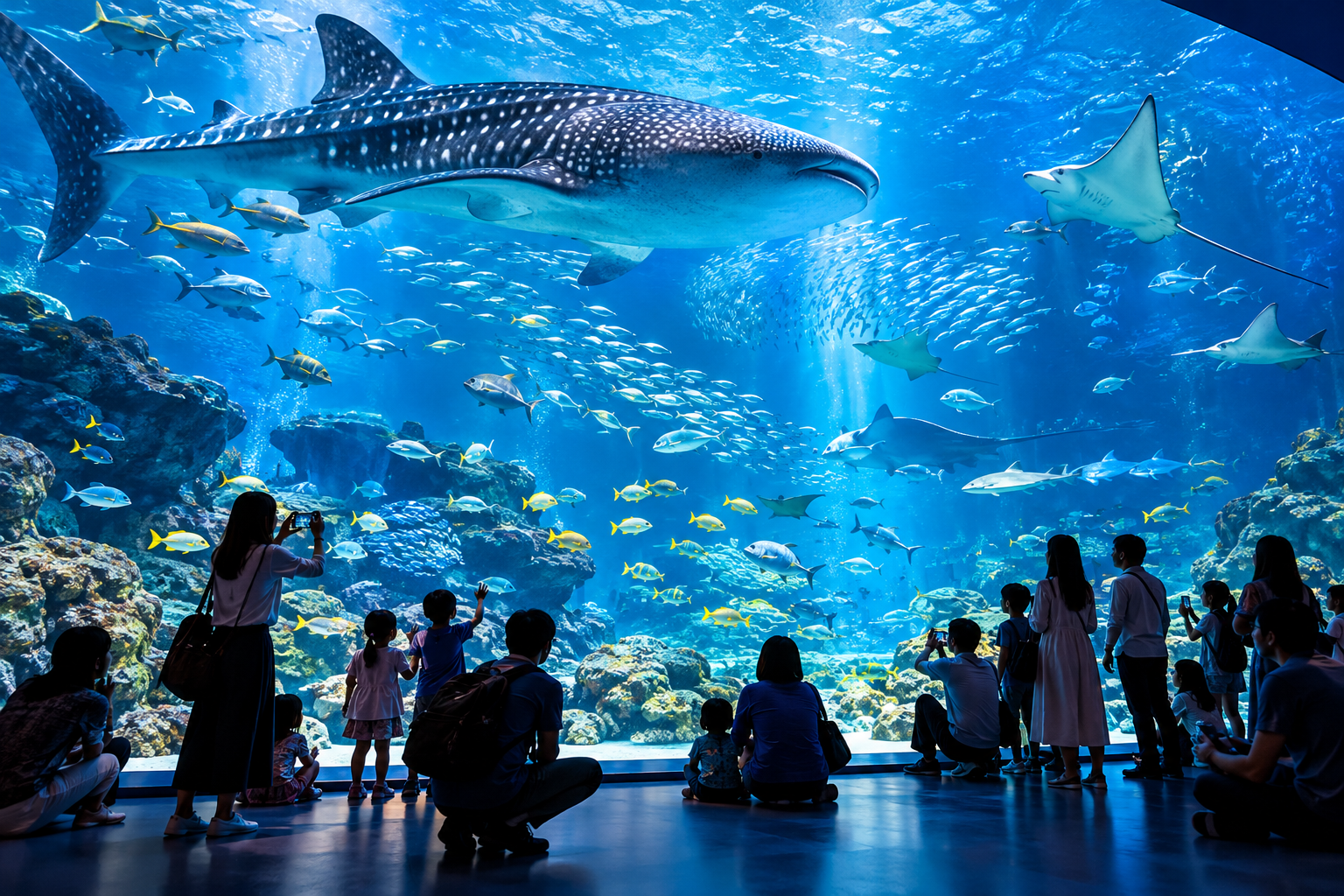
Tokyo aquariums offer an unforgettable way to discover marine life, from glowing jellyfish and penguins to enormous ocean tanks and immersive underwater displays. Whether you are visiting Tokyo with children, planning a romantic date, exploring Japan on a budget, or looking for an indoor activity on a rainy day, the city’s aquariums offer something for almost every traveller. The best part is that you do not need to travel to the coast to experience Japan’s fascinating aquatic world. Some of Tokyo’s most popular aquariums sit inside major shopping and entertainment complexes, making it easy to combine marine discoveries with famous attractions such as Tokyo Skytree, Sunshine City and Shinagawa Station Tokyo Customs
Why Tokyo Aquariums Are Worth Visiting
Tokyo is often associated with neon streets, shopping districts, temples, anime culture and advanced technology. Yet its aquariums reveal a different side of the city: one that connects urban life with rivers, coastal environments, coral reefs and the wider ocean.
The city’s aquarium experiences also vary considerably. Some prioritise naturalistic habitats and education, while others combine marine animals with contemporary art, lighting and entertainment.
More Than a Rainy-Day Attraction
Aquariums are useful in Tokyo because they offer a relatively predictable indoor activity when rain, summer heat or winter temperatures make extended outdoor sightseeing less comfortable.
They also work well for travellers who want to slow down between busy sightseeing stops. Watching fish move through a large tank can be a welcome change from crowded railway stations and fast-paced shopping streets.
A Combination of Science, Art and Entertainment
Modern aquarium design often uses lighting, sound, carefully planned viewing angles and interactive educational displays to make marine environments easier to understand.
For example, Maxell Aqua Park Shinagawa combines aquatic exhibits with visual effects and scheduled performances. Sumida Aquarium, by contrast, is particularly convenient for visitors already exploring the Tokyo Skytree complex.
A visually impressive aquarium and a conservation-focused aquarium are not necessarily the same thing. If animal welfare, research or environmental education matters to you, look beyond photographs and marketing descriptions when selecting a destination.
1. Sumida Aquarium: Best for Modern Marine Exhibits
Location: Tokyo Skytree Town, Oshiage area.
Sumida Aquarium is one of the most convenient aquarium destinations for visitors exploring eastern Tokyo. Located within Tokyo Skytree Town, it fits naturally into a day that includes observation decks, shopping, restaurants and nearby Asakusa.
Its modern approach to aquarium design creates different viewing experiences that encourage visitors to observe animal behaviour and appreciate the details of aquatic habitats.
What to See at Sumida Aquarium
- Penguin habitat: Watch penguins swim, dive and interact with one another.
- Jellyfish displays: Observe delicate movements and translucent bodies against carefully designed backgrounds.
- Coral reef exhibits: Discover the relationships between reef organisms and their environments.
- Tokyo-area marine life: Learn about aquatic ecosystems associated with Japan’s surrounding waters.
- Aquarium design: Notice how lighting, viewing angles and open spaces influence the experience.
Exhibits and animal presentations can change, so check the current visitor information before travelling.
How Long Should You Spend There?
Allow approximately 90 minutes to two hours for a relaxed visit. Marine-life enthusiasts who enjoy photography or reading exhibit information may want longer.
Who Should Visit Sumida Aquarium?
This is a particularly good choice for:
- First-time visitors to Tokyo.
- Couples looking for a calm indoor activity.
- Families who want to combine entertainment with education.
- Photographers interested in aquarium lighting and animal behaviour.
- Travellers visiting Tokyo Skytree or Asakusa on the same day.
Practical Travel Tip
Plan the aquarium and Tokyo Skytree together rather than travelling across the city solely for the aquarium. This reduces unnecessary transfers and gives you more time to enjoy the surrounding area.
2. Sunshine Aquarium: Best for Families and Rooftop Views
Location: Sunshine City, Ikebukuro.
Sunshine Aquarium offers a distinctive experience because it brings aquatic exhibits into an elevated urban setting. Its outdoor marine garden makes the contrast between Tokyo’s cityscape and the world of aquatic animals part of the attraction.
For families, this variety is valuable. Children can move between different displays, observe animal movements and learn about species from different aquatic environments.
Highlights to Explore
The Rooftop Marine Garden
One of the aquarium’s most recognisable features is its outdoor-style exhibit area. The combination of aquatic habitats and the surrounding skyline creates a memorable visual experience.
Weather matters here. Outdoor viewing areas may feel different on a hot, humid afternoon than on a cool, clear morning.
Penguins and Other Aquatic Animals
Penguins are a major attraction, especially for children. Depending on the current exhibit arrangements, visitors may be able to observe their swimming and movement from distinctive viewing angles.
Other animals and displays introduce visitors to the diversity of aquatic life.
Educational Presentations
Where available, scheduled presentations can help visitors understand how animals move, feed and adapt to their environments. Always confirm the day’s event schedule because presentations, feeding sessions and special programmes may have limited availability.
How Long Should You Spend at Sunshine Aquarium?
Allow around 90 minutes to two hours. Families with young children may need extra time for breaks, the gift shop and scheduled activities.
Is Sunshine Aquarium Worth Visiting with Children?
Yes, particularly if you want a combination of accessible exhibits, visually interesting displays and educational opportunities. The surrounding Sunshine City complex also provides food, shops and other indoor attractions if the weather changes.
Best Time to Visit
Arriving near opening time can help you begin before the busiest periods. On sunny days, plan the outdoor exhibits around the weather, and consider indoor galleries during the hottest part of the afternoon.
3. Maxell Aqua Park Shinagawa: Best for Couples and Immersive Experiences
Location: Shinagawa Prince Hotel complex, Takanawa.
Maxell Aqua Park Shinagawa is one of Tokyo’s most entertainment-oriented aquariums. It combines living marine creatures with lighting, sound, digital imagery and performance spaces.
Its indoor setting makes it a useful choice throughout the year.
The Jellyfish Rumble Experience
The jellyfish displays are among the most visually striking parts of the experience. Soft lighting and slow animal movement create an atmosphere that contrasts with the noise and speed of central Tokyo.
For photographers, the challenge is balancing the aquarium’s ambient lighting with reflections from the glass. Keep your camera close to the viewing window where permitted, avoid using flash and be considerate of other visitors.
Dolphin Performances
The aquarium’s circular performance venue offers scheduled dolphin presentations, with daytime and nighttime versions potentially differing in atmosphere and presentation.
These performances can be a major reason to visit, but it is important to check the current schedule and consider animal welfare when deciding whether to attend. Look for information about animal care, training methods and the facility’s welfare policies rather than judging solely by the spectacle.
Why Couples Often Choose This Aquarium
The combination of atmospheric displays, indoor comfort and evening-friendly entertainment makes Aqua Park a practical option for a date.
It also suits travellers with limited time because the aquarium is close to Shinagawa Station, a major transport hub.
Ticket Prices and Opening Hours
A published standard admission schedule has listed the following prices:
| Visitor category | Published admission |
|---|---|
| Adults and high school students | ¥2,500 |
| Elementary and junior high school students | ¥1,300 |
| Children aged four and above | ¥800 |
Published standard hours have generally been 10:00 a.m. to 8:00 p.m., although seasonal schedules may differ. Attraction rides and some special programmes cost extra.
These prices and hours should be verified before travelling because admission policies can change.
Recommended Visit Plan
Allow two to three hours if you want to see the main exhibits and attend a scheduled presentation. A shorter visit may be sufficient if you focus on the jellyfish displays and selected galleries.
4. Tokyo Sea Life Park: Best for Budget Travellers and Ocean Education
Location: Kasai Rinkai Park, Edogawa.
If your priority is understanding marine life rather than enjoying elaborate digital effects, Tokyo Sea Life Park deserves serious consideration.
Situated within Kasai Rinkai Park, the aquarium provides a different atmosphere from shopping-complex attractions. The surrounding park also makes it easier to turn the visit into a longer outdoor excursion.
What Makes Tokyo Sea Life Park Distinctive?
Large Schools of Fish
Large aquarium tanks allow visitors to observe the collective movement of fish. Rather than focusing on one individual animal, you can watch how a group changes direction, responds to its surroundings and moves through the water.
Marine and Freshwater Environments
Aquarium exhibits can demonstrate how water conditions influence the species found in different habitats. This is useful for understanding the differences between coastal ecosystems, rivers and open-ocean environments.
Penguins and Seabirds
Animal exhibits provide opportunities to compare aquatic adaptations, including swimming, feeding and movement on land.
The aquarium’s location within Kasai Rinkai Park also offers opportunities to explore the broader coastal environment.
Tokyo Sea Life Park Ticket Prices
One of its strongest advantages is its low admission price. A published general adult admission rate has been ¥700, with reduced rates for eligible visitors and free admission on certain designated days.
This makes it particularly attractive for families, students and travellers managing a tight sightseeing budget. Confirm current prices before your visit.
Opening Hours and Weekly Closures
Published standard hours are 9:30 a.m. to 5:00 p.m., with ticket sales and admission generally ending at 4:00 p.m. Wednesdays are normally closing days, subject to public-holiday arrangements and the official calendar.
Check the calendar before travelling, especially if your Tokyo itinerary is tightly scheduled.
How Much Time Should You Allow?
Plan for approximately two to three hours. If you want to walk through Kasai Rinkai Park afterwards, allow additional time.
Who Will Enjoy It Most?
- Budget-conscious travellers.
- School-age children learning about ecology.
- Visitors who prefer traditional aquarium displays.
- Nature lovers interested in aquatic habitats.
- Travellers who want to combine an aquarium with a park visit.
5. Shinagawa Aquarium: Best for a Traditional Aquarium Experience
Location: Katsushima, Shinagawa City.
Shinagawa Aquarium is a good alternative for visitors who want a more traditional aquarium experience without necessarily paying for a large entertainment complex.
The facility focuses on aquatic life across different environments, including rivers, estuaries and oceans. Its signature tunnel provides an immersive view of marine animals swimming above and around visitors.
What to See at Shinagawa Aquarium
The Underwater Tunnel
Walking through an aquarium tunnel changes your perspective. Instead of looking horizontally through a pane of glass, you can observe animals moving overhead and around you.
It is especially enjoyable for children who like spotting turtles, fish and other creatures from different angles.
Sea Turtles and Marine Species
The aquarium’s larger tanks provide opportunities to observe animals at different depths. Take time to watch their behaviour instead of moving quickly from one exhibit to the next.
Animal Presentations
Dolphin and sea lion presentations have been listed among the facility’s attractions. Schedules and programmes can change, so confirm what is operating on your planned date.
Admission and Opening Information
A published adult admission price has been ¥1,350, with standard hours of 10:00 a.m. to 5:00 p.m. and last entry 30 minutes before closing.
Tuesdays and 1 January have been listed as regular closing days, although schedules may vary. Check the latest visitor information before making the journey.
Why Choose Shinagawa Aquarium over Aqua Park?
The two attractions are in the broader Shinagawa area but offer different experiences Tokyo aquariumsTokyo aquariums .
- Choose Shinagawa Aquarium if you prefer a traditional aquarium and a visit to a public park.
- Choose Maxell Aqua Park Shinagawa if you prefer immersive lighting, entertainment and a convenient stop near Shinagawa Station.
Similar names do not mean identical experiences or locations.
6. Art Aquarium Museum GINZA: Best for Art Lovers and Photography
Tokyo aquariums Location: Ginza Mitsukoshi, Ginza.
Art Aquarium Museum GINZA offers a different interpretation of the aquarium experience. Rather than focusing primarily on large marine habitats, it presents goldfish through artistic arrangements, decorative tanks, lighting and Japanese-inspired visual design.
Not every aquatic attraction is a conventional marine-life institution. Art Aquarium is best approached as an art-oriented experience featuring living fish.
What Makes Tokyo aquariums Special?
- Japanese-inspired aesthetics: Decorative displays draw on traditional motifs and contemporary exhibition design.
- Colour and lighting: Carefully arranged illumination creates striking visual contrasts.
- Photography opportunities: The artistic presentation can appeal to visitors interested in composition and colour.
- Ginza location: The museum fits easily into a day of shopping, dining and exploring central Tokyo.
Is Tokyo aquariums Suitable for Children?
It can be interesting for families, but it may appeal more to children who enjoy colourful displays and visual experiences than those looking for large sharks, rays or extensive marine habitats.
Parents should also consider crowd levels, the amount of walking involved and the museum’s current visitor rules.
Tickets and Opening Hours Tokyo aquariums
Published pricing information has listed adult web tickets at ¥2,500 and same-day ticket-machine admission at ¥2,700.
Standard operating hours have been listed as 10:00 a.m. to 7:00 p.m., with final admission at 6:00 p.m. Special schedules and maintenance closures may apply.
Confirm the current exhibition, ticket conditions and operating schedule before travelling.
7. Adachi Park of Living Things: Best for Young Children and Small Aquatic Discoveries
Location: Adachi City, northern Tokyo.
Adachi Park of Living Things is a smaller wildlife and nature attraction rather than a large standalone aquarium. It is worth considering if you are interested in freshwater fish, small aquatic organisms and educational encounters with living things.
For families with younger children, smaller attractions can sometimes be more practical than major destinations. They offer a manageable environment where children can learn at their own pace without needing to spend several hours moving through large exhibition halls.
What Can Visitors Learn Tokyo aquariums?
The attraction’s broader focus on living things can help introduce children to the relationships between organisms and their habitats.
Use the visit to discuss simple but important questions:
- Why do fish need clean water?
- How do freshwater habitats differ from the sea?
- Why do some animals need plants, rocks or hiding places?
- What happens when pollution enters a river?
These conversations can make a short visit more educational than simply identifying different species.
Is It a Full-Day Attraction Tokyo aquariums?
Usually, a smaller nature attraction is better treated as one stop in a wider itinerary. Check its current animal displays, opening calendar and transport connections before deciding whether to travel across Tokyo specifically for it.
8. Edogawa City Nature Zoo: Best for Families Combining Wildlife and Aquatic Learning
Location: Edogawa City, eastern Tokyo.
Edogawa City Nature Zoo is primarily a small zoo rather than a conventional aquarium. However, it can complement an aquarium-focused itinerary for visitors who want to explore different kinds of animal habitats.
This distinction is useful for travel planning: an attraction may include aquatic or nature-related displays without being a dedicated marine aquarium.
Why Consider Tokyo aquariums?
- It can add variety to a family sightseeing day.
- Children can compare land animals with aquatic animals encountered elsewhere.
- The surrounding park setting offers a change from enclosed indoor attractions.
- A visit can be combined with broader exploration of eastern Tokyo.
Check current municipal information for exhibits and visitor arrangements before making the journey.
9. Yokohama Hakkeijima Sea Paradise: Best for a Longer Tokyo aquariums and Entertainment Day
Location: Yokohama, Kanagawa Prefecture, outside central Tokyo.
If you have extra time in Japan, Yokohama Hakkeijima Sea Paradise is worth considering as an excursion from Tokyo.
Unlike the compact city-centre attractions, it combines aquarium experiences with additional entertainment. That makes it a different proposition for travellers who want to dedicate much of a day to aquatic attractions.
What Makes Hakkeijima Different Tokyo aquariums?
The destination is suited to visitors who want a broader outing rather than a quick aquarium stop between shopping and sightseeing.
Depending on the current ticket package and operating schedule, visitors may be able to combine aquarium exhibits with additional activities. Check whether admission includes the attractions you intend to visit.
How Much Time Should You Allow Tokyo aquariums?
Plan most of a day if you want to explore multiple areas. Allow extra time for travel between central Tokyo and Yokohama, particularly if you have other reservations.
Who Should Visit Tokyo aquariums?
- Families seeking a full-day outing.
- Aquarium enthusiasts wanting more than one compact exhibition.
- Travellers who have already seen Tokyo’s central attractions.
- Visitors comfortable spending additional time on public transport.
10. Enoshima Aquarium: Best for Coastal Marine Life and a Day Trip
Location: Fujisawa, Kanagawa Prefecture, outside Tokyo.
Enoshima Aquarium is another option for visitors willing to travel beyond the Tokyo metropolitan centre. Its coastal setting provides a useful connection between aquarium exhibits and the marine environment outside the city.
It is particularly appealing to travellers who want to explore the wider region rather than remain entirely within central Tokyo.
Reasons to Include Enoshima Aquarium
- Explore exhibits related to marine life found around Japan.
- Experience a coastal destination rather than an urban shopping complex.
- Combine the aquarium with sightseeing around Enoshima, depending on transport and weather.
- Make the visit part of a broader day trip from Tokyo.
Is It Worth Travelling from Tokyo aquariums?
That depends on your schedule. If you have only two or three days in Tokyo, choosing an aquarium close to your other attractions will generally be more efficient. If you have a longer stay and want to explore Kanagawa, Enoshima Aquarium can be a rewarding addition.
11. Bonus Option: Kamogawa Sea World for a Dedicated Marine-Life Excursion
Location: Kamogawa, Chiba Prefecture, outside central Tokyo.
For travellers who have already explored the major aquariums in Tokyo, Kamogawa Sea World is another possible excursion in the wider Kanto region.
It is best understood as a dedicated marine attraction rather than an aquarium inside central Tokyo. The journey requires additional planning, so check train connections, travel time and the day’s programme before committing to it.
As with other facilities that feature animal presentations, research the animal-welfare policies and current programme details if those considerations influence your choice.
Tokyo Aquariums Comparison Table: 10 Attractions Compared
The table below compares ten destinations using their main appeal and the type of visitor they suit. The first eight are in Tokyo; the last two are regional day-trip options outside the city.
| Attraction Tokyo aquariums | Area Tokyo aquariums | Best for Tokyo aquariums | Suggested visit Tokyo aquariums |
|---|---|---|---|
| Sumida Aquarium | Oshiage | Skytree sightseeing, modern exhibits | 1.5–2 hours |
| Sunshine Aquarium | Ikebukuro | Families, rooftop displays | 1.5–2 hours |
| Maxell Aqua Park Shinagawa | Shinagawa | Couples, visual effects | 2–3 hours |
| Tokyo Sea Life Park | Kasai | Budget visits, marine education | 2–3 hours |
| Shinagawa Aquarium | Shinagawa City | Traditional aquarium displays | 1.5–2.5 hours |
| Art Aquarium Museum GINZA | Ginza | Art, design, photography | 1–1.5 hours |
| Adachi Park of Living Things | Adachi | Young children, small wildlife displays | Allow a shorter visit |
| Edogawa City Nature Zoo | Edogawa | Family nature outing | Allow a shorter visit |
| Yokohama Hakkeijima Sea Paradise | Yokohama | Full-day entertainment | Most of a day |
| Enoshima Aquarium | Fujisawa | Coastal excursion | Half-day or longer |
Visit durations are planning estimates, not official timings. Actual time depends on crowd levels, presentations, mobility needs and how thoroughly you explore each exhibit.
Which Tokyo Aquarium Offers the Best Value?
Value depends on what you want from the experience.
- Lowest standard adult admission among the major aquariums compared: Tokyo Sea Life Park, historically listed at ¥700.
- Best combination with a famous landmark: Sumida Aquarium, because it is located within Tokyo Skytree Town.
- Best for immersive visual entertainment: Maxell Aqua Park Shinagawa.
- Best for an artistic experience: Art Aquarium Museum GINZA.
- Best for combining a marine visit with a larger excursion: Yokohama Hakkeijima Sea Paradise or Enoshima Aquarium.
The cheapest ticket is not automatically the best value. Consider the total cost of transport, food, additional attractions and time spent travelling.
How to Choose the Right Tokyo Aquarium for Your Travel Style
Tokyo has no single aquarium that is best for everyone. The right choice depends on your travel companions, available time, budget and interests.
Best Tokyo Aquarium for Families with Toddlers
Consider Sunshine Aquarium or Sumida Aquarium for a manageable indoor visit with visually engaging displays.
For toddlers, shorter visits can be more successful than trying to see everything. Plan around naps, meals and the child’s attention span, and check stroller access and any restrictions on the official website.
Best Tokyo Aquarium for Couples
Maxell Aqua Park Shinagawa is a strong candidate because of its atmospheric exhibits and entertainment options.
Art Aquarium Museum GINZA may suit couples who prefer visual design, photography and a central location near restaurants and shopping.
Best Tokyo Aquarium for Students and Marine-Life Enthusiasts
Tokyo Sea Life Park is worth prioritising if your goal is to observe aquatic animals and understand ecosystems while keeping admission costs low.
Look for interpretive displays that explain habitat, diet, adaptation and environmental pressures. These details provide more lasting value than simply collecting photographs.
Best Tokyo Aquarium for Photographers
Consider Sumida Aquarium, Maxell Aqua Park Shinagawa and Art Aquarium Museum GINZA, depending on whether you prefer natural-looking marine exhibits, dramatic illumination or decorative compositions.
Remember that photographs can look different from real-life viewing conditions. Low-light exhibits often require careful exposure, and reflections can make it difficult to capture a clean image through glass.
Best Tokyo Aquarium for a Short Stop Tokyo aquariums
If you are travelling through Shinagawa, Maxell Aqua Park Shinagawa may be convenient because of its proximity to the station.
If you are already visiting Tokyo Skytree, Sumida Aquarium is a logical choice.
The most efficient aquarium is often the one that fits your existing route, not the one with the most elaborate attractions.
Plan Your Aquarium Route Around Tokyo’s Geography
One of the most overlooked parts of choosing a Tokyo aquarium is understanding the city’s layout. Two attractions can both be described as being in Tokyo yet require a substantial journey between them.
Route A: Asakusa and Tokyo Skytree Tokyo aquariums
Recommended aquarium: Sumida Aquarium
Combine an aquarium visit with Tokyo Skytree, the Solamachi shopping complex and Asakusa’s traditional streets. This route is especially convenient for first-time visitors who want a mixture of contemporary attractions and traditional Tokyo.
Suggested plan:
- Visit Asakusa in the morning.
- Explore the Tokyo Skytree area.
- Spend 90 minutes to two hours at Sumida Aquarium.
- Finish with dinner or shopping in the surrounding complex.
Route B: Ikebukuro and Sunshine City Tokyo aquariums
Recommended aquarium: Sunshine Aquarium
This route is convenient for visitors interested in shopping, entertainment and family activities. Sunshine City has multiple indoor attractions, which makes it useful in rainy weather.
Suggested plan:
- Arrive in Ikebukuro before the busiest period.
- Visit Sunshine Aquarium.
- Have lunch within Sunshine City.
- Choose another nearby indoor attraction or explore the shopping district.
Route C: Shinagawa and Southern Tokyo aquariums
Recommended aquarium: Maxell Aqua Park Shinagawa
This is a practical option for travellers staying near Shinagawa Station or connecting to other parts of Japan by rail.
Suggested plan:
- Explore the Shinagawa area.
- Visit Maxell Aqua Park Shinagawa.
- Attend a scheduled presentation if it interests you.
- Continue to another part of Tokyo or enjoy dinner nearby.
Shinagawa Aquarium is a separate attraction, so check the route carefully if you want to visit both facilities.
Route D: Kasai and the Waterfront Tokyo aquariums
Recommended aquarium: Tokyo Sea Life Park
This route works particularly well for travellers who want marine exhibits followed by time outdoors.
Suggested plan:
- Arrive at Kasai Rinkai Koen Station.
- Visit Tokyo Sea Life Park.
- Walk through the surrounding park.
- Enjoy the waterfront scenery, subject to weather and available time.
Practical Guide: Tickets, Opening Hours and Costs Tokyo aquariums
Planning ahead can make the difference between a relaxed aquarium visit and a frustrating one.
Buy Tickets Online When Appropriate Tokyo aquariums
Some aquariums offer advance tickets or timed admission. Check the official visitor information before purchasing.
Before buying, confirm:
- Whether you must enter within a specific time slot.
- Whether the ticket can be changed or refunded.
- Whether children require separate tickets.
- Whether animal presentations are included.
- Whether additional attractions require separate payment.
- Whether a special event changes the normal admission rules.
Avoid buying a ticket based solely on an old travel blog. Prices, discounts and operating schedules can change.
Check Opening Hours on the Actual Day Tokyo aquariums
Tokyo attractions sometimes adjust their hours for seasons, public holidays, maintenance or special events.
A practical approach is to confirm the opening calendar when planning your itinerary and again shortly before your visit.
Estimate Your Total Aquarium Budget
Use this sample budget as a planning exercise rather than a statement of current prices.
| Expense Tokyo aquariums | Budget approach Tokyo aquariums |
|---|---|
| Admission | Check the selected aquarium’s current rate |
| Transport | Estimate the return fare from your accommodation |
| Food and drinks | Decide whether to eat inside or outside |
| Additional attractions | Budget separately for rides or special programmes |
| Souvenirs | Set an optional spending limit |
| Contingency | Keep a small reserve for unexpected costs |
For a family of four, admission alone can become a significant expense at premium-priced attractions. Compare family tickets, child rates and combination offers where available.
Avoid Booking Too Many Aquariums in One Day
Although Tokyo’s railway network is extensive, travel between districts still takes time. Visiting multiple aquariums in a single day can make the experience feel rushed.
For most visitors, one aquarium combined with nearby sightseeing is a better plan than trying to visit three or four unrelated attractions.
Best Time to Visit Tokyo Aquariums
There is no universal best month because each season offers different advantages.
Spring: March to May Tokyo aquariums
Spring is popular for sightseeing across Tokyo. An aquarium can provide a useful indoor break between parks, gardens and outdoor landmarks.
Plan ahead during major holiday periods, particularly Japan’s Golden Week, when popular attractions may become busier.
Summer: June to August Tokyo aquariums
Tokyo’s summer can be hot and humid, with a rainy season typically occurring around early summer.
Indoor aquariums are particularly useful during this period, although rooftop or outdoor exhibit areas may feel uncomfortable during the hottest hours.
Arrive early, carry water where permitted and check the weather before planning outdoor activities.
Autumn: September to November Tokyo aquariums
Autumn can be a pleasant time to combine aquariums with neighbourhood walks, parks and seasonal sightseeing.
Special aquarium events may be offered during particular dates. Check the official calendar rather than assuming a seasonal event will run throughout the entire autumn.
Winter: December to February Tokyo aquariums
Winter is well suited to indoor attractions, particularly if you prefer to avoid extended outdoor sightseeing in cold weather.
However, holiday periods can still be busy. Check for year-end closures and special operating hours before travelling.
Weekdays Versus Weekends Tokyo aquariums
Weekdays can be less crowded than weekends, but visitor levels depend on school holidays, public holidays, events and the time of day.
For a calmer experience:
- Check the official crowd or booking information if available.
- Arrive near opening time.
- Avoid the busiest holiday periods when possible.
- Leave flexibility in your schedule for popular exhibits.
Tokyo Aquariums for Different Budgets
A useful way to compare aquariums is to consider the total experience rather than the admission price alone.
Low-Budget Visitors Tokyo aquariums
Tokyo Sea Life Park is a logical starting point because its published general admission price has been substantially lower than those of several major commercial attractions.
Combine it with the surrounding park and bring a realistic food and transport budget.
Mid-Range Sightseeing Budgets Tokyo aquariums
Shinagawa Aquarium and the more compact urban aquarium options may suit visitors who want a substantial experience without spending the entire day at a major entertainment complex.
Compare admission prices with transport costs and the attractions already included in your itinerary.
Premium Entertainment Experiences Tokyo aquariums
Maxell Aqua Park Shinagawa and some specialist exhibitions may be more appealing if you value elaborate visual presentations, themed displays or additional paid experiences.
These attractions can provide memorable experiences, but you should confirm which activities are included in the standard admission price.
Travelling with a Family Tokyo aquariums
For families, the most useful comparison is often the total cost per family, including adult and child tickets, transport, meals and any additional programmes.
Also consider the practical value of a shorter journey. Saving money on admission may not be worthwhile if the attraction requires significantly more travel time and extra transport costs.
Accessibility, Strollers and Visiting with Children
Aquariums are often attractive family destinations, but facilities and visitor policies differ.
Check Accessibility Before Arrival Tokyo aquariums
Look for information about:
- Step-free access and lifts.
- Wheelchair availability or loan services.
- Accessible toilets.
- Rest areas and seating.
- Stroller access.
- Baby-changing facilities.
- Food and drink policies.
Confirm individual requirements with the attraction before travelling.
Plan Around Children’s Energy Levels Tokyo aquariums
Young children may be more interested in a few memorable displays than in completing every gallery.
Consider these simple strategies:
- Choose two or three must-see exhibits before arriving.
- Schedule a break during a longer visit.
- Keep a spare layer of clothing for heavily air-conditioned interiors.
- Check whether the aquarium offers child-focused educational programmes.
- Avoid promising a particular animal presentation until its schedule is confirmed.
Make the Visit Educational Without Turning It into a Lesson
Ask children to observe one animal closely. What does it eat? How does it move? Does it live alone or in a group?
These questions encourage curiosity without making the outing feel like schoolwork.
Photography Tips for Tokyo Aquariums
Aquarium photography presents a particular challenge: you are photographing moving animals through glass in environments that often have limited light.
Reduce Reflections Tokyo aquariums
Reflections from overhead lights, phone screens and nearby visitors can appear on aquarium glass.
Where permitted, position your camera close to the viewing window without touching it. Move slightly to the side if a reflection appears directly over your subject.
Avoid Flash Tokyo aquariums
Flash photography can disturb animals and other visitors, and many facilities prohibit it. Check the rules and use available light instead.
Photograph Animal Behaviour Tokyo aquariums
Rather than photographing every tank, look for a moment that tells a story:
- A fish changing direction with its school.
- A penguin entering the water.
- A jellyfish moving through a beam of light.
- A ray gliding past the viewing window.
Wait for the right moment rather than taking dozens of nearly identical pictures.
Use Exposure Carefully Tokyo aquariums
Dark aquariums can produce blurry images when the camera uses a slow shutter speed. If your phone allows manual adjustments, prioritise a faster shutter speed when photographing moving animals and raise the ISO only as needed.
Remember that some exhibitions are designed for low-light viewing, so images may look different from what you see with your own eyes.
Conservation, Animal Welfare and Responsible Aquarium Tourism
A responsible guide to Tokyo aquariums should consider more than tickets, transport and photo opportunities.
Aquariums can help people learn about marine ecosystems, species diversity, environmental pressures and the importance of protecting aquatic habitats. They may also support research, animal care, breeding programmes or conservation projects, depending on the institution.
However, the presence of an educational display does not automatically prove that every aspect of a facility’s operation contributes equally to conservation.
Questions Worth Asking Tokyo aquariums
Before choosing an aquarium, consider:
- Does the institution explain the animals’ natural habitats?
- Does it provide information about conservation work or research?
- Are animal-care practices and welfare policies publicly explained?
- Does the institution discuss the environmental pressures affecting its featured species?
- Are interactive experiences designed with animal welfare in mind?
These questions help visitors distinguish meaningful educational content from attractions that mainly emphasise entertainment.
Understanding the Difference Between Aquariums
A facility focused on large marine habitats may have different educational goals from an artistic goldfish exhibition. Neither should automatically be judged by the same criteria without considering its purpose.
For example, Art Aquarium Museum GINZA is primarily an artistic experience, while Tokyo Sea Life Park provides a more traditional aquarium setting.
Choose the experience that matches your interests, but remain attentive to how the institution treats its animals and communicates its responsibilities.
Small Actions That Support Marine Conservation Tokyo aquariums
You can make your visit more meaningful by:
- Learning about plastic pollution and its effects on marine wildlife.
- Supporting responsible seafood choices when appropriate.
- Reducing unnecessary single-use plastics.
- Following local rules around wildlife and natural habitats.
- Sharing accurate conservation information rather than sensational claims.
A good aquarium visit should leave you with more than attractive photographs. It should also deepen your understanding of the living world.
Common Mistakes to Avoid When Visiting Tokyo Aquariums
Even a well-planned trip can become inconvenient if you overlook a few details.
Mistake 1: Confusing Shinagawa Aquarium with Maxell Aqua Park Tokyo aquariums
These are separate attractions with different locations, layouts and experiences.
Solution: Save the exact address of the aquarium you intend to visit. Do not rely on the shared word “Shinagawa” when planning your railway journey.
Mistake 2: Assuming Every Ticket Includes Every Attraction Tokyo aquariums
Some aquariums charge separately for rides, special programmes or premium experiences.
Solution: Review the ticket inclusions before paying, particularly if you are visiting with children.
Mistake 3: Arriving Shortly Before Closing Tokyo aquariums
Aquariums often stop admitting visitors before their published closing time. Arriving late may leave you with too little time to enjoy the exhibits.
Solution: Allow at least 90 minutes for most major aquariums and arrive earlier if you want to attend a scheduled presentation.
Mistake 4: Planning Around an Unconfirmed Animal Presentation Tokyo aquariums
Performance schedules can change because of maintenance, seasonal programming or animal-care requirements.
Solution: Check the event schedule on the day of your visit and keep an alternative activity in mind.
Mistake 5: Visiting Several Distant Attractions in One Day Tokyo aquariums
Tokyo’s railway network is efficient, but transferring between districts takes time.
Solution: Group your activities geographically. Pair Sumida Aquarium with Skytree, Sunshine Aquarium with Ikebukuro, and Maxell Aqua Park with the Shinagawa area.
Mistake 6: Relying on Outdated Ticket Prices Tokyo aquariums
Older travel articles may show prices that no longer apply.
Solution: Check current admission fees, operating hours, special exhibits and closures before travelling.
Mistake 7: Choosing an Aquarium Only Because of Social Media Photographs Tokyo aquariums
A beautiful photograph does not necessarily tell you whether an aquarium has the exhibits, educational content or accessibility features you want.
Solution: Compare the experience with your interests before booking.
Future Trends in Tokyo Aquariums
Aquariums are evolving as visitor expectations, technology and environmental awareness change.
The following developments are reasonable areas to watch, rather than guarantees that every Tokyo aquarium will adopt them.
More Immersive Digital Experiences Tokyo aquariums
Projection mapping, interactive displays and carefully controlled lighting are already part of modern aquarium experiences.
Future exhibitions may increasingly combine physical habitats with digital storytelling, allowing visitors to understand how marine ecosystems function without relying entirely on printed information.
The challenge will be ensuring that visual effects enhance the animals’ presentation instead of distracting from their needs.
Greater Emphasis on Environmental Education Tokyo aquariums
As awareness of ocean pollution, habitat degradation and climate change grows, visitors may increasingly expect aquariums to explain environmental issues in practical terms.
Effective education goes beyond stating that an ecosystem is threatened. It helps visitors understand why the problem occurs, which species are affected and what conservation measures can realistically achieve.
More Personalised Visitor Experiences Tokyo aquariums
Advance booking, digital guides and event calendars make it easier to plan around particular interests.
Aquariums may continue developing visitor tools that help families, school groups, photographers and marine-life enthusiasts find the most relevant exhibits.
The most useful improvements will be those that make visits easier without creating unnecessary digital distractions.
Better Access to Animal-Care Information Tokyo aquariums
Visitors are increasingly interested in the relationship between entertainment, education and animal welfare.
Clearer explanations of veterinary care, habitat management, feeding, enrichment and conservation activities can help institutions build trust.
Transparency is particularly important for facilities featuring animals in public performances or highly controlled environments.
A Balance Between Technology and Nature Tokyo aquariums
The most memorable aquarium experience may not be the one with the most elaborate digital effects. A simple opportunity to observe an animal’s natural movement can be just as powerful.
The future challenge is to use technology to deepen understanding while preserving the importance of the living animals at the centre of the experience.
FAQs
What Is the Best Aquarium in Tokyo?
Sumida Aquarium is a strong all-round choice for visitors exploring Tokyo Skytree, while Sunshine Aquarium is particularly appealing to families. Maxell Aqua Park Shinagawa is a good option for immersive exhibits and entertainment, and Tokyo Sea Life Park is especially attractive to budget-conscious visitors.
How Many Aquariums Are There in Tokyo?
The number depends on whether you count only dedicated aquariums or also include smaller nature centres, specialist exhibitions and wildlife attractions. Tokyo’s main aquarium destinations include Sumida Aquarium, Sunshine Aquarium, Maxell Aqua Park Shinagawa, Shinagawa Aquarium and Tokyo Sea Life Park. Art Aquarium Museum GINZA offers a different, art-focused experience.
Which Tokyo Aquarium Is Cheapest?
Tokyo Sea Life Park is a particularly affordable option. Its published general admission rate has been ¥700 for adults, although eligibility-based discounts and special free-admission days may apply. Confirm the current rate before visiting.
Which Aquarium Is Best for Children?
Sunshine Aquarium and Sumida Aquarium are good starting points for families. Both can fit into wider sightseeing days, and children can observe a range of aquatic animals in a manageable setting.
The best choice also depends on children’s ages, interests, accessibility needs and how much time they can comfortably spend at an attraction.
Which Tokyo Aquarium Is Best for Couples?
Maxell Aqua Park Shinagawa is worth considering for its lighting, jellyfish displays and scheduled performances. Art Aquarium Museum GINZA is another option for couples interested in art, photography and Japanese-inspired exhibition design.
Can I Visit a Tokyo Aquarium on a Rainy Day?
Yes. Sumida Aquarium, Sunshine Aquarium and Maxell Aqua Park Shinagawa are useful indoor attractions. Sunshine Aquarium includes outdoor-style exhibit areas, so check the weather if those displays are a priority.
Are Tokyo Aquariums Suitable for Solo Travellers?
Absolutely. Solo visitors can explore exhibits at their own pace, spend longer observing particular species and take photographs without needing to coordinate with a group.
Tokyo Sea Life Park is worth considering if you prefer a more educational experience, while Sumida Aquarium and Maxell Aqua Park suit visitors who enjoy modern exhibition design.
How Much Time Should I Spend at a Tokyo Aquarium?
For most major urban aquariums, allow approximately 90 minutes to three hours. A specialist exhibition may take less time, while a larger regional destination can require most of a day.
Should I Book Aquarium Tickets in Advance?
Advance booking is useful when timed admission is offered or when you plan to visit during a busy holiday period. Check the attraction’s official visitor information for booking requirements and ticket availability.
Can I Visit Two Tokyo Aquariums in One Day?
Yes, but it is usually easier if the attractions fit your route. For example, you could visit Maxell Aqua Park Shinagawa and Shinagawa Aquarium on the same day, provided you allow sufficient time for travel and each visit.
For most travellers, however, one aquarium combined with nearby sightseeing makes for a more relaxed day.
Are Yokohama Hakkeijima Sea Paradise and Enoshima Aquarium in Tokyo?
No. Both are outside central Tokyo, in Kanagawa Prefecture. They can be considered for day trips from Tokyo, but should not be confused with attractions located within the city.
Which Aquarium Is Best for Marine Conservation Education?
Tokyo Sea Life Park is a sensible starting point for visitors interested in aquatic habitats and marine-life education. However, conservation programmes vary by institution, so review each facility’s published research, education and animal-care information before deciding which aligns best with your interests.
Conclusion
Tokyo’s aquariums offer much more than a way to escape the weather. They provide opportunities to observe aquatic animals, discover marine ecosystems, enjoy contemporary exhibition design and explore different neighbourhoods across the city. The best choice depends on what you want from your visit. Sumida Aquarium works particularly well with Tokyo Skytree, Sunshine Aquarium is an appealing family destination, Maxell Aqua Park Shinagawa offers an immersive entertainment experience, and Tokyo Sea Life Park combines affordability with educational value.