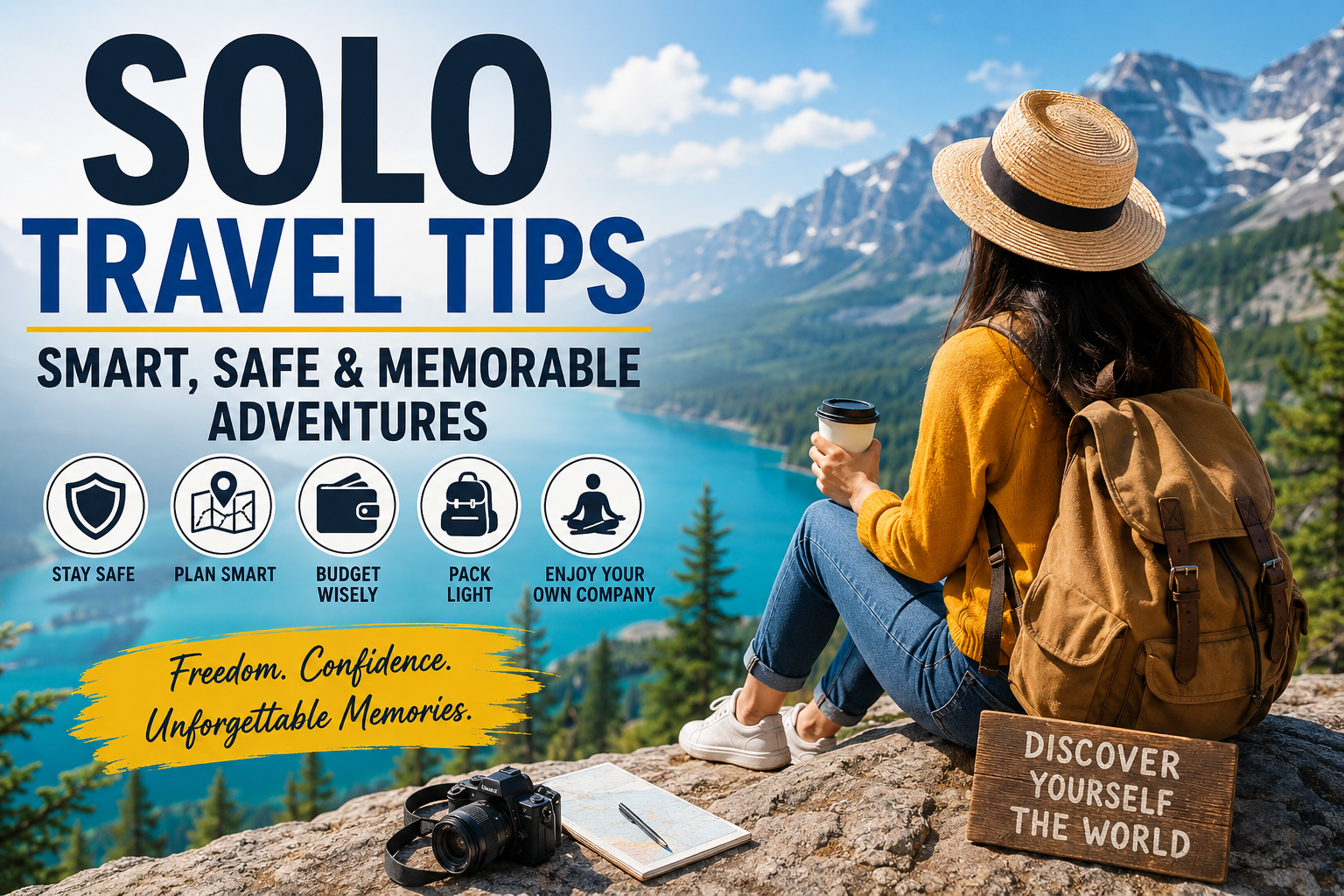
Solo Travel Tips: Powerful Secrets for Safe Trips 2026
Solo travel tips can help first-time and experienced travelers explore the world with more confidence, freedom, and personal control. Traveling alone is not only about visiting new places; it is also about learning how to plan better, trust your decisions, manage your budget, stay safe, and enjoy your own company without depending on anyone else Italian
Solo Travel Tips for Planning a Smart First Trip
Choose a Destination That Matches Your Confidence Level
The best first solo destination is not always the most famous place. It should be a location where you feel comfortable with transport, language, safety, weather, budget, and accommodation options. A city with good public transport, walkable areas, reliable internet, and clear tourist information can make the first experience easier.
Beginners should avoid choosing a destination only because it looks beautiful online. A place may have amazing views but difficult transport, expensive hotels, limited phone coverage, or confusing local rules. A smart solo traveler compares convenience and safety before excitement because the first trip should build confidence, not stress.
Research Local Rules, Culture, and Travel Requirements
Every destination has its own culture, laws, dress expectations, public behavior rules, tipping habits, transport systems, and safety concerns. Researching these details before arrival helps travelers avoid confusion and disrespect. It also makes the trip smoother because you already understand how local life works.
Travel requirements should be checked carefully, especially for visas, passport validity, vaccinations, travel insurance, entry forms, and customs rules. Some countries may also have restrictions on certain medicines, food items, drones, or photography in sensitive places. Good research protects you from avoidable problems.
Build a Flexible Itinerary Instead of a Strict Schedule
A solo itinerary should guide the trip without controlling every minute. It is useful to plan main activities, transport routes, hotel check-in times, and important reservations, but leaving free space is equally important. Flexibility allows you to rest, explore local streets, join a day tour, or change plans when weather or energy levels shift.
A strict schedule can make solo travel feel like work instead of freedom. Many of the best memories happen when you slow down and notice small details, such as a quiet café, a local market, a peaceful park, or a conversation with another traveler. Balance creates a better experience.
Share Your Travel Plan With Someone You Trust
Before leaving, send your basic itinerary to a trusted friend or family member. This should include flight details, accommodation names, emergency contacts, and major travel dates. You do not need to report every small movement, but someone should know your general location in case of an emergency.
Regular check-ins also provide peace of mind. A short message at the end of the day or after reaching a new city can be enough. This habit is simple, but it adds an extra layer of safety when traveling alone.
Prepare Digital and Physical Copies of Documents
Important documents should be available in more than one format. Keep digital copies of your passport, visa, travel insurance, hotel bookings, flight tickets, emergency contacts, and identification documents in secure cloud storage. Also keep printed copies in a separate part of your bag.
If your phone is lost, damaged, or stolen, physical copies can help you communicate with authorities, hotels, airlines, or embassies. This preparation may feel unnecessary until something goes wrong, but it can save time and reduce panic during a difficult situation.
Smart Budgeting and Money Management for Solo Travelers
Estimate the Real Cost of Traveling Alone
Solo travel can be more expensive than group travel because you may not share hotel rooms, taxis, meals, or tour costs. This does not mean solo travel has to be costly, but it does require honest budgeting. Accommodation, local transport, food, tickets, insurance, internet, laundry, and emergency money should all be included.
Many travelers make the mistake of calculating only flights and hotels. Daily spending can become the real budget challenge. A proper estimate helps you enjoy the trip without checking your balance every few hours or skipping important experiences because of poor planning.
Keep Emergency Money Separate
Emergency money should not be kept in the same wallet as daily spending cash. A small backup fund can be stored in a hidden pocket, separate pouch, or secure section of your luggage. This money can help if your card stops working, an ATM is unavailable, or your wallet is misplaced.
It is also wise to carry more than one payment method. A debit card, credit card, mobile wallet, and some local currency can create a safer system. Depending on one option is risky because payment networks, banks, and ATMs can fail at the worst time.
Understand Currency, Fees, and Exchange Rates
Currency exchange can quietly increase travel costs. Airport exchange counters may offer poor rates, while some ATMs charge high withdrawal fees. Before traveling, check how your bank handles international withdrawals, card transactions, and foreign conversion charges.
When paying by card abroad, some machines ask whether you want to pay in local currency or your home currency. Paying in the local currency is often better because dynamic conversion can be expensive. Understanding this small detail can save money throughout the trip.
| Budget Area | Why It Matters | Smart Solo Travel Approach |
|---|---|---|
| Accommodation | Usually the largest daily cost | Compare location, reviews, and transport access |
| Food | Small meals can add up quickly | Mix local restaurants, cafés, and grocery options |
| Transport | Taxi costs can rise fast | Learn metro, bus, and safe ride-hailing options |
| Activities | Tickets and tours affect total budget | Book only must-do experiences in advance |
| Emergency fund | Protects against sudden problems | Keep backup cash and another card separately |
Avoid Overspending on Convenience Solo travel tips
Solo travel tips often spend extra for comfort, especially after long flights or tiring days. A taxi instead of a train, a fancy meal instead of a simple dinner, or a last-minute hotel upgrade can feel justified. Sometimes convenience is worth paying for, but too much of it can break the budget.
A balanced approach works best. Spend more when safety, health, or comfort truly matters, but save on things that do not improve the experience. This helps you travel longer and enjoy more meaningful activities.
Track Spending Without Becoming Too Strict Solo travel tips
Tracking spending helps Solo travel tips understand where their money goes. A simple note on your phone can record daily costs for food, transport, tickets, and shopping. This gives you control without making the trip feel stressful.
The goal is not to remove enjoyment. The goal is to avoid surprises. When you know your daily spending pattern, you can decide when to save and when to enjoy something special without guilt.
Solo Travel Tips for Safety, Confidence, and Comfort
Trust Your Instincts in Uncomfortable Situations Solo travel tips
One of the most important solo travel tips is to trust your instincts when something feels wrong. If a street feels unsafe, a person seems too pushy, or a situation feels uncomfortable, leave quickly and confidently. You do not need to explain your decision to anyone.
Politeness should never come before safety. Solo travel tips sometimes stay in awkward situations because they do not want to offend others. A confident exit, a quick change of route, or a firm refusal can prevent bigger problems.
Choose Accommodation With Safety in Mind
Accommodation should be selected for more than price. Read recent reviews, check the neighborhood, confirm reception hours, look for secure locks, and understand how far the property is from public transport. A cheap room in a poor location can cost more in stress and transport.
Solo travel tips should also avoid arriving in unfamiliar areas very late at night when possible. If late arrival is unavoidable, arrange transport in advance and inform the accommodation. A smooth arrival sets the tone for the entire stay.
Be Careful With Personal Information
Meeting people is one of the joys of traveling alone, but personal details should be shared carefully. Avoid telling strangers your full itinerary, room number, exact accommodation, financial situation, or that nobody knows where you are. Friendly conversation does not require full disclosure.
Social media sharing also needs caution. Posting your real-time location can expose your movements. It is safer to upload photos after leaving a place, especially when staying alone or visiting quieter areas.
Use Technology Without Depending on It Completely
Maps, translation apps, ride-hailing services, banking apps, and booking platforms can make solo travel easier. A smartphone can solve many problems quickly, but depending on it completely is risky. Batteries die, internet stops, and phones can get lost.
Carry a power bank, download offline maps, save key addresses, and write important numbers somewhere outside your phone. Technology should support your trip, not become your only safety plan.
Move With Confidence in Public Places
Confidence can reduce unwanted attention. Walking with purpose, checking directions discreetly, and avoiding confused behavior in crowded areas can help you blend in better. This does not mean pretending to know everything; it means preparing enough to avoid looking vulnerable.
If you need directions, step into a café, hotel lobby, shop, or official information point instead of standing uncertainly on a street corner. Small habits like this improve both safety and comfort.
Packing and Health Advice for Independent Travelers
Pack Light but Do Not Pack Carelessly Solo travel tips
Packing light is useful because you are the only person carrying your luggage. A smaller bag makes transport easier, reduces stress on stairs, and gives you more control in crowded places. However, packing light should not mean forgetting important items.
The best approach is to pack practical clothing, comfortable shoes, basic medicine, chargers, hygiene items, and weather-appropriate layers. Each item should serve a clear purpose. A heavy suitcase can limit movement and make travel less enjoyable.
Prepare a Small Health Kit Solo travel tips
A health kit can be very helpful during solo travel because you may not immediately know where to find a pharmacy or clinic. Basic items may include pain relief, stomach medicine, bandages, antiseptic wipes, allergy medicine, rehydration salts, and any personal prescriptions.
Prescription medicine should be kept in original packaging when possible. Travelers should also check whether their medicine is allowed in the destination country. Health preparation is especially important when visiting remote areas or places with language barriers.
Keep Essentials in Your Hand Luggage Solo travel tips
Essential items should not be placed only in checked baggage. Keep documents, medicines, chargers, one change of clothes, basic toiletries, valuables, and important electronics in your hand luggage. If checked baggage is delayed, you can still manage the first day.
This habit is useful for every traveler, but it is especially important when traveling alone. You do not have a companion who can lend items immediately. Your carry-on bag should help you survive travel delays comfortably.
Dress for Comfort, Weather, and Local Culture Solo travel tips
Clothing choices should match the climate, activities, and cultural expectations of the destination. Comfortable shoes are especially important because Solo travel tips often walk more than expected. Weather changes should also be considered, especially in mountain, coastal, or rainy locations.
Respecting local dress expectations can make the experience smoother. In some places, modest clothing may be required for religious sites or local neighborhoods. Dressing thoughtfully can reduce attention and show respect for the community.
Avoid Overpacking Valuables Solo travel tips
Expensive jewelry, unnecessary gadgets, and luxury accessories can attract attention and increase worry. Solo travel is easier when you carry only what you truly need. Fewer valuables also mean fewer things to protect, insure, or replace.
A simple travel setup keeps your mind free. When you are not constantly checking your belongings, you can focus more on the destination, people, food, culture, and personal growth.
Making the Most of the Solo travel tips Experience
Learn How to Enjoy Eating Alone Solo travel tips
Many first-times Solo travel tips feel nervous about eating alone in restaurants. This feeling usually disappears after a few meals. Bring a book, write notes, sit near a window, or choose casual places where solo diners are common.
Eating alone can become one of the most peaceful parts of a trip. You can choose exactly what you want, eat slowly, observe local life, and enjoy the moment without adjusting to anyone else’s preferences.
Join Group Activities When You Want Company Solo travel tips
Solo travel does not mean being alone all the time. Walking tours, cooking classes, museum tours, language exchanges, day trips, and hostel events can help you meet people naturally. These activities offer social contact without giving up your independence.
The advantage is balance. You can spend the morning exploring alone and the evening with other travelers. This makes the trip feel flexible, social, and personal at the same time.
Take Time for Reflection Solo travel tips
Traveling alone gives you space to think clearly. Without familiar routines and constant conversation, you may understand your goals, fears, habits, and strengths better. This emotional side of solo travel is one reason many people find it life-changing.
Journaling can make this reflection deeper. Writing a few lines each day about what you saw, learned, ate, felt, or noticed can turn the trip into a personal memory rather than just a collection of photos.
Respect Your Energy Levels
Solo travel tips sometimes feel pressure to see everything because they planned the trip alone. This can lead to exhaustion. Rest is part of good travel, not a waste of time. A slow morning or quiet evening can improve the next day.
Listening to your body is important. If you feel tired, overstimulated, sick, or emotionally overwhelmed, adjust the plan. The freedom to change direction is one of the biggest benefits of traveling alone.
Return Home With Lessons, Not Just Photos Solo travel tips
A successful solo trip is not measured only by the number of attractions visited. It is also measured by confidence gained, problems solved, people met, and memories created. The experience can improve decision-making, patience, independence, and self-trust.
When you return home, think about what worked and what you would change next time. These lessons make future trips easier and more meaningful. Every solo journey becomes preparation for the next one.
FAQs
What are the best solo travel tips for beginners?
Beginners should choose an easy destination, book safe accommodation, share their itinerary, and keep emergency money separate. Starting with a simple trip helps build confidence before planning more challenging journeys.
Is Solo travel tips safe for first-time travelers?
Solo travel tips can be safe when planned carefully. Travelers should research the destination, avoid risky areas, stay aware in public places, and trust their instincts when situations feel uncomfortable.
How do I choose my first solo travel destination?
Choose a destination with good transport, safe neighborhoods, clear tourist information, and accommodation with strong recent reviews. A comfortable first destination helps reduce stress and builds travel confidence.
How much money should I carry when traveling alone?
Carry enough local cash for transport, food, and emergencies, but do not keep all money in one place. Use a mix of cash, cards, and digital payment options for better safety.
Should I stay in hotels or hostels when traveling alone?
Both can work depending on your comfort level and budget. Hotels offer privacy, while hostels can make meeting people easier, but safety, location, and reviews should always come first.
How can I meet people during a Solo travel tips?
You can meet people through walking tours, group classes, day trips, hostels, cafés, and local events. Choose public and structured activities when meeting new people for the first time.
What should I avoid when traveling alone?
Avoid sharing too much personal information, arriving late in unsafe areas, carrying too many valuables, ignoring local rules, and depending on only one payment method. Simple caution can prevent many problems.
How do I stay confident while traveling alone?
Confidence grows through preparation and experience. Learn your route before leaving, walk with purpose, keep backup plans, and remind yourself that it is normal to feel nervous at first.
Is Solo travel tips lonely?
Solo travel can feel lonely at times, but it can also be peaceful and empowering. Joining group activities, calling loved ones, and balancing alone time with social moments can help.
What is the most important rule for Solo travel tips?
The most important rule is to stay aware and trust your judgment. Plans, bookings, and apps are useful, but your instincts are often the fastest warning system when something feels wrong.
Conclusion
Solo travel tips are most useful when they help travelers combine freedom with preparation. A good solo trip begins before departure through careful research, budgeting, document safety, health planning, and destination awareness. When these basics are handled, the traveler can enjoy the journey with more confidence and less stress. Traveling alone does not mean taking unnecessary risks or avoiding people completely. It means making your own choices while staying aware of your surroundings, protecting your information, and respecting your comfort level. With the right planning, solo travel can become safe, empowering, and deeply rewarding.