Japan Hiking: 25 Best Trails, Mountain Adventures and Scenic Routes for Every Traveller
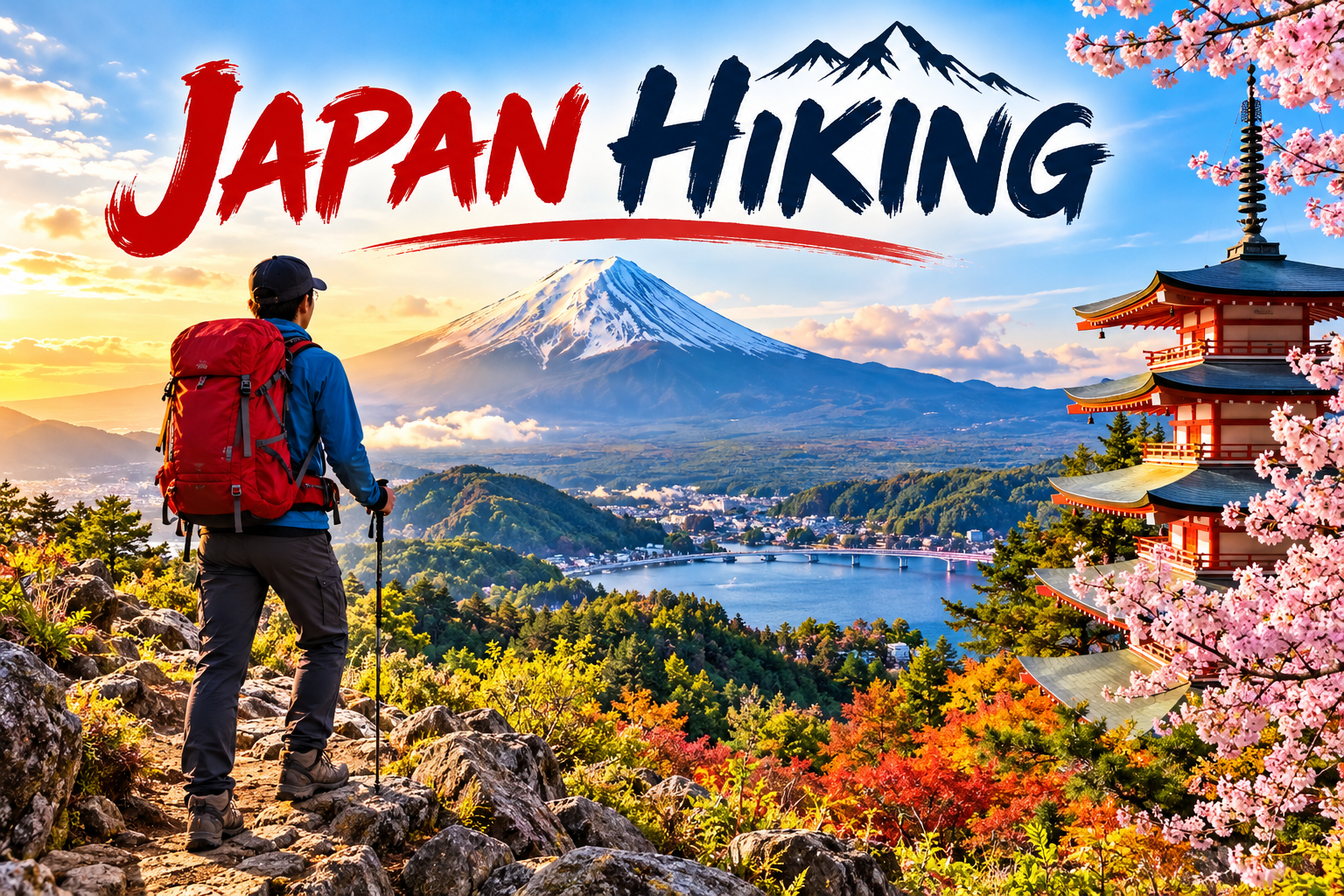
Have you ever imagined walking through an ancient Japanese forest, climbing a mountain above a sea of clouds or following a quiet trail past traditional villages and centuries-old temples? Japan offers some of the world’s most varied hiking experiences, combining dramatic mountains, volcanic landscapes, lush forests, coastal scenery and rich cultural heritage. Japan hiking offers adventures for every ability, from accessible woodland walks and historic pilgrimage routes to demanding alpine climbs and multi-day mountain expeditions. With the right trail, season, equipment and preparation, hikers can experience Japan’s natural beauty while discovering the traditions and landscapes that make the country unique Tokyo Luggage
Understanding Japan Hiking and Its Unique Landscapes
Japan is an archipelago with landscapes shaped by mountains, volcanoes, forests, rivers and the surrounding seas. Much of the country is mountainous, creating a wide variety of hiking opportunities across different regions.
The Japanese Alps, located in central Honshu, attract hikers seeking high peaks and dramatic ridgelines. Hokkaido offers expansive wilderness and volcanic mountains, while Kyushu has distinctive volcanic landscapes and subtropical forest areas.
Near major cities, hikers can also find shorter trails suitable for day trips. This makes Japan hiking accessible to travellers who want to combine outdoor activities with sightseeing.
What Makes Japan Hiking Different?
Strong seasonal variation: The same mountain can offer green summer vegetation, colourful autumn leaves and deep winter snow. Choosing the right season is essential.
Cultural and historical trails: Some routes follow old transport corridors, pilgrimage paths or traditional mountain approaches. Hiking can provide insight into Japanese history as well as natural scenery.
Volcanic landscapes: Japan’s volcanic geography creates distinctive mountains, crater lakes, hot springs and unusual rock formations. Volcanic activity can also lead to closures or restricted access.
Public transport to many trailheads: Numerous popular hiking areas can be reached by train and bus, although remote mountains may require advance planning or seasonal services.
Established mountain traditions: Many popular hiking areas have mountain huts, marked routes and information facilities. Conditions and services vary considerably between destinations.
Hiking, Trekking and Mountaineering: What Is the Difference?
| Activity | Typical characteristics | Suitable experience |
|---|---|---|
| Hiking | Day walks on established trails | Beginners to experienced walkers |
| Trekking | Longer walks, sometimes over several days | People with good walking fitness |
| Alpine hiking | Steep, exposed or high-altitude mountain routes | Experienced hikers |
| Mountaineering | May involve snow, ice, ropes or technical climbing | Trained participants with specialist skills |
A route’s name does not necessarily indicate its difficulty. A short mountain trail can be more dangerous than a longer forest walk if it includes exposed ridges, loose rock, steep drops or unpredictable weather.
The 25 Best Japan Hiking Trails and Mountain Adventures
Japan offers hiking routes for nearly every travel style, but these destinations differ in elevation, terrain, facilities and seasonal accessibility. This selection includes accessible day hikes, cultural walking routes, forest trails and demanding mountain adventures.
1. Mount Fuji: Best Iconic Mountain Hike
Mount Fuji is Japan’s most recognisable mountain and one of the country’s most famous hiking destinations. Its symmetrical volcanic cone, high-altitude views and cultural significance make it a bucket-list adventure for many international visitors.
At 3,776 metres, Mount Fuji is Japan’s highest mountain. Reaching its summit requires considerably more preparation than a typical day hike.
The four principal climbing routes are Yoshida, Fujinomiya, Subashiri and Gotemba. Each has different starting points, terrain, facilities and ascent characteristics.
What makes Mount Fuji special?
- Sunrise views from high above the surrounding landscape.
- A distinctive volcanic environment.
- Mountain huts on designated routes during the climbing season.
- A challenging physical experience centred on a major cultural landmark.
Best for: Fit beginners with appropriate preparation, experienced hikers and travellers seeking an iconic mountain challenge.
Best time: The officially designated summer climbing season, subject to each route’s current opening dates.
Important safety information: Mount Fuji’s normal climbing routes have designated opening seasons and are dangerous outside those periods. Never assume the mountain is open simply because the weather looks pleasant.
Mount Fuji is also associated with a dangerous practice called bullet climbing, in which hikers attempt to ascend overnight without adequate rest. This increases fatigue and altitude-related risks.
Practical tip: Plan accommodation, required entry arrangements, equipment, transport and descent timing well in advance. For most first-time climbers, a properly planned overnight itinerary is preferable to an exhausting attempt to reach the summit in one continuous push.
2. Kumano Kodo: Best Historic Pilgrimage Hike
The Kumano Kodo is a network of historic pilgrimage routes through the mountainous Kii Peninsula. It has been walked by pilgrims for centuries and is recognised for its cultural and spiritual importance.
The routes pass through forested mountains, traditional settlements, shrines and rural landscapes. Walking them is not simply a physical challenge; it is also an opportunity to experience Japan’s relationship with religion, history and nature.
The Nakahechi route is among the best-known options, while shorter sections allow visitors to experience the pilgrimage without committing to a long trek.
Highlights include:
- Moss-covered stone paths and forest scenery.
- Historic shrines and pilgrimage landmarks.
- Traditional villages and rural hospitality.
- Opportunities to combine walking with hot-spring stays.
Best for: Cultural travellers, intermediate hikers, couples and people interested in multi-day walking holidays.
Best time: Spring and autumn are popular, although weather and trail conditions should always guide the decision.
Practical tip: Choose an itinerary based on daily distance, elevation gain and accommodation availability rather than simply selecting the longest route. Some sections are steep and physically demanding despite their cultural-tourism reputation.
3. Nakasendo Trail: Best for Traditional Japanese Villages
The Nakasendo was an important historic route connecting Edo, present-day Tokyo, with Kyoto during the Edo period.
Today, sections of the old highway offer a combination of forest paths, rural scenery and preserved post towns. One of the most popular walks links Magome and Tsumago in the Kiso Valley.
This hike is especially appealing to travellers who want to experience traditional Japan without undertaking a high-altitude mountain expedition.
Highlights include:
- Historic wooden buildings and traditional streets.
- Forest paths and rural landscapes.
- Stone sections of the old highway.
- Traditional inns, local food and cultural stops.
Best for: Beginners with reasonable walking fitness, history enthusiasts, couples and independent travellers.
Typical experience: The well-known Magome-to-Tsumago walk takes roughly two to three hours, depending on pace and stops.
Practical tip: Wear comfortable walking shoes rather than assuming the route is an entirely flat village stroll. Forest sections can include uneven ground and changes in elevation.
4. Kamikochi: Best for Alpine Scenery
Kamikochi, in the Northern Japanese Alps, is one of Japan’s most celebrated mountain destinations.
Its valley landscape features clear rivers, mountain views, forest paths and impressive peaks. For hikers who want alpine scenery without necessarily attempting a summit, Kamikochi offers several appealing options.
Shorter walks near the river can suit casual visitors, while longer routes lead towards mountain huts and more demanding terrain.
Highlights include:
- Views of the Azusa River.
- The Kappa Bridge area.
- Forest and riverside walking routes.
- Panoramic views of the surrounding Japanese Alps.
Best for: Beginners choosing easy valley routes, photographers, families and experienced hikers planning longer mountain trips.
Best time: The main visitor season generally runs from spring to autumn, with exact access dates depending on conditions.
Practical tip: Do not confuse a gentle valley walk with the difficulty of nearby alpine ascents. If you plan to climb beyond the main valley, research the full route, elevation profile and weather conditions.
5. Mount Takao: Best Beginner Hike Near Tokyo
Mount Takao is one of the most convenient hiking destinations for visitors staying in Tokyo.
It offers forest trails, mountain scenery, cultural landmarks and viewpoints without requiring a long journey into the Japanese Alps.
Several routes are available, with differences in steepness, surface and walking time. Some visitors also use the mountain’s cable car or chairlift for part of the ascent, although access and operating arrangements should be checked in advance.
Highlights include:
- Accessible mountain walking near a major city.
- Forest paths and seasonal foliage.
- Yakuoin Temple and its surrounding cultural environment.
- Views towards the wider Tokyo region on clear days.
Best for: Beginners, families with older children, casual walkers and travellers with limited time.
Best time: Spring and autumn are popular.
Practical tip: Visit on a weekday if possible. Popular trails can become crowded, particularly during autumn foliage season and public holidays.
Mount Takao is a useful starting point for people who want to discover whether they enjoy hiking before attempting a longer or more demanding route.
6. Mount Mitake: Best Forest and Shrine Walk
Mount Mitake, in western Tokyo, combines forest scenery, traditional mountain culture and access to walking routes.
Visitors can explore the area around Musashi-Mitake Shrine, walk through woodland and consider longer routes towards neighbouring mountain destinations.
The atmosphere is different from a high-alpine expedition. The experience centres on forest paths, mountain settlements and cultural landmarks.
Best for: Beginners, nature enthusiasts, photographers and travellers looking for a day trip from Tokyo.
Highlights: Forest trails, shrine architecture, seasonal scenery and opportunities for longer walks.
Practical tip: Check the operating hours of transport facilities and plan your return journey before starting a long route.
Although Mount Mitake is accessible, the length and difficulty of your hike depend on the paths you choose. Do not assume every route is suitable for casual footwear.
7. Mount Yoshino: Best for Cherry Blossoms and Spring Hiking
Mount Yoshino, in Nara Prefecture, is famous for its extensive cherry blossom scenery.
The area combines forested slopes, historic temples, shrines and traditional settlements. During the spring flowering period, the landscape attracts visitors seeking one of Japan’s best-known seasonal experiences.
Hiking around Mount Yoshino can be a rewarding alternative to viewing blossoms only from urban parks.
Best for: Spring travellers, photographers, couples and cultural enthusiasts.
Best time: Spring for cherry blossoms, with other seasons offering quieter walking and different scenery.
Practical tip: Blossom season can be exceptionally busy. Check recent flowering reports and transport arrangements, and consider visiting early in the day.
8. Yakushima: Best for Ancient Cedar Forests
Yakushima is a subtropical island south of Kyushu, known for its ancient forests, moss-covered landscapes and distinctive natural environment.
Its cedar trees, often referred to collectively as yakusugi, are a major attraction. Some trees are centuries or even thousands of years old, and the island offers a range of walks from shorter forest routes to demanding mountain excursions.
Highlights include:
- Ancient cedar forests.
- Moss-covered woodland.
- Waterfalls and streams.
- Rich plant life and dramatic mountain scenery.
Best for: Nature lovers, photographers, experienced hikers and travellers interested in forest ecology.
Best time: Spring and early autumn can be attractive, but rainfall and trail conditions must be considered throughout the year.
Practical tip: Yakushima is known for wet weather. Waterproof clothing, footwear with good grip and careful route planning are important even when the forecast initially appears favourable.
Do not assume that all trails on the island are easy simply because they pass through forests. Longer routes can involve substantial elevation gain, slippery surfaces and demanding return journeys.
9. Mount Kita: Best for Experienced Mountain Hikers
Mount Kita, in the Southern Japanese Alps, rises to approximately 3,193 metres and is Japan’s second-highest mountain.
It is a serious mountain destination with steep climbs, long approaches and exposure to rapidly changing weather.
Unlike an accessible city hike, reaching the summit requires careful preparation, suitable equipment and realistic expectations about physical demands.
Best for: Experienced hikers with good fitness and mountain-navigation skills.
Highlights include: High-altitude scenery, alpine vegetation, dramatic mountain views and a challenging summit objective.
Best time: The established summer hiking season, subject to trail and hut conditions.
Practical tip: Research the approach route, elevation gain, hut reservations, water availability and descent options. Check current information from the relevant mountain authorities before departure.
Mount Kita is not an appropriate first mountain for someone who has never completed a substantial hike.
10. Daisetsuzan National Park: Best for Hokkaido Wilderness
Daisetsuzan National Park is a vast mountain region in central Hokkaido, offering volcanic landscapes, alpine environments and extensive hiking opportunities.
The area includes Mount Asahi, Hokkaido’s highest peak, as well as other mountains and routes with different levels of difficulty.
Its northern location and alpine conditions create a different hiking experience from the warmer forests of southern Japan.
Highlights include:
- Volcanic mountain landscapes.
- Broad wilderness scenery.
- Alpine plants and seasonal colours.
- Opportunities for multi-day adventures.
Best for: Experienced hikers, nature enthusiasts and visitors exploring Hokkaido.
Best time: Summer and early autumn are popular, but local weather and trail conditions determine suitability.
Practical tip: Conditions can change quickly, and exposed mountain areas can become cold even during summer. Carry suitable layers and check official weather and trail reports.
11. Shiretoko Five Lakes: Best for Wildlife and Lakeside Scenery
Shiretoko, on the eastern side of Hokkaido, is known for its protected landscapes and wildlife.
The Shiretoko Five Lakes area offers a way to experience the peninsula’s forests, lakes and mountain scenery. Depending on the season and current rules, visitors may use designated elevated boardwalks or forest walking trails.
This is not a place where visitors should casually wander away from marked routes. Brown bears live in the region, and wildlife management rules are important for visitor safety.
Best for: Wildlife enthusiasts, photographers and travellers who enjoy natural landscapes.
Practical tip: Check seasonal access arrangements and bear-safety guidance. Some routes may require a guided walk or additional procedures during particular periods.
A responsible visit prioritises observing wildlife from a safe distance rather than seeking a close encounter.
12. Mount Hiei: Best for History and Forest Hiking
Mount Hiei, between Kyoto and Shiga Prefecture, has a long association with Japanese Buddhist traditions.
Its wooded slopes and historic religious sites create a distinctive combination of nature and culture.
Depending on the route, hikers can experience forest paths, mountain views and temple-related destinations.
Best for: Cultural travellers, intermediate hikers and visitors staying in Kyoto.
Highlights include: Forest scenery, historic religious sites and views across the surrounding region.
Practical tip: Check transport arrangements and the opening hours of any religious sites you intend to visit. Some routes involve substantial climbing and should not be underestimated.
13. Mount Koya Choishi Michi: Best for Spiritual Hiking
Mount Koya, in Wakayama Prefecture, is an important centre of Japanese Buddhist tradition.
The Choishi Michi is a historic pilgrimage route marked by stone signposts and leading towards the temple settlement on the mountain.
Walking the route offers a way to approach Mount Koya through the forest rather than arriving only by transport.
Best for: Cultural travellers, experienced walkers and people interested in pilgrimage traditions.
Highlights include: Forested mountain paths, religious history and the atmosphere of an established pilgrimage route.
Practical tip: Check the total distance, elevation gain, weather and return transport before choosing this route. The pilgrimage setting does not make it automatically easy.
14. Daibutsu Hiking Trail: Best Short Hike Around Kamakura
Kamakura is known for its temples, historic streets and coastal setting.
Its Daibutsu Hiking Trail connects parts of the area through wooded paths, providing a nature-focused alternative to sightseeing entirely on paved streets.
The route can be incorporated into a day trip that also includes temples and other cultural destinations.
Best for: Beginners with reasonable fitness, solo travellers and cultural visitors.
Highlights include: Woodland paths, temple connections and views across parts of Kamakura.
Practical tip: Check trail conditions after heavy rain, wear shoes with grip and allow time for stops along the way.
This is a useful example of how Japan hiking can fit into a short cultural trip without requiring specialist mountain equipment.
15. Mount Oyama: Best for a Day Hike from the Tokyo Region
Mount Oyama, in Kanagawa Prefecture, is a popular mountain destination associated with historic religious practices.
The route offers forest scenery, shrine-related attractions and opportunities to experience mountain walking without travelling deep into Japan’s high alpine regions.
Best for: Intermediate beginners, cultural travellers and day hikers.
Highlights include: Forest paths, mountain views and religious landmarks.
Practical tip: Check the steepness and length of your chosen route. Transport facilities can reduce some of the ascent, but they do not remove the need to plan your walking time and descent.
16. Mount Tanzawa: Best for Challenging Day Hikes
The Tanzawa Mountains in Kanagawa Prefecture offer a range of more demanding hiking routes within reach of the Tokyo region.
Depending on the route, hikers may encounter steep ascents, ridgelines, forest trails and extended walking days.
Best for: Fit intermediate hikers and experienced day walkers.
Highlights include: Mountain ridges, woodland and views across the surrounding region.
Practical tip: Select a route appropriate to your experience and check transport schedules carefully. Some hikes take longer than expected because of steep terrain and elevation changes.
17. Mount Norikura: Best for High-Altitude Scenery
Mount Norikura is a high mountain destination in central Japan known for alpine scenery and seasonal mountain landscapes.
Access arrangements vary by area and season, and some approaches may use transport services that reduce the amount of walking required.
Best for: Travellers seeking high-altitude scenery and hikers who want to explore alpine environments.
Highlights include: Mountain views, high-altitude vegetation and seasonal landscapes.
Practical tip: Do not assume that reaching a high trailhead makes the remaining hike effortless. Cold temperatures, altitude, wind and uneven terrain still matter.
18. Mount Yari: Best for Serious Alpine Adventure
Mount Yari, in the Northern Japanese Alps, is famous for its distinctive pointed summit.
It is a demanding mountain destination associated with steep terrain, exposed sections and challenging approaches. Some routes involve conditions that require advanced mountain skills and careful decision-making.
Best for: Experienced alpine hikers with suitable preparation.
Highlights include: Dramatic summit scenery, ridgelines and expansive mountain views.
Practical tip: Research the exact route and its exposure. Some sections may require specialist skills, and this mountain should not be treated as a casual extension of a valley walk.
19. Mount Hotaka: Best for Advanced Japanese Alps Hiking
The Hotaka mountain area in the Northern Japanese Alps contains several high peaks and demanding alpine routes.
It attracts experienced hikers seeking challenging terrain and dramatic views.
Best for: Advanced hikers with strong fitness, appropriate equipment and mountain experience.
Highlights include: Alpine ridges, rocky terrain and expansive mountain scenery.
Practical tip: Check current trail conditions, weather forecasts and mountain-hut information. Avoid exposed routes if conditions are unsuitable, and never rely solely on photographs when assessing technical difficulty.
20. Oze National Park: Best for Wetlands and Seasonal Flowers
Oze is known for its broad wetlands, mountain surroundings and seasonal plant life.
Designated walking paths and boardwalks allow visitors to explore parts of the landscape while reducing damage to sensitive ground.
The area provides a very different experience from steep mountain hikes.
Best for: Beginners, photographers, families and nature enthusiasts.
Highlights include: Wetland scenery, mountain views and seasonal flowers.
Best time: The main walking season, with exact timing depending on snowmelt and access conditions.
Practical tip: Stay on boardwalks where provided and avoid stepping into fragile vegetation. Wetland environments can be easily damaged by repeated foot traffic.
21. Mount Hakkoda: Best for Northern Mountain Landscapes
Mount Hakkoda, in Aomori Prefecture, offers volcanic mountain scenery, forests and seasonal landscapes.
The area is attractive during the warmer months, while winter conditions can be severe and may require specialist knowledge and equipment.
Best for: Experienced walkers, nature photographers and travellers exploring northern Honshu.
Practical tip: Check weather, visibility and transport operations before departure. Winter travel in mountain terrain requires a different level of preparation from summer hiking.
22. Mount Aso: Best for Volcanic Landscapes
Mount Aso, in Kyushu, is associated with one of Japan’s major volcanic landscapes.
The surrounding region offers dramatic scenery, open grasslands and views of volcanic terrain.
However, active volcanic conditions can affect access to specific areas, particularly around the crater.
Best for: Nature enthusiasts, photographers and travellers interested in geology.
Practical tip: Follow official volcanic alerts and access restrictions. Never enter a closed area or approach a crater against local safety guidance.
23. Mount Unzen: Best for Volcanic Nature and Forest Trails
Mount Unzen, in Nagasaki Prefecture, is another destination shaped by volcanic activity.
Its mountain scenery, forest routes and geological features make it interesting for hikers who want to learn more about Japan’s volcanic landscapes.
Best for: Nature enthusiasts, intermediate hikers and geology lovers.
Practical tip: Check the condition of each trail and any volcanic or weather-related warnings before setting out.
24. Mount Rishiri: Best for an Island Mountain Challenge
Mount Rishiri rises dramatically from Rishiri Island off northern Hokkaido.
Its isolated setting gives it a distinctive appearance, and the summit hike attracts experienced mountain walkers.
The route can be long and physically demanding, with conditions influenced by wind, weather and the mountain’s exposed position.
Best for: Experienced hikers and travellers seeking a challenging island adventure.
Practical tip: Plan around ferry or flight schedules, local accommodation and mountain conditions. Do not begin a summit attempt without a realistic turnaround time.
25. Mount Misen: Best Scenic Hike on Miyajima
Mount Misen, on Miyajima near Hiroshima, offers forested mountain trails and views across the surrounding islands and sea.
The mountain can be combined with a visit to the island’s cultural attractions, making it a useful option for travellers who want both nature and heritage.
Several routes vary in steepness, and some visitors combine walking with available transport facilities.
Best for: First-time hikers, cultural travellers, photographers and visitors exploring Hiroshima.
Practical tip: Check the difficulty of the chosen route, allow time for the descent and carry water in warm weather.
Comparison Table: 10 Best Hiking Trails in Japan
Choosing the right Japan hiking trail depends on your fitness, available time, preferred scenery and comfort with mountain terrain.
| Hiking Trail | Difficulty Guide | Recommended Time | Best Feature |
|---|---|---|---|
| Mount Takao | Beginner-friendly routes | Half day | Convenient access from Tokyo |
| Nakasendo: Magome–Tsumago | Beginner to intermediate | 2–3 hours | Historic villages |
| Daibutsu Hiking Trail | Beginner to intermediate | Half day | Woodland and temples |
| Mount Mitake | Beginner to intermediate | Half day or longer | Forest and shrine scenery |
| Kamikochi valley walks | Beginner-friendly options | Half day or full day | Japanese Alps scenery |
| Kumano Kodo | Varies by section | 1–5+ days | Historic pilgrimage routes |
| Mount Yoshino | Varies by route | Half day or full day | Cherry blossoms |
| Yakushima forest trails | Varies by route | Several hours to a full day | Ancient cedar forests |
| Mount Fuji | Strenuous | 1–2 days | Iconic summit experience |
| Mount Kita | Strenuous to advanced | Multi-day | High alpine scenery |
Difficulty descriptions are general planning guidance, not official ratings. Actual conditions depend on the route selected, season, weather and the hiker’s experience.
Which Japan Hiking Trail Is Best for You?
- For beginners: Start with an established short route at Mount Takao or a suitable Kamikochi valley walk.
- For history lovers: Explore the Nakasendo or a manageable section of the Kumano Kodo.
- For families: Choose a clearly marked route with manageable distance, facilities and a straightforward return journey.
- For photographers: Consider Kamikochi, Yakushima or Mount Yoshino in the appropriate season.
- For experienced hikers: Research the Japanese Alps, Mount Kita and other demanding mountain routes.
- For a trip from Tokyo: Mount Takao and Mount Mitake are useful starting points.
- For a multi-day walking holiday: Consider a carefully planned Kumano Kodo itinerary.
- For a major mountain challenge: Plan Mount Fuji during its official climbing season.
The Best Time for Japan Hiking
Japan has four distinct seasons, but hiking conditions also vary by latitude, elevation and local weather. A comfortable walking route in southern Japan may be inaccessible under snow in a northern mountain region.
The best approach is to select a destination first and then confirm the appropriate hiking season.
Spring: March to May
Spring brings fresh greenery, flowers and increasingly comfortable walking conditions in many lower-elevation areas.
Good choices: Mount Takao, Mount Yoshino, Kamakura’s hiking trails and suitable lower-elevation routes.
Watch out for: Lingering snow at altitude, muddy paths, rain and crowded blossom destinations.
Summer: June to August
Summer is a major hiking season in many high mountain regions, once trails and facilities have opened. However, conditions differ greatly between regions.
Good choices: Open sections of Kamikochi, suitable Japanese Alps routes and Mount Fuji during its official climbing season.
Watch out for: Rainy-season conditions, thunderstorms, heat, humidity and sudden temperature drops at altitude.
Autumn: September to November
Autumn is excellent for colourful forests, crisp air and scenic walking in many parts of Japan.
Good choices: Nakasendo, Mount Takao, suitable Kamikochi routes and lower-elevation forest trails.
Watch out for: Early snow in the mountains, shorter daylight hours and rapidly changing conditions at high elevations.
Winter: December to February
Winter offers snow-covered landscapes, but many mountain routes become dangerous or inaccessible without specialist preparation.
Good choices: Suitable low-elevation walking routes that are officially open and safe under current conditions.
Watch out for: Ice, avalanches, extreme cold, navigation difficulties and closures. Winter mountaineering is not a beginner activity.
Is Summer Always the Best Season for Japan Hiking?
No. Summer is suitable for many high-altitude routes, but it can be uncomfortable on lowland trails because of heat and humidity.
Likewise, autumn is often excellent for forest scenery, but high mountain weather can deteriorate quickly.
For most beginners, the best season is the one that provides manageable temperatures, an open route and enough daylight for a relaxed return.
Essential Japan Hiking Gear: What Should You Pack?
The correct equipment depends on whether you are taking a short woodland walk, a long pilgrimage or a high-altitude mountain expedition.
A small daypack may be sufficient for an easy half-day hike, while an overnight mountain trip requires additional clothing, food, navigation equipment and accommodation planning.
Hiking Footwear Japan hiking
Choose footwear according to the trail surface and difficulty.
For maintained forest paths, comfortable hiking shoes with good grip may be sufficient. Rocky, steep or uneven mountain routes may require more supportive footwear.
Consider:
- Traction on wet surfaces.
- Comfortable fit and toe space.
- Ankle support appropriate to the terrain.
- Water resistance where useful.
- Properly fitted socks to reduce friction.
Do not wear brand-new hiking boots on a demanding mountain trip without testing them first.
Clothing for Japanese Mountain Weather Japan hiking
Layering is particularly important in Japan because temperatures can vary dramatically between trailheads and high elevations.
A practical clothing system includes:
- A moisture-managing base layer.
- An insulating layer for cold conditions.
- A waterproof and wind-resistant outer shell.
- Appropriate trousers.
- Extra socks.
- A hat or sun protection.
- Warm accessories for high-altitude conditions.
Even if the weather is warm at the starting point, a mountain summit can be cold and windy.
Navigation and Communication Japan hiking
Carry a reliable map or offline navigation option, and understand how to use it before starting.
Useful equipment includes:
- An offline trail map.
- A fully charged phone.
- A power bank.
- A physical map for unfamiliar or remote routes.
- A headlamp with spare power.
- Emergency contact information.
Mobile coverage cannot be assumed everywhere. A phone is useful, but it is not a substitute for navigation skills or a suitable emergency plan.
Food and Water Japan hiking
Carry enough drinking water and food for the planned route, with additional supplies in case of delays.
Do not assume that every mountain trail has vending machines, shops or refill points. Remote areas may have limited facilities, and some water sources require treatment.
Japan Hiking Packing Checklist
- Comfortable hiking shoes or boots.
- Weather-appropriate layered clothing.
- Waterproof jacket.
- Enough water and high-energy snacks.
- Offline map and route information.
- Charged phone and power bank.
- Headlamp and emergency supplies.
- Sun protection and basic first-aid kit.
- Cash and transport details.
- Emergency contact and hiking plan.
This checklist is a starting point rather than a complete equipment list for every route. Technical alpine hiking and winter mountaineering require additional specialised equipment and training.
Japan Hiking Safety: Essential Advice
Japan has well-established hiking destinations, but its mountains can still present serious risks.
The most common planning error is assuming that a route is safe simply because it is popular or appears frequently in travel photographs.
Check Weather and Trail Conditions Japan hiking
Before departure, review the forecast for the actual mountain area rather than relying only on the weather in your accommodation city.
Pay attention to:
- Thunderstorm warnings.
- Heavy rain and flood risks.
- Strong winds.
- Temperature changes at elevation.
- Snow and ice.
- Volcanic alerts.
- Temporary trail closures.
Conditions may change during the day. If the forecast becomes unsuitable, changing your plan is a responsible decision rather than a failure.
Understand Altitude and Fatigue Japan hiking
High-altitude hiking can cause headaches, nausea, dizziness, unusual fatigue and other symptoms associated with altitude exposure.
If symptoms develop, stop ascending and assess the situation. Serious or worsening symptoms require prompt descent and appropriate medical assistance.
Do not assume that excellent fitness eliminates altitude-related risks.
Avoid Starting Too Late Japan hiking
A late start can leave hikers descending in darkness or rushing to catch the final bus.
Estimate the full journey, including breaks, photographs, food stops and the return route.
Set a turnaround time before starting a summit hike. If you reach that time without being close enough to the objective to proceed safely, turn back.
Follow Wildlife Guidance Japan hiking
Some Japanese hiking regions are home to bears and other wildlife.
Before entering these areas, learn the relevant local guidance. Depending on the destination, precautions may include carrying a bear bell, travelling in an appropriate group, avoiding areas with recent warnings and following designated routes.
Never approach, feed or attempt to photograph wildlife at close range.
Use Mountain Huts Responsibly Japan hiking
Mountain huts can provide valuable shelter and rest opportunities on certain routes, but they should not be treated as guaranteed emergency accommodation.
Reservations may be required, and operating periods are seasonal. Facilities, meals, bedding and payment arrangements differ.
Confirm your booking and carry the equipment necessary for the conditions you may encounter.
When Should You Cancel a Hike?
Consider cancelling or changing your plan when:
- The route is officially closed.
- Weather warnings indicate dangerous conditions.
- You lack the required equipment or experience.
- A member of your group is unwell or injured.
- Transport disruptions could leave you stranded.
- You cannot complete the hike within the available daylight.
The best hikers are not those who reach every summit. They are those who make sound decisions and return safely.
Ten Hiking Gear Brands for Japan Hiking
The right equipment can improve comfort, reliability and safety on Japanese trails. However, there is no single brand that is best for every hiker.
A beginner walking Mount Takao has different needs from someone crossing the Japanese Alps or spending several days in Yakushima’s forests.
| Brand Japan hiking | Main Product Category Japan hiking | Best Suited To Japan hiking |
|---|---|---|
| The North Face | Outdoor clothing and equipment | General hikers |
| Montbell | Lightweight outdoor clothing | Travellers prioritising pack weight |
| Patagonia | Outdoor apparel | Clothing and layering |
| Arc’teryx | Technical outdoor clothing | Experienced outdoor users |
| Salomon | Hiking footwear and trail equipment | Day hikers and trail users |
| Merrell | Hiking shoes and boots | Recreational walkers |
| Osprey | Backpacks | Day and multi-day hikers |
| Deuter | Trekking backpacks | Longer walking trips |
| Black Diamond | Mountain accessories and technical equipment | Hikers needing specialist gear |
| Columbia | Outdoor clothing and footwear | Casual and recreational hikers |
1. The North Face Japan hiking
The North Face offers hiking jackets, backpacks, footwear and technical outdoor apparel. It is worth comparing when you want equipment for day hikes and varied weather conditions.
Consider it for: General hiking, layering and daypacks.
2. Montbell Japan hiking
Montbell is a Japanese outdoor brand known for lightweight clothing, insulation and hiking equipment. It is particularly relevant when preparing for variable Japanese mountain weather.
Consider it for: Lightweight layering, rain protection and compact equipment.
3. Patagonia Japan hiking
Patagonia offers technical layers, insulation and outerwear for outdoor activities. Compare individual products for breathability, weather protection, fit and repair options.
Consider it for: Layering and outdoor clothing.
4. Arc’teryx Japan hiking
Arc’teryx offers technical clothing and equipment for demanding outdoor environments. Some products are designed for activities more technical than ordinary recreational hiking.
Consider it for: Experienced hikers seeking specialised outerwear.
5. Salomon Japan hiking
Salomon offers trail-running shoes, hiking footwear and other outdoor products. Some lightweight models suit maintained trails, while more demanding terrain may require a different type of shoe or boot.
Consider it for: Lightweight footwear and day hiking.
6. Merrell Japan hiking
Merrell offers hiking shoes and boots in different styles. Fit and grip matter more than a brand name when choosing footwear for wet forest paths or rocky mountain routes.
Consider it for: Everyday hiking and walking comfort.
7. Osprey Japan hiking
Osprey is known for hiking and trekking packs with different capacities and carrying systems. Choosing the right size and fit is important for both day trips and multi-day hikes.
Consider it for: Daypacks and overnight trekking packs.
8. Deuter Japan hiking
Deuter offers backpacks for day hiking, trekking and longer outdoor trips. Compare carrying comfort, capacity, adjustment options and rain protection.
Consider it for: Hiking backpacks and multi-day routes.
9. Black Diamond Japan hiking
Black Diamond offers trekking poles, headlamps and equipment for more technical mountain activities. Its products may be useful when your route requires additional support or specialist gear.
Consider it for: Trekking poles, lighting and technical equipment.
10. Columbia Japan hiking
Columbia offers outdoor apparel, jackets and footwear across different price and activity categories. Check the specifications of each product rather than assuming all items offer the same level of protection.
Consider it for: General outdoor clothing and recreational hiking.
How to Choose Hiking Gear Without Overspending Japan hiking
You do not need expensive equipment for every hiking trail in Japan.
For an easy day hike, prioritise well-fitting footwear, weather protection, water, navigation and a comfortable backpack.
For a multi-day trek, pay more attention to pack fit, insulation, rain protection and the equipment needed for overnight conditions.
For technical mountain routes, choose equipment according to the actual terrain and learn how to use it before departure.
The most important buying principle is to match the equipment to the route, not the other way around. A premium jacket cannot compensate for unsuitable footwear, inadequate navigation or poor route planning.
Japan Hiking Budget: How Much Should You Plan to Spend?
The cost of hiking in Japan depends on location, transport, accommodation, equipment and whether you choose a guided trip.
A short hike near Tokyo may require little more than public transport, food and drinks. A multi-day pilgrimage or high mountain expedition can involve accommodation, hut reservations, specialist equipment and additional transfers.
Main Hiking Expenses
| Expense Japan hiking | What Affects the Cost Japan hiking |
|---|---|
| Transport | Distance, train type, buses, ferries and local transfers |
| Accommodation | Hotels, hostels, traditional inns and mountain huts |
| Food and water | Meals, snacks and supplies for remote routes |
| Equipment | Footwear, clothing, backpack and navigation tools |
| Guided tours | Guide experience, group size and included services |
| Reservations or access charges | Destination-specific regulations and arrangements |
| Insurance | Coverage for hiking, trekking and emergency rescue |
These costs vary considerably, so research the actual route instead of relying on one general budget for all Japan hiking trips.
Budget in Japan hiking
Travellers who want to minimise expenses can consider:
- Day hikes accessible by local trains.
- Established trails that do not require paid accommodation.
- Carrying suitable food and snacks.
- Reusing appropriate outdoor clothing.
- Visiting destinations outside the busiest periods.
- Booking accommodation and transport in advance where practical.
Do not reduce costs by skipping essential equipment, ignoring closure notices or attempting a route beyond your ability.
Mid-Range Hiking Holidays Japan hiking
A mid-range itinerary might combine several day hikes with comfortable accommodation in nearby towns.
This approach is useful for people who want to explore the Nakasendo, Mount Takao, Kamikochi or selected sections of the Kumano Kodo without carrying camping equipment.
Multi-Day Mountain Adventures Japan hiking
Longer treks may require mountain-hut bookings, specialist equipment, additional transport and contingency funds.
Before committing to an itinerary, calculate the full cost of the approach, overnight stays and return journey. Remote mountain logistics can make an apparently inexpensive route more expensive than expected.
Japan Hiking for Different Travellers
A trail that suits an experienced mountaineer may be unsuitable for a family or someone taking their first outdoor trip. Selecting a route according to your needs is one of the most effective ways to enjoy Japan safely.
Japan Hiking for Beginners Japan hiking
Start with shorter, well-established trails such as suitable routes at Mount Takao, Mount Mitake or the Daibutsu Hiking Trail.
Look for routes with clear signage, manageable elevation gain, straightforward transport and realistic walking times.
Beginner strategy:
- Choose a route shorter than your maximum comfortable walking distance.
- Check elevation gain as well as distance.
- Carry water, snacks and a basic first-aid kit.
- Check the forecast before departure.
- Turn back if conditions deteriorate.
A successful first hike should leave you feeling that you could comfortably attempt another one, rather than completely exhausted.
Japan Hiking for Families with Children Japan hiking
Family hikes work best when the route includes interesting scenery, regular rest opportunities and an uncomplicated return journey.
Consider accessible walking routes in Kamikochi, suitable paths at Mount Takao or manageable sections of historic trails.
Before choosing a route, check:
- Whether the distance is suitable for the youngest child.
- The availability of toilets and rest areas.
- Surface conditions and steep sections.
- Weather and shade.
- Transport and emergency arrangements.
Do not assume that a route described as family-friendly is appropriate for toddlers or children with limited walking experience.
Japan Hiking for Solo Travellers Japan hiking
Japan can be appealing to independent hikers because many established trails have clear access arrangements and established visitor infrastructure.
However, solo hiking increases the consequences of injury, navigation mistakes or missed transport.
Solo hiking precautions:
- Leave your itinerary with someone you trust.
- Check weather and route conditions.
- Carry a suitable map and emergency supplies.
- Set a firm turnaround time.
- Avoid unfamiliar technical terrain.
- Follow local advice in areas with dangerous wildlife.
For remote or demanding routes, consider joining a guided group rather than hiking alone.
Japan Hiking for Older Travellers Japan hiking
Older travellers can enjoy Japan’s trails by choosing routes that match their mobility, fitness and health needs.
Accessible valley walks, shorter forest trails and cultural walking routes may be more suitable than steep summit climbs.
Look for shorter distances, manageable elevation changes, rest opportunities and reliable transport.
Allow extra time and remember that downhill walking can be particularly demanding on the knees.
Japan Hiking for Photographers Japan hiking
Japan offers striking photographic opportunities throughout the year.
- Spring: Cherry blossoms and fresh greenery.
- Summer: Alpine meadows, forests and mountain streams.
- Autumn: Red maple leaves and golden woodland.
- Winter: Snow-covered landscapes, where access is safe and permitted.
Photographers should account for daylight, weather and the time required to return. Do not remain on an exposed summit simply to capture a photograph when conditions are deteriorating.
Japan Hiking for Experienced Trekkers Japan hiking
Experienced hikers may be interested in the Japanese Alps, demanding routes on Mount Kita, multi-day sections of the Kumano Kodo or wilderness routes in Hokkaido.
These trips require more than physical fitness. Route-finding, weather assessment, equipment selection and emergency planning are essential.
Choose routes based on the technical skills you actually possess, not just previous hiking distance.
Common Japan Hiking Mistakes and How to Avoid Them
Choosing a Trail Based Only on Photographs Japan hiking
A beautiful mountain photograph reveals very little about a route’s actual difficulty.
Solution: Review the route description, elevation profile, estimated walking time and current conditions.
Underestimating Mountain Weather Japan hiking
Weather at a mountain summit can be very different from conditions in the nearest town.
Solution: Check mountain-specific forecasts, carry appropriate clothing and identify safe alternatives before departure.
Starting Too Late Japan hiking
A late start can turn a manageable hike into a stressful race against darkness.
Solution: Start early enough to allow for rest breaks, slower walking and unexpected delays. Establish a turnaround time before beginning.
Wearing Unsuitable Shoes Japan hiking
Fashion trainers and smooth-soled casual shoes may be unsuitable for wet forest trails, rocky ground or steep descents.
Solution: Select footwear based on terrain, fit and traction. Test it on shorter walks before a demanding hike.
Carrying Too Little Water Japan hiking
Some trails have no reliable drinking-water facilities, and summer conditions can increase fluid requirements.
Solution: Research water availability and carry enough for the route, with a reserve for delays. Do not rely on unverified streams or springs as drinking-water sources.
Ignoring Seasonal Closures Japan hiking
Snow, maintenance, volcanic activity and weather can make popular routes inaccessible.
Solution: Check official access information immediately before departure. Do not enter closed trails, even if other hikers appear to be using them.
Assuming Public Transport Runs Late Japan hiking
Some mountain buses and local transport services have limited operating hours or seasonal timetables.
Solution: Check the last departure and plan your return journey before starting. Have a backup plan where practical.
Attempting a Difficult Summit Without Experience Japan hiking
High mountains can involve exposure, altitude, technical terrain and long descents.
Solution: Build experience progressively, learn mountain safety skills and use a qualified guide when appropriate.
Failing to Respect Wildlife Japan hiking
Feeding, approaching or attempting to photograph wild animals at close range can create dangerous situations.
Solution: Follow local wildlife guidance, keep your distance and never leave food waste along the trail.
Leaving Rubbish Behind Japan hiking
Litter can damage sensitive environments and spoil the experience for other hikers.
Solution: Carry out your rubbish, remain on designated paths and follow local rules for waste.
Advantages and Disadvantages of Japan Hiking
| Advantages Japan hiking | Potential Disadvantages Japan hiking |
|---|---|
| Wide range of trails and landscapes | Conditions vary greatly by season |
| Many accessible day hikes | Popular routes can become crowded |
| Rich cultural and historical experiences | Some routes require specialist preparation |
| Opportunities to combine hiking with public transport | Remote trailheads may require complex transfers |
| Mountain huts and facilities on some established routes | Reservations and facilities are not guaranteed |
| Excellent seasonal scenery | Weather can disrupt plans |
| Options for different fitness levels | Difficulty can be underestimated |
| Opportunities for multi-day adventures | Accommodation and equipment can increase costs |
Is Japan Hiking Worth It?
For most travellers who enjoy the outdoors, Japan hiking offers a compelling combination of natural beauty, cultural experiences and route variety.
Its strongest advantage is the ability to combine very different experiences within one trip. You could walk through a historic village, explore a forest trail and spend another day enjoying alpine scenery.
The main trade-off is that planning matters. Some mountains have short access seasons, while remote routes require more logistical preparation than city sightseeing.
A carefully chosen easy hike can be more rewarding than an ambitious expedition that does not match your experience.
The Future of Hiking in Japan
Sustainable Hiking and Environmental Protection Japan hiking
Popular trails face pressure from visitor numbers, erosion, litter and damage to sensitive habitats.
Trail maintenance, responsible visitor behaviour and better environmental information will remain important.
Hikers can contribute by staying on designated paths, respecting access restrictions, carrying out rubbish and avoiding unnecessary disturbance to wildlife.
Digital Navigation and Trail Information Japan hiking
Digital maps and smartphone navigation tools make it easier to research routes, but their usefulness depends on accurate information and connectivity.
Future hiking resources may offer improved trail-condition reporting, weather information and accessibility details.
Nevertheless, digital tools should complement rather than replace basic navigation skills and emergency planning.
Greater Interest in Cultural Hiking
Historic walking routes such as the Nakasendo and Kumano Kodo appeal to travellers seeking experiences beyond major cities.
These trails combine physical activity with traditional settlements, religious history and regional food.
This type of travel may appeal particularly to visitors who want a slower itinerary and a closer connection with local communities.
Responsible Wildlife Tourism Japan hiking
Destinations with bears and other wildlife need clear visitor guidance and effective habitat protection.
Responsible tourism should prioritise animal welfare and visitor safety rather than promising close encounters.
Guided walks and better information can help visitors understand how to behave in sensitive environments.
Climate Change and Mountain Conditions Japan hiking
Changing temperatures and precipitation patterns can influence snow cover, vegetation, trail conditions and the timing of seasonal scenery.
Mountain authorities and hikers will need to remain responsive to changing conditions.
For visitors, the practical lesson is straightforward: historical opening dates and old travel reports are useful background, but current official information must guide actual decisions.
FAQs
What is the best place for hiking in Japan?
The best destination depends on your interests. Mount Takao is a useful choice for accessible hiking near Tokyo, the Nakasendo offers historic village walks, Kamikochi provides alpine scenery, and the Kumano Kodo combines nature with pilgrimage history.
Is Japan good for beginner hikers?
Yes. Japan has many established walking routes suitable for beginners. Choose a short, well-marked trail with manageable elevation gain and straightforward transport rather than beginning with a demanding summit.
What is the best month for hiking in Japan?
There is no single best month for the entire country. Spring and autumn are attractive for many lower-elevation trails, while summer is important for numerous high mountain routes. Always check regional weather and access conditions.
Can you hike Mount Fuji all year?
No. Mount Fuji’s normal summit trails have designated climbing seasons. Outside the official opening period, conditions can be extremely dangerous, and the summit routes are closed. Check the current official climbing information before making plans.
How difficult is hiking Mount Fuji?
Mount Fuji is a strenuous high-altitude hike involving a long ascent and descent. Altitude, fatigue, cold and changing weather can make it more difficult than expected. Good preparation and an appropriate itinerary are essential.
Is hiking in Japan expensive?
It can be inexpensive for short day hikes near major cities. Costs increase when you need specialist equipment, guided tours, mountain huts, remote transport or several nights of accommodation.
Do you need a guide for hiking in Japan?
Not for every route. Many established trails can be explored independently by suitably prepared hikers. A guide may be advisable for demanding alpine routes, remote wilderness areas, unfamiliar technical terrain or destinations with significant wildlife risks.
What should I wear for hiking in Japan?
Wear comfortable footwear with suitable grip and clothing appropriate for the terrain and forecast. Layering is important because mountain temperatures can be much lower than those in nearby towns.
Is solo hiking in Japan safe?
Solo hiking is possible on many established routes, but no mountain hike is risk-free. Check current conditions, leave your itinerary with someone, carry navigation and emergency supplies, and avoid technical routes beyond your experience.
Can you hike in Japan during winter?
Yes, on suitable routes and with appropriate preparation. However, snow, ice, avalanches and extreme weather can make many mountain trails dangerous. Winter mountaineering requires specialist knowledge and equipment.
What are the best Japan hiking trails for families?
Suitable routes at Mount Takao, shorter walks in Kamikochi and selected historic walking sections may be good options. The correct choice depends on children’s ages, walking ability, weather and available facilities.
What is the difference between the Nakasendo and Kumano Kodo?
The Nakasendo is a historic route associated with travel between Edo and Kyoto, with popular walking sections passing through preserved post towns. The Kumano Kodo is a network of historic pilgrimage routes through the mountainous Kii Peninsula.
Are Japan hiking trails open throughout the year?
No. Some low-elevation routes are accessible throughout much of the year, while high mountain trails may close because of snow, weather, maintenance or seasonal restrictions. Always verify current access.
Are there bears on Japan hiking trails?
Yes. Bears live in several Japanese hiking regions, including parts of Hokkaido and Honshu. Follow local warnings, use appropriate precautions and never approach or feed wildlife.
What is the best hiking destination near Tokyo?
Mount Takao is one of the most convenient options for visitors staying in Tokyo. Mount Mitake and suitable routes in the Tanzawa area provide additional choices for different experience levels.
Conclusion
Japan hiking offers far more than a collection of mountain trails. It provides a way to experience the country’s forests, volcanic landscapes, historic villages, sacred mountains and alpine scenery at a slower pace. From the accessible paths of Mount Takao to the historic Nakasendo, the spiritual routes of the Kumano Kodo and the demanding peaks of the Japanese Alps, there is a wide range of experiences for different abilities and interests.