Tokyo Local Markets: 15 Best Places to Shop, Eat and Experience Authentic Tokyo
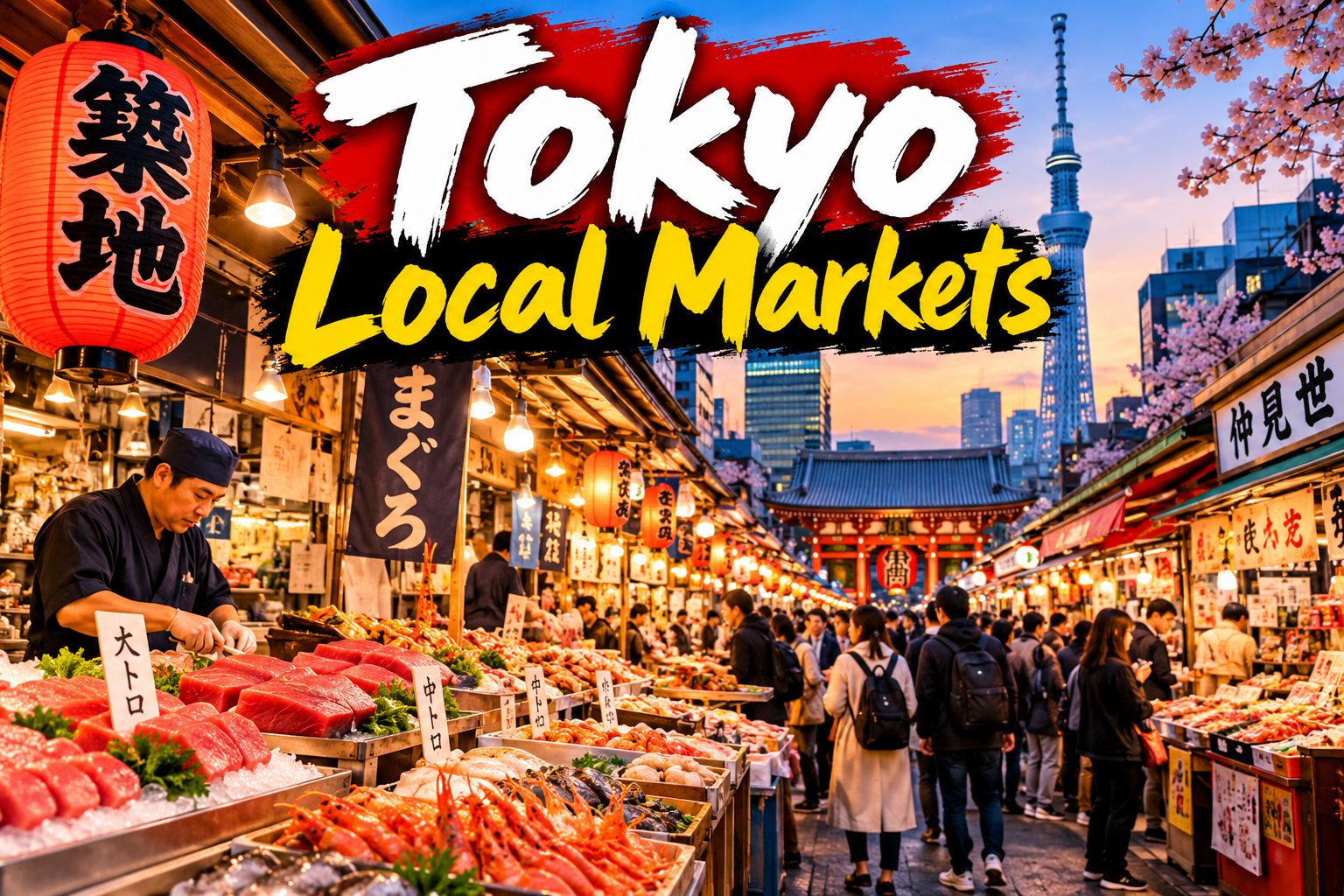
What if the best way to understand Tokyo was not through its famous skyscrapers, luxury shopping centres or crowded tourist attractions, but through the narrow shopping streets where residents buy fresh fish, sample traditional sweets, search for second-hand treasures and catch up with neighbourhood shopkeepers? Tokyo local markets offer a fascinating window into everyday Japanese life, combining fresh food, traditional craftsmanship, affordable shopping and centuries-old commercial traditions. From the seafood stalls around Tsukiji to the bargain-filled lanes of Ameyoko and the nostalgic shopping streets of Yanaka, these markets reveal a more personal side of Japan’s capital.nding Tokyo’s Local Market Culture Tokyo Stationery
What Counts as a Local Market in Tokyo?
The phrase Tokyo local markets covers several different types of commercial spaces. Unlike some cities where a single covered bazaar dominates the shopping scene, Tokyo’s market culture is spread across specialised districts, traditional shopping streets, wholesale areas, independent retailers and temporary community events.
The most useful categories include:
- Food markets: Places to discover seafood, fresh produce, Japanese sweets, pickles, tea and prepared foods.
- Traditional shopping streets: Neighbourhood streets lined with independent shops, small restaurants, bakeries and family-run businesses.
- Wholesale districts: Areas specialising in professional supplies, including kitchenware, restaurant equipment, packaging and ingredients.
- Antique and flea markets: Events and shops offering vintage objects, collectibles, used clothing, ceramics and decorative items.
- Farmers markets: Community-oriented events featuring seasonal produce, regional foods, flowers and artisan products.
- Specialist retail markets: Shopping districts devoted to particular products, from kitchen knives and cooking tools to books and traditional crafts.
These categories often overlap. A single shopping street might contain a vegetable seller, a tea merchant, a family-run confectionery shop and a restaurant that has operated for generations.
That variety is precisely what makes Tokyo’s markets rewarding. Visitors can observe how food, commerce, neighbourhood identity and Japanese traditions interact within a relatively small area.
How Tokyo’s Markets Developed
Tokyo’s commercial history is closely connected to the growth of Edo, the city’s former name. During the Edo period, which lasted from 1603 to 1868, the city developed extensive systems for distributing food and everyday necessities to a large urban population.
Fish, vegetables, rice, household goods and other essential products moved through networks of wholesalers, retailers and specialised trading areas. Waterways, roads and densely populated neighbourhoods helped shape where goods were sold and how businesses developed.
After the Meiji Restoration in 1868, Tokyo continued to modernise. Markets adapted to new transport systems, changing diets, urban expansion and technological improvements in refrigeration and distribution.
The Great Kanto Earthquake of 1923 and the destruction of much of Tokyo during the Second World War also reshaped the city’s commercial landscape. In the post-war period, informal stalls and small retailers helped meet everyday needs during shortages and rebuilding.
Some present-day shopping streets and market districts preserve elements of these earlier traditions, even as they accommodate modern consumers.
The result is a commercial environment where contemporary convenience exists alongside older practices. A visitor might buy a freshly prepared snack with a mobile payment, then enter a family-run shop where the merchandise, display style and personal service feel almost unchanged for decades.
Why Local Markets Matter to Modern Tokyo
Markets do more than sell products. They provide meeting places, support small businesses and preserve knowledge about food preparation, regional ingredients and traditional crafts.
For residents, they can offer practical benefits:
- Access to specialised products that are difficult to find in ordinary supermarkets.
- Opportunities to buy prepared meals and snacks.
- Personal recommendations from experienced shopkeepers.
- A stronger connection to neighbourhood businesses.
- Seasonal products linked to Japanese festivals, harvests and culinary traditions.
For travellers, these same characteristics create opportunities to learn about Tokyo through observation and conversation.
Markets also face challenges. Online shopping, ageing business owners, changing shopping habits and rising operating costs can make it difficult for traditional retailers to survive. Some districts are adapting through tourism, social media, improved facilities and new generations of business owners.
The most interesting markets are therefore not simply relics of the past. They are living commercial communities continually adjusting to a changing city.
15 Best Tokyo Local Markets to Visit
The best market depends on what you want to experience. Seafood lovers should start with Tsukiji, travellers looking for bargains may prefer Ameyoko, and anyone interested in traditional neighbourhood life will enjoy Yanaka Ginza.
1. Tsukiji Outer Market
Best for: Seafood, Japanese food and culinary souvenirs.
Tsukiji is one of Tokyo’s most recognisable food destinations, with shops selling seafood, sushi, Japanese seasonings, kitchenware and prepared snacks. The former central wholesale fish market moved to Toyosu in 2018, but Tsukiji’s outer market remains an important destination for shoppers and visitors.
What to try: Fresh sushi, seafood rice bowls, grilled seafood, tamagoyaki, dried fish and Japanese tea.
Best time: Around 9 am to 11 am for a lively visit, although individual shops have different opening times.
Practical tip: Go hungry, carry some cash and eat in designated areas rather than walking through narrow lanes while eating. Many businesses close earlier than ordinary retail shops.
2. Ameyoko Shopping Street
Best for: Budget shopping and street food.
Located between Ueno and Okachimachi stations, Ameyoko is a lively shopping district with clothing stores, cosmetics, snacks, seafood shops, dried goods and restaurants.
Its energetic atmosphere makes it feel different from Tokyo’s polished department stores. Shopfronts sit close together, vendors display products prominently, and the streets can become crowded during weekends and holiday periods.
What to buy: Japanese snacks, nuts, dried fruit, casual clothing, accessories, cosmetics and selected food products.
Best time: Late morning through afternoon, when many shops are operating.
Practical tip: Compare prices across several stalls, check product quantities and expiry dates, and confirm whether a displayed price applies to one item or a bundle.
3. Yanaka Ginza
Best for: Traditional neighbourhood culture.
Yanaka Ginza is a traditional Japanese shopping street known for independent retailers, prepared foods, sweets, tea and everyday household shopping. It offers a more relaxed alternative to Tokyo’s large commercial centres.
What to try: Japanese croquettes, grilled snacks, traditional sweets and freshly prepared takeaway foods.
What makes it special: The appeal lies in the mix of ordinary local shopping and a nostalgic streetscape. You can browse independent stores while observing how a neighbourhood shopping street serves its community.
Best time: Late morning or early afternoon.
Practical tip: Combine your visit with a walk through Yanaka’s historic lanes. Remember that this is a working neighbourhood, not simply an outdoor attraction.
4. Toyosu Market
Best for: Understanding Tokyo’s seafood supply chain.
Toyosu is the modern wholesale market that replaced the former central wholesale fish market at Tsukiji. It is a particularly interesting destination for visitors who want to understand how large quantities of seafood are distributed to restaurants and retailers.
Public viewing routes, designated observation areas, food businesses and market-related exhibitions offer ways to experience the site without participating in wholesale trading.
What to experience: Seafood-related displays, observation areas, market restaurants and the scale of the wholesale operation.
Best time: Early morning if you want a market-focused visit, while checking the official calendar and access arrangements.
Practical tip: Toyosu is not simply a replacement version of Tsukiji Outer Market. It is a large, modern wholesale complex with different visitor routes, so plan the visit before travelling.
5. Kappabashi Kitchenware Street
Best for: Cooking enthusiasts and practical souvenirs.
Kappabashi is a specialist shopping district between Asakusa and Ueno, renowned for kitchen equipment and restaurant supplies. It is often called Tokyo’s kitchenware street rather than a conventional food market.
What to buy: Japanese kitchen knives, chopsticks, ceramics, serving dishes, cookware, baking equipment, tea utensils and restaurant tools.
Why visit: It gives travellers access to specialist products used in Japanese homes and professional kitchens. Even if you do not cook, the displays of ceramic tableware and realistic food models are worth exploring.
Practical tip: For expensive knives, ask about steel type, sharpening, maintenance, handle material and export or luggage restrictions before buying.
6. Nakamise Shopping Street Tokyo local markets
Best for: Traditional souvenirs and first-time visitors.
Nakamise leads towards Senso-ji Temple and is one of Tokyo’s best-known traditional shopping streets. It features souvenir shops, traditional snacks, fans, ornaments, confectionery and other gift items.
What to buy: Japanese fans, small crafts, decorative accessories, sweets and gifts that are easy to pack.
Why it matters: Nakamise demonstrates how commerce, religious heritage and tourism can coexist in one public space.
Practical tip: Visit early for a calmer walk. Compare prices and craftsmanship before purchasing souvenirs, especially when several shops sell similar designs.
7. Oedo Antique Market Tokyo local markets
Best for: Antiques, vintage objects and collectors.
Oedo Antique Market brings together dealers selling Japanese and international antiques, ceramics, vintage accessories, textiles and decorative objects. The event is held at Tokyo International Forum in central Tokyo, with dates that vary across the calendar.
What to look for: Vintage kimono and obi, pottery, tableware, prints, old accessories and collectible household objects.
Best time: Arrive relatively early for the broadest selection.
Practical tip: Check the event schedule immediately before your visit. Weather can cancel the event, and not every dealer accepts credit cards. Ask about an item’s condition, age and provenance rather than assuming that every old-looking object is a genuine antique.
8. Setagaya Boroichi Market Tokyo local markets
Best for: Seasonal traditions and unusual finds.
Boroichi is a historic market associated with the sale of second-hand and inexpensive goods. Today, its stalls can feature clothing, antiques, household objects, plants, food and miscellaneous everyday products.
The market is particularly notable because it is held on specific winter dates rather than operating as a permanent daily destination. Its traditional dates are December 15–16 and January 15–16, although travellers should verify the latest arrangements.
What to buy: Useful household items, traditional goods, small decorative objects and seasonal food.
Practical tip: Build your itinerary around the confirmed event dates, allow extra time for crowds and wear comfortable shoes.
9. Farmer’s Market @UNU Tokyo local markets
Best for: Fresh produce and small food producers.
This farmers market near United Nations University is known for seasonal vegetables, bread and other foods from producers and independent vendors. It offers a different perspective on Tokyo’s food culture, focusing on sourcing and producers rather than wholesale seafood.
What to buy: Seasonal produce, bread, locally produced food items, snacks and selected handmade products.
Best time: Weekend mornings are a useful starting point; confirm the current event schedule before travelling.
Practical tip: Bring a reusable shopping bag and consider buying something you can eat during your visit. Product selection depends on the season and participating vendors.
10. Tomioka Hachimangu Shrine Antique Market Tokyo local markets
Best for: Browsing antiques in a historic setting.
This shrine-based antique market is an option for visitors interested in old objects, traditional decorative items and the relationship between community events and Japanese religious sites.
What to look for: Small antiques, ceramics, decorative pieces and vintage collectibles.
Why visit: The setting gives the experience a different atmosphere from a modern retail centre. You can explore the stalls and then appreciate the surrounding shrine grounds.
Practical tip: The market follows a recurring Sunday schedule with exceptions, so check the latest listing before setting out.
11. Hills Marche Tokyo local markets
Best for: A relaxed weekend food-shopping experience.
Hills Marche at Ark Hills is a market-style event featuring food and selected speciality products. It is a convenient option for travellers staying in central Tokyo who want to explore a smaller market without committing to a full-day excursion.
What to find: Prepared foods, bread, produce and selected artisan products.
Best time: Saturday morning, subject to the latest schedule.
Practical tip: Pair your visit with nearby Akasaka or Roppongi attractions. Treat it as a short market stop rather than assuming it has the scale of Tsukiji or Ameyoko.
12. Akagi Marche Tokyo local markets
Best for: Handmade gifts and independent artists.
Akagi Marche is an occasional market associated with Akagi Shrine in Kagurazaka. It has been featured in Tokyo tourism guidance as a place to discover artist-made accessories and small Japanese objects.
What to buy: Handmade accessories, small decorative objects and distinctive gifts.
Why visit: It provides a more personal alternative to mass-produced souvenirs and offers a glimpse into Tokyo’s creative community.
Practical tip: Since the market is not necessarily held every weekend, verify the date before travelling. Explore Kagurazaka’s restaurants, narrow lanes and independent shops on the same outing.
13. Hanazono Shrine Antique Market Tokyo local markets
Best for: Vintage discoveries near central Tokyo.
Hanazono Shrine has been listed as a venue for antique-market events, where visitors may encounter prints, old decorative objects, textiles and other collectibles.
What to look for: Vintage Japanese items, decorative art and objects suitable for collectors.
Practical tip: Confirm whether the event is scheduled on your chosen day. A shrine’s regular opening hours do not guarantee that an antique market will be taking place.
14. Takahata Fudoson Gozare-ichi Market Tokyo local markets
Best for: Antiques and a less central excursion.
This market at Takahata Fudoson Temple in western Tokyo is associated with antiques and traditional objects, including old textiles, clocks and toys. Its location makes it an option for visitors who have already explored central Tokyo and want to venture further out.
What to buy: Vintage household objects, old textiles and collectible pieces.
Practical tip: Allow extra time for travel and verify the event date, especially if your accommodation is near central Tokyo.
15. Seasonal Neighbourhood Farmers Markets Tokyo local markets
Best for: Travellers who want to discover everyday Tokyo.
Beyond the famous destinations, Tokyo hosts rotating market events with produce, flowers, baked goods, prepared foods and handmade items. These smaller gatherings may take place in public plazas, community spaces and commercial developments.
What to buy: Seasonal fruit and vegetables, bread, flowers, regional food products and locally made gifts.
Why visit: Smaller markets can provide a closer look at the people and businesses behind the products, although the number of stalls and the range of goods may be limited.
Practical tip: Look for current listings from official tourism organisations and individual market organisers. Confirm the date, venue and weather policy before making a special trip.
Tokyo Local Markets Compared: Which One Should You Choose?
The following comparison helps narrow down the options based on travel style, shopping interests and time available. It compares destinations rather than product brands because each market is a different type of shopping experience.
| Market Tokyo local markets | Best for Tokyo local markets | Typical finds Tokyo local markets | Visit style Tokyo local markets | Schedule Tokyo local markets |
|---|---|---|---|---|
| Tsukiji Outer Market | Food lovers | Seafood, sushi, seasonings | Morning food walk | Many days, shop-dependent |
| Ameyoko | Bargain hunters | Snacks, clothing, cosmetics | Busy street shopping | Most days, shop-dependent |
| Yanaka Ginza | Culture seekers | Snacks, tea, local goods | Relaxed neighbourhood stroll | Shop-dependent |
| Toyosu Market | Seafood enthusiasts | Seafood, market dining | Planned early visit | Wholesale calendar |
| Kappabashi | Home cooks | Knives, ceramics, cookware | Specialist shopping | Shop-dependent |
| Nakamise | First-time visitors | Traditional gifts and sweets | Sightseeing and shopping | Shop-dependent |
| Oedo Antique Market | Collectors | Antiques, textiles, ceramics | Event-based browsing | Selected dates |
| Setagaya Boroichi | Seasonal explorers | Vintage goods, household items | Large street-market event | December and January dates |
| Farmer’s Market @UNU | Food-conscious shoppers | Produce, bread, artisan food | Weekend browsing | Event schedule |
| Tomioka Hachimangu | Antique enthusiasts | Vintage and decorative objects | Shrine-market visit | Selected Sundays |
These are qualitative comparisons, not official rankings. Opening days, vendor participation and product availability can change.
What to Eat at Tokyo Local Markets
One of the most rewarding parts of exploring Tokyo’s markets is discovering foods that are part of everyday Japanese life. Rather than ordering a full meal in one restaurant, you can sample several small dishes and compare flavours, cooking styles and regional ingredients.
Sushi and Seafood Rice Bowls Tokyo local markets
Tsukiji is an excellent starting point for seafood enthusiasts. Depending on the shop, you may find sushi, sashimi, seafood rice bowls and grilled shellfish.
A kaisendon is a bowl of rice topped with assorted seafood. It can be a useful choice if you want to sample several ingredients in one dish. Tuna, salmon, shrimp and fish roe are common examples, although the exact selection varies.
At Toyosu, the experience is more closely connected to the wholesale seafood system and market-related dining. Visitors should distinguish between the professional trading operation and the public-facing restaurants and observation areas.
A useful tip: Freshness is important, but a busy market is not an automatic guarantee of quality. Choose established vendors, observe food-handling practices and follow any storage advice if purchasing seafood to take away.
Tamagoyaki: Japanese Rolled Omelette Tokyo local markets
Tamagoyaki is made by cooking layers of seasoned egg and rolling them into a compact shape. Depending on the recipe, it may be slightly sweet, savoury or somewhere in between.
At Tsukiji, tamagoyaki is a well-known market snack. It is particularly convenient for travellers who want to taste something Japanese without ordering a large meal.
Different shops use different proportions of eggs, seasoning and cooking liquid. Comparing two versions can reveal how a relatively simple dish expresses the style of its maker.
Japanese Street Snacks Tokyo local markets
Tokyo’s local shopping streets offer plenty of small snacks worth trying.
- Korokke: Japanese croquettes, often made with potato or meat and coated in breadcrumbs.
- Taiyaki: Fish-shaped cakes commonly filled with sweet red bean paste or other fillings.
- Dango: Chewy rice dumplings served on skewers, sometimes with sweet soy glaze.
- Senbei: Rice crackers available in many flavours and textures.
- Wagashi: Traditional Japanese sweets, often designed around seasonal ingredients or motifs.
- Yakitori: Grilled chicken skewers sold at selected food stalls and restaurants.
Yanaka Ginza is especially suitable for browsing prepared snacks, while Nakamise offers traditional sweets and souvenirs in a major sightseeing setting.
Remember that not every market sells all these foods, and some vendors operate seasonally.
Japanese Tea, Seasonings and Dried Goods Tokyo local markets
Markets can be particularly useful for travellers interested in taking Japanese flavours home.
Look for:
- Matcha and other Japanese teas.
- Furikake, a seasoning sprinkled over rice.
- Dried seaweed and seaweed-based products.
- Dried fish and bonito flakes.
- Japanese pickles.
- Miso and other packaged seasonings.
- Regional sweets and packaged snacks.
Read ingredient labels if you have allergies or dietary restrictions. Fish, soy, sesame, shellfish and other allergens may be present in packaged or prepared foods.
For international travellers, packaged products are generally easier to transport than fresh foods, but import rules differ by destination. Check the rules of your home country before buying meat, seafood, plants or other restricted products.
Shopping at Tokyo Markets: What Is Worth Buying?
Tokyo’s markets offer more than food. Some of the most useful purchases are everyday objects that combine practical design with Japanese craftsmanship.
Japanese Kitchen Knives Tokyo local markets
Kappabashi is a strong destination for visitors interested in Japanese knives. The district serves both professional food businesses and home cooks.
Before buying, consider:
- Blade steel and maintenance requirements.
- Knife length and intended use.
- Whether the knife is suitable for your experience level.
- Handle comfort and balance.
- Sharpening services and care instructions.
- Airline baggage rules and destination-country restrictions.
An expensive knife is not necessarily the right knife for every buyer. A beginner may benefit more from a versatile, easy-to-maintain model than from a specialist blade requiring extensive care.
Ceramics and Tableware Tokyo local markets
Japanese bowls, cups, plates and serving dishes can make memorable souvenirs.
Kappabashi offers many options designed for restaurants and home kitchens, while antique markets may provide vintage ceramics and older tableware.
Inspect items for chips, cracks and repairs. Ask about packaging if you plan to place fragile items in checked luggage.
Vintage Textiles and Kimono Accessories Tokyo local markets
Antique and flea markets may carry kimono, obi belts, fabric remnants and traditional accessories.
These purchases can be appealing because they combine decorative value with the history of Japanese clothing. However, condition varies considerably.
Check for staining, fading, damage and storage odours. If a seller describes an item as antique or historically significant, ask what supports that description.
Handmade Gifts and Small Crafts Tokyo local markets
Occasional markets such as Akagi Marche provide opportunities to discover work by independent artists and makers. Handmade products may include accessories, small decorative objects and gifts.
The value of such purchases is not always measured by price. Buying directly from a maker can offer an opportunity to learn about the materials, production process and inspiration behind an object.
Japanese Snacks and Packaged Souvenirs Tokyo local markets
For gifts, packaged snacks are often more practical than fresh market food.
Consider rice crackers, sweets, tea, confectionery and regional specialities. Check best-before dates, ingredient lists and packaging integrity.
If you are buying gifts for several people, calculate the total cost rather than focusing on the price of a single packet.
The Best Time to Visit Tokyo Local Markets
Timing can make the difference between a relaxed market visit and a frustrating experience.
Early Morning: Best for Seafood and Market Atmosphere Tokyo local markets
Early morning is especially useful for travellers interested in seafood markets and wholesale operations.
At Tsukiji, many shops are geared towards food professionals, while public visitors are generally encouraged to explore later in the morning. Around 9 am to 1 pm can be a useful window for visiting the outer market, although opening times differ by business.
Toyosu requires a different approach because it is a modern wholesale complex with designated public viewing areas and its own operating calendar.
Do not assume that every business opens at the same time or that the earliest possible arrival guarantees the best visitor experience.
Late Morning: Best for First-Time Visitors Tokyo local markets
For many travellers, late morning is a practical compromise.
You can reach the market after public transport begins operating normally, find many retail shops open and enjoy breakfast or an early lunch.
This is a particularly useful approach for Tsukiji, Ameyoko and Yanaka Ginza, although opening hours vary by business.
Afternoon: Best for Leisurely Shopping Tokyo local markets
Afternoon visits suit travellers who want to browse at a relaxed pace, compare merchandise or combine shopping with nearby attractions.
However, traditional markets are not equivalent to large shopping malls. Some food vendors close after lunch, and some independent retailers observe weekly closing days.
For this reason, do not schedule an afternoon visit to a specialist market without checking whether the shops you want to see will be open.
Weekends: Best for Selected Farmers and Antique Markets Tokyo local markets
Weekend markets can provide access to specialist vendors, independent producers and temporary events.
Farmers markets and antique markets may operate on selected weekends. The Oedo Antique Market follows a date-specific schedule, and weather can affect whether it operates.
The trade-off is crowding. Arriving early can help you browse popular stalls before the busiest period.
Seasonal Considerations Tokyo local markets
Tokyo’s markets change with the seasons.
- Spring: Flowers, fresh seasonal produce and comfortable walking weather.
- Summer: Heat, humidity and a greater need for water, shade and food-safety awareness.
- Autumn: Seasonal produce and favourable conditions for exploring shopping streets.
- Winter: Seasonal foods, holiday shopping and selected winter market events.
These are broad travel considerations rather than guarantees about a particular stall’s inventory. Always check local conditions and event dates.
How to Reach Tokyo’s Markets by Public Transport
Tokyo’s rail network makes many market districts relatively easy to reach, but a little route planning saves time.
| Market Tokyo local markets | Useful station or area Tokyo local markets | Planning consideration Tokyo local markets |
|---|---|---|
| Tsukiji Outer Market | Tsukiji or Tsukijishijo | Both stations are close to the market |
| Ameyoko | Ueno or Okachimachi | Several rail lines serve the area |
| Yanaka Ginza | Nippori or Sendagi | Expect a short walk through neighbourhood streets |
| Toyosu Market | Shijō-mae | Follow designated visitor routes |
| Kappabashi | Tawaramachi or Iriya | The shopping district involves walking between stores |
| Nakamise | Asakusa | Convenient for Senso-ji Temple |
| Oedo Antique Market | Yurakucho or Tokyo | Confirm the event location and date |
| Setagaya Boroichi | Kamimachi or nearby Setagaya-area stops | Expect crowds during market dates |
| Farmer’s Market @UNU | Omotesando or Shibuya | Confirm the current venue and schedule |
| Tomioka Hachimangu | Monzen-nakacho | Check the antique market’s event calendar |
These are useful orientation points, not turn-by-turn directions. Check a current transit map before travelling, particularly if you have luggage or need step-free access.
Should You Use a Taxi?
A taxi can be useful if you are carrying heavy purchases, travelling with young children or visiting a location outside central Tokyo.
However, Tokyo’s road traffic can make taxis slower or more expensive than rail for certain journeys. Rail is usually a practical default for central market districts.
For bulky purchases, check whether a shop offers delivery or whether your accommodation can receive a parcel. This may be easier than carrying kitchenware or multiple shopping bags across the city.
How Much Money Should You Budget?
There is no single reliable price for visiting Tokyo’s local markets because costs depend on the market, vendor, product, season and portion size.
A visitor buying one snack and browsing the stalls may spend very little. Someone ordering seafood, purchasing kitchen knives and buying vintage goods can spend considerably more.
A useful budget separates food, souvenirs, transport and unexpected purchases.
| Spending category Tokyo local markets | Budgeting approach Tokyo local markets | Ways to control costs Tokyo local markets |
|---|---|---|
| Street food | Set a limit for tasting several items | Share larger portions where appropriate |
| Seafood meal | Compare menus and portion sizes | Check prices before ordering |
| Small souvenirs | Decide a total gift budget | Compare similar items across shops |
| Kitchenware | Research the product before travelling | Set a maximum price and ask about care |
| Antiques | Establish a limit for each purchase | Inspect condition and avoid rushed decisions |
| Transport | Plan nearby stops together | Use rail when practical |
| Extra purchases | Keep a small contingency | Wait before buying expensive items |
A Simple Market-Day Budget Method Tokyo local markets
Before leaving your accommodation, divide your planned spending into three categories:
- Food: Money reserved for breakfast, snacks and a possible lunch.
- Shopping: A set amount for gifts, household products or collectibles.
- Transport and contingency: Funds for getting around and handling unexpected costs.
This approach is more reliable than assuming every market is cheap.
A wholesale district may offer competitive prices on certain items but not necessarily on every product. Similarly, a popular tourist shopping street may charge more for some souvenirs while offering convenient access and a wide selection.
A One-Day Tokyo Local Markets Itinerary
If you have one full day to explore Tokyo’s markets, the most important decision is not how many markets you can visit. It is how to combine places that match your interests without spending the whole day travelling.
Morning: Tsukiji Outer Market Tokyo local markets
Start with breakfast at Tsukiji. Browse the food stalls, try a small number of Japanese specialities and explore shops selling ingredients, seasonings and kitchenware.
Allow approximately two hours if you want to eat and browse without rushing. Add more time if you plan to visit several food businesses.
Late Morning: Kappabashi Kitchenware Street Tokyo local markets
Continue towards Kappabashi if kitchenware, ceramics or Japanese cooking tools interest you.
This stop complements Tsukiji because it shifts the focus from ingredients to the tools used to prepare and serve food.
If kitchenware is not your priority, skip this stop rather than forcing it into the itinerary.
Afternoon: Choose One Shopping District Tokyo local markets
Pick Ameyoko if you want lively street shopping and a broad range of goods. Choose Yanaka Ginza if you prefer independent shops, traditional snacks and a quieter neighbourhood atmosphere.
Trying to visit both in a short afternoon is possible, but it may reduce the time available to enjoy either district.
Evening: Enjoy a Neighbourhood Meal Tokyo local markets
Finish the day with a meal in the district that best suits your interests. You could choose a Japanese set meal, a noodle restaurant or another local dining option.
Check closing times in advance. Many traditional markets are not designed as evening destinations, and the most interesting food stalls may have closed long before dinner.
An Alternative Itinerary for Antique Lovers Tokyo local markets
If your main interest is vintage shopping, replace the food-market itinerary with a confirmed antique-market event.
Plan your day around Oedo Antique Market or another scheduled market, then explore nearby shops and cafés. Event dates should determine the itinerary rather than the other way around.
Tokyo Local Markets for Different Types of Travellers
Not every market is suitable for every visitor. Choosing based on your interests, mobility, budget and available time makes the experience more rewarding.
Best Tokyo Markets for Families with Children Tokyo local markets
For families, a good market visit should offer manageable walking distances, interesting food and opportunities to take breaks.
Recommended options: Nakamise, Ameyoko and selected sections of Tsukiji Outer Market.
Nakamise combines shopping with the opportunity to visit Senso-ji Temple. Ameyoko offers visual variety and a busy atmosphere, while Tsukiji can introduce children to Japanese food and ingredients.
Families should consider the following:
- Visit earlier in the day before crowds become overwhelming.
- Avoid narrow, congested lanes with strollers during busy periods.
- Check seating and toilet availability before arriving.
- Carry water and snacks for children with dietary requirements.
- Keep children close around roads, bicycles and crowded shop entrances.
Food markets can contain raw seafood, hot grills and allergens, so supervise children and check ingredients carefully.
Best Tokyo Markets for Budget Travellers
Ameyoko and traditional shopping streets are useful starting points for travellers who want to explore without spending heavily.
The key is to separate the cost of browsing from the cost of shopping. You can enjoy the atmosphere of a market without buying anything.
Budget-conscious visitors should:
- Compare several shops before purchasing.
- Look for inexpensive snacks instead of committing to a large restaurant meal.
- Set a spending limit before entering popular souvenir stores.
- Use public transport where practical.
- Prioritise experiences that are distinctive to Tokyo rather than buying generic souvenirs.
A low-cost day can include a walk through a traditional shopping street, a small snack and time spent observing local businesses.
Best Markets for Food Lovers Tokyo local markets
Tsukiji Outer Market is an excellent first choice for culinary exploration. Toyosu is more appropriate for those interested in wholesale seafood and the way Tokyo’s food supply system operates.
Farmers markets provide another perspective, introducing visitors to seasonal ingredients, small producers and prepared foods.
For food lovers, the most useful approach is to research a few dishes before arriving. Learning what tamagoyaki, kaisendon or wagashi are makes it easier to recognise interesting options.
However, avoid planning every meal around famous dishes. Some of the most rewarding discoveries are everyday foods that do not appear prominently in travel guides.
Best Markets for Photographers Tokyo local markets
Tokyo’s markets provide visual contrasts between traditional shopfronts, modern signage, food displays, narrow lanes and busy pedestrian streets.
Yanaka Ginza is appealing for neighbourhood scenes, while Ameyoko offers dense commercial activity. Tsukiji is particularly interesting for food photography, subject to the rules of individual businesses.
Photographers should:
- Ask permission before photographing vendors or customers closely.
- Avoid blocking shop entrances or pedestrian routes.
- Respect notices prohibiting photography.
- Never photograph people in sensitive situations without permission.
- Avoid using flash in ways that disturb businesses or customers.
At antique markets, check the organiser’s photography rules. Visitors should obtain permission from subjects or the relevant owner before photographing or filming them.
Best Markets for Older Travellers and Visitors with Limited Mobility
Accessibility varies considerably between modern facilities, traditional shopping streets and temporary outdoor markets.
Toyosu has designated visitor facilities, while Tsukiji and some older shopping streets have narrow or crowded sections. Market conditions can also change according to the time of day.
For a more comfortable experience:
- Check station elevators and step-free routes before travelling.
- Look for accessible toilets and nearby places to sit.
- Avoid the busiest periods if standing for long periods is difficult.
- Contact venues about wheelchair access and temporary event arrangements.
- Consider visiting one market thoroughly rather than rushing between several.
A modern market complex may offer more predictable facilities, but this should not be taken as a guarantee that every shop or route is accessible.
Best Markets for Solo Travellers Tokyo local markets
Solo travellers have the freedom to explore at their own pace, sample small dishes and change plans whenever something interesting appears.
Tsukiji, Ameyoko and Yanaka Ginza are useful starting points because each offers a different experience.
For a smoother visit, keep valuables secure, check your route before entering crowded lanes and avoid carrying more shopping bags than you can comfortably manage.
Solo travel can also make it easier to focus on small details: a shopkeeper preparing food, the arrangement of seasonal products or the difference between two varieties of tea.
Best Markets for Collectors and Design Enthusiasts Tokyo local markets
Oedo Antique Market, Setagaya Boroichi and selected shrine-based antique markets are worth considering.
Collectors should distinguish between a product’s age, condition, rarity and decorative appeal. These factors are not interchangeable.
A vintage item may be attractive without being particularly rare. An expensive object may have repairs or damage that reduce its value. A seller’s description should be treated as information to evaluate, not independent proof of authenticity.
For serious purchases, research the category beforehand and request documentation where appropriate.
Common Mistakes to Avoid at Tokyo Local Markets
Mistake 1: Assuming Every Market Opens Daily Tokyo local markets
Permanent shopping streets, specialist retail districts and temporary flea markets have different schedules.
A traveller who arrives expecting a monthly antique event to operate like a daily shopping street may find an empty venue.
Solution: Check the event organiser’s official calendar and confirm that the market is operating on your chosen date.
Mistake 2: Confusing Tsukiji with Toyosu Tokyo local markets
The former central wholesale fish market moved to Toyosu in 2018. Tsukiji Outer Market remains a popular destination, but the two locations serve different purposes.
Solution: Choose Tsukiji for a traditional market-street experience and food browsing. Choose Toyosu if you want to understand the modern wholesale operation and its public visitor facilities.
If you want to visit both, allow sufficient time for transport and check each location’s opening arrangements.
Mistake 3: Expecting Every Market to Be Cheap Tokyo local markets
Market prices depend on the product, seller, location and quality. Some items are good value, while others may be priced for tourists or collectors.
Solution: Compare prices, check quantities and set a budget. Avoid buying an expensive item simply because it is described as a special market bargain.
Mistake 4: Arriving Too Late at Food Markets Tokyo local markets
Some vendors sell out of popular products or close after the main morning trading period.
Solution: Visit food markets in the morning and confirm the opening times of the specific businesses you want to see.
Mistake 5: Carrying Large Suitcases Through Crowded Lanes Tokyo local markets
Narrow streets become uncomfortable when visitors bring bulky luggage. It can also obstruct other shoppers.
Solution: Leave large bags at your accommodation or use suitable luggage storage facilities where available. Bring a small day bag for purchases.
Mistake 6: Eating While Walking Through Crowded Areas Tokyo local markets
Eating while moving through a busy market can create hygiene problems and obstruct pedestrians.
Solution: Follow local instructions, use designated eating areas or eat where the vendor permits. Dispose of rubbish according to the venue’s rules.
Mistake 7: Assuming Every Vendor Accepts Cards Tokyo local markets
Payment options vary. Even in a technologically advanced city, an independent retailer or temporary market stall may prefer cash.
Solution: Carry a reasonable amount of Japanese yen and keep a backup payment option. Ask about accepted methods before ordering or making a purchase.
Mistake 8: Ignoring Food Allergies and Dietary Requirements Tokyo local markets
Market food can contain unexpected ingredients, and English-language ingredient information may not always be available.
Solution: Research common ingredients, carry an appropriate allergy card in Japanese if necessary, and ask before eating. Do not rely on appearance alone to determine whether a food is suitable.
Mistake 9: Photographing People Without Considering Privacy Tokyo local markets
A crowded market may look like an ideal photographic setting, but vendors and shoppers have legitimate privacy expectations.
Solution: Ask permission for close-up photographs, respect signs and never assume that a public location automatically permits every kind of photography.
Mistake 10: Buying Fragile or Restricted Products Without Planning Tokyo local markets
Ceramics, knives, fresh food and certain antiques can create transport or customs complications.
Solution: Check packaging, baggage rules and the import requirements of your destination before paying. For valuable antiques, ask for documentation and verify any applicable export restrictions.
The Advantages and Disadvantages of Shopping at Tokyo Markets
Tokyo’s markets provide a distinctive shopping experience, but they are not always the most convenient option for every purchase.
| Advantages Tokyo local markets | Disadvantages Tokyo local markets |
|---|---|
| Opportunities to discover specialist products | Opening hours can vary widely |
| Access to traditional foods and regional ingredients | Popular areas may become crowded |
| Personal interaction with independent sellers | Language barriers can affect communication |
| Interesting alternatives to large retail chains | Product quality and prices vary |
| Opportunities to learn about local culture | Temporary markets can be cancelled |
| Distinctive gifts and vintage finds | Fragile goods may be difficult to transport |
| Access to seasonal foods and handmade items | Some vendors may accept cash only |
Are Tokyo Local Markets Better Than Shopping Malls?
Neither option is universally better.
Shopping malls are usually more predictable. They provide consolidated retail choices, clear facilities and convenient indoor environments.
Markets offer a different kind of value. They can provide specialist products, direct interaction with sellers, regional foods and an atmosphere that reflects the character of a particular neighbourhood.
For practical purchases with standard specifications, a conventional retailer may be easier. For discovering a Japanese snack, examining handmade ceramics or browsing vintage textiles, a market can offer a more memorable experience.
The strongest travel plan combines both rather than treating them as competitors.
How Tokyo’s Local Markets Are Changing
Tokyo’s markets are adapting to demographic, technological and economic changes. These developments affect both traditional retailers and the visitors who depend on them.
Digital Payments and Online Discovery Tokyo local markets
Digital maps, social media and online reviews make it easier to discover smaller shops and market events.
Visitors can now research products before travelling, identify specialist retailers and check schedules on their phones. Digital payments may also make transactions easier where supported.
However, online information is not always current. A market may appear in an old travel article even after its schedule or venue has changed.
What this means for travellers: Use online discovery tools to identify options, but confirm essential details with the market organiser or individual business.
Greater Interest in Food Origins Tokyo local markets
Many travellers want to understand where ingredients come from, how they are prepared and why certain foods matter in Japanese culture.
Markets can respond by providing clearer product information, highlighting seasonal ingredients and offering educational experiences.
Farmers markets are particularly well suited to connecting producers and consumers. Wholesale seafood markets can also help explain the relationship between distribution systems and the restaurants that serve visitors.
The Role of Tourism Tokyo local markets
International tourism can support traditional businesses by introducing their products to new customers.
At the same time, excessive crowding can affect residents and shopkeepers. Streets designed for everyday shopping may become difficult to navigate when large numbers of visitors stop for photographs or food.
The challenge is to make markets welcoming without turning every commercial space into a tourist-only attraction.
Responsible visitors can help by buying from local businesses, following pedestrian instructions, keeping noise levels reasonable and respecting residents’ privacy.
The Challenge of Preserving Traditional Shopping Streets Tokyo local markets
Traditional Japanese shopping streets, known as shotengai, face pressure from changing shopping habits, competition from larger retailers and the ageing of some business owners.
Yanaka Ginza demonstrates that a traditional shopping street can remain attractive by balancing everyday services with distinctive local character.
The future of these places depends partly on whether they continue serving residents while adapting to changing customer needs.
New businesses, younger owners, community events and thoughtful tourism may help, but there is no single solution that guarantees success.
Sustainability and Reduced Packaging Tokyo local markets
Markets have opportunities to reduce waste by encouraging reusable bags, using appropriate packaging and helping shoppers buy only what they need.
Travellers can contribute by bringing reusable shopping bags, refusing unnecessary packaging when appropriate and avoiding purchases that are likely to be discarded after the trip.
Food safety must remain a priority, however. Reducing packaging should never mean compromising proper storage, cleanliness or protection for perishable products.
The Future of Tokyo Local Markets: What Travellers Can Expect
The future is likely to be a mixture of continuity and change rather than a complete transformation.
Several developments are worth watching.
More Curated Market Experiences Tokyo local markets
Some markets may increasingly emphasise carefully selected vendors, regional specialities and educational experiences. This could help visitors understand what distinguishes one market from another.
The benefit is a more focused experience. The risk is that a market becomes less representative of ordinary local commerce if it caters exclusively to visitors.
Stronger Digital Information Tokyo local markets
Clearer online schedules, multilingual information and digital maps could reduce uncertainty for international visitors.
This is particularly important for temporary markets, where the cost of arriving on the wrong day can be high.
Greater Emphasis on Local Identity Tokyo local markets
Markets may increasingly highlight the history of their neighbourhoods, the stories of independent businesses and the cultural significance of traditional foods.
This could help preserve knowledge that might otherwise disappear as older businesses close or change ownership.
Continued Tension Between Popularity and Daily Life Tokyo local markets
The most successful markets may attract increasing visitor numbers. Managing those crowds without disrupting ordinary commerce will remain important.
Visitors can contribute by spreading their spending across multiple districts, avoiding unnecessary obstruction and exploring less crowded areas when appropriate.
These are informed expectations rather than guarantees. Individual markets will respond differently depending on their owners, local communities and operating conditions.
FAQs
What Is the Best Local Market in Tokyo for First-Time Visitors?
Tsukiji Outer Market is an excellent starting point for food lovers, while Ameyoko is suitable for travellers interested in shopping and street food. Yanaka Ginza is a strong choice for a traditional neighbourhood atmosphere.
The best option depends on whether your priority is food, bargains, cultural experiences or specialist products.
Are Tokyo Local Markets Expensive?
Not necessarily. Some markets offer affordable snacks and everyday goods, while specialist kitchenware shops and antique dealers may sell expensive products.
Compare prices and decide your budget before shopping. Remember that browsing a market can be enjoyable even if you do not purchase anything.
Is Tsukiji Fish Market Still Open?
The former central wholesale fish market moved to Toyosu in 2018. However, Tsukiji Outer Market remains open as a food and shopping destination, with seafood retailers, restaurants, prepared foods and kitchenware shops.
Is Toyosu Market Worth Visiting?
Yes, especially if you are interested in seafood distribution, market operations and the modern infrastructure behind Tokyo’s food supply.
It offers a different experience from Tsukiji, so choose according to your interests and check the current visitor information before travelling.
Which Tokyo Markets Are Best for Souvenirs?
Nakamise is convenient for traditional gifts and sweets. Kappabashi is ideal for kitchenware and ceramics, while Oedo Antique Market may appeal to collectors seeking vintage objects.
For handmade gifts, investigate scheduled artisan markets such as Akagi Marche.
Can Tourists Bargain at Tokyo Local Markets?
Bargaining is not a universal practice in Japan. Prices at established shops are generally fixed, although practices may vary at flea markets and individual stalls.
Ask politely whether a price is negotiable rather than assuming a discount is available. Avoid pressuring sellers, particularly over inexpensive products.
Do Tokyo Markets Accept Credit Cards?
Some do, but payment methods vary by business. Cash remains useful for independent retailers and temporary market stalls.
Check before making a purchase and carry a reasonable amount of Japanese yen.
What Should I Wear When Visiting Tokyo’s Markets?
Comfortable walking shoes and weather-appropriate clothing are the most important considerations. Summer visitors should prepare for heat and humidity, while winter visitors may need warm layers.
For markets with narrow lanes, lightweight bags are generally more practical than bulky backpacks or suitcases.
Are Tokyo Markets Suitable for Vegetarian Travellers?
Yes, but food selection and ingredient transparency vary. Markets sell vegetables, fruit, sweets, tea and other products that may suit vegetarian diets.
Be careful with broths, sauces, bonito flakes, fish-based seasonings and hidden animal-derived ingredients. Ask vendors about ingredients rather than assuming a dish is vegetarian because it contains vegetables.
Can I Visit Tokyo Local Markets on a Rainy Day?
Permanent covered shopping areas may remain convenient in wet weather, but outdoor markets can become uncomfortable or be cancelled.
Oedo Antique Market, for example, may be cancelled because of rain. Always check the organiser’s latest announcement before travelling.
What Is the Best Tokyo Market for Antiques?
Oedo Antique Market is a leading option for visitors interested in Japanese and international antiques. Setagaya Boroichi and selected shrine-based markets provide additional opportunities to browse older and second-hand objects.
Check the schedule, inspect items carefully and verify provenance for expensive purchases.
How Many Tokyo Markets Can I Visit in One Day?
Two or three well-chosen destinations can make a rewarding day, especially if they are reasonably convenient to reach.
A food-focused itinerary might combine Tsukiji and Kappabashi. A shopping-focused day could feature Ameyoko and Yanaka Ginza. A temporary antique market may deserve most of the morning on its own.
Are Tokyo Local Markets Good for Children?
Many are, particularly markets with food, sweets and interesting shop displays. However, crowded lanes, hot food and uneven walking conditions require care.
Visit at a quieter time where possible, keep children close and check seating and toilet facilities.
Are Local Markets Open on Sundays?
Some are, but there is no universal schedule. Shopping streets may have different opening patterns, and certain wholesale businesses follow their own calendars.
Farmers markets and antique markets may operate on selected weekends. Confirm the individual venue’s schedule before setting off.
Can International Visitors Take Market Purchases Home?
Many packaged foods, ceramics, textiles and other souvenirs are straightforward to transport, but restrictions vary by destination.
Fresh food, meat, seafood, plants, wildlife-derived products and certain antiques may be subject to customs, quarantine or export rules. Check the relevant official requirements before purchasing restricted items.
Conclusion
Tokyo local markets reveal a side of Japan’s capital that can be missed when an itinerary focuses only on famous landmarks, shopping malls and major tourist attractions. From the food stalls of Tsukiji to the specialist shops of Kappabashi, the energetic streets of Ameyoko and the traditional atmosphere of Yanaka Ginza, each destination offers a different way to understand the city’s food, commerce and neighbourhood culture. The best experience comes from choosing markets that suit your interests, respecting local customs and allowing enough time to explore without rushing.