Tokyo Design: 25 Inspiring Japanese Design Ideas, Architecture Trends, and Creative Places to Explore
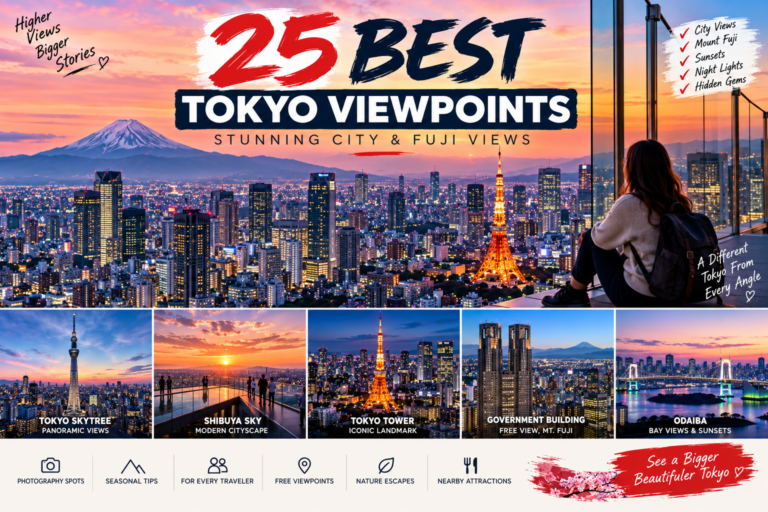
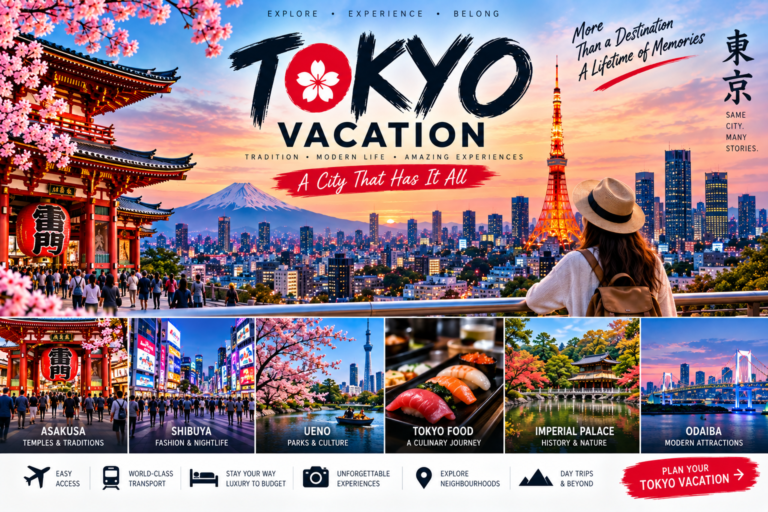
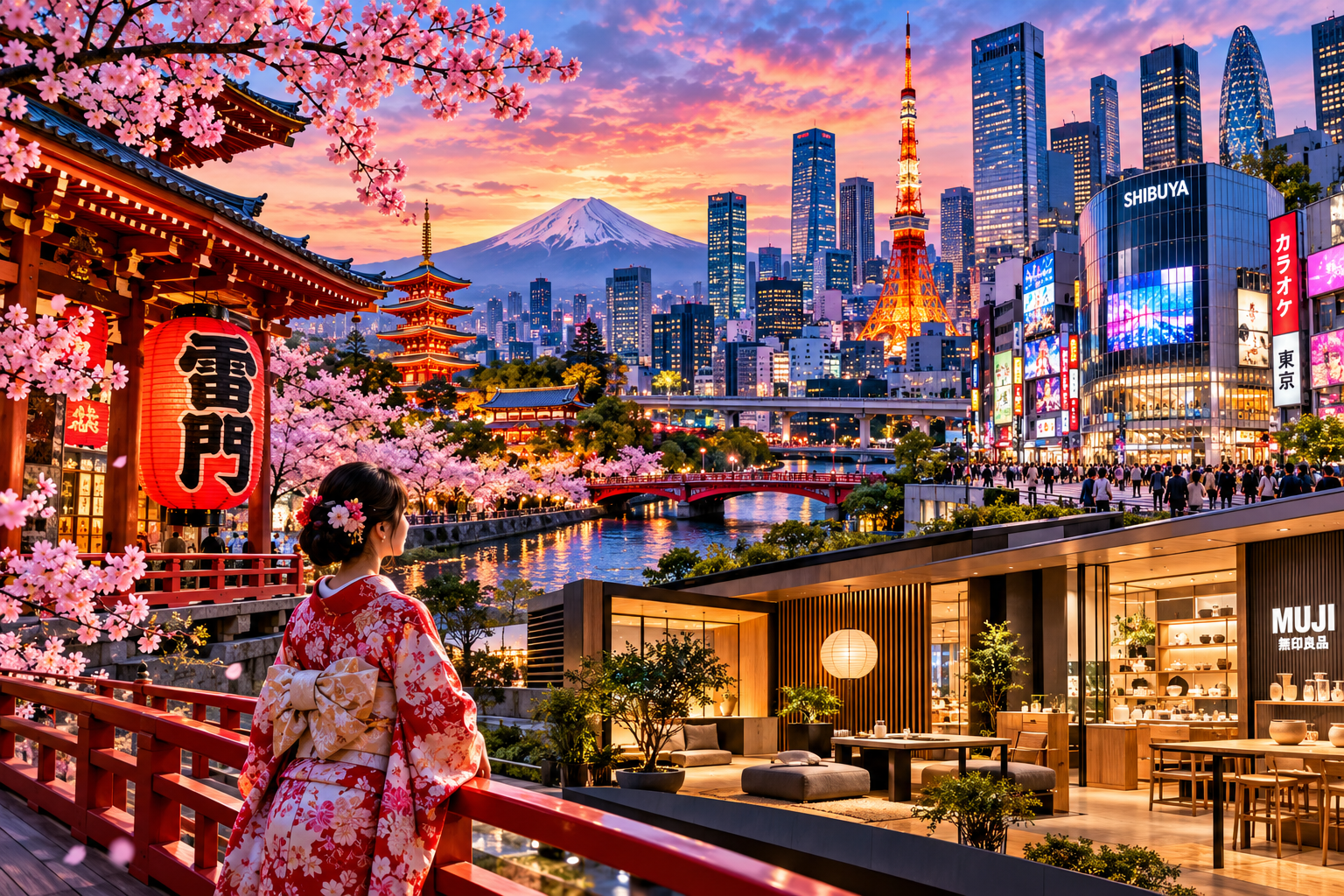
What makes Tokyo one of the world’s most fascinating cities for design? It is the way an ancient wooden house, a futuristic skyscraper, a beautifully packaged snack, and a minimalist clothing store can exist within the same urban landscape without feeling entirely disconnected. Tokyo design combines Japanese traditions, thoughtful functionality, contemporary technology, and creative experimentation to produce environments, products, buildings, and visual experiences that feel distinctive. From minimalist interiors and innovative architecture to fashion, typography, digital experiences, and everyday objects, Tokyo offers a rich introduction to how design can influence modern life Tokyo Skyline
What Is Tokyo Design?
Tokyo design refers to the wide range of visual, spatial, material, and digital design practices found in Japan’s capital. It includes traditional craftsmanship, contemporary architecture, commercial interiors, fashion, urban planning, packaging, product development, and interactive technology.
There is no single style that defines every designer or business in Tokyo. Instead, the city provides an environment in which several design philosophies coexist.
The Influence of Japanese Aesthetics
Japanese aesthetics have influenced designers around the world, particularly through ideas about simplicity, natural materials, craftsmanship, and the relationship between objects and their surroundings.
One frequently discussed concept is wabi-sabi, an appreciation of imperfection, impermanence, and the character of materials as they age. In design, this may appear in handmade ceramics, weathered timber, irregular surfaces, or objects that develop a distinctive appearance through use.
Another relevant concept is ma, which concerns the space or interval between things. In architecture and interiors, empty space can be as important as the objects occupying it.
A room does not necessarily need more furniture to feel complete. Carefully positioning a few pieces and allowing light to move through the space can create a more balanced environment.
These concepts should not be treated as universal rules followed by every Japanese designer. They are cultural and aesthetic ideas that help explain some of the influences visible in Tokyo’s design landscape.
Simplicity and Functionality
Many Japanese products and interiors demonstrate a strong relationship between appearance and practical use.
A storage cabinet may have clean lines because unnecessary ornament would make it visually distracting. A kitchen tool may be designed to fit comfortably in the hand. A public sign may use a clear visual hierarchy to communicate information quickly.
In these examples, simplicity is not merely about removing decoration. It is about understanding what an object or environment needs to accomplish.
A minimalist design that looks attractive but is difficult to use is not necessarily good design.
Tradition and Modern Innovation
Tokyo’s design culture draws on both traditional techniques and contemporary production methods.
Woodworking, ceramics, textiles, metalwork, paper crafts, and other established practices continue to influence modern products. At the same time, designers use digital modelling, advanced manufacturing, interactive systems, and new materials to explore different possibilities.
The result is not simply a modern interpretation of the past. It is an ongoing exchange between inherited knowledge and changing needs.
Why Tokyo Design Matters Globally
Tokyo offers practical lessons for designers working in cities around the world.
Its dense neighbourhoods demonstrate the importance of efficient space planning. Its transport systems show how visual communication supports movement. Its retail environments reveal how lighting, materials, and product presentation shape customer experiences.
Japanese product design also demonstrates that everyday objects can be useful, durable, and visually distinctive without relying on excessive decoration.
For international designers, Tokyo is therefore a source of ideas rather than a style that must be copied exactly.
How to Apply Tokyo Design Principles at Home
You do not need to live in Japan or own a large property to benefit from Tokyo’s design ideas. Many of the most useful principles concern organisation, proportion, materials, light, and the relationship between objects and everyday activities.
Step 1: Understand How You Use Your Space
Before changing a room, observe how you use it throughout the day.
Ask yourself:
- Where do you work, relax, eat, and sleep?
- Which items do you use every day?
- Where does clutter accumulate?
- Which areas feel dark or difficult to move through?
- What activities require more space than they currently have?
These observations provide a better starting point than purchasing furniture simply because it looks Japanese.
Step 2: Remove Obstacles Before Buying Storage
An uncluttered space does not require expensive organisers.
Begin by identifying objects that are no longer useful, then arrange the remaining items according to how frequently they are used.
Keep daily essentials easy to reach. Place occasional-use objects in less accessible storage, and avoid filling every empty surface.
The goal is not to remove all personal possessions. It is to make the things you keep easier to use and maintain.
Step 3: Create a Clear Furniture Layout
Draw a simple plan of the room, including doors, windows, radiators, and other fixed features.
Then position the largest pieces first, ensuring that the layout supports natural movement.
In a compact living room, a smaller sofa and a movable side table may work better than a large sectional that blocks circulation.
Leave enough clearance for doors, drawers, and cupboards to open fully. Make sure the arrangement remains comfortable for everyone who uses the space.
Step 4: Introduce Natural Materials
Timber, linen, cotton, ceramics, and other tactile materials can add warmth to simple interiors.
You do not need to replace every object. A wooden tray, textured cushion, ceramic vase, or natural-fibre rug may be enough to create a more cohesive appearance.
Choose materials according to durability, maintenance, cost, and suitability for the room.
Step 5: Improve Lighting
Observe where natural light enters and how it changes during the day.
Avoid placing tall furniture where it unnecessarily blocks a window. Use curtains or blinds that allow you to control glare and privacy.
Combine general lighting with task lighting for activities such as reading, cooking, or working.
In a home office, good lighting should support visibility and reduce discomfort rather than merely create an attractive photograph.
Step 6: Use a Consistent Colour Palette
Choose a small group of colours that work together, then introduce variation through texture and material.
For example, warm white walls, natural wood, muted green textiles, and charcoal accents can create a calm environment.
However, do not assume every room needs neutral colours. Personal artwork, bright textiles, or a colourful chair can add character without making a space feel disorganised.
Step 7: Choose Furniture That Earns Its Space
In a small apartment, every large object should justify the area it occupies.
A dining table might double as a work surface. A storage bench may provide seating and keep household items out of sight. A folding table can be useful if it is easy to open and close.
Consider how frequently you will use each function. A complicated piece of multifunctional furniture may create more inconvenience than it solves.
Step 8: Add One Meaningful Focal Point
A focal point gives the eye somewhere to rest.
This could be a carefully chosen artwork, a handmade ceramic object, a sculptural lamp, or a plant that suits the available light.
One strong feature often creates more visual clarity than several unrelated decorative items.
Step 9: Make Maintenance Part of the Design
A room that looks excellent on the day it is finished but becomes difficult to maintain may not be successful.
Choose surfaces that suit your household, provide accessible storage for frequently used items, and leave enough room to clean comfortably.
Good design should support the everyday routine rather than create additional work.
Step 10: Review the Space After Living in It
Use the room for a week or two before making further changes.
Notice whether you walk around furniture unnecessarily, struggle to reach storage, or leave items in inconvenient places.
Adjust the layout according to real use. Design is an iterative process, and practical feedback is often more valuable than a perfect initial concept.
Practical Tokyo Design Ideas for Businesses
Tokyo’s design principles are also useful for shops, cafés, hotels, offices, and digital businesses.
Retail Design: Make the Product Easy to Understand
A shop should communicate what it offers and help customers find the products they want.
Use clear categories, legible signs, appropriate lighting, and a layout that supports comfortable movement.
A distinctive interior can attract attention, but it should not obscure product information or make the store difficult to navigate.
Café Design: Balance Atmosphere and Function
A café needs to support staff movement, customer circulation, seating, lighting, acoustics, and practical cleaning requirements.
Natural materials and restrained decoration can create a comfortable environment, but the design must also account for noise, accessibility, ventilation, and service efficiency.
The best atmosphere emerges when the practical elements work smoothly together.
Office Design: Support Different Working Styles
Contemporary offices may need spaces for focused work, meetings, collaboration, informal conversation, and quiet breaks.
Instead of using one layout for every task, consider how different activities require different levels of privacy, lighting, and noise control.
Storage, cable management, accessible routes, and comfortable furniture can improve the experience without requiring an elaborate interior.
Packaging Design: Prioritise Clarity and Practicality
A product package should communicate what the item is, protect it during transport, and make opening and disposal straightforward.
Typography, colour, materials, and structural details can help create a recognisable identity.
However, visual consistency should not come at the expense of readability, product safety, or unnecessary packaging.
Digital Design: Reduce Friction
The same principles that help people navigate a station or a compact shop can improve digital experiences.
A website or application should make the next step clear, use consistent navigation, and avoid unnecessary decisions.
For example, a booking interface becomes easier to use when the available options are clearly grouped and the user can review important details before confirming.
Digital minimalism should simplify the task, not hide essential information behind ambiguous icons or extra steps.
Common Tokyo Design Mistakes and Their Solutions
Mistake 1: Confusing Minimalism With Emptiness Tokyo design
A minimalist room does not need to be bare.
Removing too much furniture can make a space uncomfortable, while eliminating storage can make everyday tasks harder.
Solution: Keep the objects that support daily life, then organise them deliberately. Aim for visual clarity and practical comfort rather than an empty appearance.
Mistake 2: Copying Japanese Interiors Without Understanding the Context Tokyo design
Traditional Japanese houses developed in response to particular climates, materials, social practices, and building methods.
Copying individual elements without considering the surrounding environment can produce a room that looks inconsistent or functions poorly.
Solution: Adapt the underlying principles—flexibility, proportion, natural light, and thoughtful material use—to your own home.
Mistake 3: Using Too Many Decorative Elements Tokyo design
A room inspired by Japanese design can lose its clarity when every surface contains themed accessories, signs, lanterns, and decorative objects.
Solution: Select a few meaningful elements and allow them space. Consider how each object contributes to the room’s overall composition.
Mistake 4: Ignoring Storage Requirements Tokyo design
Concealed storage can make a room appear calm, but it must be large enough and accessible enough for actual use.
Solution: Measure your belongings, estimate the storage capacity you need, and keep frequently used items within easy reach.
Mistake 5: Choosing Materials Based on Appearance Alone Tokyo design
A beautiful surface may be unsuitable for a humid bathroom, a busy kitchen, or a household with pets and young children.
Solution: Compare durability, cleaning requirements, moisture resistance, repairability, and environmental impact before making a purchase.
Mistake 6: Prioritising Photography Over Usability Tokyo design
Some interiors look attractive in photographs because they contain very little furniture or hide essential items outside the frame.
In daily life, people need comfortable seating, accessible storage, suitable lighting, and space for routine activities.
Solution: Design around the people who will use the space. Take photographs after the layout works, not as a substitute for planning.
Mistake 7: Treating Japanese Typography as Decoration Tokyo design
Japanese characters have specific meanings and conventions. Using random characters in a logo or poster can produce confusing or inappropriate results.
Solution: Verify the wording, choose a typeface suitable for the context, and seek a fluent Japanese reviewer when the text is important to the design.
Mistake 8: Overlooking Accessibility Tokyo design
A narrow walkway, low-contrast sign, heavy door, or difficult control can prevent some people from using a space comfortably.
Solution: Consider different users from the beginning and test whether the design works for people with varied abilities.
Mistake 9: Assuming Sustainable Design Must Look Minimalist Tokyo design
Sustainability is determined by factors such as material sourcing, energy use, product lifespan, repairability, and waste—not simply by appearance.
Solution: Evaluate the full lifecycle of a product or building. A durable, repairable object may be a better choice than a visually simple item that needs frequent replacement.
Mistake 10: Following Trends Without Considering Longevity Tokyo design
A fashionable colour, furniture shape, or retail style can become dated quickly.
Solution: Invest in durable foundations and use replaceable accessories for experimentation. This makes it easier to adapt a space without replacing everything.
Advantages and Disadvantages of Tokyo-Inspired Design
Advantages Tokyo design
Efficient use of space: Compact layouts and flexible furniture can make small homes and commercial spaces more practical.
Visual clarity: Thoughtful organisation can reduce unnecessary distractions and make products or information easier to understand.
Attention to materials: Natural textures and well-considered finishes can add character without excessive decoration.
Versatility: Many principles can be adapted to different budgets, property sizes, and design styles.
Strong craftsmanship traditions: Japanese design provides numerous examples of how skill, material knowledge, and careful construction contribute to quality.
Integration of technology: Tokyo offers examples of how digital systems, modern manufacturing, and traditional practices can influence one another.
Consideration of everyday use: The emphasis on practical details can help designers develop products and environments that are comfortable to use.
Disadvantages and Limitations Tokyo design
Space-saving compromises: Compact homes can provide less storage, privacy, and room for larger households.
Potentially high costs: Specialist furniture, architectural services, quality materials, and custom fittings can be expensive.
Maintenance requirements: Natural materials, delicate finishes, and planted features may need regular care.
Risk of oversimplification: Treating Japanese design as universally minimalist ignores the city’s colourful, expressive, experimental, and commercial design cultures.
Cultural misunderstanding: Copying visual motifs without understanding their origins can result in superficial or inappropriate design.
Environmental trade-offs: Natural materials and premium products are not automatically sustainable. Transport, manufacturing, durability, and disposal all matter.
Accessibility challenges: A compact layout that works for one person may not suit a person with mobility limitations or a household with different needs.
Is Tokyo Design Suitable for Every Home or Business?
Not every Tokyo-inspired principle suits every situation.
A minimalist apartment may be attractive to someone who values visual calm, but a large family may need more visible storage and flexible shared spaces. A premium retail interior may reinforce a luxury brand, while a low-cost neighbourhood shop may benefit more from simple, durable fixtures.
The useful approach is to identify the problem first and choose the design method that addresses it.
Tokyo design is best understood as a collection of ideas to evaluate, not a fixed set of rules to follow.
Tokyo Design for Different Audiences
For Architecture Students
Study how buildings respond to narrow plots, seismic conditions, daylight, circulation, and changing urban requirements.
Compare traditional residential structures with contemporary buildings to understand how different construction methods respond to similar spatial challenges.
Record observations about structure, materials, entrances, and the relationship between buildings and streets.
For Interior Designers
Focus on proportion, storage, natural light, flexible partitions, and material combinations.
Explore how compact homes maintain usability without relying on excessive furniture or decoration.
Test ideas through floor plans and real measurements rather than assuming that a visually attractive reference image will translate directly to a different property.
For Graphic Designers
Study typography, signage, packaging, visual hierarchy, and the interaction between Japanese and Latin scripts.
Compare designs created for different purposes, such as public transport, luxury retail, food packaging, and editorial publications.
Consider how the intended audience and viewing conditions influence design decisions.
For Fashion Designers
Explore silhouette, fabric behaviour, garment construction, layering, and the relationship between clothing and movement.
Study designers who challenge conventional forms as well as those who focus on everyday wear and manufacturing practicality.
Experiment with materials and proportions while considering comfort, production, and durability.
For Product Designers
Examine ergonomics, manufacturing methods, material selection, repairability, and the use of space.
Choose an everyday object and identify what makes it comfortable, durable, or easy to maintain.
Look for opportunities to improve its function without adding unnecessary complexity.
For Homeowners and Renters
Begin with storage, lighting, furniture placement, and daily routines.
You do not need expensive furniture or architectural renovation to improve a room. Small changes in organisation and layout can make a meaningful difference.
Renters should prioritise reversible changes, such as movable lighting, freestanding storage, textiles, and furniture that can be taken to a new home.
For Small Businesses
Use design to improve customer understanding, operational efficiency, and brand consistency.
Start with practical questions: Can customers identify the entrance? Is the menu easy to read? Can staff move efficiently? Are products displayed clearly?
Solve these problems before investing in expensive decorative features.
For Travellers
Observe the design of stations, shops, cafés, streets, public spaces, and small residential buildings.
Notice how people move through each environment, how information is communicated, and how materials respond to light and use.
Respect private property and local photography restrictions, particularly around residential buildings and people.
Here is a comparison table for your Tokyo Design article.
| Design Area Tokyo design | Best Places / Examples Tokyo design | Key Features Tokyo design |
|---|---|---|
| Architecture | Omotesando, Aoyama | Modern buildings, creative façades |
| Interior Design | MUJI-inspired interiors | Minimalism, natural materials |
| Graphic Design | Tokyo advertising and signage | Typography, colour, visual hierarchy |
| Fashion Design | Harajuku, Shibuya | Streetwear, creative expression |
| Furniture Design | Karimoku Furniture, Tendo Mokko | Craftsmanship, functional forms |
| Product Design | Sony, Canon | Innovation, ergonomics |
| Packaging Design | Shiseido | Premium presentation, branding |
| Traditional Design | Asakusa | Japanese craftsmanship, heritage |
| Retail Design | Ginza, Omotesando | Lighting, displays, customer experience |
| Sustainable Design | Adaptive reuse projects | Reuse, durability, resource efficiency |
The Future of Tokyo Design
Tokyo’s design culture will continue to respond to demographic change, environmental pressures, digital technology, economic conditions, and evolving consumer expectations.
Although the exact direction of future design cannot be predicted with certainty, several developments are likely to remain important.
Sustainable Architecture and Energy Efficiency Tokyo design
Buildings require energy and materials throughout their lifecycles. Designers increasingly need to consider insulation, efficient heating and cooling, daylight, ventilation, material reuse, and the environmental consequences of construction.
Tokyo’s climate and density make these issues especially relevant to residential and commercial development.
The most effective solutions will depend on building type, local conditions, and the performance of individual systems.
Adaptive Reuse and Circular Design
Circular design aims to reduce waste by extending product life, recovering materials, and making reuse or repair easier.
In architecture, this can involve retaining existing structures where practical. In product design, it may involve replaceable components, repair services, and materials that can be recovered at the end of a product’s useful life.
These approaches require more than good intentions. Designers must consider cost, safety, construction quality, supply chains, and the availability of suitable repair or recycling systems.
Artificial Intelligence and Digital Design Tools Tokyo design
AI-assisted tools can support visual exploration, image generation, layout experiments, modelling, and the development of early design concepts.
However, generated concepts still need human evaluation. A visually compelling building proposal may fail to account for structure, accessibility, fire safety, construction costs, or the realities of the site.
AI can accelerate parts of the design process, but it does not remove the need for professional judgement, testing, and accountability.
Smart Buildings and Connected Environments Tokyo design
Digital systems can support building management, lighting controls, energy monitoring, security, and the operation of public facilities.
Their value depends on whether they solve a genuine problem and remain understandable to the people using them.
Connected systems also introduce questions about privacy, cybersecurity, maintenance, and long-term compatibility.
A useful principle is to introduce technology where it improves performance rather than adding complexity for its own sake.
Inclusive and Age-Friendly Design Tokyo design
Japan’s ageing population creates important design challenges around mobility, housing, public transport, healthcare, and everyday products.
Age-friendly design can include clear signage, comfortable seating, safer walking routes, accessible bathrooms, easy-to-operate controls, and homes that can adapt to changing physical needs.
These features benefit many other people too, including parents with pushchairs, travellers carrying luggage, and people recovering from temporary injuries.
Flexible Housing and Changing Household Needs Tokyo design
Household sizes, work patterns, and living arrangements continue to change.
Flexible rooms, adaptable furniture, improved storage, and layouts that support different activities may help buildings remain useful for longer.
However, flexibility must be designed carefully. Movable partitions, for example, should not compromise privacy, ventilation, accessibility, or safety.
Digital Fashion and Material Innovation Tokyo design
Fashion designers are exploring new production methods, digital tools, material technologies, and approaches to reducing waste.
Future developments may include more precise production, improved material traceability, and garments designed for longer use or easier repair.
These innovations will have to balance creativity with affordability, manufacturing requirements, and the practical expectations of customers.
Preservation of Craft and Design Knowledge Tokyo design
Traditional crafts face challenges involving skilled labour, changing markets, production costs, and the transmission of specialist knowledge.
Design collaborations can help bring traditional techniques into contemporary products, but successful projects require meaningful engagement with the people who hold that knowledge.
The future of Japanese design will depend partly on whether established crafts can remain economically and culturally viable while adapting to new conditions.
Human-Centred Design Will Remain Essential Tokyo design
As products, buildings, and public services become more technologically sophisticated, their value will still depend on the experience of the people using them.
A beautifully designed interface must remain understandable. A smart home must be comfortable and reliable. A public station must help people find their way.
Tokyo’s most valuable design lesson may therefore be that innovation should improve everyday life rather than exist solely to impress.
FAQs
What Is Tokyo Design Known For?
Tokyo design is known for its diversity, combining traditional Japanese craftsmanship, contemporary architecture, minimalist interiors, innovative products, expressive fashion, and sophisticated visual communication. The city is also notable for the way design responds to dense urban living and complex transport systems.
What Makes Tokyo Architecture Unique?
Tokyo architecture combines traditional Japanese influences with modern construction, experimental building forms, commercial development, and earthquake-conscious engineering. Its appearance varies widely between neighbourhoods, reflecting different periods of growth and redevelopment.
Is Tokyo Design Always Minimalist?
No. Minimalism is an influential approach, but Tokyo also has bold commercial graphics, colourful fashion, experimental architecture, expressive interiors, and elaborate product presentation. The city’s design culture is much broader than one aesthetic.
Which Tokyo Neighbourhood Is Best for Design Lovers?
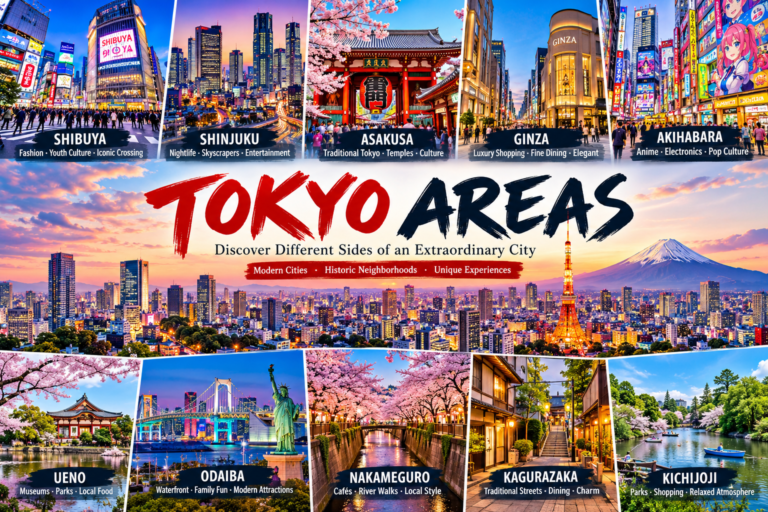
Aoyama and Omotesando are particularly useful for architecture and contemporary retail design. Harajuku is associated with fashion and youth culture, Ginza offers refined commercial environments, and Kuramae is worth exploring for craft-oriented shops and creative businesses.
Which Japanese Brands Are Good Examples of Design?
MUJI is useful for studying everyday product simplicity, Nitori for practical home furnishings, Karimoku Furniture for furniture craftsmanship, Sony for electronics, Canon for imaging products, and Shiseido for packaging and visual identity. Each represents a different design context.
How Can I Create a Tokyo-Inspired Interior on a Budget?
Start by improving furniture placement, reducing unnecessary clutter, using storage effectively, and adjusting lighting. Add a few natural materials or carefully chosen decorative objects rather than replacing all your furniture.
What Is the Difference Between Japanese Minimalism and Scandinavian Design?
Both approaches can value simplicity, functionality, and natural materials, but they are not identical. Japanese design traditions include particular relationships with space, craft, and cultural aesthetics, while Scandinavian design developed within different social, historical, and environmental contexts. Contemporary designers frequently draw inspiration from both.
What Is the Metabolism Movement in Japanese Architecture?
Metabolism was an architectural movement that emerged around 1960. It explored ways for buildings and cities to accommodate growth and change, including modular systems and adaptable structures. The movement remains influential in discussions about flexibility and urban development.
Why Is Tokyo Important for Graphic Design?
Tokyo provides a rich environment for typography, packaging, advertising, editorial design, branding, and public signage. Its mixture of Japanese scripts, international communication, traditional printing, and digital media presents a wide range of design challenges.
How Does Tokyo Design Make Small Spaces More Useful?
Compact layouts, flexible furniture, concealed storage, sliding partitions, and thoughtful lighting can help make small spaces more practical. Their effectiveness depends on the actual needs of the occupants and the constraints of the room.
Is Tokyo Design Sustainable?
Some Tokyo design practices support sustainability through durability, efficient space use, adaptive reuse, and careful material selection. However, sustainability must be evaluated in context. Not every Japanese product, building, or minimalist interior is environmentally sustainable.
Where Can I Learn About Tokyo Design in Person?
Explore architectural and retail districts such as Omotesando, Aoyama, Ginza, and Shibuya. Visit design-oriented exhibitions and museums, and pay attention to everyday environments such as railway stations, small shops, residential streets, and cafés.
What Can International Designers Learn From Tokyo?
International designers can learn to balance appearance with functionality, make better use of limited space, communicate information clearly, respect materials and craftsmanship, and consider how design affects everyday behaviour.
Conclusion
Tokyo design is compelling because it does not depend on one visual style. Its character emerges from the interaction between tradition and innovation, individual creativity and practical constraints, commercial ambition and everyday life. The city demonstrates how thoughtful architecture can respond to limited space, how product design can improve ordinary tasks, and how typography and signage can help people navigate complex environments. Its fashion and retail districts show that design can also be expressive, unconventional, and culturally distinctive. For anyone interested in design, Tokyo offers both inspiration and practical lessons. A compact apartment can teach you about organisation and flexibility.