Tokyo Towers: 15 Amazing Towers in Tokyo You Must Visit for Skyline Views, History and Night Photography
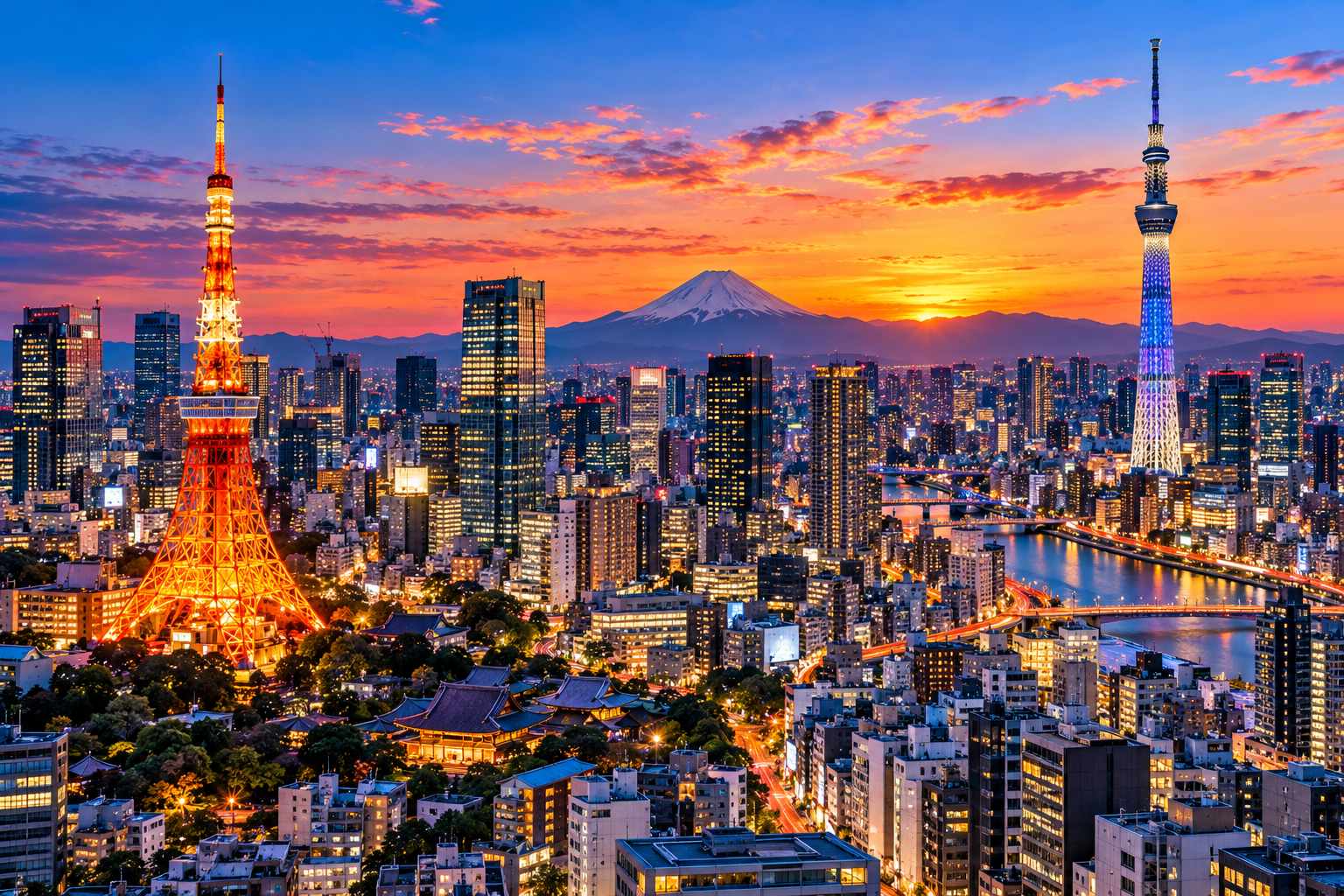
Imagine standing high above Tokyo as thousands of lights illuminate the city, bullet trains glide between buildings, and Mount Fuji appears on the horizon on a clear day. From traditional red steel structures to futuristic observation towers, Tokyo offers some of the most memorable skyline experiences in the world. Tokyo towers combine spectacular observation decks, modern architecture, historic landmarks, and panoramic views of one of the world’s most dynamic cities. Whether you want to photograph Tokyo Tower, visit the towering Tokyo Skytree, discover lesser-known viewpoints, or enjoy the skyline after dark, there is an experience for almost every traveller and budget Tokyo Robotics
Understanding Tokyo’s Tower Landscape
Tokyo is not defined by a single tower. Its skyline includes broadcasting towers, observation structures, commercial skyscrapers, historic buildings, and elevated viewpoints designed for tourism.
The city’s changing appearance reflects several important developments:
-
The rebuilding of Tokyo after the Second World War.
-
The expansion of television and radio broadcasting.
-
The growth of international tourism.
-
The development of high-rise commercial districts.
-
The introduction of modern earthquake-resistant engineering.
-
The demand for elevated spaces offering views of the metropolitan landscape.
For visitors, this variety creates an unusual opportunity. You can see Tokyo from a landmark tower, a skyscraper above a major railway station, or a public observation space overlooking busy commercial districts.
The best experience is not necessarily the tallest building. It is the viewpoint that matches your interests, schedule, budget, and preferred atmosphere.
Tokyo Tower: The City’s Iconic Red-and-White Landmark
Tokyo Tower is one of Japan’s most recognisable structures. Completed in 1958, it became a symbol of post-war reconstruction, technological ambition, and Tokyo’s emergence as a modern international city.
Its red-orange and white exterior distinguishes it from the surrounding skyscrapers, especially after sunset when the tower is illuminated against the city skyline.
Why Tokyo Tower Is So Famous Tokyo Towers
Tokyo Tower was originally built to support broadcasting services. Its design also reflected Japan’s desire to demonstrate economic recovery and engineering progress during the post-war period.
At 333 metres tall, the tower was once Japan’s tallest freestanding structure. Although it has since been surpassed by Tokyo Skytree, it remains one of the capital’s most beloved landmarks.
Its appeal comes from more than height. Tokyo Tower has become part of the city’s visual identity, appearing in travel photography, films, television programmes, advertisements, and illustrations of modern Japan.
Observation Decks and Views Tokyo Towers
The tower offers elevated viewing experiences that allow visitors to look across Tokyo’s dense urban landscape.
On clear days, you may see:
-
High-rise districts stretching towards the horizon.
-
Tokyo Bay and parts of the waterfront.
-
Nearby temples, parks, and residential neighbourhoods.
-
Other prominent towers and skyscrapers.
-
Mount Fuji when weather and visibility conditions cooperate.
The landscape changes considerably with the time of day. During daylight, the city’s scale becomes easier to understand. At sunset, the sky may shift through shades of gold and pink. After dark, illuminated roads and buildings create a dramatic metropolitan panorama.
What Makes Tokyo Tower Different From Skytree?
Tokyo Tower offers a more traditional, nostalgic atmosphere. Its distinctive colour, central location, and long history make it particularly appealing to travellers interested in Tokyo’s post-war development.
It is also a useful landmark for understanding the Minato district, where modern commercial buildings sit alongside embassies, parks, temples, and established residential areas.
Best for: First-time visitors, couples, architecture enthusiasts, skyline photography, and travellers who want to experience one of Tokyo’s classic landmarks.
Tokyo Skytree: Japan’s Towering Modern Wonder
Tokyo Skytree is the standout choice for travellers who want to experience Tokyo from exceptional heights. Opened in 2012, it reaches 634 metres and serves as a major broadcasting tower as well as a tourism attraction.
Its height makes it one of the defining features of the modern Tokyo skyline. Unlike Tokyo Tower, which has a mid-century design, Skytree has a contemporary silhouette inspired by traditional Japanese architectural forms and the graceful curves of historic pagodas.
Why Tokyo Skytree Was Built Tokyo Towers
As Tokyo’s urban landscape grew, broadcasting services needed a taller structure capable of transmitting signals more effectively across a city filled with high-rise buildings.
Tokyo Skytree was developed to address those technical requirements while creating a new landmark for the capital. It combines broadcasting infrastructure, observation facilities, shopping, dining, and visitor services in one destination.
The project also reflects a broader trend in Japan: turning major infrastructure into public attractions that contribute to a district’s identity and economy.
Tembo Deck and Tembo Galleria Tokyo Towers
Skytree’s observation facilities provide different ways to experience the city.
The Tembo Deck offers wide-ranging views through large windows. Its elevated position makes Tokyo’s roads, rivers, residential areas, and commercial districts appear like a detailed urban map.
The Tembo Galleria rises higher and features a sloping glass-covered corridor. Walking through it creates a sense of gradually ascending above the city.
On particularly clear days, distant landscapes may become visible, including Mount Fuji. Visibility depends on atmospheric conditions, so the mountain should be treated as a possible bonus rather than a guaranteed sight.
What Can You See From Tokyo Skytree?
Depending on the weather, viewing direction, and time of day, the panorama may include:
-
The Sumida River and surrounding neighbourhoods.
-
Dense residential areas extending far beyond central Tokyo.
-
Major commercial districts and elevated transport routes.
-
Tokyo Bay and parts of the wider metropolitan region.
-
Mount Fuji on suitable clear-weather days.
-
Tokyo Tower and other prominent skyline structures.
The tower is especially rewarding for visitors who want to appreciate Tokyo’s immense size. From street level, the city can feel like a series of separate neighbourhoods. From above, those neighbourhoods become part of one interconnected metropolitan landscape.
Is Tokyo Skytree Worth Visiting?
For many travellers, yes. Its height, modern architecture, and dedicated observation spaces make it a memorable attraction.
However, the experience depends on your priorities. Travellers who prefer historic landmarks may find Tokyo Tower more charming, while visitors interested in the highest possible panorama will generally favour Skytree.
Crowds, visibility, ticket costs, and waiting times can influence the decision. Booking ahead when required and checking the forecast before choosing a day can make the experience more enjoyable.
Best for: Panoramic views, architecture lovers, families, first-time visitors, and travellers interested in modern Tokyo.
Shibuya Sky: A Rooftop View Over Tokyo’s Busiest Crossing
Shibuya Sky offers a different experience from a traditional tower. Located high above Shibuya, it is a rooftop observation attraction associated with Shibuya Scramble Square.
Instead of looking through windows from a conventional enclosed tower, visitors can experience an open-air rooftop environment when conditions permit.
What Makes Shibuya Sky Special?
The main attraction is its perspective over Shibuya, one of Tokyo’s most recognisable commercial and entertainment districts.
From above, the famous scramble crossing becomes part of a wider scene of railway lines, illuminated buildings, shopping streets, and high-rise developments. The surrounding urban activity gives the view a different character from the more distant panorama available at Skytree.
The rooftop setting is especially attractive to photographers and travellers seeking a contemporary Tokyo experience.
Best Time to Visit Shibuya Sky Tokyo Towers
Sunset is a popular time because the changing light can transform the city within a short period. Buildings shift from warm daylight colours to illuminated outlines, while traffic and signage become increasingly prominent.
That popularity also means sunset admission can be competitive. Travellers should check the available booking slots and arrive according to their ticket instructions.
Daytime visits may be more suitable for visitors who want to identify neighbourhoods and buildings clearly. Evening visits are better for those who enjoy the atmosphere of Tokyo’s illuminated streets.
Practical Considerations Tokyo Towers
Shibuya Sky is not the same as a fully enclosed observation deck. Outdoor areas may be affected by weather, wind, and operational restrictions.
Before visiting, check the current rules about bags, hats, photography equipment, and access to the rooftop. Follow staff instructions if outdoor access is limited.
Best for: Sunset photography, couples, social-media photography, modern architecture, and travellers who want to see Shibuya from above.
Roppongi Hills Tokyo City View: A Sophisticated Urban Panorama
Tokyo City View is an observation attraction in the Roppongi Hills complex. It offers a broad view of central Tokyo, making it a strong option for visitors who want to combine skyline sightseeing with restaurants, galleries, and shopping.
Roppongi is known for its international character, contemporary art scene, nightlife, and concentration of commercial developments. This makes the observation experience particularly convenient for travellers planning an evening in the district.
What Can You Expect?
The main appeal is the opportunity to see Tokyo’s architectural layers from an elevated position.
Depending on the viewing direction and conditions, visitors may spot Tokyo Tower, nearby skyscrapers, and the extensive cityscape stretching beyond central districts.
The view can be especially striking after dark, when the city’s illuminated structures create contrast against the night sky.
Combining the View With Art and Dining Tokyo Towers
Roppongi Hills is more than a viewpoint. The wider complex includes dining options, retail spaces, and cultural attractions.
This creates an advantage for travellers who want a flexible itinerary. You can explore the area, visit an exhibition where available, enjoy dinner, and finish with a city panorama without travelling across Tokyo between activities.
Check current exhibition arrangements and observation-deck access before planning the visit, as special events and operating conditions can affect what is available.
Best for: Art enthusiasts, couples, evening visitors, international travellers, and people looking for a refined city-view experience.
Tokyo Metropolitan Government Building: A View Without a Tower Ticket
The Tokyo Metropolitan Government Building is a major civic building recognised for its distinctive twin-tower design. It is an important destination for visitors interested in architecture and panoramic city views.
Its observation facilities have historically been known for offering public access without the standard admission charges associated with many commercial viewpoints. However, operating arrangements, closures, and access policies can change, so visitors should verify the current details before travelling.
Why This Building Deserves Attention Tokyo Towers
The building illustrates how Tokyo combines practical urban infrastructure with architectural ambition.
Rather than being designed solely as a tourist attraction, it houses metropolitan government functions. Its observation areas allow visitors to appreciate the capital from a public civic landmark.
The surrounding Shinjuku district provides an impressive contrast between the formal scale of government architecture, busy railway connections, office towers, hotels, and entertainment streets.
Views From the Observation Floors
On clear days, the view may extend across much of the metropolitan area. Mount Fuji can sometimes be seen in favourable conditions, while nearby skyscrapers provide a close-up look at Shinjuku’s vertical cityscape.
The experience is particularly appealing to budget-conscious travellers. A free public viewpoint can make it easier to enjoy Tokyo’s skyline without allocating a large part of the sightseeing budget to observation tickets.
Who Should Visit?
This is a practical choice for visitors who want panoramic views without paying for multiple tower attractions. It also works well for travellers already exploring Shinjuku.
Because it is a public government facility, visitors should respect security instructions and any restrictions in place.
Best for: Budget travellers, architecture enthusiasts, visitors exploring Shinjuku, and anyone seeking a public observation viewpoint.
Caretta Shiodome Sky Views: An Alternative Urban Perspective
The Shiodome district is known for its concentration of modern office towers, hotels, restaurants, and transport connections. Elevated views in this area offer a different perspective from the historic atmosphere of Tokyo Tower or the immense panorama from Skytree.
The Caretta Shiodome complex has been associated with elevated viewing experiences and city-facing spaces, although access and availability should be checked before making a dedicated trip.
What Makes Shiodome Interesting?
Shiodome illustrates Tokyo’s transformation through redevelopment. Areas that once served different urban and transport functions have evolved into districts dominated by modern commercial buildings and carefully planned public spaces.
Looking across this part of the city helps visitors understand how Tokyo’s skyline developed beyond its best-known towers.
The nearby waterfront direction can also add variety to a skyline itinerary, depending on the particular viewing point and visibility.
Planning a Visit Tokyo Towers
Because public access to specific floors and viewing spaces can change, do not assume that every elevated space in a commercial complex is a permanently open observation deck.
Confirm the current visitor arrangements before building your day around it. If access is limited, the surrounding Shiodome area can still be worth exploring for its architecture, restaurants, and convenient connections.
Best for: Urban architecture enthusiasts, visitors near the waterfront, and travellers looking for a different perspective on Tokyo’s commercial districts.
Ebisu Garden Place Tower: A More Relaxed Skyline Experience
Ebisu Garden Place is a mixed-use development with dining, shopping, and leisure spaces. The district has a calmer atmosphere than some of Tokyo’s busiest tourist centres.
Elevated dining and city-facing spaces in the area can provide an enjoyable way to see Tokyo while spending time in a restaurant or exploring the complex.
Why Choose Ebisu?
Not every skyline experience needs to involve a dedicated observation tower. Sometimes the best option is a meal with a view, particularly for visitors who prefer a slower pace.
Ebisu is known for its restaurants and polished urban environment. It can be a good fit for couples, food-focused travellers, or anyone who wants to combine city views with an evening out.
What to Check Before Going Tokyo Towers
Access to specific upper floors, restaurants, and public areas may differ. Some spaces may be reserved for diners or operate under individual business arrangements.
Check whether the place you want to visit accepts walk-in guests, requires a reservation, or has a minimum spend.
Best for: Dining with a view, couples, relaxed evenings, and travellers who prefer less tower-focused sightseeing.
Sunshine 60 Observatory: Views From Ikebukuro Tokyo Towers
The Sunshine City complex in Ikebukuro is a major commercial and leisure destination in northern central Tokyo. Its Sunshine 60 building has long been associated with elevated city views, while the observatory experience has evolved over time.
The current attraction concept is often described as an observation space designed for visitors to relax, enjoy the skyline, and spend time in a comfortable indoor environment.
Why Ikebukuro Is Worth Considering Tokyo Towers
Ikebukuro offers a different atmosphere from Shibuya and Shinjuku. It is a major shopping and transport hub with department stores, entertainment facilities, restaurants, and attractions suited to families.
Visitors who have already explored Tokyo’s best-known tower districts may enjoy seeing the city from this part of the metropolitan area.
A Useful Option for Families Tokyo Towers
An indoor observation facility can be particularly convenient when the weather is cold, rainy, or too windy for an outdoor rooftop. Families may also appreciate being able to combine the viewpoint with shopping, dining, and other indoor activities.
Check the current attraction name, admission arrangements, and opening schedule before visiting because observatory concepts and facilities can change over time.
Best for: Families, indoor sightseeing, shopping trips, and visitors exploring Ikebukuro.
Bunkyo Civic Center: A Viewpoint With a Local Feel
The Bunkyo Civic Center is a municipal facility known for its elevated views over the surrounding city.
Unlike Tokyo Tower and Skytree, it does not have the same instantly recognisable silhouette. Its appeal lies in providing another perspective on the city without requiring visitors to travel to a major commercial observation attraction.
What Makes This Viewpoint Different?
Bunkyo is a district where residential neighbourhoods, universities, parks, entertainment venues, and commercial streets sit relatively close together.
From an elevated position, visitors can appreciate the mixture of buildings and urban spaces that makes Tokyo more than a collection of famous tourist districts.
The surrounding area also offers opportunities to explore places such as Tokyo Dome City and local streets, making the viewpoint a practical stop during a broader neighbourhood visit.
Who Will Enjoy Tokyo Towers?
Travellers who enjoy discovering less obvious viewpoints may appreciate this location. It can also suit visitors who prefer a more local atmosphere to the heavily promoted experience of a major observation tower.
As with other public facilities, access and opening times can vary. Confirm current arrangements before setting out specifically to visit the observation area.
Best for: Independent travellers, budget-conscious visitors, urban photography, and neighbourhood exploration.
Tokyo Tower Versus Tokyo Skytree
Tokyo Tower and Tokyo Skytree are often compared because both are major landmarks and broadcasting structures. However, they provide different experiences.
Tokyo Tower is associated with the city’s post-war development and a classic skyline identity. Tokyo Skytree represents more recent engineering, greater height, and an expansive modern observation experience.
The right choice depends on what you value most.
| Feature Tokyo Towers | Tokyo Tower | Tokyo Skytree |
|---|---|---|
| Overall character | Historic, iconic, nostalgic | Modern, monumental, contemporary |
| Height | 333 metres | 634 metres |
| Main appeal | Classic Tokyo landmark | Exceptional height and panorama |
| Architecture | Red-orange and white steel tower | Modern tower with Japanese-inspired design |
| Visitor experience | Observation decks and landmark atmosphere | Multiple elevated viewing levels |
| Surrounding area | Minato, parks, temples, offices | Sumida, river scenery, shopping and dining |
| Photography style | Tower-focused city scenes | Broad metropolitan panoramas |
| Best atmosphere | Classic Tokyo | Modern Tokyo |
| Ideal visitor | History and landmark enthusiasts | Visitors seeking expansive views |
Both are worth considering, but travellers with limited time do not necessarily need to visit both. Choose Tokyo Tower for its iconic character and central setting, or Skytree for its impressive height and sweeping city views.
If your itinerary allows enough time, visiting both can reveal how Tokyo’s identity has evolved across different generations.
Tokyo Towers for Night Photography
Tokyo’s skyline changes dramatically after dark. Illuminated towers, office buildings, railway lines, bridges, and advertising displays create a layered scene that can be difficult to appreciate from street level.
Night photography is one of the strongest reasons to visit an observation deck, but the best location depends on the type of photograph you want.
Best Viewpoints for City Lights Tokyo Towers
Tokyo Tower is particularly effective when the tower itself is part of the composition. Photographs from nearby areas can capture its illuminated structure against surrounding buildings.
Tokyo Skytree is better suited to broad views of the metropolitan landscape. Its height can make the urban area appear almost endless, especially on clear evenings.
Shibuya Sky is ideal for photographs that include the busy Shibuya district and its distinctive road patterns. The rooftop perspective gives the city an energetic, contemporary feel.
Roppongi’s elevated viewpoints are useful for compositions featuring Tokyo Tower among surrounding buildings. The contrast between the tower’s illumination and the darker skyline can create a memorable image.
Practical Photography Advice Tokyo Towers
For better results:
-
Check the weather forecast and visibility before booking.
-
Arrive before sunset if you want both daylight and night scenes.
-
Use a lens or phone camera that performs well in low light.
-
Avoid pressing a camera against glass if it causes reflections or vibration.
-
Keep phone brightness low when photographing through windows.
-
Follow restrictions on tripods, selfie sticks, and professional equipment.
-
Be respectful of other visitors, particularly at popular viewing points.
A useful technique is to take photographs at different stages of twilight. The sky often retains colour shortly after sunset, while city lights become more visible. This can create a more balanced image than waiting until the sky is completely black.
The Best Time to Visit Tokyo Towers
The best time depends on the view you want, the season, and your tolerance for crowds.
Morning and Daytime Tokyo Towers
Daytime visits are useful for identifying landmarks, understanding the city’s geography, and seeing details in the surrounding buildings.
Morning can be a good choice when visibility is favourable and visitor numbers are manageable. However, the atmosphere depends on the season, weather, and attraction schedule.
If your main objective is seeing Mount Fuji, prioritise forecast visibility rather than assuming that any particular hour will guarantee a clear view.
Sunset Tokyo Towers
Sunset combines the changing colours of the sky with the first wave of illuminated city lights.
This is often the most visually rewarding period, but it can also be the most competitive time for tickets. Popular rooftops and observation decks may have limited capacity or time-specific entry.
Book in advance when necessary, and allow enough time to reach the entrance before your scheduled admission.
After Dark Tokyo Towers
Night visits are best for people who want illuminated streets, bright commercial districts, and a dramatic metropolitan atmosphere.
The city’s appearance varies by district. Shibuya tends to feel energetic, while the wider panorama from Skytree can emphasise Tokyo’s vast urban spread.
For travellers interested in a quieter experience, consider visiting outside the most popular evening period, subject to the venue’s operating hours.
Seasonal Differences in Tokyo Tower Experiences
Tokyo’s seasons affect visibility, crowd levels, temperature, and the character of the skyline.
Spring Tokyo Towers
Spring brings cherry blossoms to parks and streets across the city. Depending on the viewpoint, visitors may see flowering trees among the surrounding urban landscape.
This season is popular with tourists, so famous attractions can be busy. If you want to combine a tower visit with blossom viewing, check the seasonal conditions for the specific neighbourhood rather than assuming every district blooms at the same time.
Summer Tokyo Towers
Summer can bring humid air, haze, and occasional periods of reduced visibility. Outdoor rooftop visits may feel hot, while indoor observation decks offer a more climate-controlled alternative.
Evening visits can be attractive because they avoid some of the daytime heat, although crowds and weather-related restrictions remain possible.
Autumn Tokyo Towers
Autumn often offers comfortable conditions for walking between viewpoints and exploring surrounding districts. Seasonal colours may also add interest to parks and gardens visible from elevated locations.
Clear days can provide excellent long-distance views, but visibility still depends on the actual weather.
Winter Tokyo Towers
Winter can offer crisp views when the air is clear. Mount Fuji may be easier to see on some cold, clear days, making winter appealing to travellers hoping for a distant mountain panorama.
The trade-off is lower outdoor comfort, particularly at exposed rooftop attractions. Dress in layers and check whether outdoor areas remain open in windy conditions.
Tokyo Towers for Couples and Romantic Evenings
An observation deck can provide a memorable setting for a couple’s visit, especially around sunset or after dark.
Tokyo Tower is a natural choice for visitors who prefer a classic landmark and a romantic atmosphere associated with the city’s history. Shibuya Sky suits couples who enjoy contemporary design and open-air views. Roppongi’s elevated spaces can work well for an evening that includes art, restaurants, and city lights.
Planning a Romantic Tower Visit Tokyo Towers
Consider the following:
-
Choose a time that leaves room for dinner afterwards.
-
Reserve a popular sunset slot where advance booking is available.
-
Check the weather before committing to an outdoor rooftop.
-
Avoid scheduling several distant attractions in one evening.
-
Consider weekday visits if your schedule allows.
-
Leave time to enjoy the surrounding neighbourhood rather than rushing away immediately.
A tower visit does not need to be elaborate. A clear view, a relaxed pace, and a convenient dinner reservation may create a better experience than attempting to fit too many activities into one night.
Tokyo Towers for Families With Children
Families often have different priorities from solo travellers and couples. Easy transport, toilets, food options, indoor space, and manageable waiting times can be just as important as the view.
Tokyo Skytree offers the convenience of a larger visitor complex with shopping and dining nearby. Sunshine City can be useful for families looking for several indoor activities in one area. Tokyo Tower can suit children who are excited by famous landmarks and distinctive structures.
How to Make the Visit Easier Tokyo Towers
Check whether children require separate tickets and whether the attraction has age-specific admission arrangements. Rules vary by venue and may change.
For a smoother visit:
-
Choose a time that fits the children’s normal routine.
-
Allow breaks before and after the observation deck.
-
Explain what children might see from the windows.
-
Check stroller policies and accessibility arrangements.
-
Bring layers for outdoor areas.
-
Avoid planning the entire day around a single timed admission.
If the weather is poor, an indoor observation deck may be more comfortable than an open rooftop. If children are sensitive to crowds or heights, consider how they might feel before booking.
Tokyo Towers for Budget Travellers
A city-view experience does not have to be expensive. Tokyo has a mix of paid observation attractions and public viewpoints, though their opening schedules and access arrangements differ.
The Tokyo Metropolitan Government Building is particularly well known for its public observation facilities. Other civic and commercial buildings may offer elevated spaces, but visitors should confirm current access before relying on them.
How to Reduce the Cost Tokyo Towers
Compare the full cost of a visit rather than looking only at the ticket price.
Consider transport, food, timed-entry requirements, and whether the observation deck is part of a wider attraction complex. A low-cost viewpoint that requires a long detour may not be the best value for a short stay.
Budget-friendly strategies include:
-
Choose one major paid observation attraction.
-
Use a public viewpoint for a second skyline experience.
-
Explore the surrounding district on foot.
-
Visit at a time that fits your existing itinerary.
-
Check whether a ticket includes more than one observation level.
-
Avoid paying for several viewpoints that offer very similar views.
For travellers on a tight budget, one paid tower visit combined with a public observation space can provide variety without unnecessary spending.
Tokyo Towers for Architecture Enthusiasts
Tokyo’s towers are valuable not only because of their views but also because they reveal how Japan approaches engineering, design, urban planning, and public space.
The city has to accommodate a large population, extensive transport networks, commercial development, and significant seismic risks. These pressures influence the shape and function of its tall structures.
Engineering and Earthquake Resistance Tokyo Towers
Japan has extensive experience designing buildings and infrastructure for earthquake-prone conditions. Tall structures must account for movement, structural loads, wind, and the behaviour of materials.
The engineering solutions differ between buildings and towers, but modern design may incorporate flexible structural systems, damping technologies, carefully designed foundations, and detailed monitoring.
A tower’s visible height is only one part of its engineering story. Its foundations, structural connections, materials, and systems for managing movement are equally important.
Traditional Design Influences Tokyo Towers
Some modern Japanese structures incorporate design ideas associated with traditional architecture, including balanced proportions, elegant vertical forms, and visual references to historic pagodas.
Tokyo Skytree is an especially interesting example because its design combines contemporary engineering with inspiration from Japanese architectural traditions.
These influences should not be mistaken for a direct reproduction of a traditional building. Modern towers have different purposes, materials, and technical requirements.
How Towers Shape Their Surroundings Tokyo Towers
A major tower can influence an entire district. It attracts visitors, supports restaurants and shops, provides a recognisable landmark, and encourages businesses to develop nearby.
However, the effects are not always entirely positive. Popular attractions can increase pedestrian congestion, place pressure on local transport, and change the character of surrounding streets.
The best developments balance visitor activity with the needs of people who live and work in the area.
How to Plan a Tokyo Tower Visit Tokyo Towers
Planning ahead can make the difference between a memorable experience and an expensive disappointment.
Check Visibility Before Choosing a Day Tokyo Towers
A high observation deck is only as rewarding as the view allows. Cloud cover, haze, rain, and seasonal atmospheric conditions can reduce visibility.
Check a reliable weather forecast close to the date of your visit. If Mount Fuji is a priority, look for a visibility forecast where available, but remember that distant mountain views can never be guaranteed.
If the weather is unfavourable, consider an indoor attraction or a different activity that does not depend on distant views.
Confirm Tickets and Opening Arrangements Tokyo Towers
Observation attractions may use timed entry, online reservations, different admission categories, or separate tickets for different viewing areas.
Before travelling, confirm:
-
The attraction’s current opening hours.
-
Whether advance booking is recommended or required.
-
The entry time printed on your ticket.
-
Whether the full observation experience is included.
-
Whether weather may affect outdoor access.
-
Whether maintenance or special events could limit entry.
Do not rely on old screenshots or outdated travel articles for current ticket conditions.
Choose a Tower Near Your Other Activities Tokyo Towers
Tokyo is extensive, and crossing the city between attractions can consume more time than expected.
Group activities by neighbourhood. A visit to Tokyo Skytree can fit naturally with a Sumida-area itinerary, while Tokyo Tower pairs well with sightseeing in Minato. Shibuya Sky makes sense when exploring Shibuya, and the Tokyo Metropolitan Government Building is convenient for visitors already in Shinjuku.
This approach reduces unnecessary travel Tokyo Towers and leaves more time to enjoy the view.
Arrive With Enough Time Tokyo Towers
Even with a reservation, allow time to reach the correct entrance, pass any required checks, and find the observation area.
Major commercial complexes can have several entrances, floors, and lifts. Follow the venue’s instructions rather than assuming the nearest entrance leads directly to the observation deck.
Common Mistakes When Visiting Tokyo Towers
Expecting to See Mount Fuji Every Time Tokyo Towers
Mount Fuji is a popular sight from elevated viewpoints, but visibility depends on atmospheric conditions, cloud cover, and the viewing direction.
Solution: Treat the mountain as a bonus. Choose the attraction for the overall skyline and check visibility before travelling.
Booking Sunset Without Considering Crowds Tokyo Towers
Sunset often attracts visitors who want to photograph both daylight and night scenes. Popular time slots can sell out or feel crowded.
Solution: Reserve ahead when possible. If sunset admission is unavailable, daytime or evening visits can still offer excellent views.
Visiting Too Many Similar Observation Decks Tokyo Towers
A traveller with limited time may spend several hours moving between towers that offer comparable panoramas.
Solution: Choose one signature tower and add a contrasting viewpoint, such as a public observation facility or rooftop attraction.
Ignoring Weather Restrictions Tokyo Towers
Outdoor rooftop attractions can close sections or change access arrangements because of wind, rain, or other conditions.
Solution: Review the venue’s latest operational information and keep an alternative activity in mind.
Forgetting Transport and Walking Time Tokyo Towers
A tower may appear close on a map but still require a walk through a large station or commercial complex.
Solution: Check the route to the specific entrance, not just the station name. Allow additional time for navigation in major transport hubs.
Assuming Every High Floor Is Open to Visitors Tokyo Towers
Some skyscrapers contain offices, private restaurants, hotels, or restricted floors. A tall building does not automatically have a public observation deck.
Solution: Verify that the intended viewing area is open to general visitors before making a special trip.
Focusing Only on the Highest View Tokyo Towers
Height can be impressive, but it does not always create the most memorable experience.
Solution: Consider atmosphere, architecture, photography opportunities, location, and the surrounding neighbourhood as well as elevation.
Pros and Cons of Visiting Tokyo Towers
Tokyo’s observation attractions provide memorable views and a useful perspective on the city, but they also have limitations.
|
Advantages Tokyo Towers |
Limitations Tokyo Towers |
|---|---|
| Wide views of the metropolitan area | Visibility depends on weather |
| Opportunities for photography | Popular time slots can be crowded |
| Insight into Tokyo’s architecture | Tickets may add to travel costs |
| Activities suitable for different ages | Some outdoor areas have weather restrictions |
| Good options for romantic evenings | Queues can reduce time available for sightseeing |
| Convenient combinations with shopping and dining | Large complexes can be confusing to navigate |
| Views of landmarks and distant landscapes | Some attractions have overlapping panoramas |
The strongest reason to visit a tower is the perspective it provides. From above, visitors can understand the relationship between districts, transport routes, rivers, and high-rise developments in a way that is difficult from the street.
The main limitation is that the experience is affected by factors outside the visitor’s control. A clear day can be spectacular, while a cloudy day may offer only a limited panorama.
How Tokyo Towers Support Tourism and Local Businesses
Major towers are more than attractions. They can help shape tourism patterns and contribute to local economic activity.
Visitors often combine a tower visit with restaurants, shopping, hotels, museums, and neighbourhood walks. This creates spending opportunities for businesses beyond the observation facility itself.
The Role of Landmark Recognition Tokyo Towers
A distinctive tower gives a city an easily recognisable image. Tokyo Tower, for example, is identifiable even to people who have never visited Japan.
Such landmarks can influence how travellers imagine a destination before arriving. Photographs, films, television programmes, and travel campaigns reinforce the association between a structure and the city around it.
Effects on Nearby Neighbourhoods Tokyo Towers
High visitor numbers can benefit local businesses, especially when people stay for meals or explore surrounding streets.
However, the distribution of these benefits depends on how visitors move through the area. If most people arrive, take photographs, and leave immediately, nearby businesses may receive less benefit than expected.
Transport access, pedestrian routes, signage, public spaces, and a varied mix of attractions can encourage visitors to explore more of the neighbourhood.
Balancing Tourism With Local Life Tokyo Towers
Popular observation areas can create congestion at stations, sidewalks, and nearby commercial streets.
Local planning needs to account for visitor flows while maintaining safe and convenient spaces for residents. Responsible visitors can help by following signs, respecting queues, keeping noise down, and avoiding obstructing pedestrian routes for photographs.
Tokyo Towers and Sustainability
The environmental impact of tall buildings is complex. High-rise development can concentrate activities in established urban areas, but it also requires substantial materials, energy, maintenance, and transport infrastructure.
Energy and Building Operations Tokyo Towers
Observation facilities use lighting, lifts, ventilation, and other building systems. Large complexes may also contain retail areas, restaurants, offices, and entertainment facilities with their own energy needs.
Improving efficiency can involve better lighting, more efficient equipment, careful management of heating and cooling, and monitoring of building performance.
Transport and Visitor Behaviour Tokyo Towers
A tower that is well connected to public transport can make it easier for visitors to arrive without relying on private cars.
Travellers can reduce some of the impact of sightseeing by using trains, walking between nearby attractions, avoiding unnecessary trips across the city, and following waste-disposal guidance.
Long-Term Maintenance Tokyo Towers
Major structures require inspection and maintenance throughout their lives. A tower’s long-term value depends on more than its initial construction: safety, upkeep, operational efficiency, and adaptation to changing needs all matter.
For visitors, sustainability is usually less visible than the skyline, but it remains an important part of the story behind modern urban landmarks.
The Future of Tokyo Towers and Observation Decks
Tokyo’s skyline will continue to evolve as architecture, tourism, technology, and urban planning change. Although the city’s famous towers are already established landmarks, the way visitors experience elevated views is likely to keep developing.
More Immersive Visitor Experiences
Observation attractions increasingly compete through the quality of the overall experience rather than height alone.
Future developments may place greater emphasis on interactive displays, digital information about visible landmarks, augmented-reality features, themed exhibitions, and storytelling about the city’s history.
These features can help visitors understand what they are seeing instead of simply looking across a distant landscape.
Better Digital Planning Tokyo Towers
Digital ticketing, real-time visitor information, online reservations, and mobile-friendly maps can make tower visits easier to plan.
More accurate crowd information could also help travellers select less busy times, although availability and implementation will differ between venues.
Photography and Social Experiences Tokyo Towers
Visitors increasingly seek distinctive experiences they can remember and share. Open-air rooftops, unusual viewing angles, architectural lighting, and carefully designed public spaces can all make an observation attraction more appealing.
This trend may encourage venues to create experiences that combine photography with dining, events, cultural activities, and seasonal programming.
Resilience and Sustainable Design Tokyo Towers
Future high-rise developments will continue to face questions about seismic resilience, energy use, maintenance, and environmental performance.
Tokyo’s experience with earthquake-resistant construction provides a useful context for understanding how tall structures must be designed for local conditions. New projects and major renovations will need to balance safety, operational needs, environmental considerations, and visitor expectations.
A More Distributed Skyline Experience Tokyo Towers
The future of Tokyo sightseeing is unlikely to depend entirely on its tallest towers. Visitors may increasingly explore smaller viewpoints, rooftop spaces, waterfront areas, and neighbourhood attractions.
This could spread visitor activity beyond the most famous landmarks and encourage travellers to discover different parts of the city.
Ten Tokyo Tower and Skyline Attractions Compared
The word “tower” is often used broadly in travel searches. Some attractions are freestanding towers, while others are observation decks located in high-rise buildings. Understanding the distinction helps visitors compare experiences more accurately.
|
Attraction Tokyo Towers |
Type Tokyo Towers | Main strength Tokyo Towers |
Best suited to Tokyo Towers |
|---|---|---|---|
| Tokyo Tower | Freestanding broadcasting and observation tower | Historic landmark character | First-time visitors and classic Tokyo photography |
| Tokyo Skytree | Freestanding broadcasting and observation tower | Exceptional height and expansive views | Panoramas and modern architecture |
| Shibuya Sky | Rooftop observation attraction | Open-air urban perspective | Sunset and photography |
| Tokyo City View | Observation attraction in a commercial complex | Central skyline views and nearby cultural activities | Couples and art enthusiasts |
| Tokyo Metropolitan Government Building | Government complex with observation facilities | Public viewpoint and Shinjuku scenery | Budget travellers |
| Sunshine 60 Observatory | Observation attraction in a high-rise complex | Indoor viewing and nearby entertainment | Families and Ikebukuro visitors |
| Bunkyo Civic Center | Civic building with elevated views | Local atmosphere and neighbourhood scenery | Independent explorers |
| Ebisu Garden Place | Mixed-use development with elevated dining and viewing opportunities | Relaxed atmosphere and restaurants | Dining and evening outings |
| Caretta Shiodome | Commercial complex associated with elevated city-facing spaces | Modern district scenery | Urban architecture enthusiasts |
| Shiodome skyline viewpoints | District-level viewing opportunities | Contemporary buildings and urban redevelopment | Travellers exploring the waterfront side of central Tokyo |
This comparison is intended as a planning guide, not a guarantee that every named venue or viewing space is currently accessible. Opening hours, attraction names, observation facilities, and access rules can change. Confirm the specific experience available before travelling.
Choosing the Right Tokyo Tower for Your Travel Style
The most suitable viewpoint depends on the type of trip you are planning.
For First-Time Visitors Tokyo Towers
Tokyo Tower and Tokyo Skytree are the strongest starting points because they are well-known landmarks with clearly different identities.
Choose Tokyo Tower if you value history, a recognisable silhouette, and a classic Tokyo atmosphere. Choose Skytree if your priority is height and a broad panorama.
For Photography Enthusiasts Tokyo Towers
Shibuya Sky is appealing for open-air rooftop scenes, while Tokyo Tower offers strong landmark compositions. Tokyo Skytree is useful for extensive city views, and Roppongi’s viewpoints can provide striking scenes of Tokyo Tower among other buildings.
Check photography rules before bringing larger equipment.
For Budget-Conscious Travellers Tokyo Towers
Investigate the Tokyo Metropolitan Government Building’s public observation facilities and other civic viewpoints. Use a paid attraction when it provides a distinct experience that matters to you.
For Families Tokyo Towers
Consider indoor observation spaces, nearby toilets, dining facilities, and transport convenience. Sunshine City and the Skytree complex may be practical choices because they offer additional activities beyond the viewpoint.
For Couples Tokyo Towers
Shibuya Sky, Tokyo Tower, and Roppongi’s elevated viewing experiences are worth considering for an evening outing. Book popular time slots in advance when possible.
For Architecture Lovers Tokyo Towers
Tokyo Skytree and Tokyo Tower provide an especially useful contrast between contemporary engineering and a landmark associated with Japan’s post-war development. Shinjuku’s skyscrapers and civic architecture offer another perspective on the city’s urban design.
Tokyo Tower Itinerary Ideas
A good itinerary groups attractions by location and allows enough time to enjoy each area.
A Classic Tokyo Skyline Day Tokyo Towers
Start with Tokyo Tower and explore nearby streets, parks, or cultural attractions in Minato. Later, continue to another part of the city for dinner or evening sightseeing.
If you want to see Tokyo Tower illuminated, consider viewing it from a nearby public area rather than visiting only its observation deck.
A Modern Tokyo Experience Tokyo Towers
Explore the Shibuya district during the day, then visit Shibuya Sky at a suitable time for the view you want. Continue with dinner or a walk through the surrounding streets.
This plan works well for travellers interested in shopping, contemporary architecture, and Tokyo’s energetic commercial atmosphere.
A Panoramic View and Traditional Neighbourhoods Tokyo Towers
Visit Tokyo Skytree and explore the surrounding Sumida area. Depending on your interests, you can combine the visit with river scenery, local streets, and traditional cultural sites.
Check travel times before adding distant attractions to the same day.
A Budget-Friendly Skyline Trip Tokyo Towers
Explore Shinjuku and use the Tokyo Metropolitan Government Building’s observation facilities if they are open to visitors. Spend the rest of the day walking through the district, visiting public spaces, and enjoying local food.
This provides a skyline experience without necessarily paying for a major commercial observation deck.
Practical Advice for International Visitors
Tokyo is well connected by public transport, but visitors should still plan the route to their chosen attraction.
Use Public Transport Where Practical Tokyo Towers
Trains and metro services make most major observation districts accessible. Check the nearest station and the walking route to the actual entrance, especially in large complexes.
If you plan to visit several attractions in one day, group them geographically rather than choosing destinations only by popularity.
Keep Your Schedule Flexible Tokyo Towers
Weather can affect outdoor viewing conditions, and some attractions may change their operating arrangements.
Have a backup activity for rainy or cloudy weather. Museums, shopping complexes, covered shopping streets, and indoor cultural attractions can be useful alternatives.
Respect Venue Rules Tokyo Towers
Observation decks may have restrictions concerning food, drinks, tripods, luggage, photography, or movement between areas.
Read the admission instructions before arrival. Follow staff guidance and be considerate of other visitors when taking photographs.
Allow Time for the Surrounding District Tokyo Towers
A tower visit can be more rewarding when combined with the neighbourhood around it. Tokyo’s districts have distinctive architecture, food, shopping, and local culture.
Instead of rushing directly from one observation deck to another, leave time to experience the streets below.
FAQs
What is the most famous tower in Tokyo?
Tokyo Tower is one of the city’s most famous landmarks. Its red-orange and white structure has become a symbol of Tokyo and Japan’s post-war development. Tokyo Skytree is another internationally recognised landmark and is substantially taller.
Which is taller, Tokyo Tower or Tokyo Skytree?
Tokyo Skytree is taller. It stands at 634 metres, compared with Tokyo Tower’s 333 metres. The two structures also differ in design, history, and visitor experience.
Is Tokyo Skytree worth visiting?
Tokyo Skytree is worth considering if you enjoy panoramic city views, modern architecture, and elevated observation decks. The experience is most rewarding when visibility is good and the weather permits clear views.
Is Tokyo Tower better than Tokyo Skytree?
Neither is universally better. Tokyo Tower is a strong choice for its historic character and iconic appearance, while Skytree appeals to visitors who want a taller structure and expansive views. Your interests, budget, and itinerary should determine the choice.
Can you see Mount Fuji from Tokyo towers?
Mount Fuji can sometimes be seen from elevated viewpoints, including Tokyo Tower and Tokyo Skytree, when visibility and weather conditions are favourable. A clear view is never guaranteed, so check conditions before your visit.
What is the best Tokyo tower for sunset?
Shibuya Sky is especially popular for sunset because of its rooftop setting and views over the surrounding city. Other observation decks can also provide beautiful sunset scenes. Popular slots may require advance booking.
Are there free observation decks in Tokyo?
The Tokyo Metropolitan Government Building is well known for its public observation facilities, which have historically offered free entry. Access and opening arrangements can change, so confirm current details before visiting.
Which Tokyo tower is best for night photography?
Tokyo Tower is excellent for photographs featuring the landmark itself, while Tokyo Skytree provides expansive city panoramas. Shibuya Sky offers a rooftop perspective over the busy Shibuya district. The best choice depends on the composition you want.
How much time should you allow for a tower visit?
Allow enough time for transport, admission, any queues, the observation experience, and photographs. The total time will depend on the attraction, crowd levels, ticket arrangements, and whether you plan to explore nearby shops or restaurants.
Can you visit multiple Tokyo towers in one day?
Yes, but it is usually better to choose attractions in nearby districts. Visiting several viewpoints across the city can involve significant travel time. A combination of one major tower and one contrasting viewpoint often provides a more varied experience.
Are Tokyo observation decks suitable for children?
Many observation attractions welcome families, although age-related admission rules, stroller access, and facility arrangements differ. Check the venue’s current policies and consider whether children are comfortable with heights and crowded spaces.
What should you do if the weather is cloudy?
If the main purpose of your visit is a distant view, consider changing your schedule if your ticket allows it. Otherwise, enjoy the closer cityscape or choose an indoor activity nearby. Cloudy weather does not necessarily mean every view will be disappointing.
Conclusion
Tokyo’s towers offer more than elevated views. They reveal how the city has grown, how Japanese engineering has evolved, and how traditional identity can coexist with modern urban life. Tokyo Tower represents the capital’s historic skyline, while Tokyo Skytree showcases contemporary engineering on an extraordinary scale. Shibuya Sky offers a modern rooftop atmosphere, and public observation facilities provide alternatives for visitors who prefer to spend less. The best choice depends on the experience you want rather than height alone. A tower visit becomes more rewarding when you consider the weather, choose a suitable time, and explore the neighbourhood around the attraction.