Foreign Travel Safety: Complete Guide to Traveling Abroad Safely
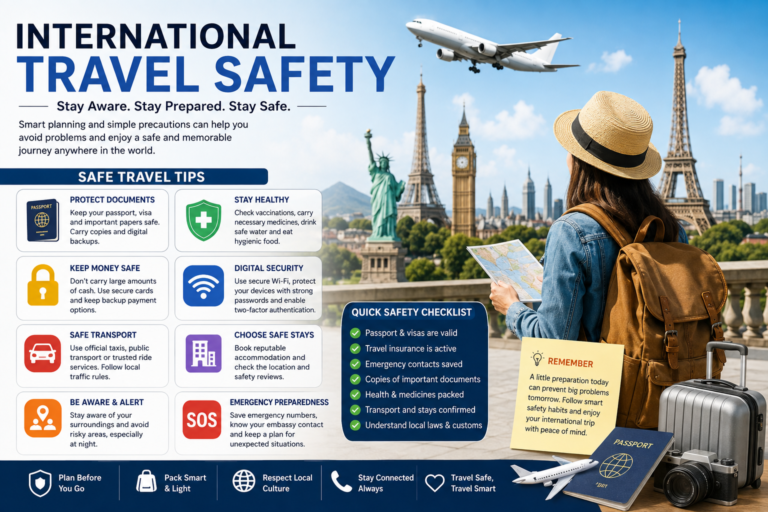
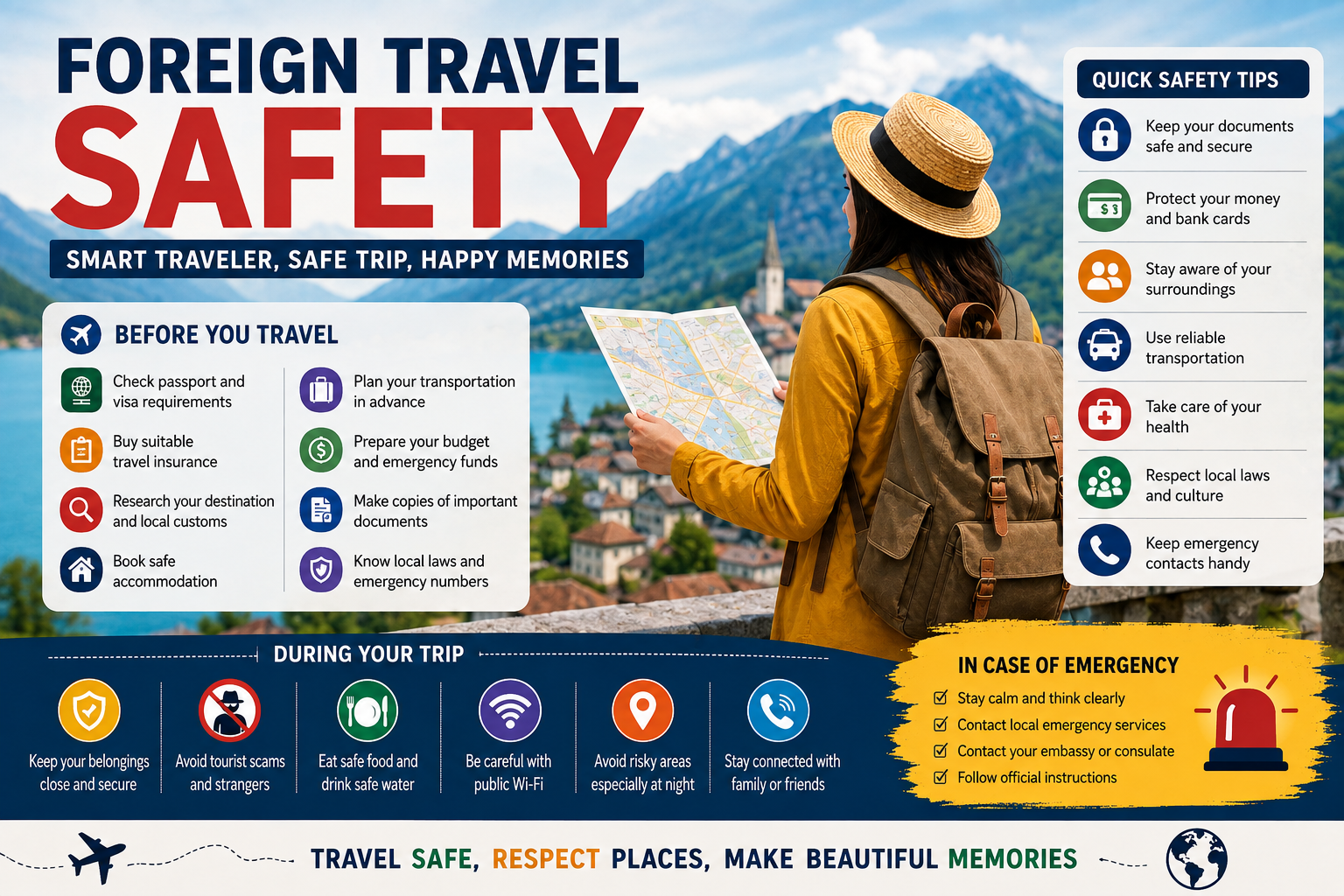
Foreign travel can be an exciting and valuable experience. Visiting another country gives travelers the chance to see new places, meet different people, experience different cultures, try new foods, and learn about the world. However, international travel also requires careful preparation. Travelers may face unfamiliar laws, languages, transportation systems, weather conditions, health concerns, scams, or other unexpected situations. Foreign travel safety means taking reasonable steps to protect yourself, your family, your money, your documents, and your personal information while traveling outside your home country. Good foreign travel safety does not mean being afraid of every situation. It means understanding possible risks and knowing how to deal with them 3S International Travel
Why Foreign Travel Safety Is Important
Foreign travel safety is important because travelers are often unfamiliar with their destination. A person may know how to stay safe in their home city but may not understand the local transportation system, laws, language, customs, or common risks in another country.
International travelers may experience problems such as:
- Lost or stolen passports
- Pickpocketing
- Tourist scams
- Transportation delays
- Unsafe areas
- Medical emergencies
- Lost luggage
- Language barriers
- Unexpected expenses
- Online security problems
- Natural disasters
- Cultural misunderstandings
Good preparation can reduce many of these risks.
Foreign travel safety starts before the journey begins. Travelers should not wait until they arrive at the airport or destination to think about safety. Research and preparation should begin several days or weeks before departure, depending on the trip.
The goal is simple: prepare for common problems, protect important belongings, understand the destination, and know what to do if something unexpected happens.
Research Your Foreign Destination
One of the most important foreign travel safety steps is learning about your destination before traveling.
Do not only research tourist attractions. Learn about practical issues that could affect your safety and comfort.
Research:
- Local laws
- Weather
- Transportation
- Local customs
- Common tourist scams
- Safe areas
- Areas that may require extra caution
- Local emergency services
- Medical facilities
- Currency
- Communication options
- Entry and exit requirements
Weather is particularly important. Extreme heat, heavy rain, snow, storms, or other conditions can affect transportation and outdoor activities.
You should also learn how people normally travel around the destination. Some cities have excellent public transportation, while others may require taxis or private vehicles.
Knowing this information before arrival can help you avoid confusion.
Check Passport and Visa Requirements
A valid passport is one of the most important documents for international travel.
Before booking a foreign trip, check whether your passport meets the destination’s entry requirements. Some countries require a passport to remain valid for a certain period after arrival.
You should also check whether you need:
- A visa
- Electronic travel authorization
- Transit permission
- Proof of accommodation
- Return or onward travel information
- Proof of funds
- Travel insurance
- Other entry documents
Do not assume that having a flight ticket means you are automatically allowed to enter another country.
Keep your original documents secure and make copies of important information.
Useful copies may include:
| Document | Recommended Backup |
|---|---|
| Passport | Secure digital and paper copy |
| Visa | Digital and paper copy |
| Flight ticket | Digital copy |
| Hotel booking | Digital copy |
| Travel insurance | Digital copy |
| Emergency contacts | Phone and paper copy |
| Driving documents | Digital and paper copy |
If you lose your passport, having a secure copy can make the replacement process easier.
Buy Appropriate Travel Insurance
Travel insurance can be an important part of foreign travel safety.
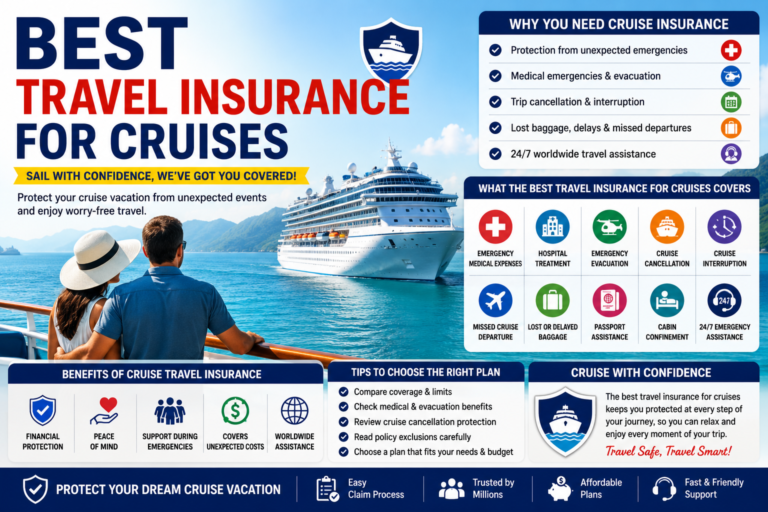
International medical treatment can be expensive in some countries. Travel insurance may provide coverage for certain medical emergencies and other travel problems, depending on the policy.
Travel insurance can sometimes include coverage related to:
- Emergency medical treatment
- Hospitalization
- Trip cancellation
- Trip interruption
- Lost baggage
- Delayed baggage
- Emergency transportation
- Other covered travel problems
Policies are different, so travelers should read the terms carefully.
Pay attention to:
- Coverage limits
- Exclusions
- Deductibles
- Medical conditions and exclusions
- Adventure activity restrictions
- Cancellation conditions
- Claim procedures
Do not assume every travel insurance policy covers every situation.
Keep your insurance information accessible during the trip.
Plan Safe Transportation
Transportation is a major part of foreign travel safety.
Before traveling, research how you will move from the airport to your accommodation and how you will travel around the destination.
Use reliable transportation providers whenever possible.
Depending on the destination, this may include:
- Official airport transportation
- Licensed taxis
- Recognized ride services
- Public buses
- Trains
- Metro systems
- Hotel transportation
- Rental vehicles
Be cautious when strangers offer transportation at airports or tourist areas.
If using a taxi, understand how fares are calculated before starting the journey. In some places, official taxis use meters, while others may use fixed prices.
For rental cars, understand local driving rules before getting behind the wheel.
Airport Safety
Foreign travel safety begins at the airport.
Arrive with enough time to complete check-in, security, immigration, and other procedures.
Keep your passport and important documents accessible but secure.
Do not leave bags unattended.
Avoid accepting packages from strangers or carrying items for people you do not know.
Keep an eye on your luggage during busy periods.
At airports, travelers may become distracted because they are checking flight information, looking at maps, or trying to find transportation. Stay aware of your surroundings.
Public Transportation Safety
Public transportation can be affordable and convenient, but tourists should understand how the system works.
Before using public transportation:
- Learn the route.
- Check ticket prices.
- Understand payment methods.
- Know the correct station or stop.
- Keep your belongings secure.
- Avoid displaying large amounts of cash.
- Pay attention in crowded areas.
Pickpockets may target crowded buses, trains, metro stations, and tourist attractions.
Keep valuable items close to you and avoid placing wallets or phones in easily accessible pockets.
Choose Safe Accommodation
Accommodation is another important part of foreign travel safety.
Before booking a hotel, apartment, hostel, or other accommodation, research the location.
Consider:
- Neighborhood safety
- Distance from major attractions
- Access to transportation
- Recent guest reviews
- Building security
- Reception availability
- Entry systems
- Emergency exits
- Price
- Cancellation policy
A cheap hotel in an inconvenient or isolated location may create additional problems.
A slightly more expensive accommodation in a well-connected area may provide better convenience and safety.
When you arrive, understand how the door locks, emergency exits, and building access work.
Do not share your room number unnecessarily with strangers.
Protect Your Passport and Documents
Your passport should be treated as a valuable item.
Avoid leaving your passport unattended.
Depending on local requirements, you may need to carry your original passport, while in other situations a secure copy may be useful. Understand the rules of the destination and the requirements of your accommodation or transportation provider.
Keep backup copies separately.
You should also know what to do if your passport is lost or stolen.
A basic response may include:
- Secure yourself in a safe location.
- Report the loss or theft to the appropriate local authorities when required.
- Contact your country’s embassy or consular service.
- Provide identification and supporting documents.
- Follow the instructions for obtaining replacement travel documentation.
The exact process varies by country.
Protect Your Money and Bank Cards
Money problems can quickly turn a good trip into a stressful experience.
One important foreign travel safety principle is to avoid depending on only one payment method.
Consider carrying:
- Some local cash
- A main payment card
- A backup card
- Emergency funds
Do not keep all your money in one location.
When using ATMs, choose machines in secure and well-known locations. Be careful of people who offer unsolicited assistance.
Protect your PIN and never give your card details to strangers.
Monitor your bank account during your trip. If you see an unfamiliar transaction, contact your bank or card provider through an official channel.
Avoid Common Tourist Scams
Tourist scams can happen in many destinations.
Common examples may include:
- Fake taxi drivers
- Fake tour guides
- Fake tickets
- Unofficial currency exchange
- Unwanted assistance with luggage
- Overcharging
- Fake charity requests
- Distraction techniques
- Fake accommodation offers
- Online booking scams
Not every friendly person is trying to scam tourists, but travelers should remain aware.
If someone creates unnecessary pressure and demands immediate payment, take a step back.
Before paying for a service, understand the price.
Use official websites, trusted booking services, authorized transportation, and established businesses whenever possible.
Stay Safe in Crowded Places
Crowded tourist areas can increase the risk of losing belongings.
Popular locations such as:
- Train stations
- Markets
- Shopping centers
- Tourist attractions
- Festivals
- Public transportation
- Airports
may be very busy.
Keep your phone, wallet, passport, and other valuables secure.
Avoid leaving bags on restaurant chairs or placing phones near the edge of tables.
If you are traveling with children, keep them close in crowded areas.
Be Careful at Night Foreign travel safety
Night-time safety depends heavily on the destination.
Before going out at night, learn which areas are commonly used by visitors and which areas should be avoided.
Useful precautions include:
- Use reliable transportation.
- Avoid isolated streets.
- Stay with trusted companions when possible.
- Keep your phone charged.
- Avoid displaying expensive belongings.
- Do not accept transportation from unknown individuals.
- Stay aware of your surroundings.
If you feel uncomfortable or unsafe, move toward a busy, well-known location and seek reliable assistance.
Health and Medical Safety Abroad Foreign travel safety
Health should always be part of foreign travel safety planning.
Travel can change your normal routine. Different food, water, weather, sleep schedules, and physical activities can affect your health.
Before traveling, consider:
- Necessary medicines
- Medical documents
- Travel insurance
- Local medical facilities
- Food and water safety
- Weather conditions
- Planned activities
Carry important medicines in suitable packaging and keep them accessible.
If you have important medical information, keep it available in a form that can be understood by healthcare professionals.
Food and Water Safety Foreign travel safety
Food and water safety can be different from one destination to another.
Travelers should learn whether local tap water is considered safe for visitors.
If there are concerns about water quality, use a reliable source of drinking water.
Food safety guidelines include:
- Choose clean food establishments.
- Eat properly cooked food.
- Be careful with raw foods.
- Wash your hands before eating.
- Avoid food that appears poorly stored.
- Be careful with unfamiliar ingredients.
- Clearly communicate food allergies.
Street food can be an enjoyable part of international travel, but travelers should use judgment and consider cleanliness, food storage, and cooking conditions.
Protect Yourself From Weather Conditions Foreign travel safety
Weather can create serious travel problems if travelers are not prepared.
Before traveling, check expected conditions and pack accordingly.
For hot destinations, travelers may need:
- Lightweight clothing
- Sun protection
- Water
- Comfortable footwear
- Rest periods
For cold destinations, travelers may need:
- Warm clothing
- Weather-resistant footwear
- Gloves
- Appropriate outerwear
For destinations with heavy rainfall, suitable waterproof clothing and protection for electronics can be useful.
Severe weather may also affect flights, roads, and outdoor activities.
Respect Local Laws Foreign travel safety
Foreign travel safety includes understanding that local laws may be different from the laws in your home country.
Tourists are generally expected to follow the laws of the country they visit.
Before traveling, research important rules related to:
- Alcohol
- Photography
- Driving
- Drugs
- Public behavior
- Clothing
- Religious sites
- Identification
- Import and export restrictions
- Electronic devices
Do not assume that something legal at home is legal abroad.
If you are unsure about a rule, research it through reliable official sources before acting.
Respect Local Culture Foreign travel safety
Respecting local culture can prevent misunderstandings.
Travelers should learn about basic cultural expectations before arriving.
These may include:
- Appropriate clothing
- Greetings
- Religious practices
- Dining customs
- Photography rules
- Public behavior
- Social etiquette
At religious or cultural sites, follow posted instructions.
Ask permission before photographing people when appropriate.
Do not make fun of traditions that are unfamiliar to you.
A respectful tourist is more likely to have positive interactions with local communities.
Digital and Cybersecurity Safety Foreign travel safety
Foreign travel safety is not limited to physical safety. Digital security is also important.
Travelers often use their phones for:
- Banking
- Maps
- Tickets
- Hotel bookings
- Communication
- Photography
- Personal information
Protect your devices with strong passwords or biometric security.
Avoid clicking suspicious links sent by unknown people.
Be careful when using public Wi-Fi for banking or other sensitive activities.
Keep your phone and other devices updated.
Do not leave devices unattended in public places.
If your phone is stolen, use another device to secure important accounts as soon as possible.
Protect Your Personal Information Foreign travel safety
Travelers may need to show identification during their journey, but they should not share personal information unnecessarily.
Be careful with:
- Passport numbers
- Bank information
- Passwords
- PINs
- Personal addresses
- Account details
Do not give sensitive information to strangers who claim to need it without a clear reason.
When using online booking services, confirm that you are dealing with a legitimate provider.
Keep Emergency Contacts Available Foreign travel safety
Every foreign traveler should have important contact information available.
Useful contacts include:
- Local emergency services
- Hotel or accommodation
- Airline
- Travel insurance provider
- Bank
- Family member
- Trusted friend
- Country’s embassy or consular service
Do not rely only on contacts stored inside your phone.
Keep a written backup in a secure location.
Solo Foreign Travel Safety
Solo travel can provide freedom and independence, but it requires careful planning.
Before leaving, share your basic travel plans with someone you trust.
Choose accommodation carefully.
When exploring:
- Avoid unnecessary risks.
- Stay aware of your surroundings.
- Keep your phone charged.
- Protect your documents.
- Avoid isolated areas when appropriate.
- Use reliable transportation.
- Be careful about accepting help from strangers.
Solo travelers should trust their instincts. If a situation feels wrong, there is no need to stay simply because you do not want to appear rude.
Foreign Travel Safety for Families
Family travel requires additional preparation.
Parents or guardians should make sure children have the required travel documents.
Useful family safety measures include:
- Keep children close in crowded areas.
- Teach children what to do if they become separated.
- Keep emergency contact information with children when appropriate.
- Choose safe accommodation.
- Carry necessary medicines.
- Plan child-friendly transportation.
- Avoid overly busy schedules.
Children may become tired or distracted during long journeys. Regular rest can make international travel much easier.
What to Do If Your Passport Is Lost Foreign travel safety
Losing a passport abroad can be stressful, but travelers should focus on solving the problem.
First, move to a safe location.
Then:
- Determine whether the passport was lost or stolen.
- Report theft to local authorities when necessary.
- Contact your embassy or consular service.
- Provide identification and available copies.
- Follow the instructions for replacement documentation.
- Contact transportation or accommodation providers if your travel plans are affected.
Keeping copies of your passport and visa information can help with this process.
What to Do If You Are Robbed Foreign travel safety
If you are robbed, personal safety is more important than property.
Do not put yourself in danger to recover money or belongings.
Move to a safe location and contact appropriate authorities.
If bank cards were stolen, contact your bank quickly.
If your passport was stolen, contact the relevant authorities and your country’s diplomatic mission.
If your phone was stolen, secure important online accounts.
What to Do During a Medical Emergency Foreign travel safety
If you become seriously ill or injured while abroad, seek appropriate medical help as soon as possible.
Your travel insurance provider may have an emergency assistance service.
Keep important medical and insurance information accessible.
If language is a problem, use a translation tool or ask a trusted person or healthcare worker for assistance.
Do not delay serious medical care simply because you are in another country.
What to Do During a Natural Disaster Foreign travel safety
Some destinations are more exposed to earthquakes, storms, floods, volcanic activity, or other natural hazards.
Research the common risks before traveling.
If a disaster occurs:
- Follow official instructions.
- Move away from dangerous areas.
- Avoid damaged buildings.
- Stay informed through reliable sources.
- Contact family when possible.
- Follow instructions from local authorities.
- Contact your accommodation provider.
- Use your travel insurance assistance if appropriate.
Do not rely on social media rumors during emergencies.
Foreign Travel Safety Checklist
Before leaving, review this checklist:
- Check passport validity.
- Check visa requirements.
- Research local laws.
- Research local customs.
- Check weather conditions.
- Arrange travel insurance.
- Book safe accommodation.
- Plan transportation.
- Prepare emergency contacts.
- Make copies of important documents.
- Carry backup payment methods.
- Prepare necessary medicines.
- Secure your phone.
- Download offline maps.
- Learn basic local phrases.
- Tell someone your travel plans.
- Research common tourist scams.
- Save embassy or consular information.
Responsible Foreign Travel Foreign travel safety
Foreign travel safety also means protecting the destination.
Travelers should respect the environment and local communities.
Avoid:
- Littering
- Damaging historical buildings
- Disturbing wildlife
- Ignoring local rules
- Wasting resources
- Supporting illegal activities
Instead:
- Use waste bins.
- Support legitimate local businesses.
- Respect local communities.
- Follow environmental rules.
- Protect natural areas.
- Respect cultural sites.
Tourism can benefit local communities when travelers spend money responsibly and behave respectfully.
Foreign Travel Safety and Communication Foreign travel safety
Language differences can create challenges, but travelers can prepare.
Learn a few basic words in the local language.
Useful phrases include:
- Hello
- Thank you
- Please
- Excuse me
- Help
- Where is this?
- How much does this cost?
- I need help.
- I do not understand.
A translation application can also be useful.
However, do not depend entirely on internet access. Download language information or maps for offline use when possible.
Before Leaving Your Hotel Foreign travel safety
Before leaving your accommodation each day, check that you have:
- Phone
- Wallet
- Identification
- Required documents
- Keys
- Necessary medicines
- Water
- Appropriate clothing
- Emergency contact information
Do not leave valuable items openly visible in your room.
Follow the accommodation’s security instructions.
Before Returning Home
Foreign travel safety continues until you arrive home.
Before leaving the destination:
- Check your passport.
- Confirm your transportation.
- Check your baggage.
- Look through your room for forgotten belongings.
- Confirm your departure time.
- Review customs requirements.
- Keep important receipts and documents.
- Keep your travel documents accessible.
Arrive at the airport or station early enough to handle check-in and security procedures without unnecessary pressure.
FAQs
What is foreign travel safety?
Foreign travel safety means taking practical steps to protect yourself, your belongings, money, documents, health, and personal information while traveling outside your home country.
What should I check before traveling abroad?
Check your passport validity, visa requirements, entry rules, weather, local laws, transportation, accommodation, travel insurance, health information, currency, and emergency contacts.
How can I keep my passport safe abroad?
Keep your passport in a secure place and avoid leaving it unattended. Keep secure copies of your passport and visa information so you have backup documentation if the original is lost or stolen.
Is travel insurance important for foreign travel?
Travel insurance can be useful because it may provide coverage for certain medical emergencies, cancellations, baggage problems, and other situations, depending on the policy. Always read the policy terms before purchasing it.
How can I avoid tourist scams?
Research common scams before traveling, use trusted transportation and booking services, confirm prices before paying, avoid high-pressure offers, and be cautious when strangers offer unsolicited assistance.
How can I protect my money while traveling internationally?
Carry limited cash, use secure ATMs, protect your PIN, keep backup payment methods, avoid keeping all your money in one place, and monitor your bank accounts for unfamiliar transactions.
What should I do if I lose my passport abroad?
Move to a safe location, report the loss or theft when appropriate, and contact your country’s embassy or consular service. Copies of your passport and other documents can help with the replacement process.
How can I stay safe when using public transportation abroad?
Research the transportation system before using it, keep valuables secure, use official services, understand ticketing procedures, and stay alert in crowded stations and vehicles.
What should I do during a medical emergency abroad?
Seek appropriate medical assistance immediately. If you have travel insurance, contact the provider’s emergency assistance service when possible. Keep important medical and insurance information available.
How can I stay safe online while traveling?
Protect your devices with strong security, avoid suspicious links, use caution with public Wi-Fi, keep software updated, protect banking information, and avoid sharing sensitive personal information unnecessarily.
How can solo travelers improve foreign travel safety?
Solo travelers should choose accommodation carefully, share their itinerary with someone they trust, protect important documents, keep their phone charged, use reliable transportation, avoid unnecessary risks, and stay aware of their surroundings.
How can families stay safe while traveling abroad?
Families should prepare children’s documents, choose suitable accommodation, keep children close in crowded areas, carry necessary medicines, plan safe transportation, and teach children what to do if they become separated.
Why should tourists learn local laws?
Local laws can be different from the laws in a traveler’s home country. Understanding important local rules helps tourists avoid legal problems and behave responsibly.
How can travelers respect local culture?
Travelers can respect local culture by learning basic customs, dressing appropriately when required, following religious and cultural rules, asking before taking photographs, and treating local people politely.
What should I do if my bank card is stolen abroad?
Contact your bank or card provider through an official channel as soon as possible. Ask them to block or replace the card if necessary. Having a backup payment method can help you continue your trip.
Should I share my travel plans with someone at home?
Yes. Sharing basic information such as your destination, accommodation, transportation plans, and expected return can help someone know where you are if an emergency occurs.
What is the most important foreign travel safety rule?
The most important rule is to stay prepared and aware. Research your destination, protect important documents and money, follow local laws, use reliable services, and trust your judgment when a situation feels unsafe.
Conclusion
Foreign travel safety is about preparation, awareness, and responsible behavior. Traveling abroad does not need to be stressful or frightening. With the right planning, most common travel problems can be reduced or handled more easily. Before traveling, research your destination, understand entry requirements, check your passport, arrange suitable insurance, and plan transportation and accommodation carefully. During the trip, protect your documents, money, devices, and personal information. Stay aware of your surroundings and avoid unnecessary risks. Be careful with unfamiliar transportation, crowded areas, and tourist scams.