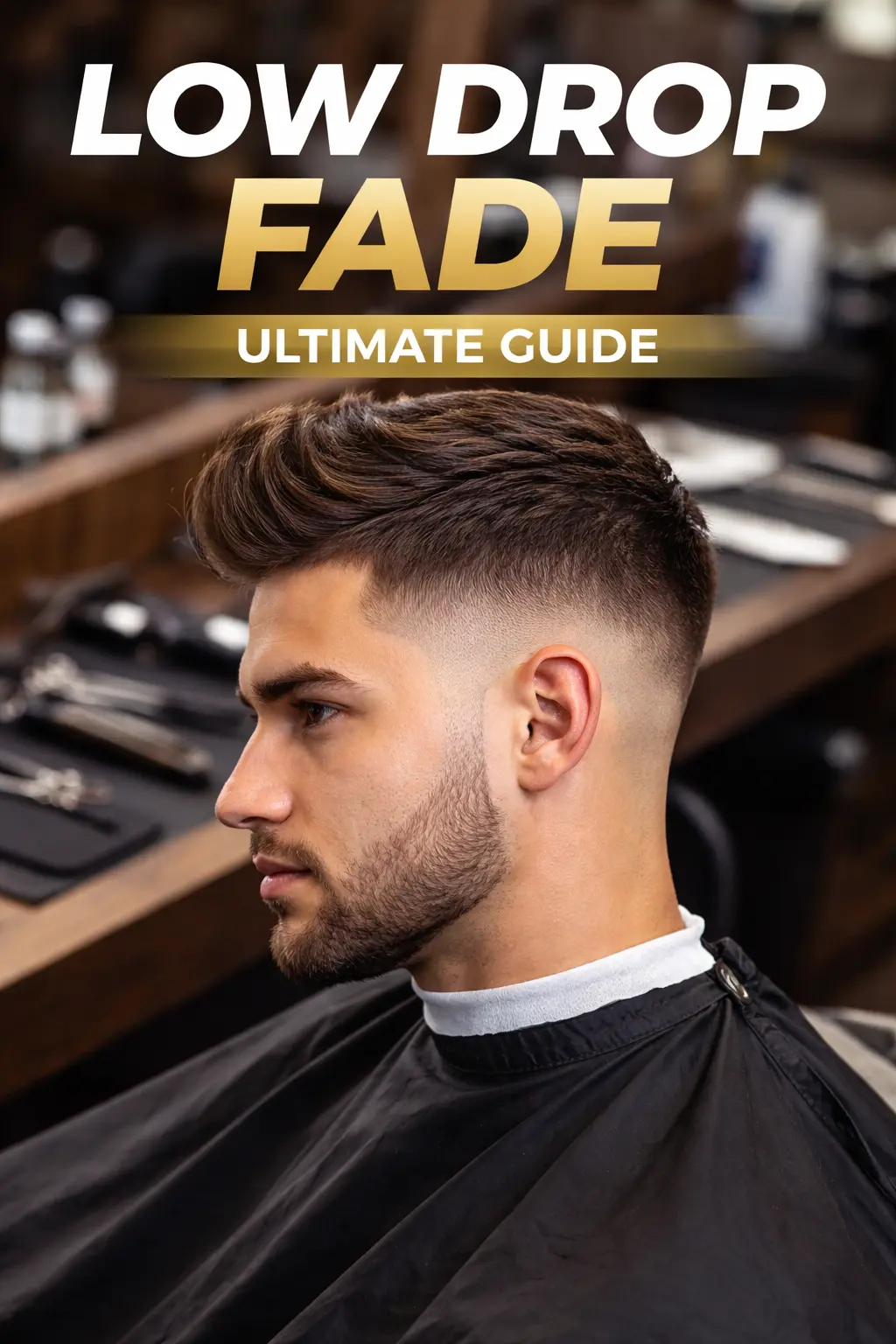

A low drop fade haircut is a structured men’s grooming style where the taper begins near the lower sides of the head and curves naturally behind the ear toward the neckline.
Barbering reference manuals such as Milady Barbering Techniques describe this cut as a low-positioned gradient combined with a descending taper line.
The defining feature is the downward arc at the back, which follows the natural skull contour rather than maintaining a straight horizontal line.
This haircut preserves side density.
The neckline remains clean.
The rear profile appears rounded.
The overall finish stays controlled and professional.
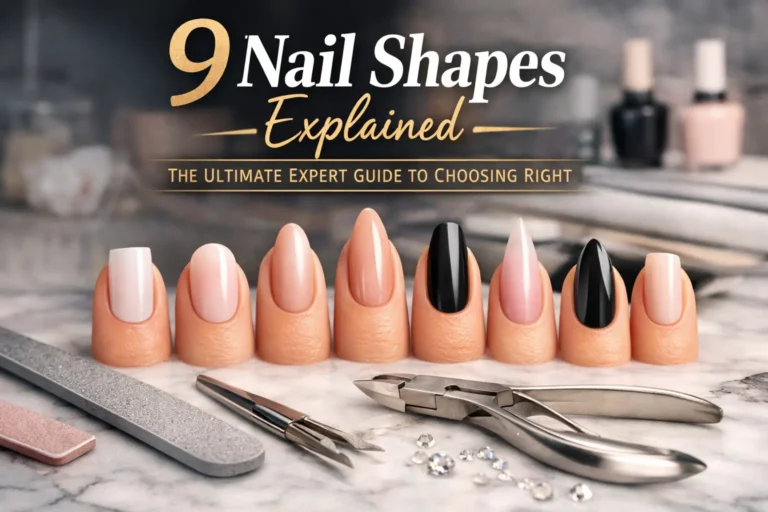
See More: Nail Shapes Explained: Structural Types, Selection Logic, and Professional Nail Design Standards
Professional grooming trend analyses published by Behind the Chair identify low-profile fades as dominant styles across age groups.
This particular fade variation remains popular because it balances subtlety with precision.
The style suits conservative workplaces.
The haircut adapts to modern trends.
The growth pattern stays uniform.
The shape complements natural head anatomy.
The taper begins slightly above the ear.
The fade line curves downward toward the occipital area.
The lowest point aligns with the nape.
The curve prevents excessive exposure.
Barbers use skull landmarks as guides.
The drop follows bone structure.
Symmetry remains critical throughout execution.
Professional barber education divides fades into layered zones.
Lower zone: Skin to 0.5 guard
Transition zone: 1 to 1.5 guard
Upper blend zone: 2 guard or shear-over-comb
Each zone merges progressively.
No hard demarcation lines remain visible.
The gradient appears seamless under natural lighting.
| Fade Category | Start Height | Back Profile | Visual Intensity |
|---|---|---|---|
| Traditional low fade | Low | Straight | Minimal |
| Low drop fade | Low | Curved | Balanced |
| Mid fade | Medium | Straight | Strong |
| High fade | High | Straight | Aggressive |
| Burst fade | Around ear | Circular | Dramatic |
The curved taper distinguishes this haircut from standard low fades.
The back profile defines its identity.
Straight hair highlights clean gradients.
Transitions remain visible and crisp.
Blending accuracy becomes essential.
Waves soften fade boundaries.
The curved taper enhances flow.
The haircut supports natural movement.
Curly patterns benefit from lower fade placement.
Bulk remains controlled.
The back shape avoids triangular buildup.
Barbering authorities recommend lower fades for tightly coiled hair.
The cut protects hairlines.
Crown density stays intact.
The silhouette remains proportional.
Round: Adds vertical structure
Oval: Preserves natural proportion
Square: Softens angular features
Diamond: Maintains temple width
The curved taper reduces harsh angles.
The haircut improves facial symmetry.
Short textured layers add surface definition.
The sides remain minimal.
The finish appears modern and controlled.
The fade supports curl volume.
The back curve preserves fullness.
The look stays balanced from all angles.
Wave maintenance requires lower taper zones.
The curved fade protects compression areas.
The haircut supports brushing routines.
The side taper blends into facial hair.
The transition appears continuous.
Jawline definition improves.
Certified barber training outlines a standardized method.
Map curvature using ear and nape landmarks
Set base length with trimmers or clipper
Carve drop line following skull shape
Blend upward incrementally
Refine edges using detailing tools
Precision defines quality.
Freehand technique ensures symmetry.
Lighting angle affects blend visibility.
This haircut grows out evenly due to low placement.
The curved taper remains visible longer.
The neckline stays cleaner during regrowth.
2 weeks: Sharp and defined
3 weeks: Clean professional appearance
4 weeks: Soft blended finish
Hair density affects timing.
Texture influences longevity.
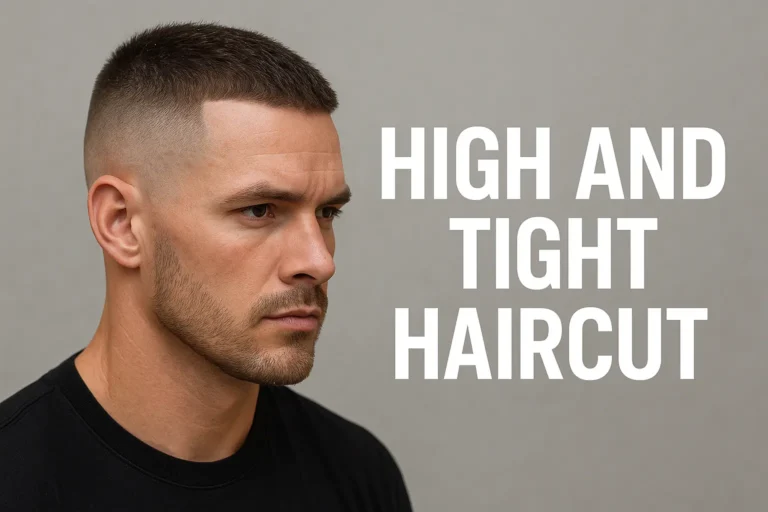
See More: High and Tight Haircut: The Complete Guide to a Clean, Sharp, Timeless Style
Matte clay: Texture without shine
Light pomade: Controlled hold
Curl cream: Moisture and definition
Wave products: Compression support
Dermatology-backed grooming sources advise low-residue formulas.
Heavy buildup reduces gradient clarity.
Raising taper height excessively
Flattening the rear curve
Over-thinning crown areas
Ignoring skull asymmetry
Consultation reduces mistakes.
Reference images improve alignment.
Head shape guides placement decisions.
Corporate grooming standards permit low-profile tapers.
Military guidelines allow controlled fades.
Athletes prefer the cut for helmet compatibility.
Creative professionals value its adaptability.
The haircut transcends demographics.
The style remains globally relevant.
The curved version follows skull anatomy.
Straight fades maintain horizontal lines.
The difference appears most at the back.
Yes. Grooming policy documents classify it as conservative.
The taper avoids extreme contrast.
Two to three weeks on average.
Texture and density influence durability.
Yes. The low placement balances volume.
Side bulk remains controlled.
No. The taper stays below sensitive growth zones.
Proper technique preserves edges.
The low drop fade haircut is a precision grooming style defined by low taper placement and a curved transition that mirrors natural head anatomy. The haircut delivers balance, longevity, and versatility.
It suits all hair textures and face shapes. Professional barbering standards recognize it as a foundational modern fade.This style remains relevant because it prioritizes proportion, subtle structure, and adaptability.
Its geometry supports contemporary grooming demands. Its execution reflects skilled craftsmanship.