Advertising in Japan: A Guide to Building Successful Campaigns in a Unique Market
Japan is one of the world’s most dynamic and competitive consumer markets, offering significant opportunities for international businesses. With a population that values quality, reliability, and innovation, companies looking to expand into the country must adapt their marketing approach to local expectations. Simply translating an existing campaign is rarely enough. Instead, successful advertising in Japan depends on understanding Japanese culture, consumer behavior, and communication preferences.
Whether introducing a new product, promoting a service, or increasing brand visibility, businesses that create locally relevant campaigns are far more likely to achieve lasting success.
Why Japan Is an Attractive Market?
Japan remains one of the largest global economies with consumers who have considerable purchasing power. Its advanced digital infrastructure, combined with the continued influence of traditional media, provides businesses with numerous ways to connect with potential customers.
Japanese consumers are known for carefully researching products before making purchasing decisions. They often prioritize quality, customer support, brand reputation, and long-term value over low prices. This means companies should focus on establishing credibility and trust rather than relying on aggressive promotional tactics.
Well-planned advertising in Japan balances informative content with engaging storytelling, helping businesses educate consumers while strengthening brand recognition.
Understanding Japanese Consumer Behavior
One of the defining characteristics of Japanese marketing is its emphasis on respectful and subtle communication. Unlike some markets where bold claims and dramatic promotions are common, Japanese audiences generally respond more positively to messages that highlight craftsmanship, reliability, and consistent quality.
Consumers also expect a seamless brand experience. Whether interacting with online advertisements, websites, retail stores, or customer service representatives, they appreciate consistency in both messaging and service.
Trust plays a major role in purchasing decisions. Customer reviews, positive recommendations, brand history, and proven reliability often influence buyers more than short-term discounts or flashy advertising campaigns.
Digital Advertising Continues to Grow
Digital marketing has become an essential part of reaching Japanese consumers. High internet usage and widespread smartphone adoption allow businesses to engage audiences through search engines, social media, online video, display advertising, and content marketing.
Search advertising helps businesses reach users actively looking for products or services, while social media platforms provide opportunities to build communities and interact directly with customers. Educational content, helpful videos, and authentic storytelling often perform particularly well.
Businesses that combine multiple digital channels typically achieve stronger results than those relying on a single platform, creating more consistent customer experiences throughout the buying journey.
The Lasting Value of Traditional Media
Although digital marketing continues to expand, traditional advertising remains highly effective in Japan. Television, newspapers, magazines, transit advertising, and outdoor billboards continue to reach millions of consumers every day.
Japan’s extensive railway and subway networks make transportation advertising especially valuable. Daily commuters regularly encounter posters, digital displays, and promotional campaigns while traveling between home and work.
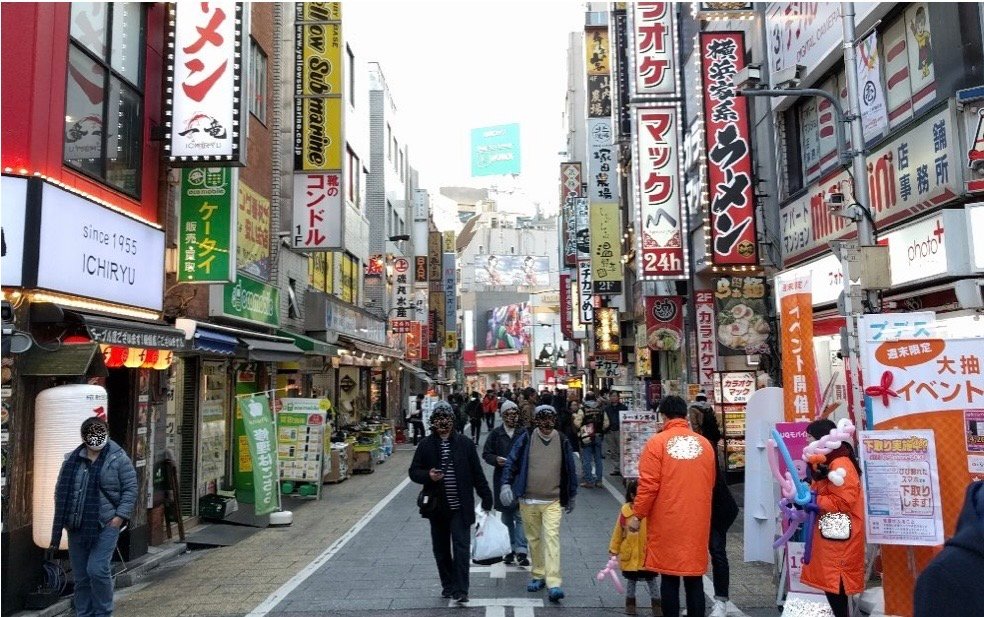
Outdoor advertising in busy commercial districts provides additional opportunities to increase brand visibility. When combined with digital marketing, traditional media can reinforce messaging and improve overall campaign performance.
Localization Is More Than Translation
Successful campaigns require far more than converting text into Japanese. True localization involves adapting every aspect of the advertisement to reflect local culture and consumer expectations.
Visual design, colors, photography, messaging, tone, and cultural references all influence how advertisements are received. Marketing materials that perform well in one country may not have the same impact in Japan if they fail to reflect local preferences.
Companies that invest in thoughtful localization demonstrate respect for Japanese audiences while improving customer engagement and strengthening brand credibility.
Building Trust Through Influencer Marketing
Influencer marketing continues to grow as an effective promotional strategy in Japan. However, authenticity remains the key to success.
Rather than focusing exclusively on celebrities with massive audiences, many brands achieve better results by partnering with niche content creators who have earned strong trust within specific communities. Their recommendations often feel more genuine, leading to greater audience engagement.
Successful collaborations align naturally with both the influencer’s personal style and the company’s brand values, creating content that feels informative rather than overly promotional.
Measuring Advertising Success
Every advertising campaign should be monitored and refined using reliable performance data. Businesses commonly evaluate website traffic, engagement rates, lead generation, sales conversions, customer acquisition costs, and overall return on investment.
Regular analysis allows companies to identify successful strategies while improving weaker areas of their campaigns. Continuous testing of messaging, creative design, audience targeting, and advertising platforms helps maximize long-term performance.
Viewing advertising as an ongoing process rather than a one-time project enables businesses to adapt as market conditions and consumer preferences evolve.
The Benefits of Local Marketing Expertise
Expanding into Japan presents unique opportunities, but it also requires careful planning and local market knowledge. Cultural expectations, media preferences, and consumer behavior differ significantly from many Western markets.
Working with professionals who understand the Japanese advertising landscape can help businesses develop more effective campaigns, avoid cultural misunderstandings, and reach the right audience through suitable marketing channels.
Experienced specialists in advertising in Japan can assist with campaign planning, localization, media buying, digital marketing, influencer partnerships, and integrated communication strategies. Their local knowledge helps businesses create campaigns that connect with consumers while supporting long-term growth.
Conclusion
Japan offers exceptional opportunities for companies prepared to invest in market-specific marketing strategies. Businesses that understand local consumer expectations, prioritize trust, and communicate with cultural awareness are more likely to achieve lasting success.
Rather than relying on generic global campaigns, brands should focus on localization, consistent customer experiences, and meaningful engagement. With a thoughtful strategy, effective advertising in Japan can help businesses build strong customer relationships, enhance brand reputation, and achieve sustainable growth in one of the world’s most sophisticated consumer markets.